“Sabés que él también se viene con nosotras, ¿no?". Fueron a Misiones a adoptar a tres hermanos y al enterarse de la existencia de un cuarto hermano mayor (que se había apartado para darle una chance a sus hermanos), decidieron ahijarlo.
https://t.co/kXelKx0ioj
The research behind this is wild. A cat has about 470 taste buds. You have 9,000. A dog has 1,700. So the cat in this video can barely taste that pancake, and that is the whole reason it sniffs the thing like it might be poison while the dog just bites straight in.
Taste barely works for a cat, so it leads with its nose. To a cat, smell is how you tell food from not-food, and safe from dangerous. The sniff you are watching is a safety check. Most of the time, the answer comes back no.
The reason runs back thousands of years, to the kind of animal a cat used to be. House cats come from small wild hunters that caught fresh prey, mice, birds, the odd lizard, and ate it on the spot. They did not scavenge or pick through rotting leftovers the way some animals do. So a strange smell has always meant one thing to a cat: possible poison. A cat that has never seen a pancake does not look at it and think food. It might as well be a wad of paper.
There is a second catch. Cats cannot taste sweet at all. Scientists found the gene for it is broken in every cat, from your couch cat to lions and tigers. So a sweet, syrupy pancake gives a cat nothing back. The smell is wrong, there is no sweetness to enjoy, and the texture feels off. It checks the thing and walks away.
The dog is running the opposite script. Dogs come from animals that lived off scraps near early human camps, and their bodies changed to match. A 2013 study in the journal Nature found that as wolves became dogs, they picked up ten genes for digesting starch, the soft, carb-heavy stuff in bread, rice, and yes, pancakes. Wolves are bad at digesting starch, but dogs got good at it. A dog was practically built to eat our leftovers, and that pancake is close to the exact food that turned a wolf into a dog.
Dogs also bolt their food because their ancestors had to. In a pack, anything you left sitting got stolen, so the fast eaters won and passed it down. A dog's 42 teeth are made for grabbing and tearing, not slow tasting. So the dog does not test the pancake. It just bites in.
One animal treats every meal like it could be a trap. The other treats every meal like it could get stolen. Both are still running survival rules that were written long before anyone held out a pancake.
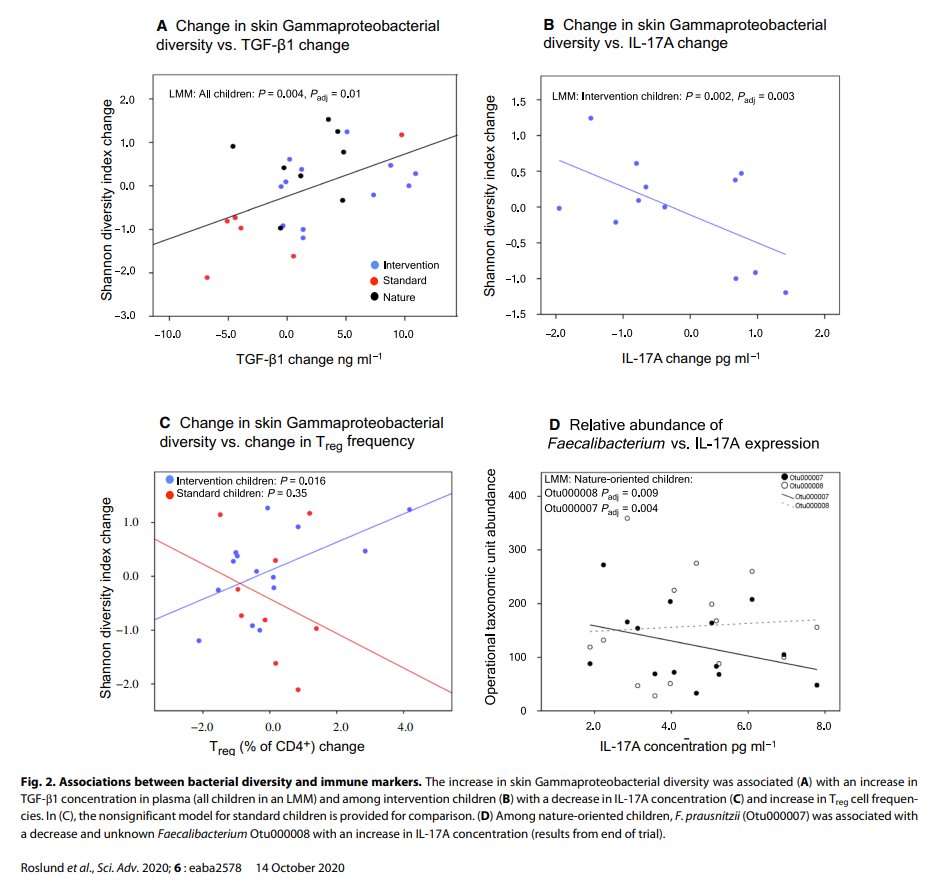
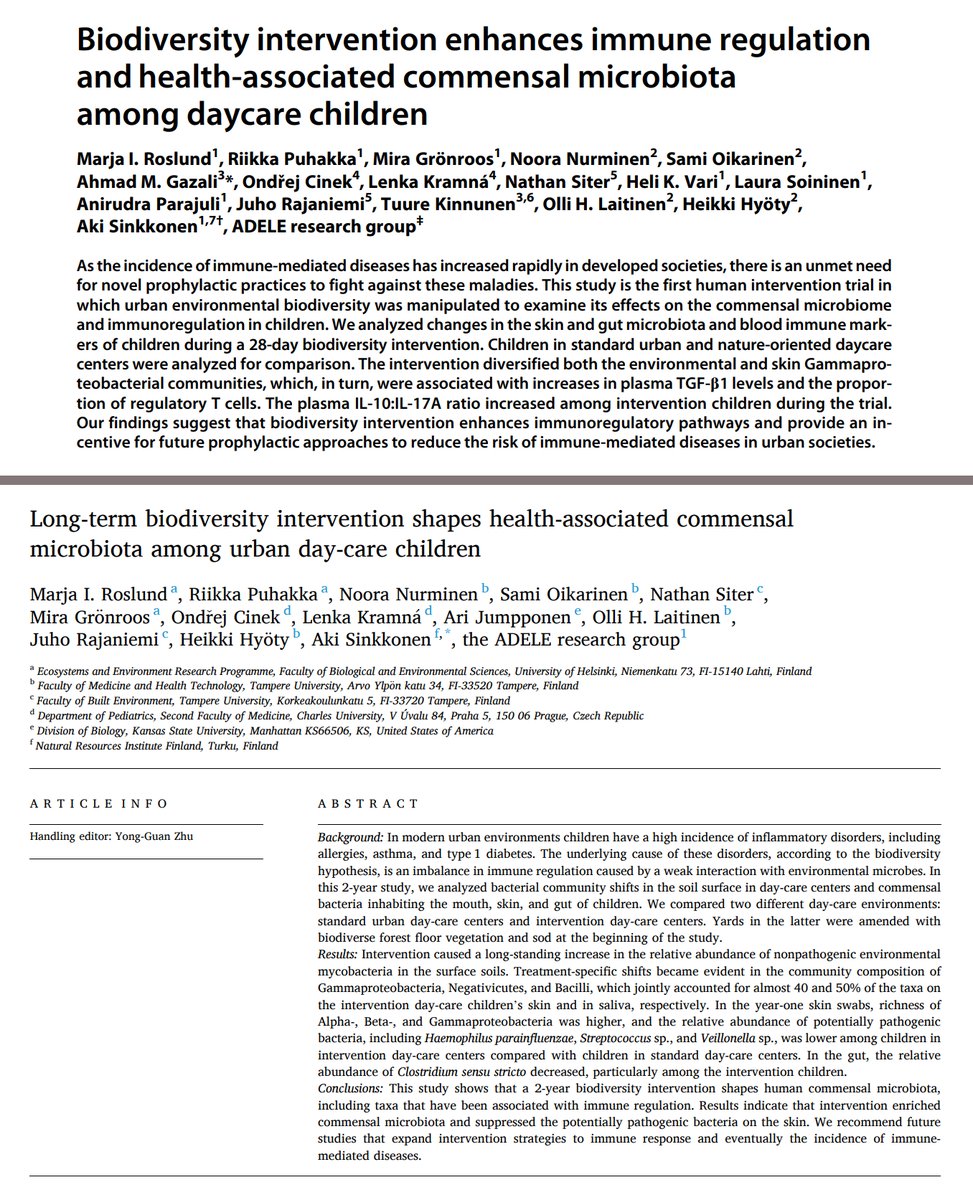
En Finlandia cambiaron los materiales sintéticos (caucho sintético, asfalto, plástico...) de los patios de las guarderías por suelo forestal, césped, musgo y arbustos; y los niños mejoraron su sistema inmune en sólo 28 días: mayor diversidad microbiana, más células T reguladoras, aumento de marcadores antiinflamatorias y mayor equilibrio inmunológico.
A los 2 años los beneficios persistían y se observaron mejoras adicionales: menos bacterias patógenas como Streptococcus en la piel y menor abundancia de bacterias asociadas a inflamación en el intestino.
“Para mí no era una opción ser padre y hoy sé que voy a ser el papá de Seba hasta que me muera”, asegura Nicolás Martínez (49), padre de Sebastián (17) desde hace dos años y medio. Entrá a https://t.co/Kl5raWfV8M para conocer a otros chicos como Seba.
#Adopcion#Quierounfamilia
DOS BIOINGENIERAS CREARON UNA IA QUE PASA DE DETECTAR MUTACIONES DE CÁNCER EN UNA BIOPSIA EN UN MES A CINCO MINUTOS
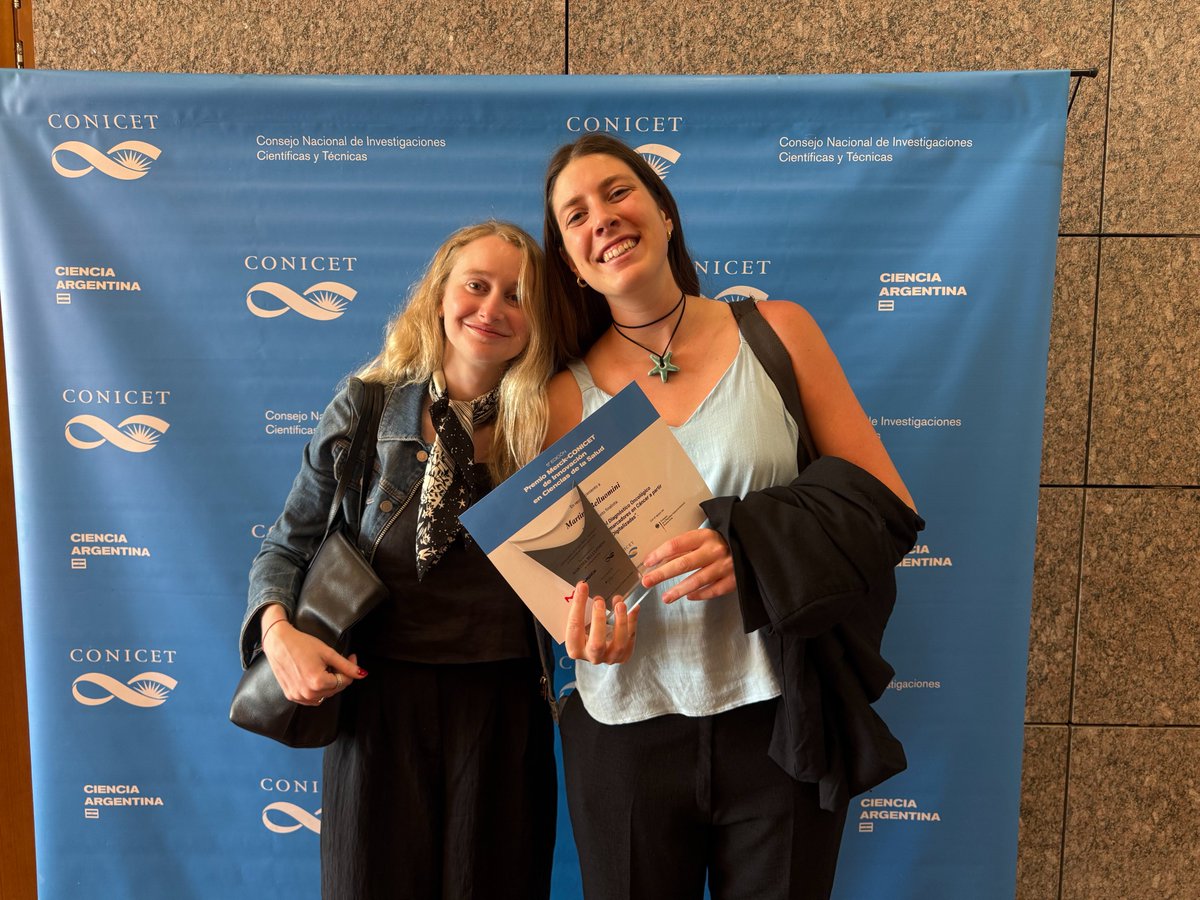
Ana Gorodisch y Martina Belluomini son de Buenos Aires. Se recibieron de bioingenieras en el ITBA en 2023. Para su tesis de grado desarrollaron un algoritmo de inteligencia artificial que analiza imágenes de biopsias tumorales y detecta mutaciones genéticas invisibles a simple vista. En 2024, lo presentaron en el congreso de la American Society of Clinical Oncology. Ahí vieron que la necesidad era real y que nadie estaba desarrollando algo similar localmente.
En 2025 fundaron Kuvia. La tecnología toma la imagen de una biopsia tumoral, que ya se obtiene de rutina en cualquier paciente oncológico, y detecta en cinco minutos los biomarcadores que definen el mejor tratamiento, sin insumos adicionales. Hoy ese proceso puede tardar hasta un mes y no está disponible en todos los centros médicos.
Desarrollaron un producto para detectar un biomarcador clave en el cáncer de colon y endometrio, entrenado con los primeros datos de patología digital del país y en validación en más de cinco instituciones. Una de ellas es Biogenar, un laboratorio de anatomía patológica ubicado en Buenos Aires.
Fueron seleccionadas en Transformar Salud, la iniciativa de la Fundación Garrahan y Roche, para desarrollar una IA orientada a cáncer pediátrico. Y el Harvard Health Systems Innovation Lab destacó su solución entre los desarrollos globales de IA en salud.
Hoy son cuatro en el equipo: Ana como CEO, Martina como CTO y dos data scientists. Colaboran con un laboratorio de diagnósticos en Estados Unidos y están en conversaciones para llegar a Brasil.
"Queremos usar nuestra tecnología no solo para generar diagnósticos más rápidos y económicos, sino también para desarrollar nuevos diagnósticos que hoy no existen"
@laclaux@AMAZlNGNATURE Yesss. If you loose something, you may find it there. Urracas are also the thieves of the Pampas. They have the most stunning eggs
#MELISSA is worse than “worse case scenario”. This is generational. The human suffering in parts of #Jamaica will be unimaginable to modern standards. I could not fathom a monster like this.
I’ve studied so many hurricanes, and I can’t even believe what I’m looking at.
Frente a la falta de opciones, cada vez más los juzgados recurren a las #convocatoriaspúblicas, que no son otra cosa que llamados a la comunidad pidiendo por esa familia que los chicos tanto necesitan. ¿Nos ayudas a difundirlas? Entrá a https://t.co/Kl5raWgsYk para conocerlas.
Todos mansos y tranquilitos viendo cómo pasa esto... 😡 ---> Con un desempate de Magario, el Senado bonaerense aprobó la reelección indefinida de los legisladores provinciales
https://t.co/dwLDcAlmlX
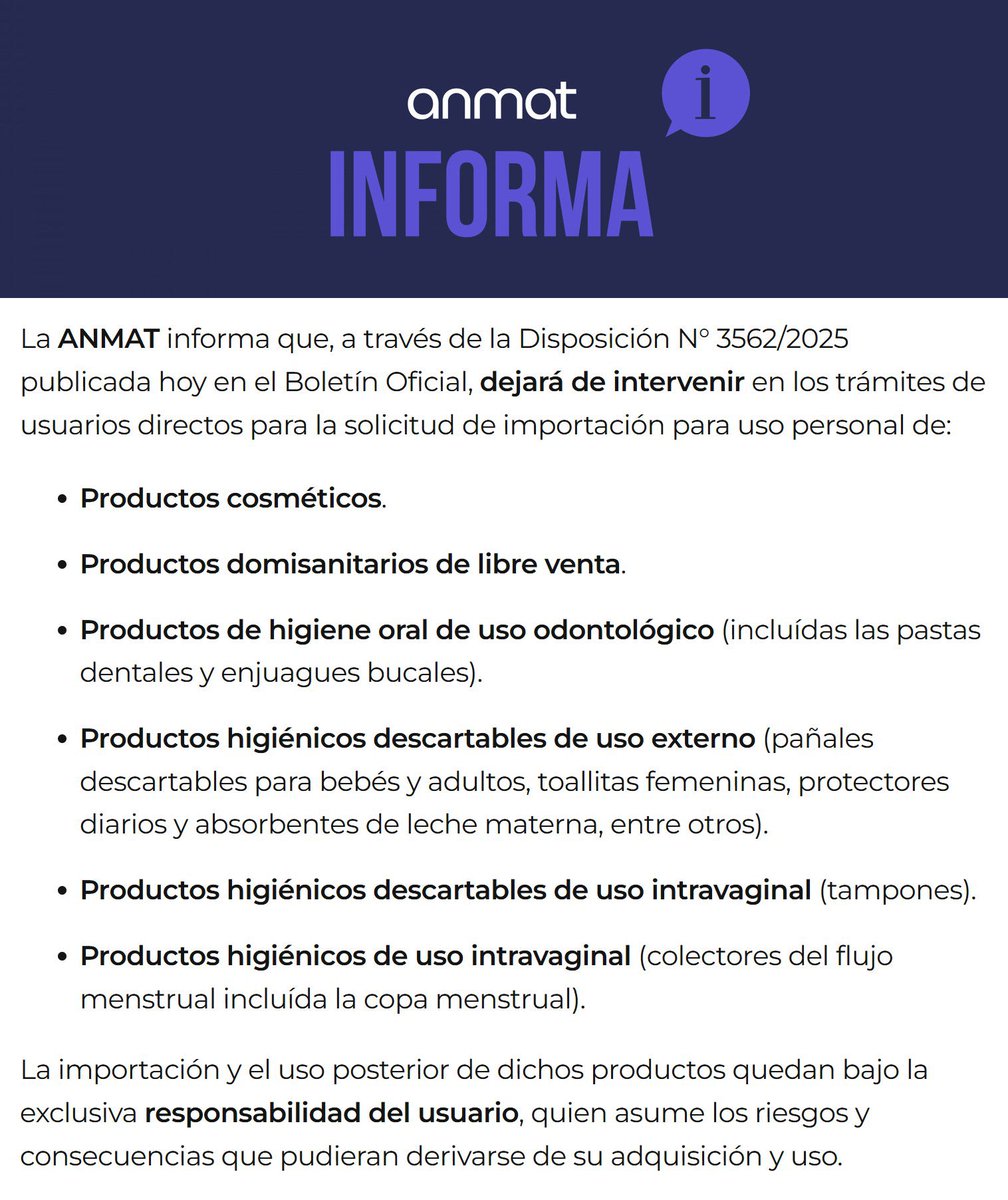
@caioquesada Te diría que da lo mismo Caio, porque hoy todo se compra por correo. Maquillajes que vienen de Asia, con componentes dudosísimos, directo a la puerta de tu casa.
Esta medida es demencial y no puedo creer que no lo vean. Imaginate el mercado inundado de productos de belleza de dudosa procedencia, promocionados en redes sociales y consumidos por niñas y adolescentes. Y que no haya NADIE chequeando que sean seguros.