We analyze, scrutinize, and recalculate interest charged on Loans and overdraft facilities.
You can stop auctions and lenders' harrasment.
Call 0722 316 111
In September 2016, the CBK issued an interest control By way of an amendment to the Banking Act ("Act"), introduced through section 33B of the Act.
The Parliament, on 14th September 2016 imposed a limit on the interest rates that banks in Kenya could charge.
However,
Stocks to watch out in 2025:
1. Kenya Power
2. KenGen
3. Umeme
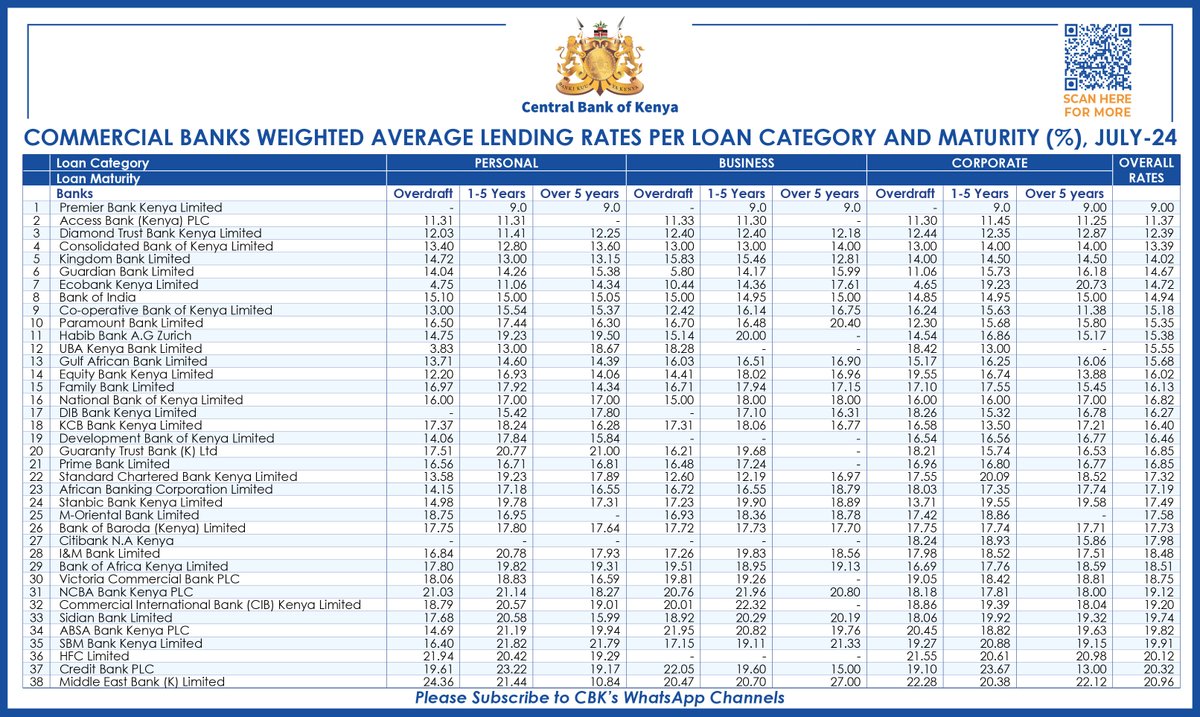
4. Stanbic Holdings
5. KCB
6. Standard Chartered Bank Kenya.
What should we add to the list?
The key to financial freedom:
Passive income.
If you want to make money while you sleep...
Here are the 10 best passive income streams anyone can start in 2025 (no experience required):
1. Laundromats
For lovers of dividends, consider researching into Standard Chartered Bank Kenya. Mostly likely to hike dividend payment to sh 40 this financial year. Final year results will be out in March 2025.
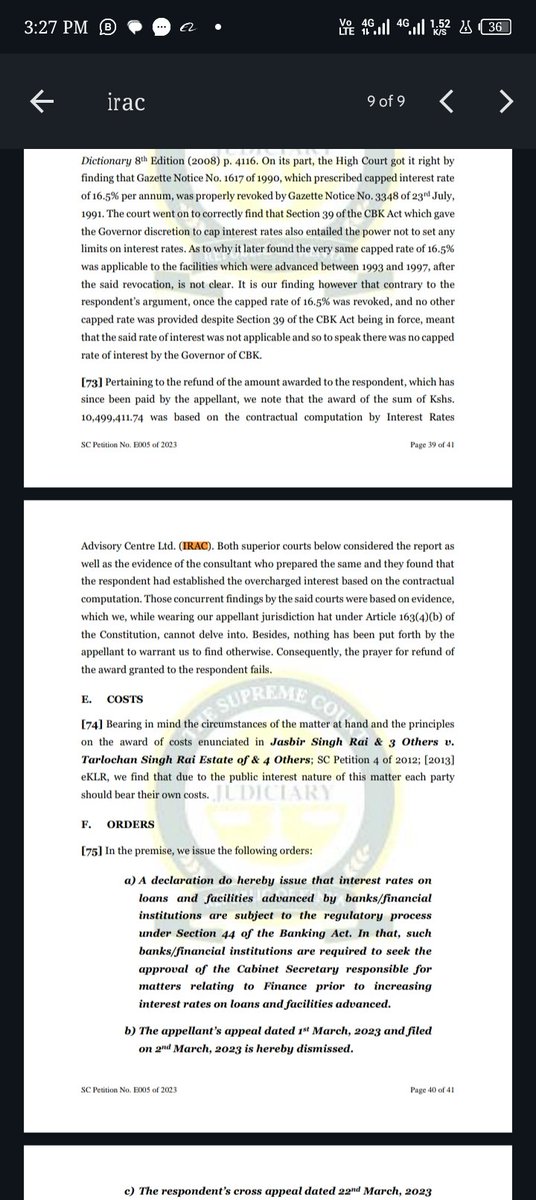
Banks are required to seek approvals from the CS in charge of Finance (Treasury) according to section 44 of the Banking Act.
The Supreme Court has also approved the initial order by the courts below that directed Stanbic Bank to refund interest overcharges as determines by our
Banks are required to seek approvals from the CS in charge of Finance (Treasury) according to section 44 of the Banking Act.
The Supreme Court has also approved the initial order by the courts below that directed Stanbic Bank to refund interest overcharges as determines by our
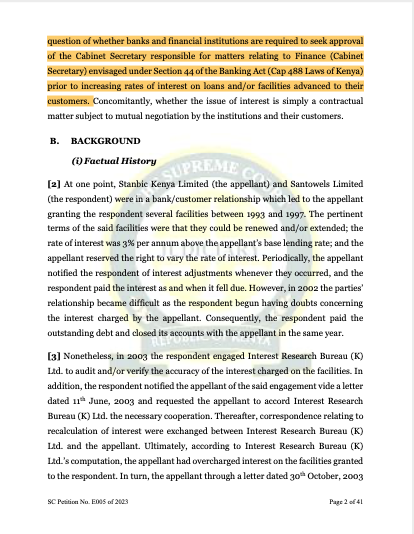
Interesting, & extremely consequential, judgement coming from the Supreme Court.
In its judgement on Stanbic Bank Kenya Ltd vs Santowels Ltd, the Supreme Court states that banks are required to seek approval of the Treasury CS before adjusting interest rates.
Musings:
· The Supreme Court is right, Sec44 of the Banking Act actually prescribes that no institution shall increase its rate of banking or other charges except with the prior approval of the Minister
· The issue that emerges for me is this. It appears the bench assessed Sec44 of the Banking Act purely from a bank-to-customer optic & not the wider fact that interest rates are actually a function of monetary policy as adopted by the Central Bank
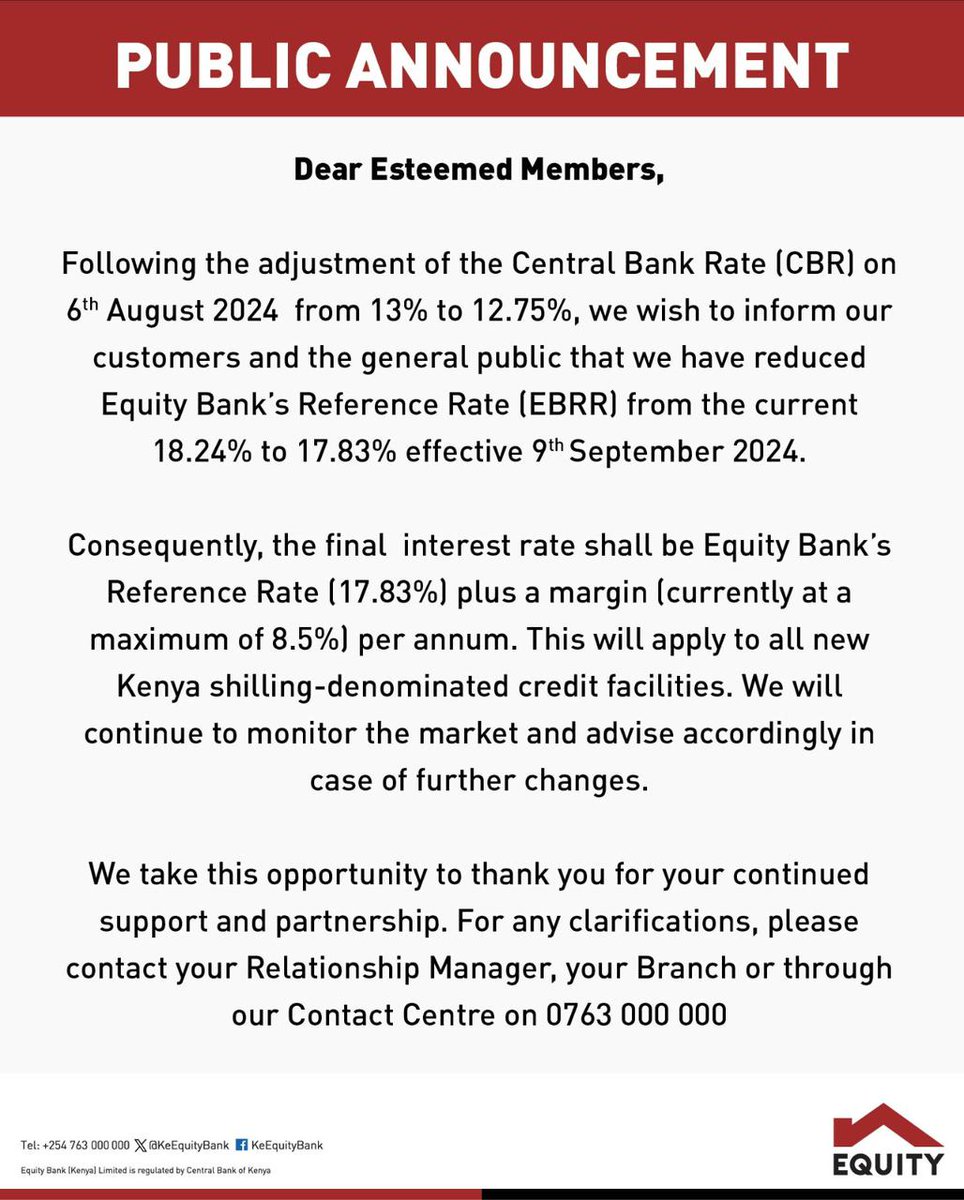
· What does the Supreme Court's judgement mean for conduct & power of monetary policy & its transmission? Banks adjust their rates guided by the signals coming from the Central Bank on the base rate
· The judgement, in my reading, assumes the Treasury CS will always be aligned with the decisions of the Central Bank & therefore there will not be any conflict. That is one huge assumption!
· In view of this judgement, what safeguards do we now have against interest rate controls seeing that what should organically take place following the decision of the Central must not be routed through the Treasury? We have been through rate caps & seen what they meant for the market
· Isn't seeking approval from the Treasury CS on interest rate adjustments an unintended constraint to the whole idea of risk based pricing?
This week, we are in the Alternative Justice Systems Conference in Kabarak University, Nakuru. We will be discussing alternative ways in which we can resolve conflicts among/between parties. Do you think it's possible to achieve justice using alternative means other than litigation?