Principal Investigator at @IMIB_RMurcia & @crh_MoralesIMIB. Previous Miguel Servet Researcher from ISCIII. Interested in thrombosis, hemostasis and cancer.
🚨 Thromboinflammation of cancer In an international collaboration, we identified a limited panel of proteins that predicted thrombosis in cancer. The primary hit was a protein that uncovered an IL-17a mediated endothelial activation pathway. https://t.co/qhVY4ISxgY
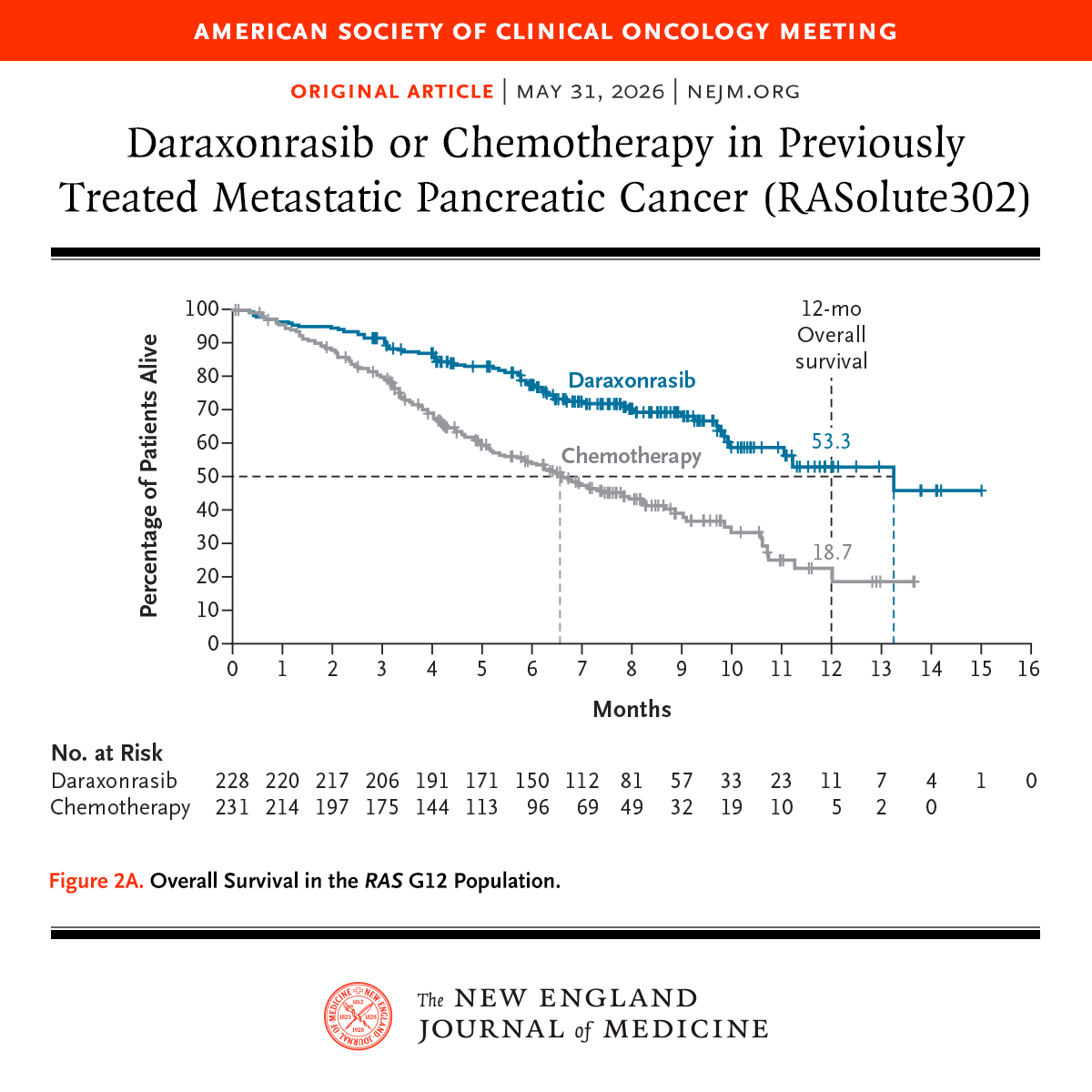
Presented at #ASCO26:
Among patients with previously treated metastatic pancreatic ductal adenocarcinoma, the RAS(ON) inhibitor daraxonrasib led to significantly longer overall survival and progression-free survival than chemotherapy. Full phase 3 RASolute 302 trial results: https://t.co/xwLWBZYRzq
@ASCO
💙 Hoy celebramos el día de la Investigación Hospitalaria, Felicidades a todos los que, con vuestro esfuerzo y constancia investigadora, transformáis la salud del mañana! 🔬 🧪 🧬
@ASEICAnews qué feliz me hace recibir este correo, gracias a la charla que di en el @JoseMtnzTornel. Gracias por la oportunidad de seguir formándome en liderazgo con este premio.
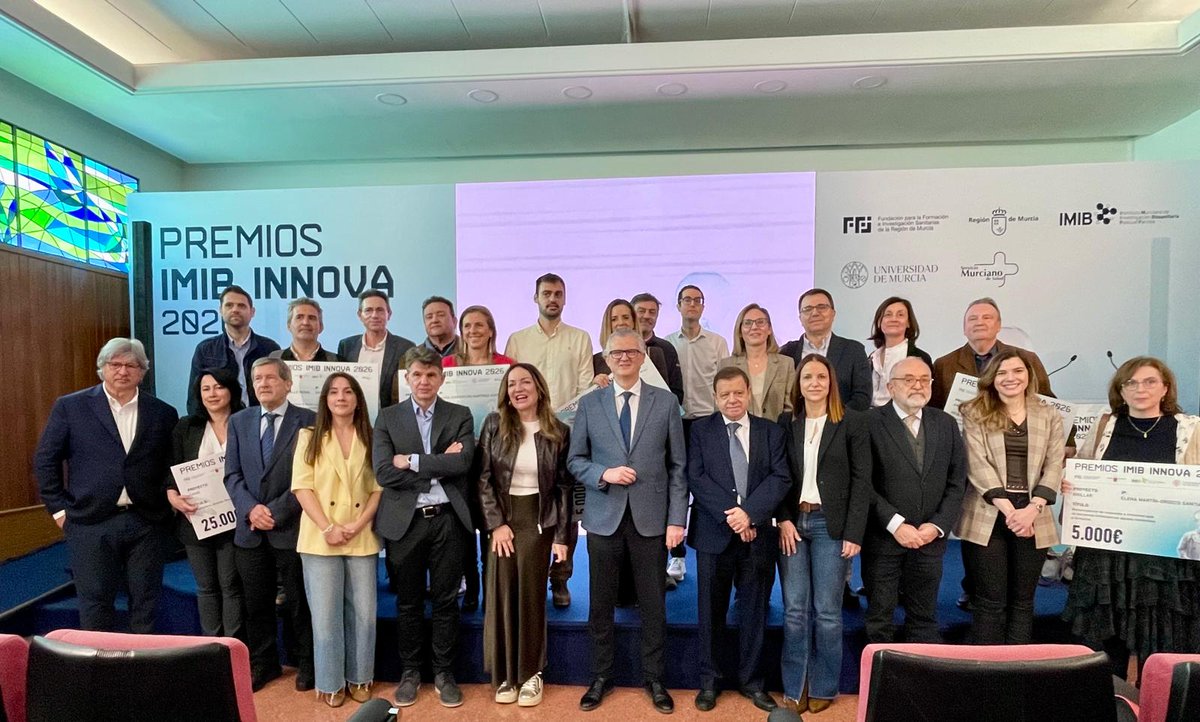
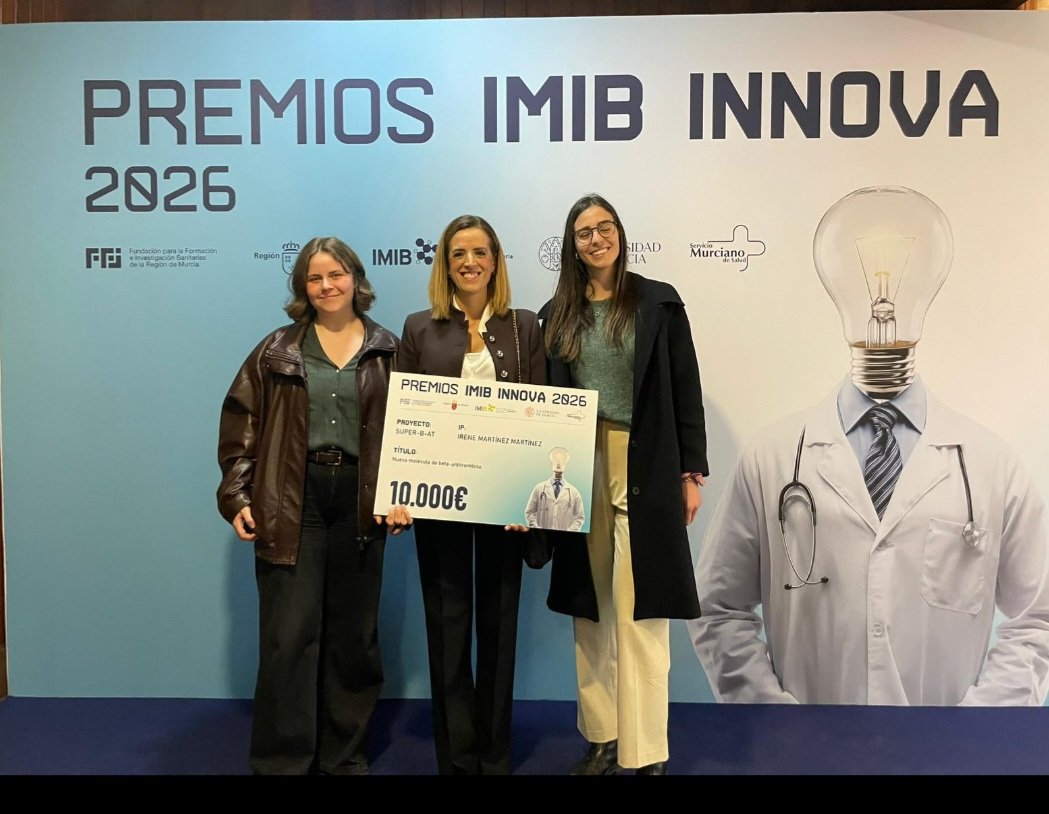
Enhorabuena a los compañeros de nuestro grupo, Irene @Ireneimmlgi y Constantino Martinez @miRNAteam_ que han sido premiados en la convocatoria IMIB INNOVA de @IMIB_RMurcia y @FFIS_CARM felicitación extendida al resto de premiados.
🚀🔬 La innovación que mejora la salud, protagonista en los Premios IMIB Innova.
Ayer celebramos esta gala, una iniciativa impulsada que reconoce los proyectos más innovadores orientados a mejorar la práctica clínica y la atención sanitaria en la Región de Murcia.
"Del ratón al fármaco hay años de trabajo y ninguna certeza de éxito". La bióloga Laura Soucek, que eliminó el cáncer de pulmón en ratones hace casi dos décadas, invoca el “deber moral” de no generar falsas expectativas tras el anuncio de Mariano Barbacid https://t.co/Jr49v1Qw7O
Además, en Cataluña los investigadores reciben formación específica durante semanas para preparar propuestas competitivas en las convocatorias europeas y en el NIH. Inversión que retorna claramente a la comunidad. @lopezmiras@JMVRUM
@torralba59: Un magnífico análisis del origen e impacto (científico y económico) del programa ICREA. 25 años de visión de futuro y buena gestión.
@IdiazAyuso y @ComunidadMadrid: miren las estadísticas 🤦♀️
https://t.co/Qxv0tjjPn4
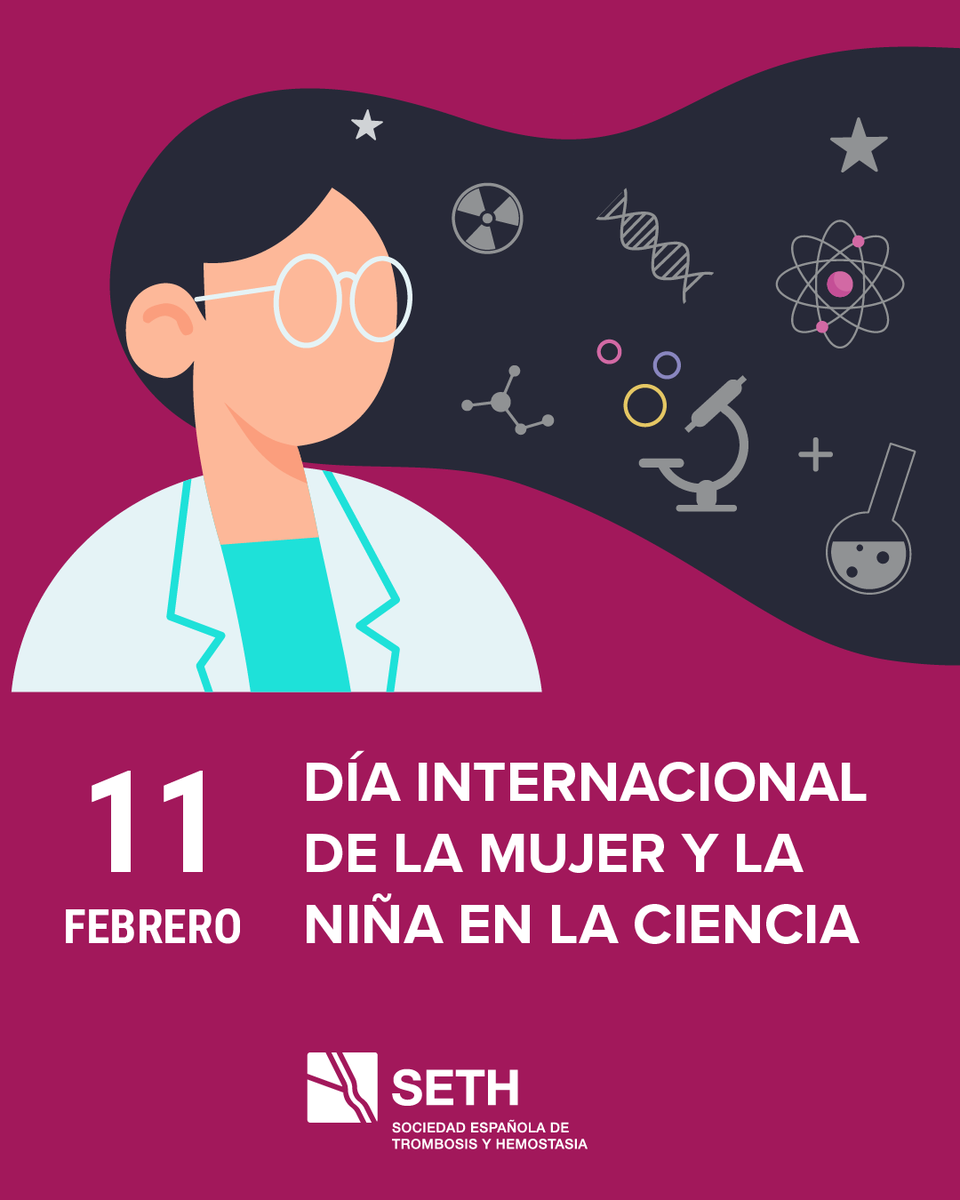
✨👩🔬 #DíaInternacionaldelaMujerylaNiñaenlaCiencia
🔬La investigación y la práctica clínica en trombosis y hemostasia cuentan con el liderazgo y el talento de muchas mujeres que impulsan el avance del conocimiento, la innovación terapéutica y la mejora de la atención a los pacientes.
💜Hoy es una oportunidad para reconocer su contribución y para seguir inspirando a nuevas generaciones de niñas interesadas en la ciencia y la salud.
#MujerYNiñaEnLaCiencia #SETH #SETHemostasia #Trombosis #Hemostasia #11F #MujerYCiencia #STEAM
👩🔬 Hoy, #11F Día Internacional de la Mujer y la Niña en la Ciencia, desde @ANIH_1 queremos visibilizar el papel de las mujeres en la investigación. La #ciencia nos necesita a toas, niñas, jóvenes y mujeres, liderando el cambio. 💪🧪👩🔬🧬 #investigacion
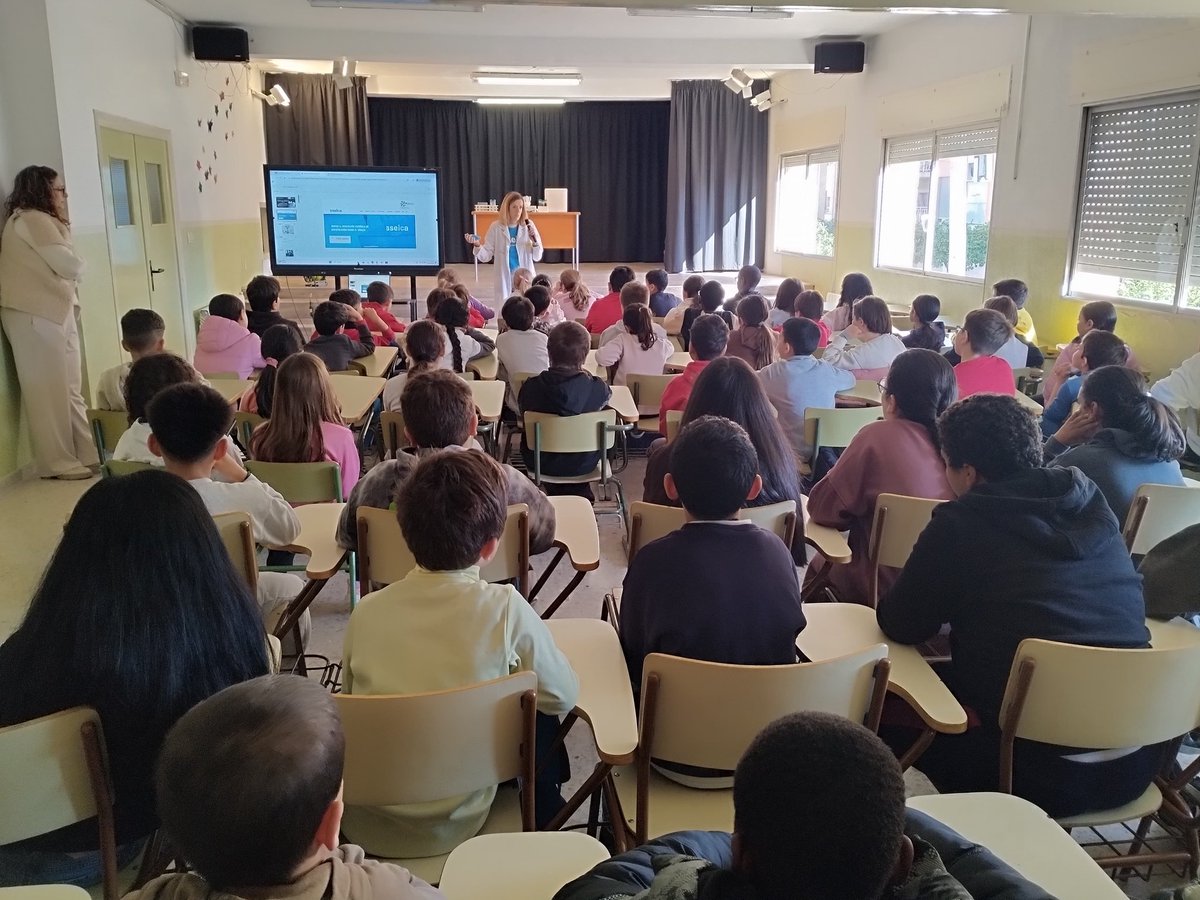
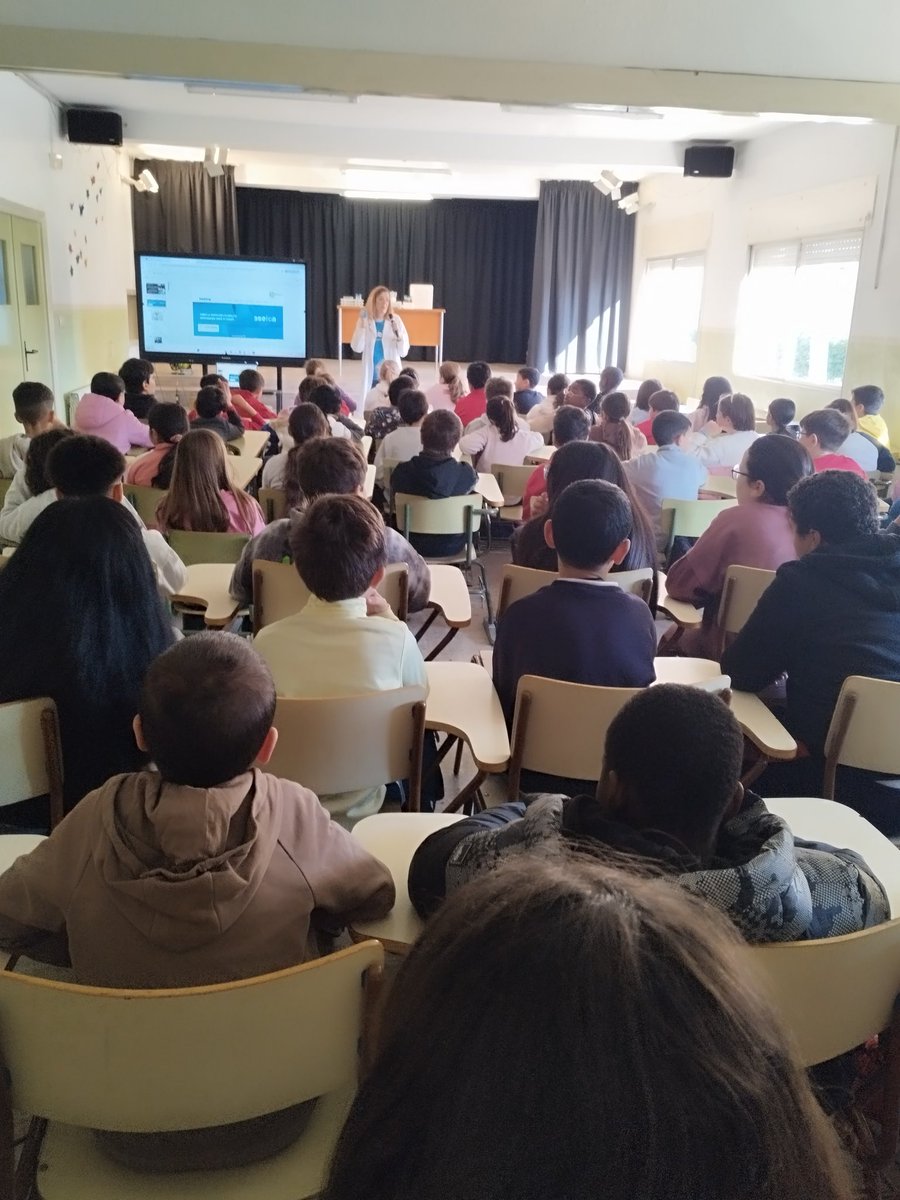
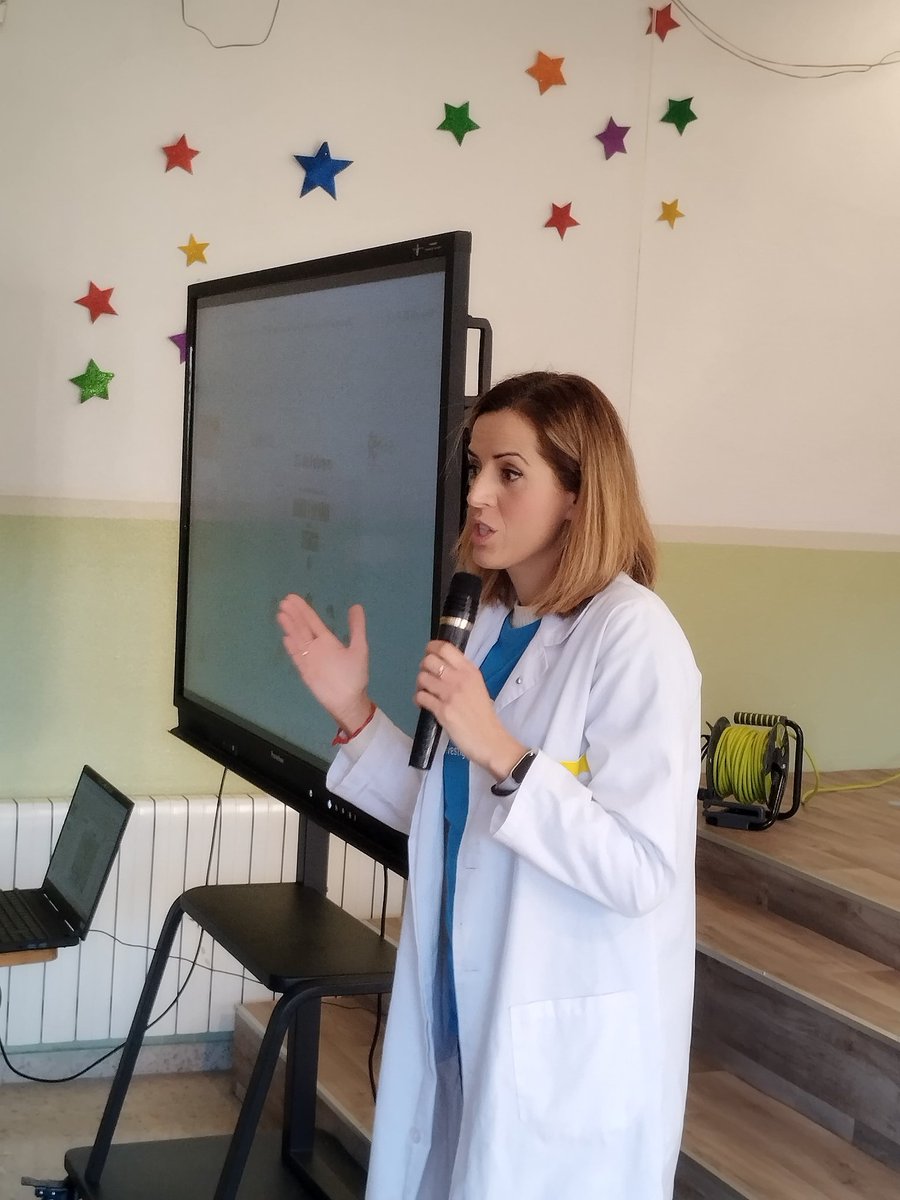
Con @ASEICAnews, he acercado la ciencia al cole @CeipTornel, donde han conocido el trabajo de una científica, hemos hecho experimentos, y teatro para simular cómo funciona el sistema inmune, las células "malas" y nuestros avances para combatirlas. #Diadelamujerylaniñaenlaciencia
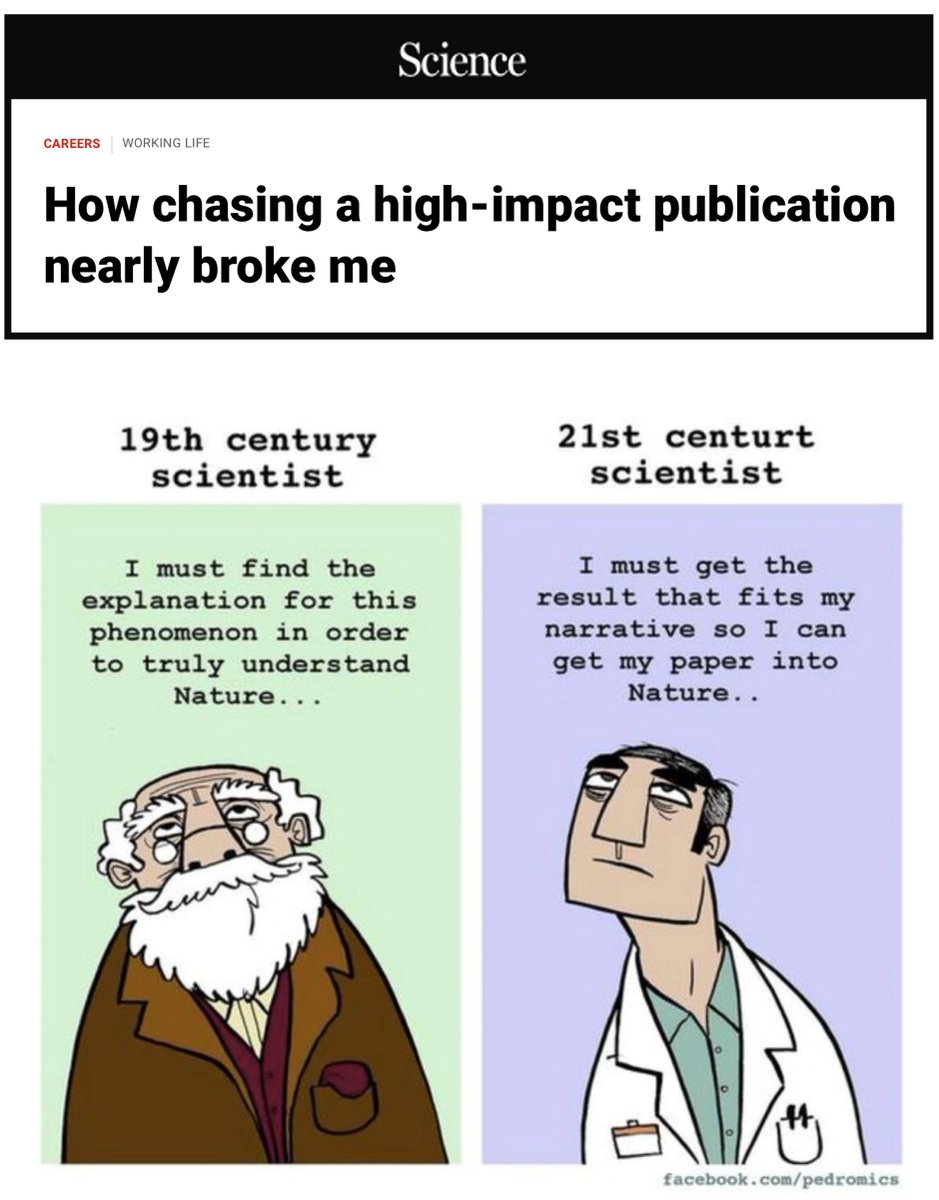
High-impact papers are crucial in academia.
Like it or not.
As a PhD student, you quickly learn that such papers are cool. They make advisors happy. Everyone admires you.
During a postdoc, high-IF papers are not just cool. They are mandatory for a PI job. They give you awards and interviews.
During the tenure track, they often become your ticket to a permanent position. Many young PIs are fighting to get their papers published in Nature/Science/Cell. It’s like getting a micro-Nobel prize. Many feel relaxed only when they publish in Nature (their tenure is finally safe!).
But:
Because such papers require a lot of time (often years), you live in constant uncertainty.
You HOPE you will get it. You spend evenings at work, you look for stronger results, and you’re battling through a battalion of failed experiments.
Then you submit it…
Then:
Stage 1. Editors reject 9/10 papers. Yours might be among them.
Stage 2. The paper goes to reviewers but they are brutal. For some reason (and you know why!) they just don’t want to see your paper in Nature. Many papers get rejected in the first round.
Stage 3. If reviewers can’t come up with reasons to kick you out immediately, they will request a lot of new experiments and changes to your work. Obviously, that will take months (if not years). Of course, some reviewers are great and genuinely help improve your work. But they are not as common as you might hope.
Stage 4. After addressing all problems and submitting it again, you will likely see some reviewers still resisting. They can simply reject your paper because they didn’t like how you addressed their requests. Or they will find new flaws and will get you to do another round of revision. (If you’re lucky, they will accept the paper.)
Stage 5. If reviewers are divided between “accept” and “reject”, the editors may send your paper to additional reviewers. That will start another cycle of hell with a likely negative outcome.
Stage 6. If you are rejected, congratulations - you’ve just wasted months on nothing. But because you need that paper, you resubmit it to another high-IF journal, and it all starts with Stage 1.
So, it’s like gambling.
You gamble your career on this publication.
During those 6–24 months of fighting with reviewers and editors, someone else may publish the same work. Then you’re screwed.
Or your paper is likely not accepted in any high-IF journal. After loosing a year or more on trying to push it through, you will have to publish it in a low-IF journal.
Is it a healthy game?
No. You get exhausted. Anxiety skyrockets.
But unfortunately that’s how academia works. I’ve been through this myself. Most of my colleagues have the same experience. We definitely despise it.
And the worst part of it?
We’ve started to see it as completely normal.
���Presentan demanda colectiva para la equiparación laboral de Institutos de Investigación Sanitaria de Euskadi con el Servicio Vasco de Salud-Osakidetza, como marca la Ley de la #Ciencia.
Apoyo total desde @ANIH_1 a esta justa demanda!! 💪#investigacion
https://t.co/shudcbu8bc
Desde ANIH queremos desearos una Feliz Navidad y esperamos que el próximo año tengamos mejoras en nuestras condiciones laborales para poder seguir trabajando con ilusión en mejorar la vida de los pacientes.
“La Marisol científica y la Marisol paciente”.
La esperanza y la preocupación, la investigación y la defensa de las personas afectadas… la dualidad de saber y a veces querer olvidar.
La vida misma.
#SinCienciaNoHayFuturo@ASEICAnews@CNIOStopCancer
https://t.co/bVkXMbrtay