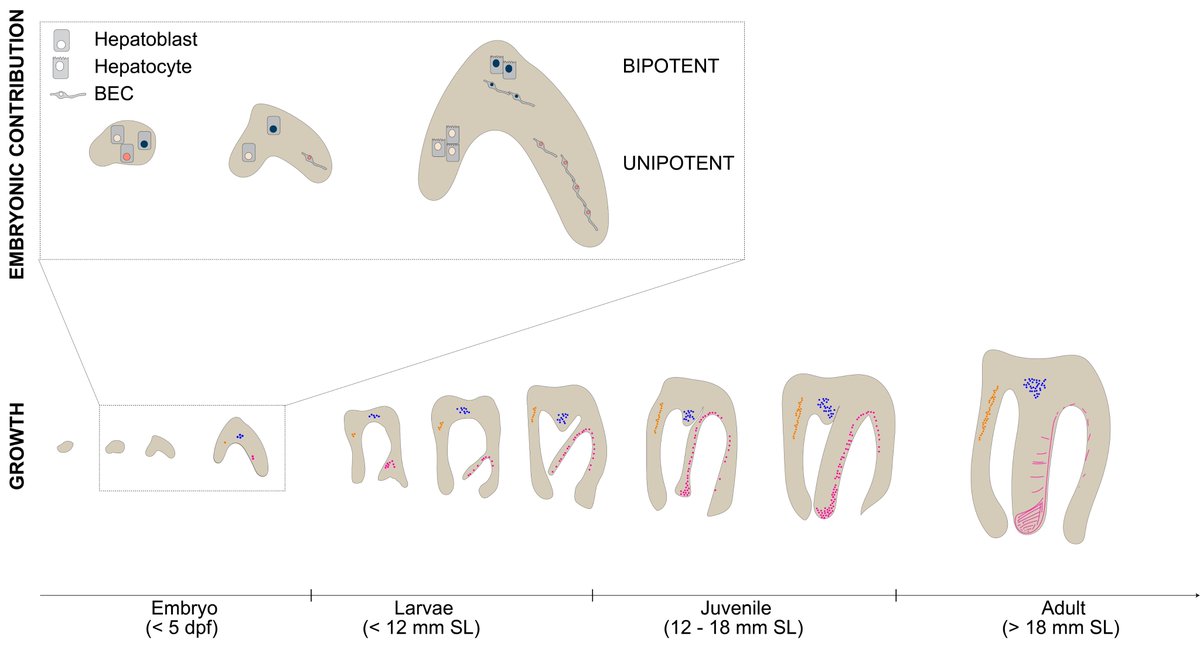
How do liver progenitors contribute to the functional organ? Happy to share this work, in which we used lineage tracing in the zebrafish 🐟 liver to study the contribution of individual liver progenitors to the different cell lineages and postembryonic organ growth🧵👇 (1/10)
.@iris_unterweger &co map the dynamics of #liver development in #zebrafish, revealing how heterogeneous progenitor contributions in early #embryo shape the #CellType proportions of the tissue architecture and size of the adult organ. #PLOSBiology https://t.co/UlL00doXik
Together, our work shows that heterogeneous progenitor contributions to tissue architecture-defining cell type proportions and postembryonic organ growth are key mechanisms forming the adult liver.
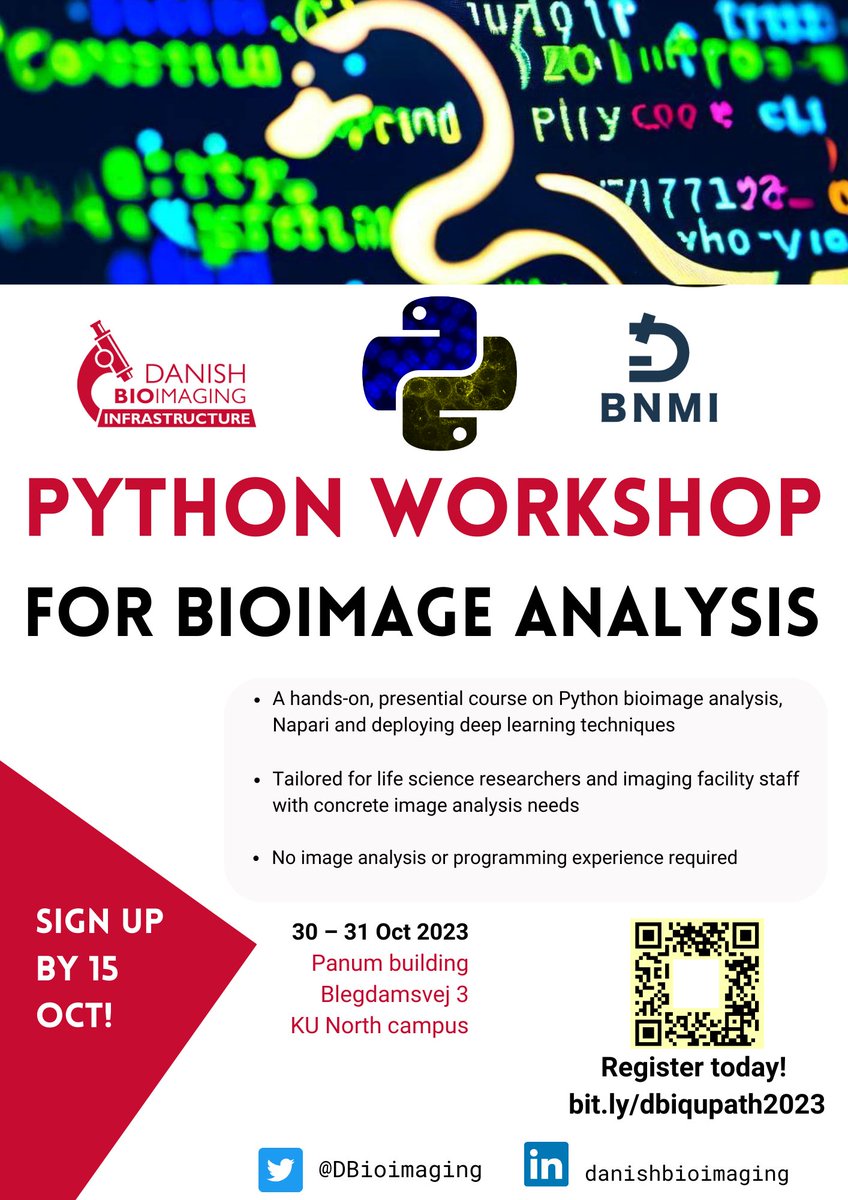
Python for BioImage Analysis workshop! Registration open!
🔴 https://t.co/giwv2VQ8hZ
Sign up for this 2-days workshop organised by @DBioimaging Image Analysis Core Facility 30 and 31st October in Copenhagen. 25 seats available!.
It is for free, but you need to reserve your seat
At #celldyn2023, @iris_unterweger described their use of FRaeppli, a multispectral imaging toolbox, to determine hepatoblast potential and how they contribute to the adult zebrafish liver.
FRaeppli📖@Dev_journal: https://t.co/faoMgF2DEA
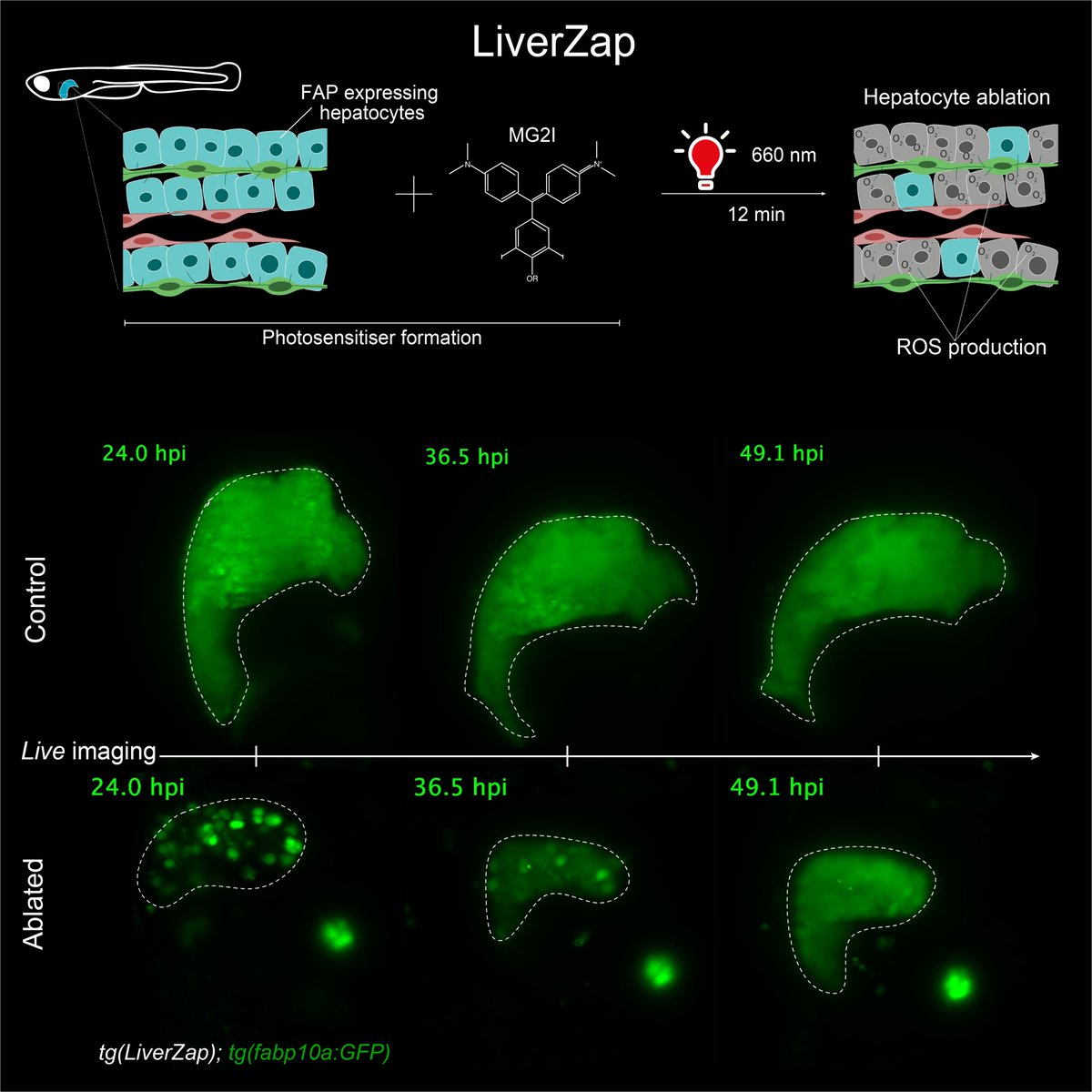
We are excited to share the newest preprint from our team!
LiverZap: A chemoptogenetic tool for global and locally restricted hepatocyte ablation to study cellular behaviours in liver regeneration https://t.co/YStnx24t3v
I am very excited to share the preprint I worked on during my PhD in the group of Elke Ober with great collaborators @JulieKlepstad, @EdouardHannezo, Pia Lundegaard and Ala Trusina!
https://t.co/ZbZBylS09X