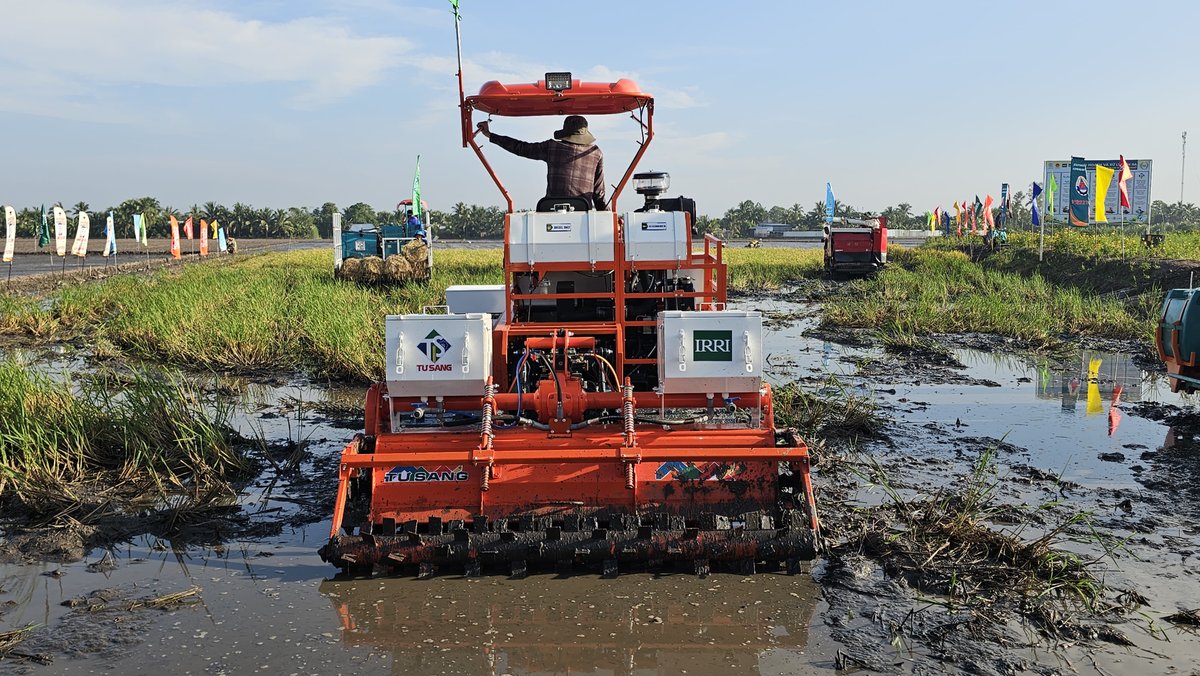
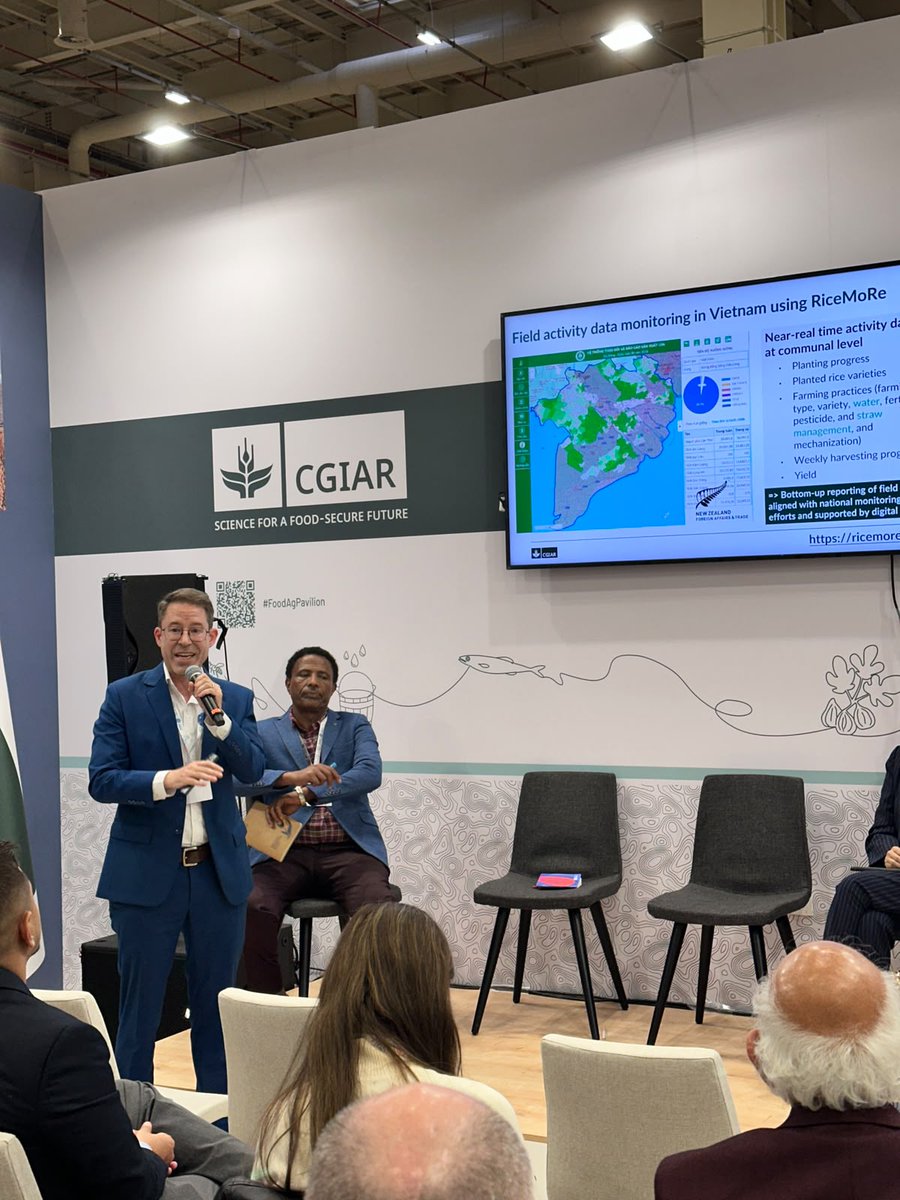
At the 2nd Viet Nam International Rice Festival in Can Tho, IRRI and its partners showcased mechanized direct seeded rice with fertilizer deep placement.
Learn more about Mechanized Direct Seeded Rice & Fertilizer Deep Placement in Vietnam: https://t.co/455shoE2Sj
What’s next for low-GI rice in the Philippines?
From quality seeds and field demonstrations to market studies and quality standards, the Low GI Rice project led by the DA-PhilRice, supported by IRRI, is working to make this healthier rice option more available in PH markets.
What should the green transition actually deliver for farmers, food security, and economic development?
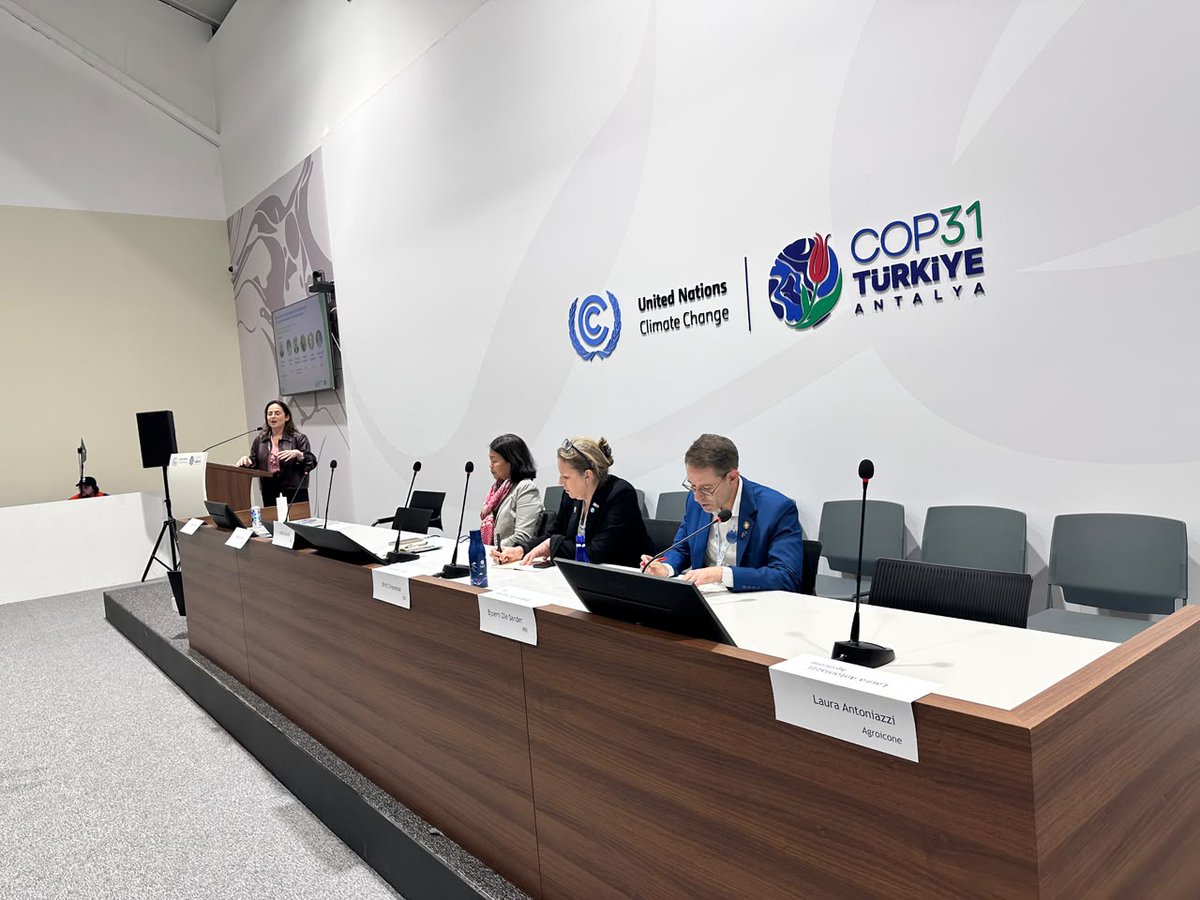
At COP31, IFA, IRRI, and EDF convened an official side event to examine what a green transition in agriculture means in practice.
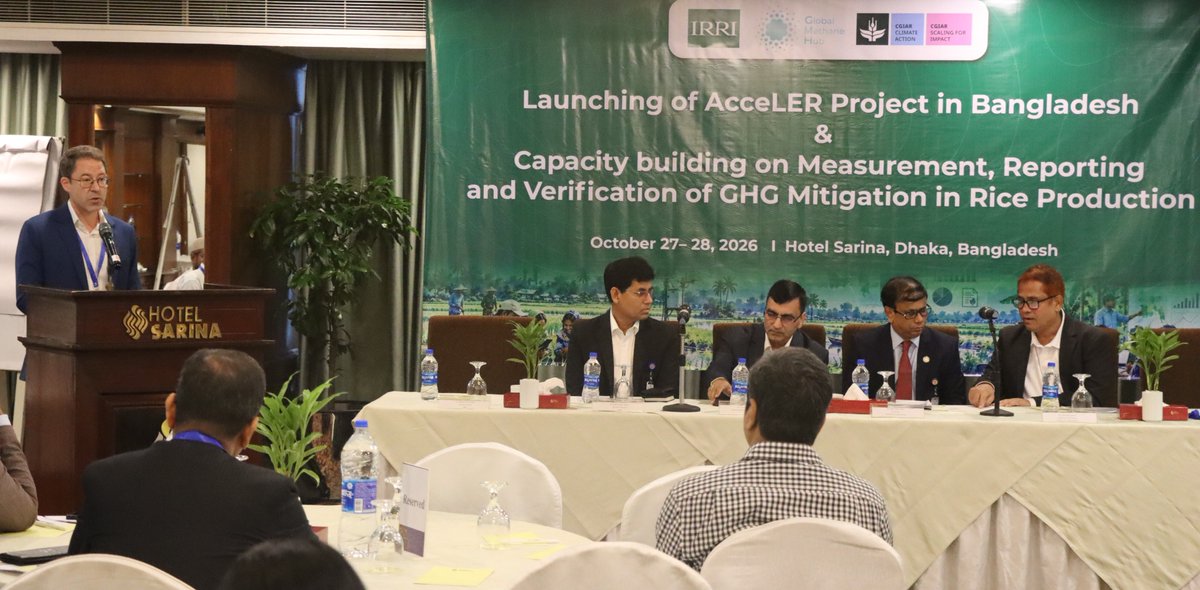
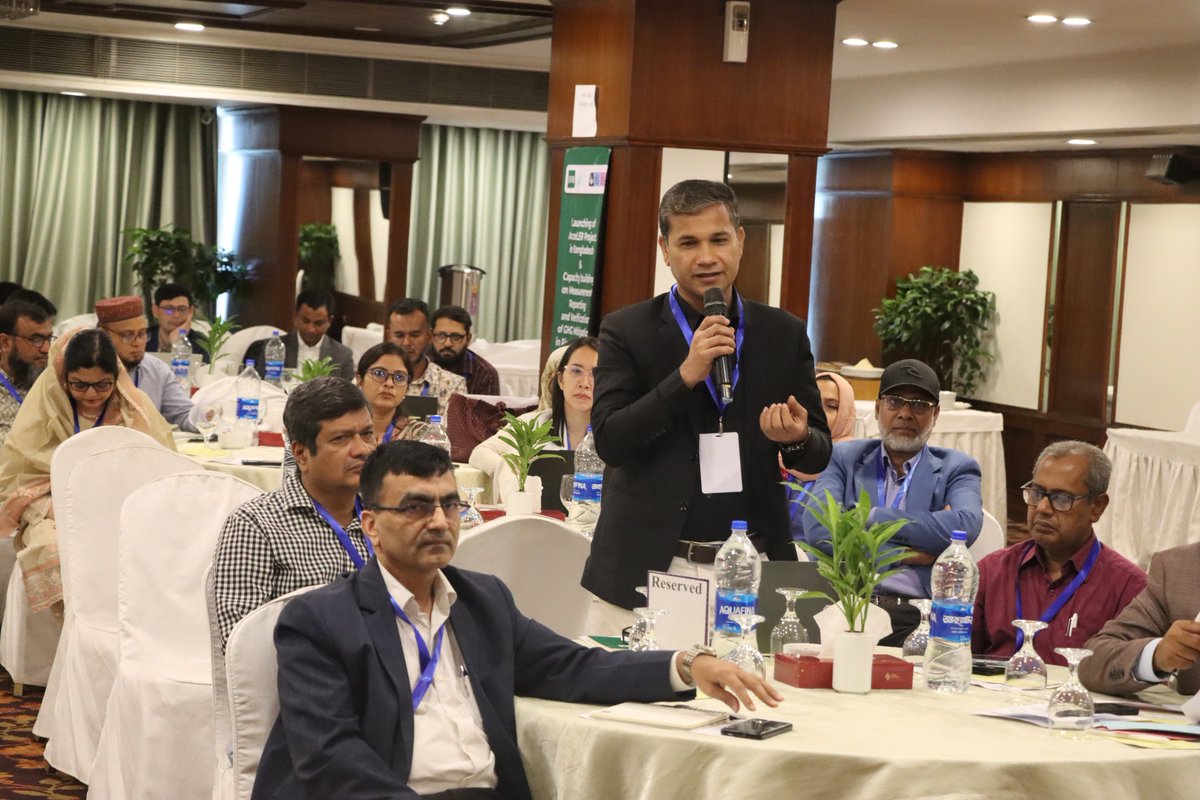
In 🇧🇩, IRRI has launched Accelerating the Scaling of Low-emissions Rice Production in South and Southeast Asia, a Global Methane Hub-funded initiative that supports countries in developing & implementing roadmaps for rice-sector methane reduction.
🔗https://t.co/301tSXgQOr
At the West Africa Integration & Investment Summit, Dr. Yvonne Pinto joined the plenary session Food at Scale – Investment Opportunity. She highlighted that IRRI stands ready to support Africa's rice transformation to help turn the region’s rice ambitions into results.
Rice Today: From farm service provider to DSR entrepreneur, Meet Om Prakash Yadav, who turned an investment in a Step Seeder into a new business opportunity in eastern Uttar Pradesh, India.
Read more: https://t.co/jArSnZ9RKJ
A review of three decades of rice research in Cambodia has been selected for the Crop Science Society of Japan’s (CSSJ) 24th Best Paper Award, reflecting how research advancements have helped transform the country's rice sector.
Read more: https://t.co/cWLkb048sl
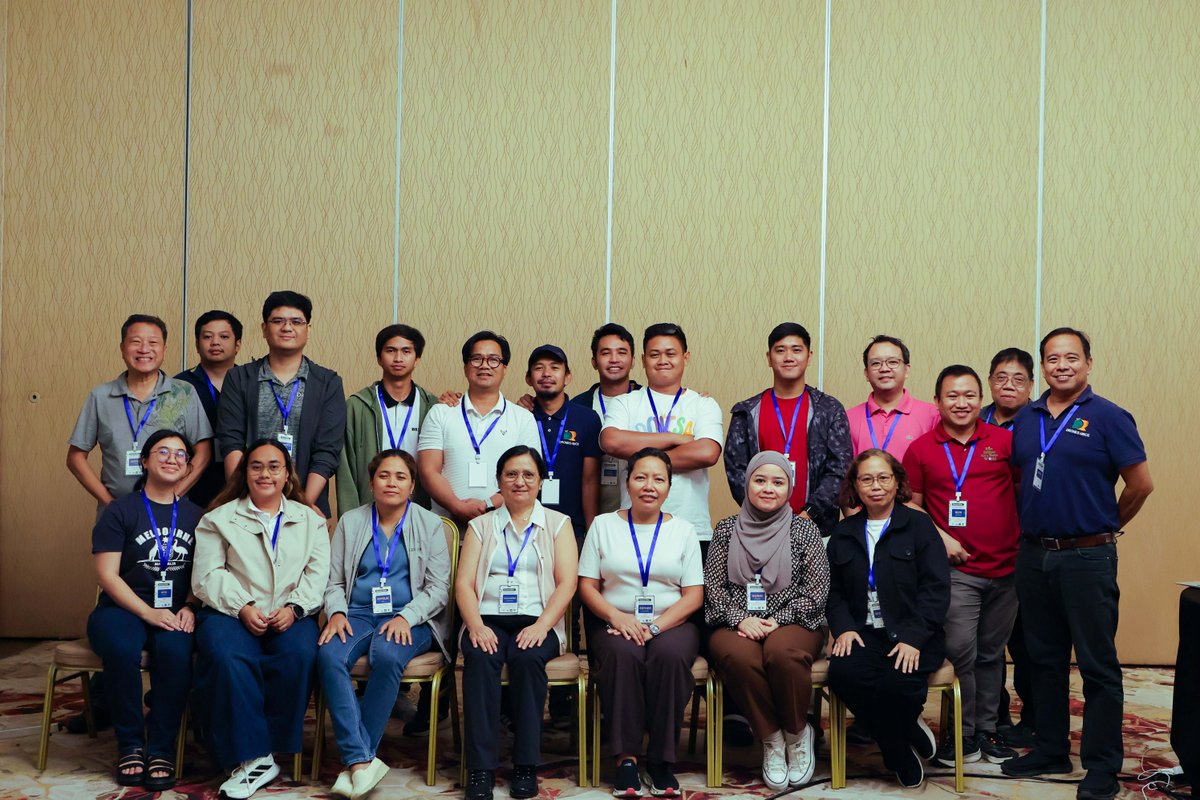
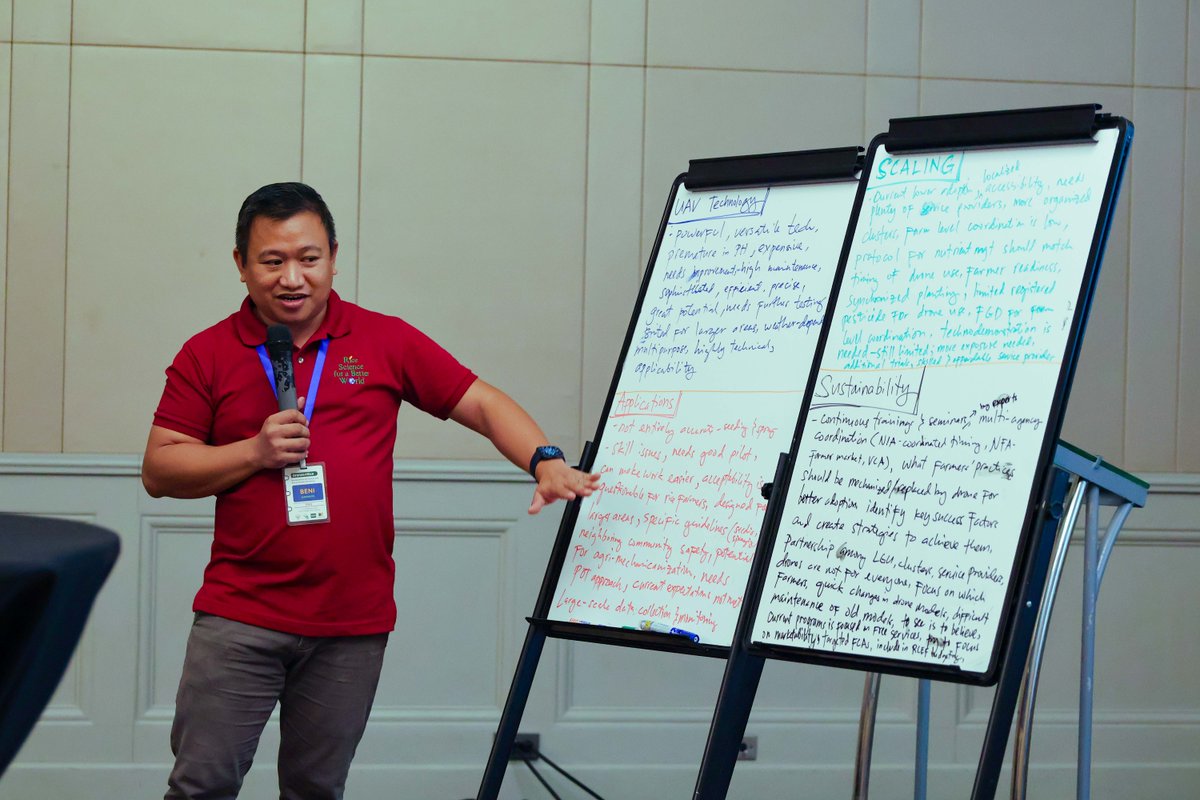
From 16-18 Nov, partners come together at the Drones4Rice Sustainability Writeshop to plan how project progress & lessons will be carried forward, identify institutions that will continue & build on the work, & refine evidence-based policy recommendations.
https://t.co/yGCjKavVz9
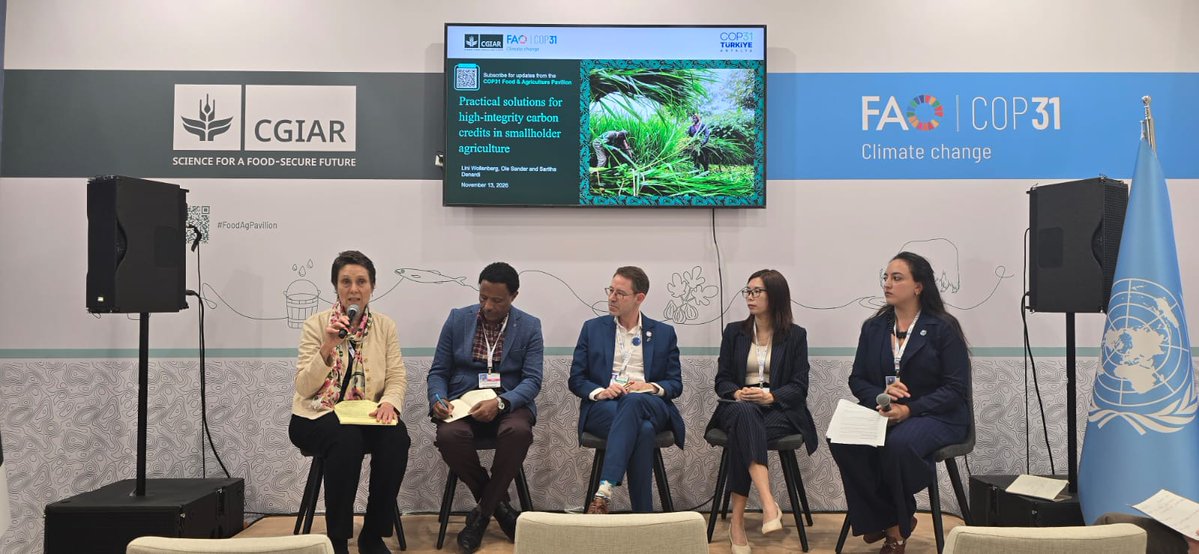
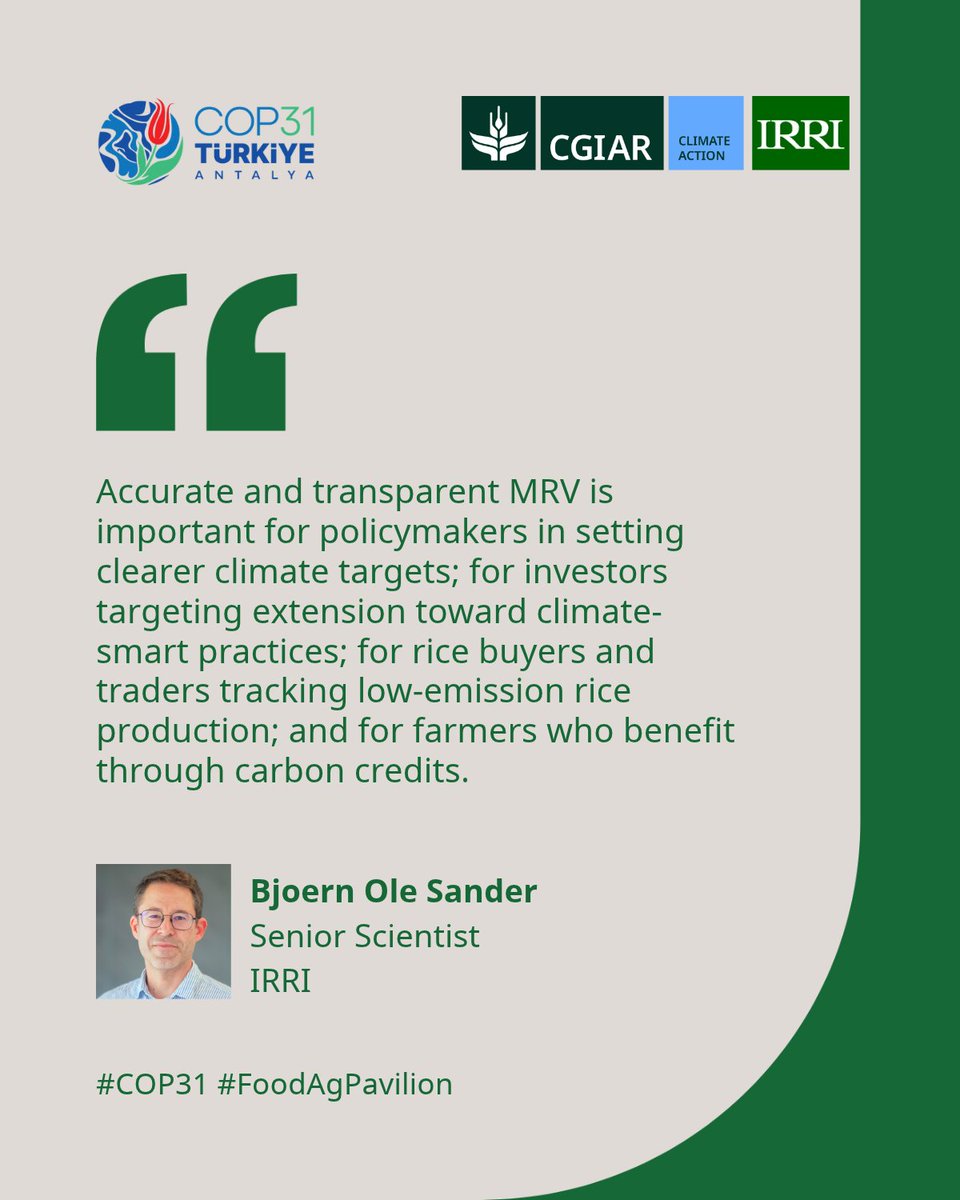
At COP31, IRRI's Ole Sander highlighted how ground-based monitoring, satellite data, & emissions modeling can improve accuracy of MRV in rice production & lower costs. These approaches can help identify emission patterns, guide targeted interventions, & strengthen the evidence.
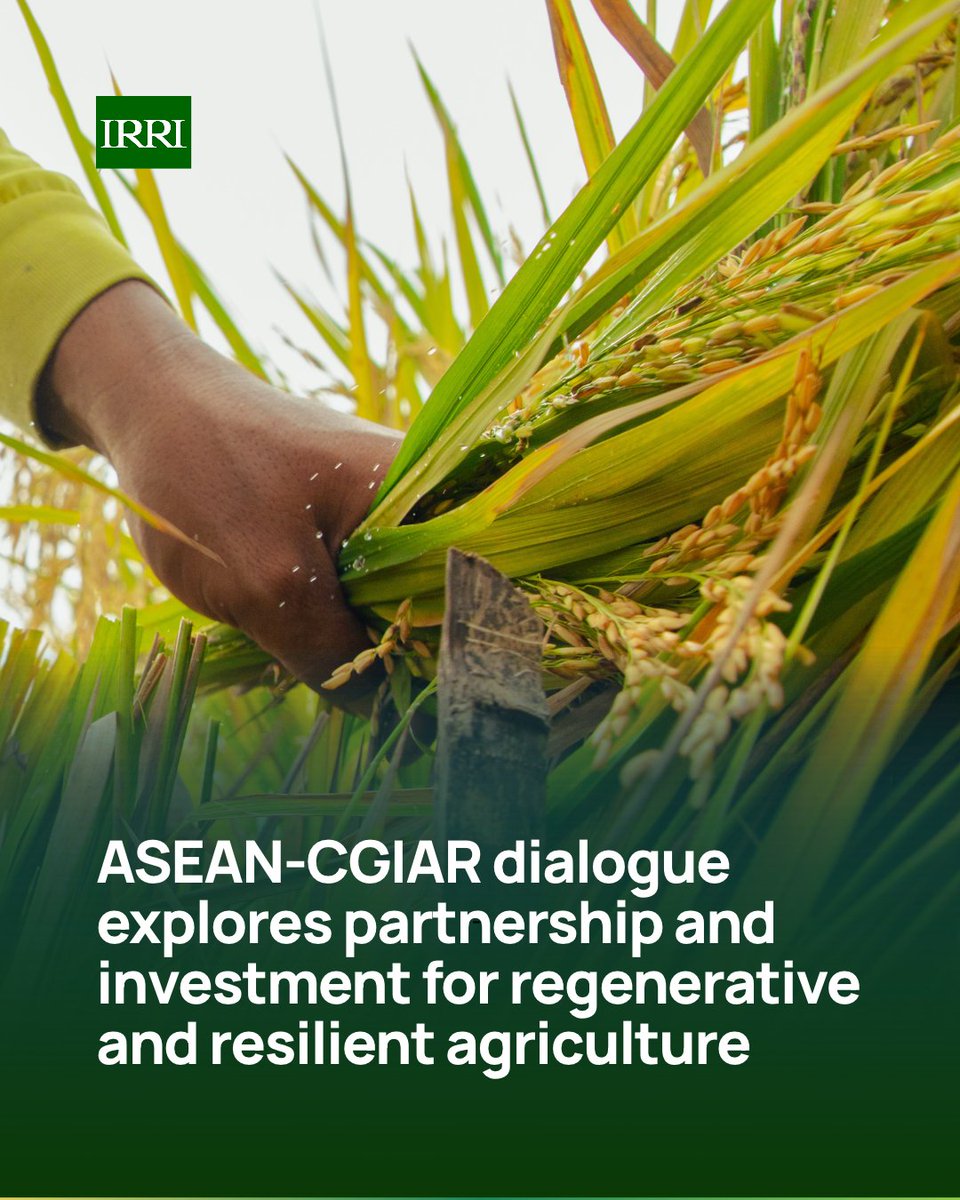
At the ASEAN-CGIAR dialogue in Phnom Penh, government officials, development partners, & CGIAR researchers explored how regional expertise and investment could support country priorities and help partners accelerate the uptake of promising innovations.
🔗https://t.co/YO9G73NYT0
At the Mekong Delta, diplomats met with farmers, cooperative leaders, and researchers to discuss how women’s leadership roles contribute to mitigating climate risks that affect rice production and rural livelihoods.
Read more: https://t.co/vnBpa00Qv7
HAPPENING NOW: Representatives from NARES, regional research networks, and development partners from seven Southeast Asian countries are taking part in the ASEAN Agrifood Convening: Rice and Priority Crops for Secure Agrifood Systems, hosted at IRRI Headquarters.
To support the safe & responsible devt of improved rice varieties, the DA-BPI & IRRI are strengthening expertise in biotech. A workshop at IRRI’s GETL introduced staff from BPI’s BCT-PBI to genome-editing techniques, lab methods, & biosafety practices.
🔗https://t.co/27wiv92zNL
Farmers in Tangail, Bangladesh are taking an active role in evaluating climate-smart rice technologies and strengthening community-based seed production, helping identify practices suited to local farming conditions and improve access to quality seeds.
🔗https://t.co/T32ea5Tr2z
In the Philippines, local officials and development organizations are closing gaps through Socio-Technical Innovation Bundles (STIBs), which integrate tech innovations with social practices & accelerators for sustainable and resilient agri devt.
🔗https://t.co/NfjYsuqAcL
Happy to share our new paper in Environmental Challenges with colleagues at @irri and Can Tho University (CTU)!
We compare risk-adjusted farm income across rice and rice–shrimp systems in Vietnam’s Mekong Delta.
Thanks to all co-authors!
https://t.co/pwpsDPi5DF
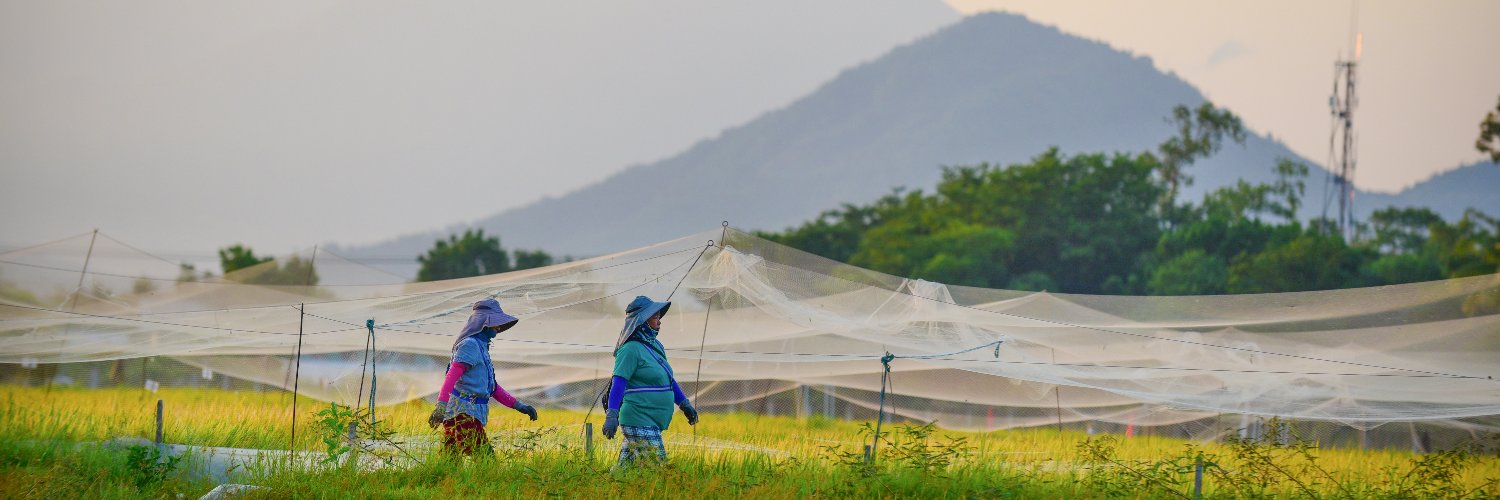
Rice paddies emit about 8% of human-caused methane. In Viet Nam, @CGIAR and @irri tested a prototype that sows rice seed into dry soil. It used up to 50% less water, with 30% lower emissions.
Learn more: https://t.co/N77RVPXNxC
#CGIARatCOP31
Join us at COP31! Rio Synergies in Action
This session aims to present policy and investment approaches that could jointly address climate action, biodiversity, land restoration, food security, inclusive land-use planning, and financing.
Watch here: https://t.co/dG4EBwoNgt
You are invited to Delta Talks 21: AMD-WUR Webinar Series
This session will discuss "Misreading climate change in the Ganges-Brahmaputra-Meghna Delta," exploring research findings aimed at securing food systems in the AMDs.
Sign up here: https://t.co/shplg5Rfqi
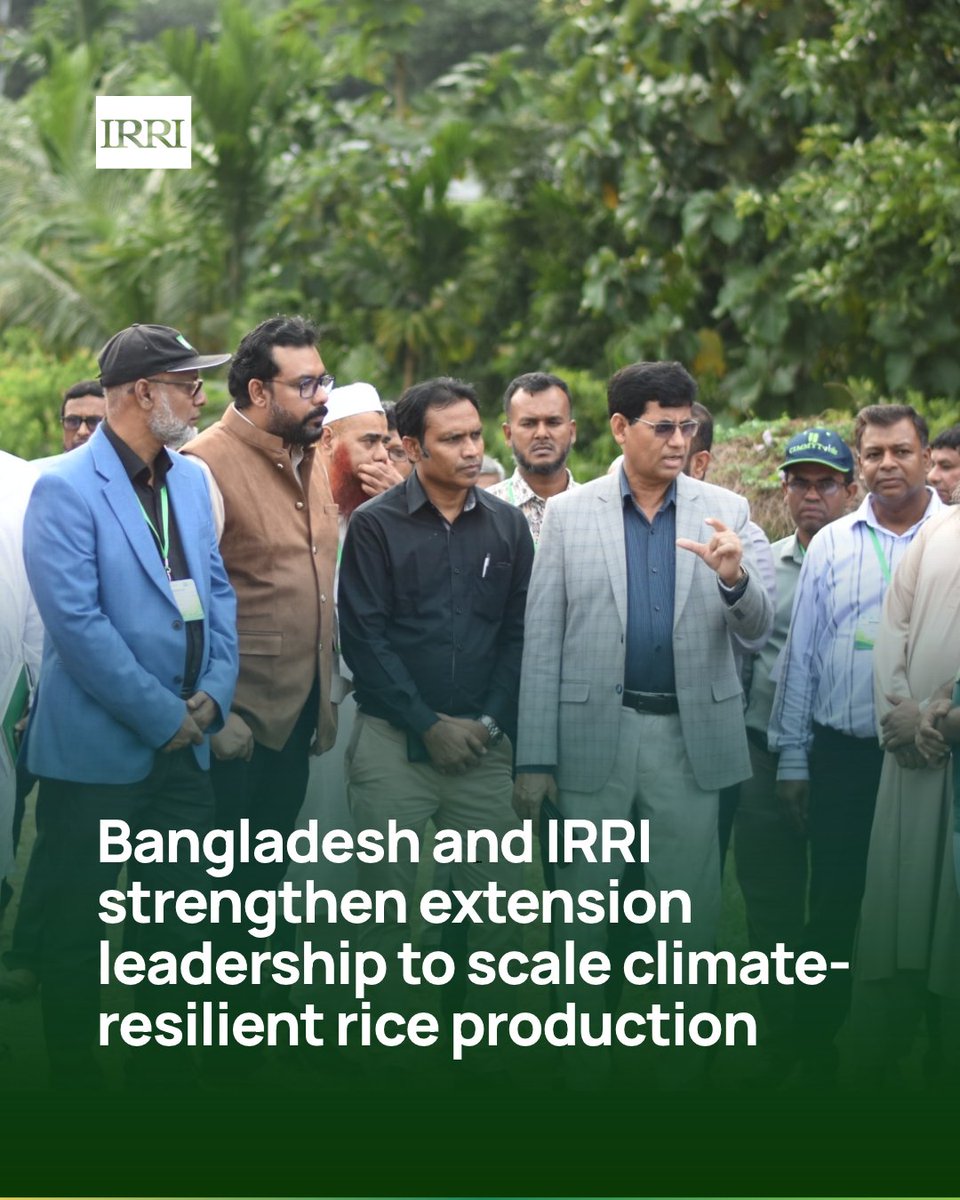
In Bangladesh, DAE & IRRI gathered senior agricultural extension officials for a National-Level Master Trainers Training under the TARAPS project to strengthen their knowledge of climate-resilient technologies and sustainable rice production.
Read more: https://t.co/2VkStXpmpd