@LFFstubs Lemme give it a shot: Does anyone have a ticket/s available for 'ONE WOMAN, ONE BRA': Sat 11/10 or both Sun 12/10 screenings? Please & thanks. https://t.co/F4MXicNceI
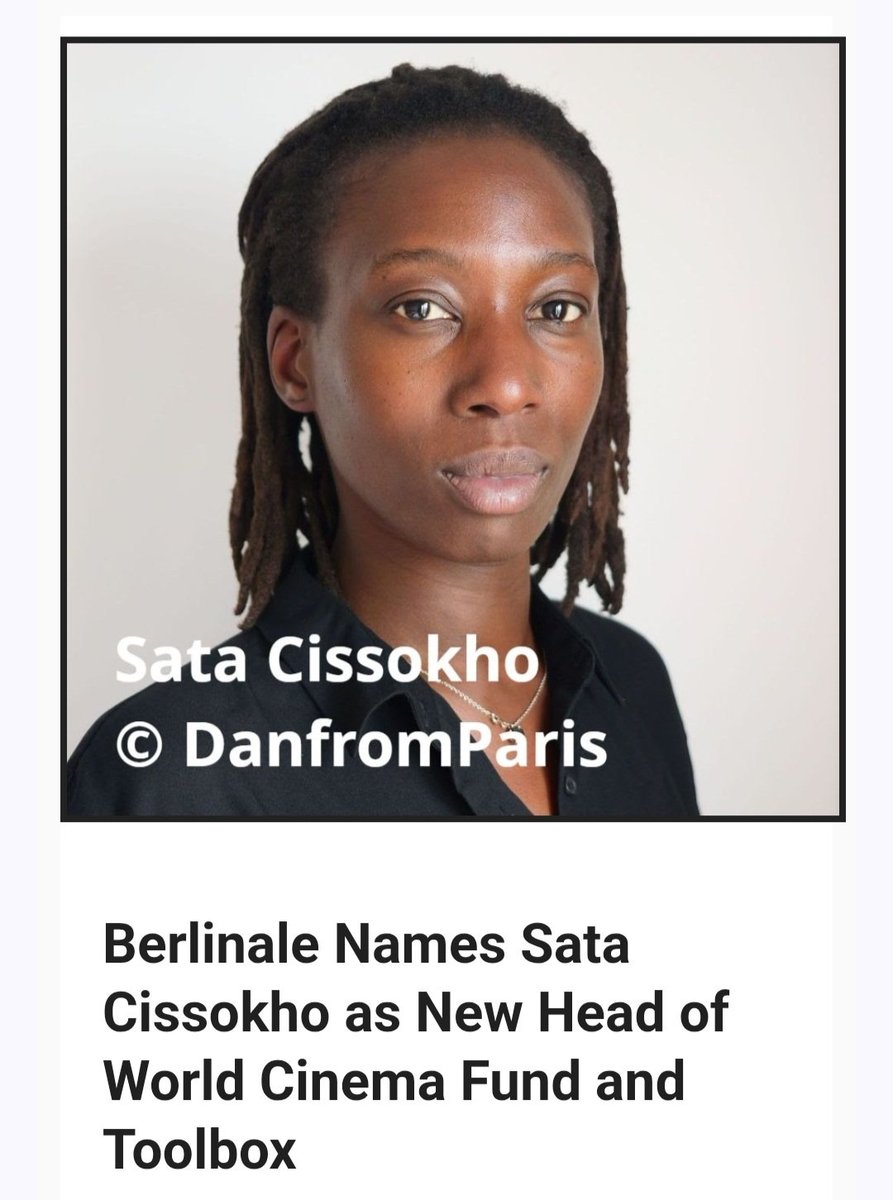
🗣 The Berlinale has appointed Sata Cissokho to oversee both the World Cinema Fund and the Toolbox Programme.
She begins with Toolbox immediately while Vincenzo Bugno completes his 21-year leadership of the WCF by the end of 2025.
The move brings two of the festival’s global initiatives—funding and training—under one leadership ahead of Berlin 2026.
It's been a very hectic first 3 days at Cannes this year. More conversations, meetings, panels, receptions, and other functions than any other year I've been physically present. But plenty learned in the process, new connections made, etc. Here's what I've captured so far...
Sembène Meets Singleton (1993): A Pan-Africanist, Cross-Generational Dialogue on Black Cinema's Future
Excerpts from the 1994 documentary "Sembène: The Making of African Cinema," directed by Manthia Diawara and Ngugi Wa Thiong'o.
It captures a 1993 conversation between Senegalese African cinema pioneer Ousmane Sembène and African American filmmaker John Singleton—on the heels of his critically acclaimed feature film debut "Boyz n the Hood" (1991).
The meeting of minds took place at FESPACO, in Ouagadougou, Burkina Faso.
Despite a 45-year age gap and at vastly different career stages at the time, the exchange shows how recurring themes like creative independence, the challenge of representation, and systemic barriers, connect generations and cross borders in African and diasporic filmmaking.
Three decades later, their pan-Africanist discussion continues to be relevant—better for the insights; worse for the frustrating persistence of the same challenges.
Watch.
🎬🎬🎬
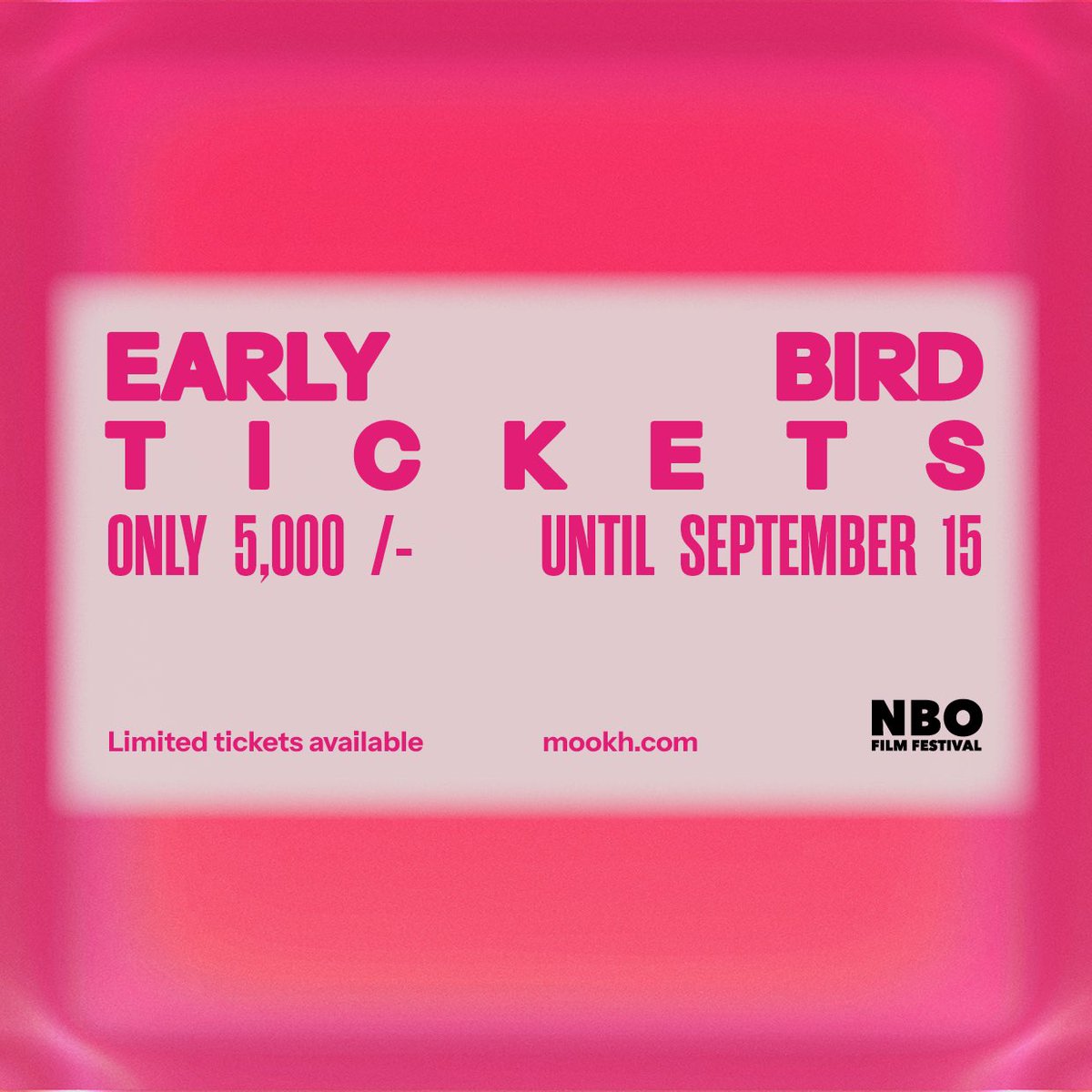
The countdown to NBO Film Fest 2024 has begun, and we've got something special just for YOU! 🥳🥳
Our Early Bird Tickets are officially live and you can purchase them on @MookhAfrica
Tell a friend to tell a friend!
https://t.co/lPZED9MWTQ
Venice 2024: Increasing Spotlight on African Narratives
Historically, I haven't looked to Venice as much of a host for African stories. However, recent years have seen a notable increase which aligns with worldwide festival trends.
The 81st Venice International Film Festival, which is already underway, ends September 7, 2024.
It includes several African and diaspora narratives across its various sections and associated programs.
[Akoroko Premium subscribers continue to receive coverage from the festival, including film reviews. Link in bio]
Here's a trailer for one of the titles, a Biennale College Cinema selection from Ghana titled "The Fisherman," written and directed by Zoey Martinson.
The story follows Atta Oko, a retired traditional Ghanaian fisherman forced into an unlikely partnership with a modern, talking fish. Together with his quirky associates, Atta Oko pursues his dream of owning a boat while contending with the challenges of the modern world.
Main Cast: Ricky Adelayitar, Endurance Dedzo, William Lamptey, Kiki Romi, Dulo Harris.
Production: Luu Vision Media (Kofi Owusu Afriyie, Korey Jackson)
@Lynnbrooklyn Terribly tragic
😥
This particular phase of LGBTQ hate was hatched last April in Entebbe, Uganda at a conference attended by 23 African countries, including Ghana. 1 of the main supporters of that conference was Arizona based evangelical Christian organisation-Family Watch Intl.
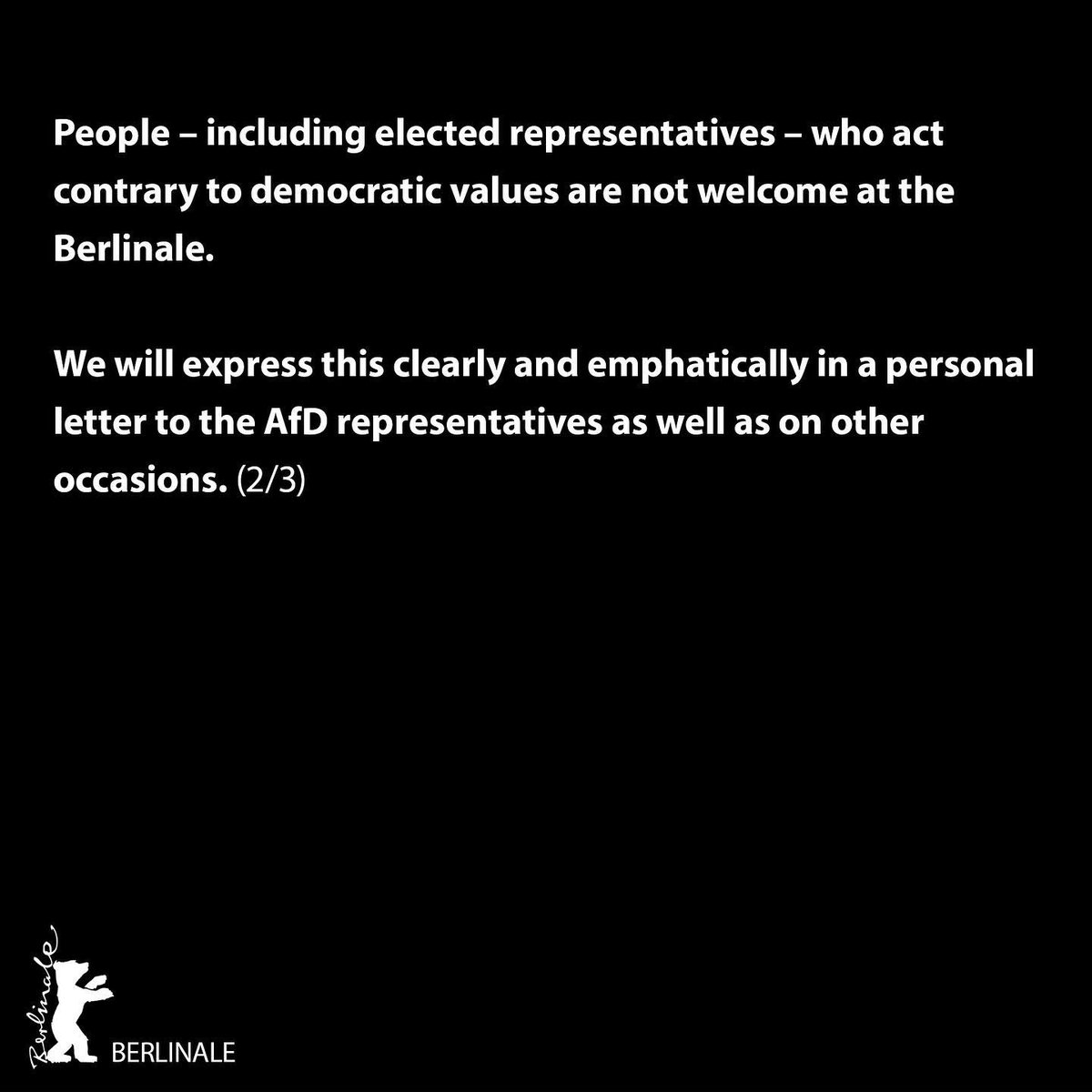
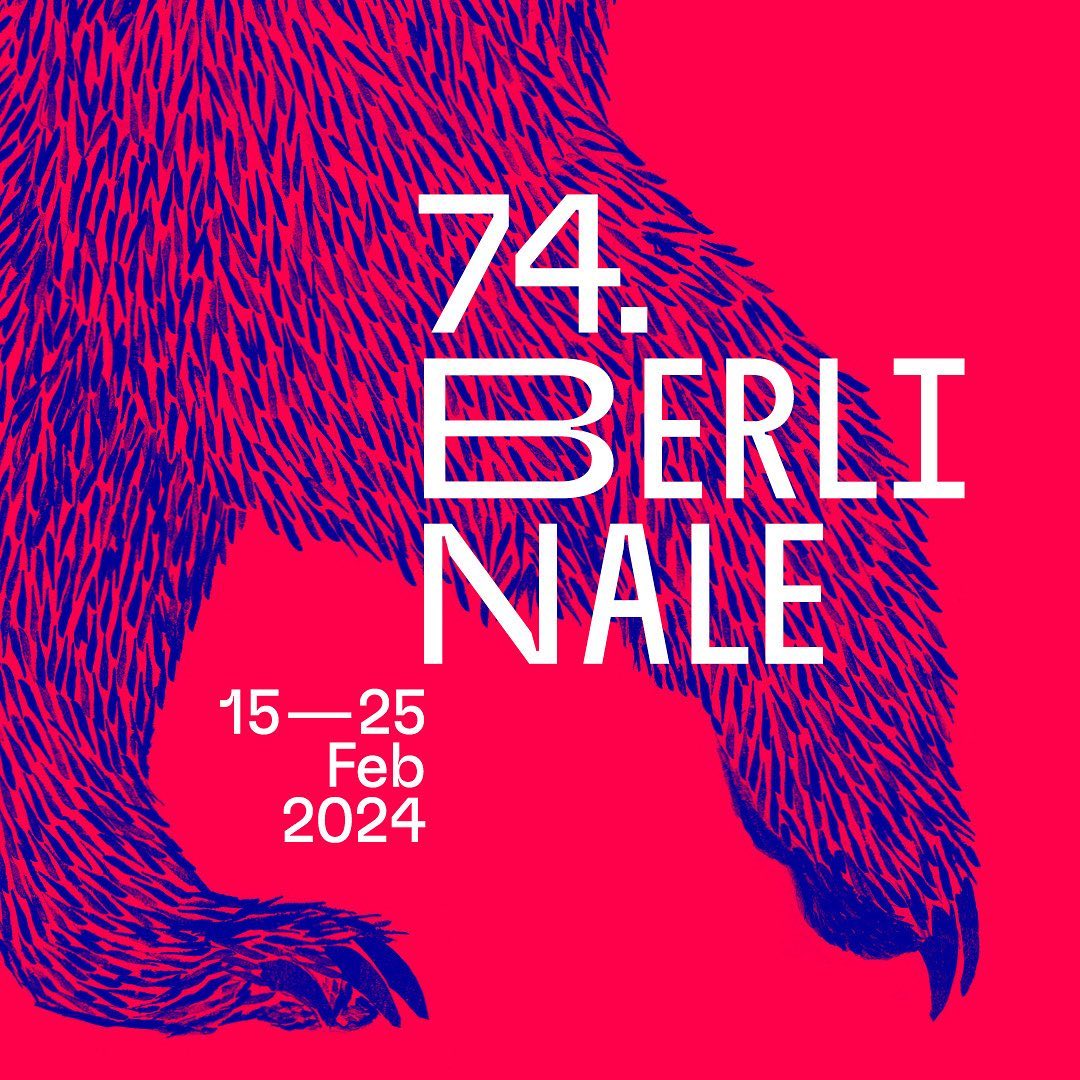
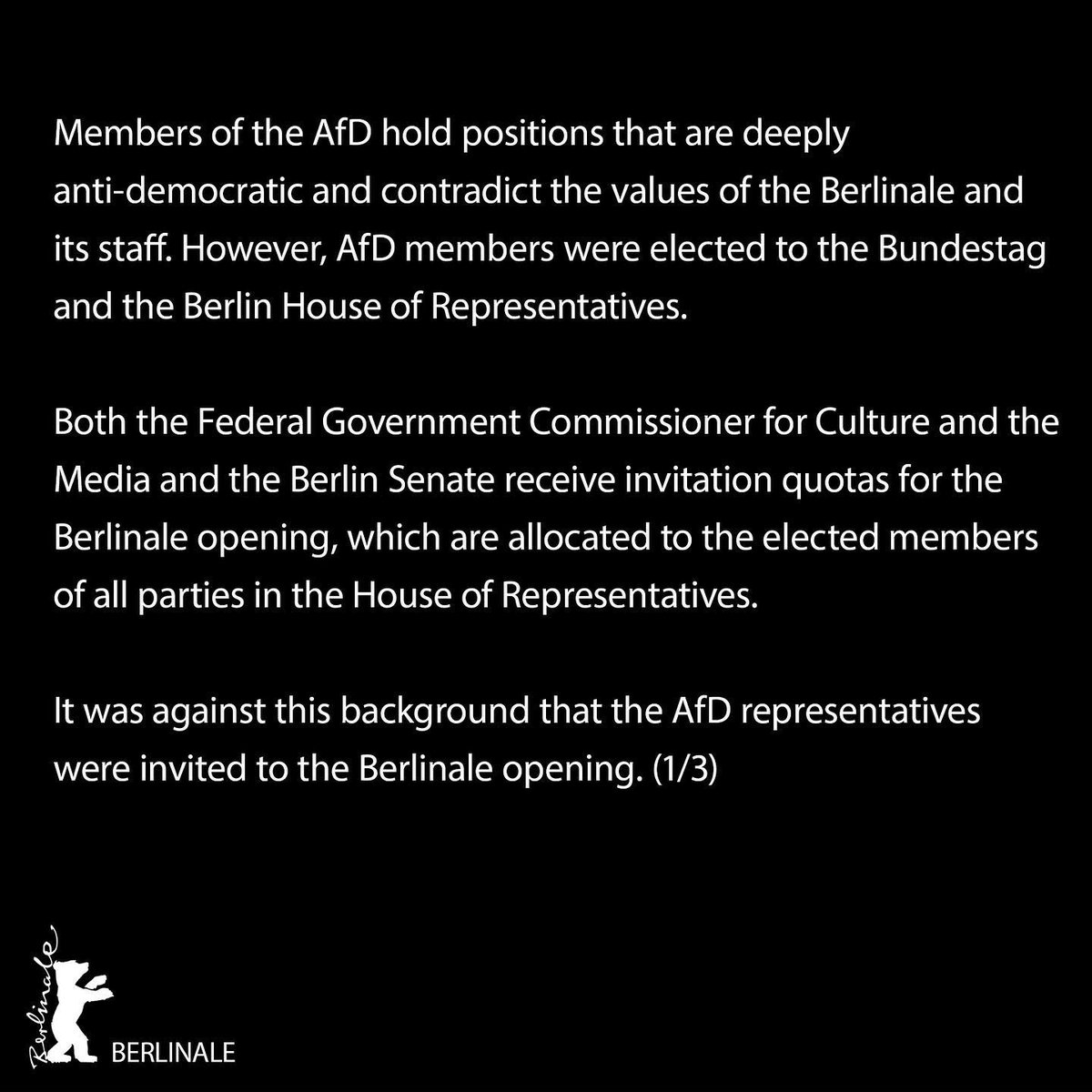
As a US-based journalist with a focus on African cinemas scheduled to attend the Berlinale, and who is admittedly not fully versed in all nuances of the controversy surrounding the festival's decision to invite members of the far-right Alternative for Germany (AfD) party to its 2024 opening ceremony, I still feel a responsibility to speak on the matter, albeit from a broad familiarity with the issues.
The Berlinale's decision has sparked controversy and protests given its contradiction of the festival's commitment to empathy, awareness, and understanding.
The contention lies in the incompatibility of the AfD's political stance with the festival's values, particularly concerning inclusivity and diversity in the arts and culture sector.
Additionally, it risks potentially alienating filmmakers and audiences who seek platforms that align with values of empathy and understanding.
This is especially true for film professionals from Africa and the diaspora whose works have historically challenged established political and social conventions within societies or political systems.
One of my roles is to spotlight issues and facilitate discourse, especially on topics like this.
Therefore, acknowledging the complexities of the controversy, I'm inviting input from the global African film community, particularly those in Germany, as well as those planning to attend the Berlinale.
It's crucial to share our varied views, ensuring a diverse range of perspectives that inform the discourse, particularly on how such decisions impact the representation and inclusivity of African cinema on a global stage.
Your insights are invaluable in understanding for those of us, like myself, not fully steeped in the intricacies, as well as for individuals around the world entirely unfamiliar but curious about the situation.
Feel free to use this platform or email me directly: [email protected]
I'm having a listening party for We Cut Keys 2 this Thursday at The Mall Rooftop and I'm so excited for you all to hear these new tracks on good sound, I've worked with a 4 time Grammy winning mix engineer so you can hear the difference. I'll be joined by some homies on the decks tix are here. https://t.co/4yHn3dqiaV
Heartfelt words at Affirmation Arts NYC. I believe the careers of Nathaniel Kiboi, Solomon Misigo, Mwangi Gibson, Gabriel Macharia, Marimbe Parsimei, Gibson Kuria, Nicholas Nienga & Macharia Mwangi will soar. They worked for years with Peter Beard. Now they’re centre-stage