5 Key Principles of Stock Investing
1. Research the business before buying
Before focusing on the stock price, understand the company's business model, competitive advantages, financial health, and growth prospects.
2. Pay attention to valuation
Even excellent companies can be overpriced. Consider whether the current stock price reasonably reflects the company's future profitability and cash flow.
3. Focus on long-term fundamentals
Short-term market fluctuations are often just noise. Focus instead on revenue growth, profitability, free cash flow, and the company's ability to sustain its competitive advantage.
4. Manage risk before seeking returns
Assess potential risks before deciding on the size of your investment. Diversification and prudent position sizing can mitigate the adverse impact of a single unsuccessful investment.
5. Maintain patience and discipline
Avoid making decisions based solely on fear, excitement, or daily market volatility. Establishing a clear investment process is often more valuable than trying to predict every short-term market movement.
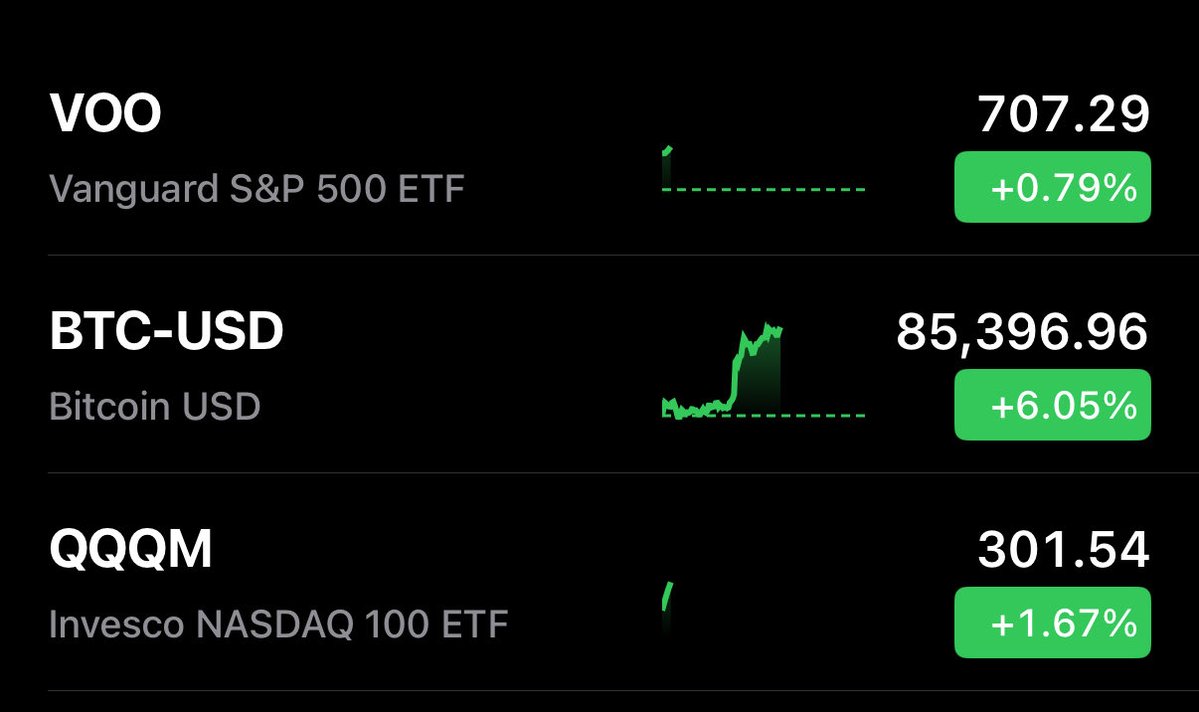
I will buy $VOO at all time highs
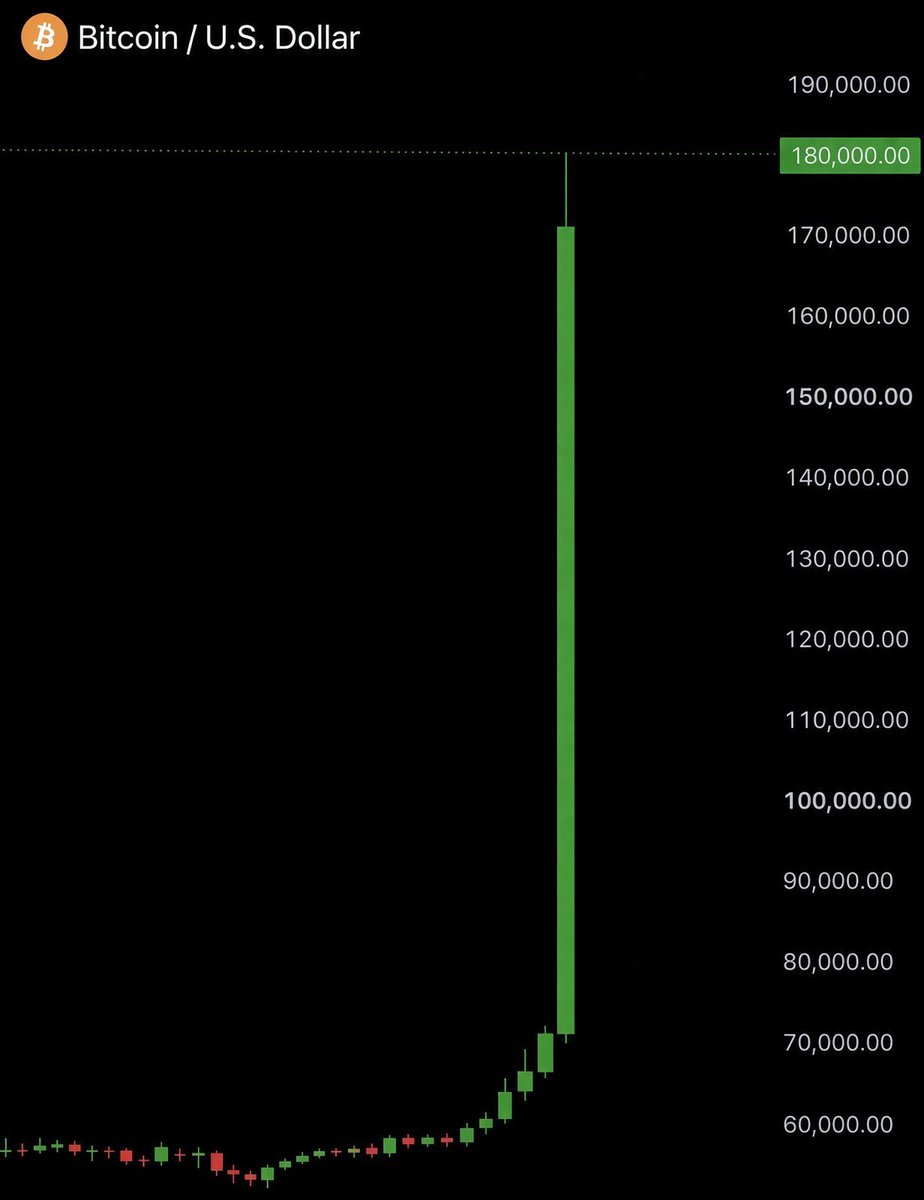
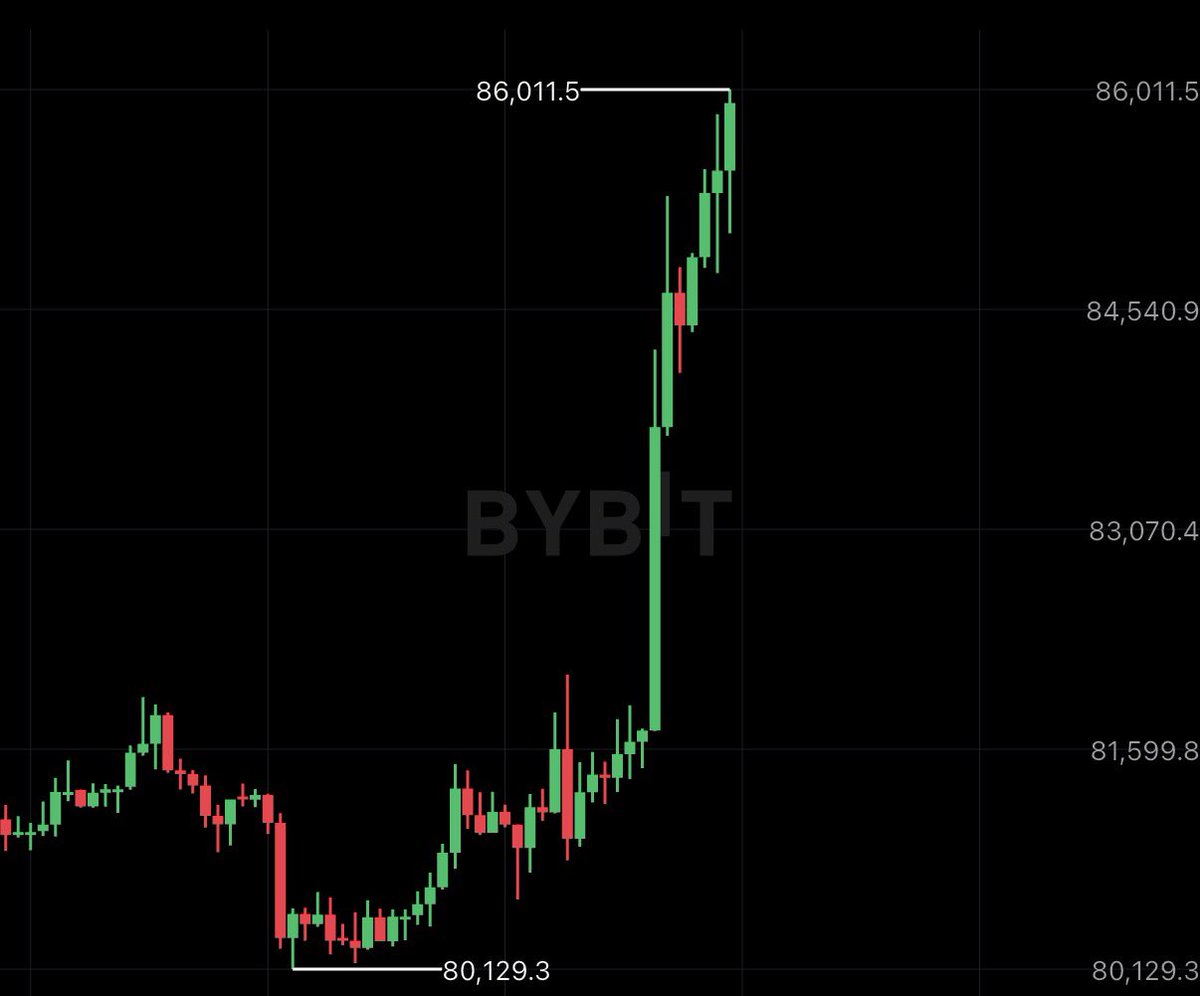
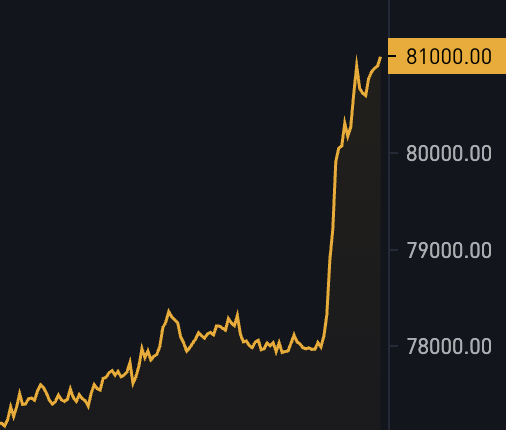
I will buy Bitcoin at all time highs
I will buy $QQQM at all time highs
My net worth will keep hitting all time highs
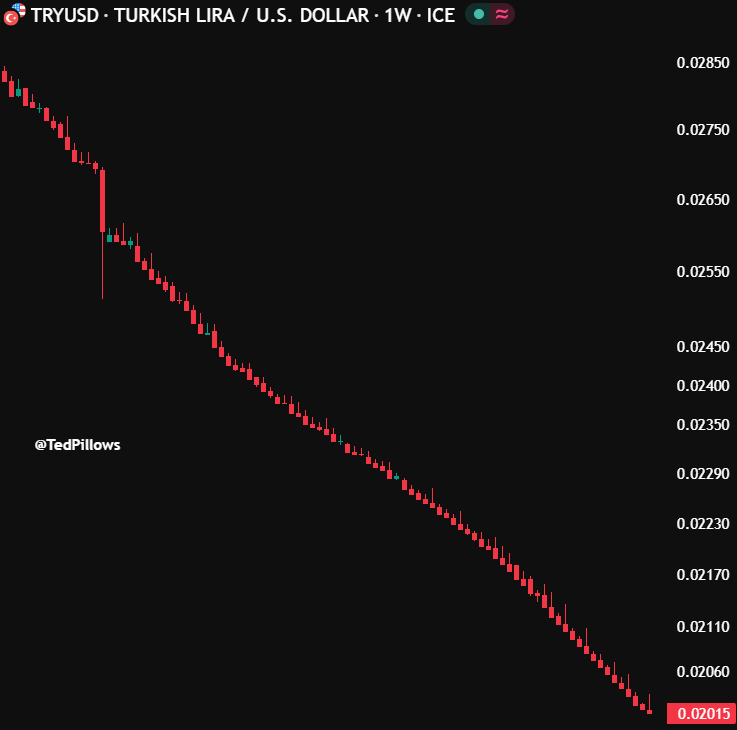
Every government-issued paper currency in history has collapsed. Every single one.
Rome debased the denarius until it held almost no silver. Weimar Germany printed the mark into oblivion by 1923, destroying middle-class savings in under four years. The Continental dollar, the French assignat, the Zimbabwean dollar, the Venezuelan bolivar. The list runs long and the ending never changes.
Central banks manage fiat currency to fund government spending that tax revenue cannot cover, not to protect your purchasing power. Inflation is a tax. Every dollar created without corresponding production transfers purchasing power from savers to first spenders, which is always the government and its connected institutions.
The dollar has lost over 97% of its purchasing power since the Federal Reserve opened for business in 1913. That loss did not happen accidentally; the Fed ran the printing press, and you absorbed the damage.
Defenders will argue that modern central banking is more sophisticated than Weimar. The math remains identical: spend beyond revenue, monetize the gap, dilute the currency. Sophistication only determines the speed of the destruction.
No fiat currency has ever survived indefinitely. Not one government has voluntarily relinquished the power to inflate. Given those two facts, the current dollar's long-term trajectory requires no guesswork.
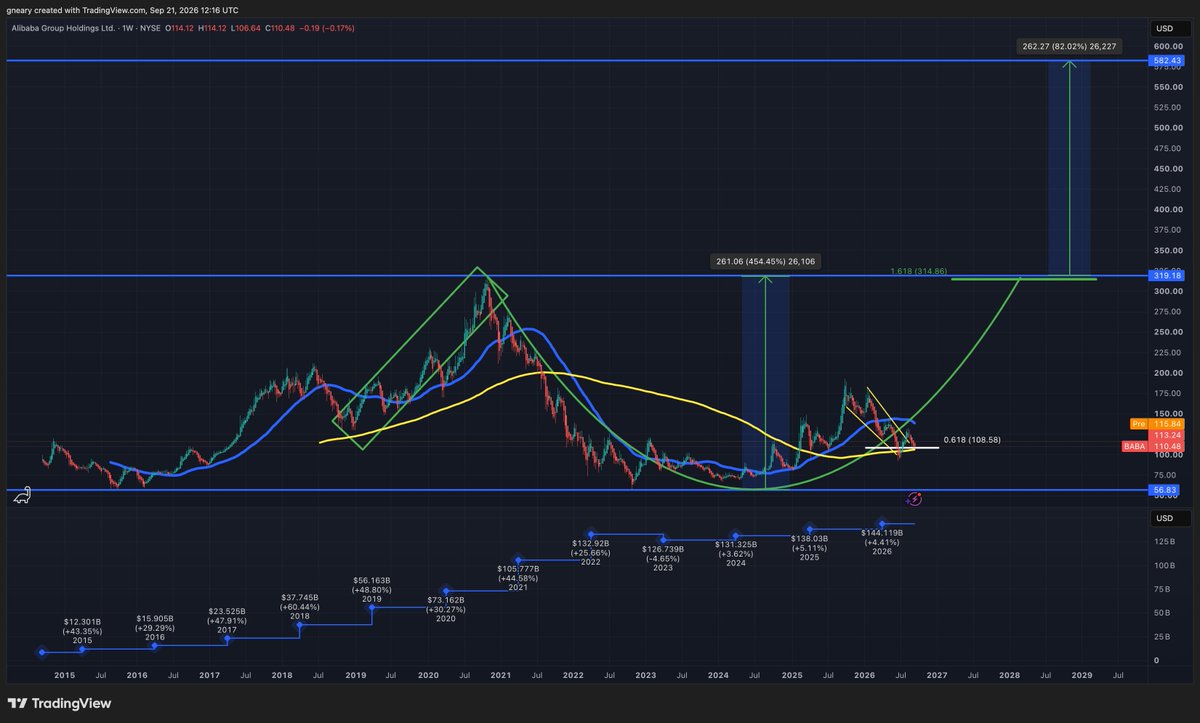
$BABA
Revenue:
2014: $12 Billion
2026: $145 Billion
Share Price:
2014: $110
2026: $112
Revenue has increased by +1200% but the share price has now pulled back to this level again
You are buying 12 years ago right now.
$BABA share price target is $582 in 3 years.
Healthcare Sector
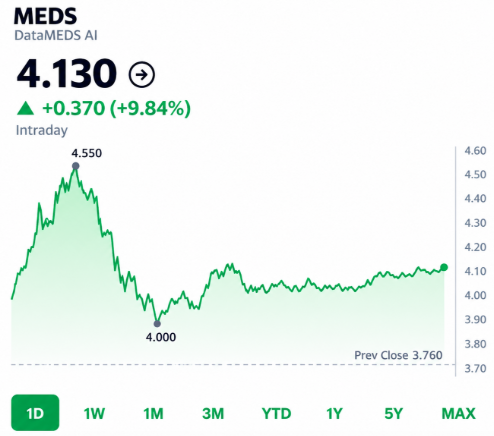
It rose 9.8% today, but the chart tells a more telling story than the percentage alone. Early-session momentum pushed it as high as $4.55, before sellers drove it all the way back down to $4.00. What happened next? The trend shifted completely.
Healthcare Sector
For the latter part of the morning, it moved sideways, struggling to make any real headway.
$MEDS
#SmallCaps #StockMarket
🚨 US stock trading is undergoing a structural shift.
Starting December 6, the market is set to adopt a "23/5" trading model.
Many people see this simply as:
"We can now trade for 23 hours a day."
But what truly matters isn't just the "extra trading time"—it’s the fact that...
Market volatility could now extend across nearly the entire day.
In the past, major news was typically priced in around the market open.
That is about to change.
🌙 Breaking news overnight could trigger immediate price reactions during the overnight session.
📉 During periods of lower liquidity, even a modest amount of capital could cause significant price swings.
💰 Thinner order books mean wider spreads and a higher risk of slippage.
⚡ For short-term traders, this brings more opportunities.
But at the same time, it brings more market noise.
This is a crucial shift:
Extended trading hours don't necessarily mean more investment opportunities; primarily, they mean prices have more time to fluctuate.
The US stock market of the future may increasingly resemble a truly global market—
With participants from Asia, Europe, and the US all trading simultaneously.
News won't wait for the 9:30 AM New York open to break.
And the market won't wait for you to be ready before it starts moving.
So, the real question going forward isn't "Can I catch more market moves?" but rather:
Can your positions withstand the increased market activity?
As trading hours lengthen,
The truly scarce commodities may not be opportunities.
Instead, they are—
Liquidity, discipline, and the ability to manage risk.
#USStocks #Stocks #Investing #FinancialMarkets #USTrading #RiskManagement
🚨 US stock trading is undergoing a structural shift.
Starting December 6, the market is set to adopt a "23/5" trading model.
Many people see this simply as:
"We can now trade for 23 hours a day."
But what truly matters isn't just the "extra trading time"—it’s the fact that...
Market volatility could now extend across nearly the entire day.
In the past, major news was typically priced in around the market open.
That is about to change.
🌙 Breaking news overnight could trigger immediate price reactions during the overnight session.
📉 During periods of lower liquidity, even a modest amount of capital could cause significant price swings.
💰 Thinner order books mean wider spreads and a higher risk of slippage.
⚡ For short-term traders, this brings more opportunities.
But at the same time, it brings more market noise.
This is a crucial shift:
Extended trading hours don't necessarily mean more investment opportunities; primarily, they mean prices have more time to fluctuate.
The US stock market of the future may increasingly resemble a truly global market—
With participants from Asia, Europe, and the US all trading simultaneously.
News won't wait for the 9:30 AM New York open to break.
And the market won't wait for you to be ready before it starts moving.
So, the real question going forward isn't "Can I catch more market moves?" but rather:
Can your positions withstand the increased market activity?
As trading hours lengthen,
The truly scarce commodities may not be opportunities.
Instead, they are—
Liquidity, discipline, and the ability to manage risk.
#USStocks #Stocks #Investing #FinancialMarkets #USTrading #RiskManagement
BREAKING: 🇺🇸 THE SEC JUST ANNOUNCED THEY WILL ALLOW STOCKS TO BE TRADED ON-CHAIN
THE WHOLE FINANCIAL SYSTEM IS MOVING TO #BITCOIN AND CRYPTO
THIS IS ABSOLUTELY HUGE 🔥
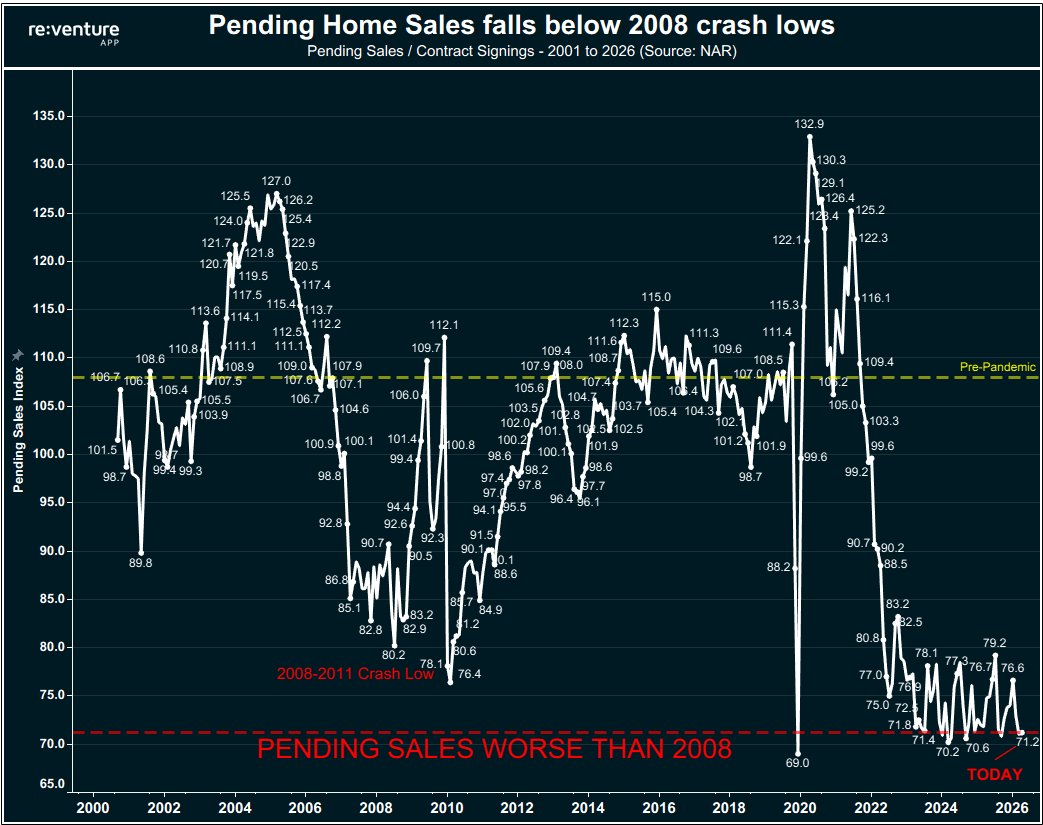
U.S. homebuyer demand has fallen so far that pending sales are now worse than 2008.
In August 2026, the NAR pending sale index registered at 71.2.
Lower than during any period of the 2008-2011 crash.
Worse yet, contract signings are down 47% from the pandemic peak, and 35% from normal pre-pandemic levels.
This is a full-scale housing demand recession, and it's not getting any better.
The longer that pending sales stay this low, the more pressure there will be on sellers to cut prices.
But there's big differences depending on market. Check home sales and inventory data for your ZIP at: https://t.co/HpNEVEtQMK
Warren Buffett: “Whether you make X [dollars in salary] or 120% of X, it really isn’t remotely as important as to whether, in most cases, you marry the right person…
And you also find something that you would do if you didn’t need the money.”
A fired Goldman Sachs quant trader taught me everything in a single conversation
He said: “We don’t do predictions. We only buy contracts where the price deviation exceeds 6%.”
It’s just that simple
That’s the desk operation for a $2 million annual salary
I fed his explanation and 5 GitHub repos into Claude, and Claude built a scanner. It processes over 400 markets every hour
This scanner can find those contracts priced in the 7-19c range, with true probabilities between 60-90%
At these entry points, you need a win rate of 1/4
And this bot’s win rate is 81%
Three months later:
From $2,000 to $8,191
99 trades, Sharpe ratio 2.30
A few cases:
ETH Merge upgrade - market 72c, true probability 88%, +19c
SOL breaks $200 - market 44c, true probability 81%, +15c
Florida hurricane cat3+ - market 81c, true probability 92%, +7c
Wheat breaks $800 - market 53c, true probability 68%, +20c
All of these were found by the scanner, and all were profitable
He looked at my terminal last week
He said: “This is what we do with $800M, 47-person team.”
And my current setup costs $25 per month
Claude - $20
VPS - $5
Repos - free
API - free
Now there are 8 agents running 24/7:
velvet_void +$697
nano_alpha +$541
ratking_eth +$407
darkpool_7 +$356
His fund returned 19% last year
And my setup returned 409% in three months
The real edge was never any secret—it’s just always been expensive, until now
70% win rate, 7 wallets copytrading rn from ~500 monitored, bot never paused, never gambling, just math and profit
Giving This Free for 24 hours. To get it:
1. Comment the word 'CLAUDE'
2. Like and Retweet this post
3. Follow me @tec_marco10 (so i can DM you)
HUGE: 🇺🇸 $1 Trillion JPMorgan says Bitcoin could pump hard against gold if investors unwind their Bitcoin ETF hedges.
Right now, BlackRock's IBIT ETF has near-record-high short interest and heavy put options, while gold shorts are below average.
This means any short-covering or hedge-closing would trigger an explosive wave of forced Bitcoin buying and send the price higher.
BREAKING: US margin debt surged +$37 billion in August, to $1.45 trillion, its 2nd-highest on record.
Margin debt has risen +$228 billion year-to-date, or +19%.
Since the end of 2022, investor borrowing has soared a massive +$847 billion, or +140%.
This has significantly outpaced the S&P 500's gain of +98% over the same period.
At the same time, margin debt as a % of GDP has almost doubled, to a record 4.5%.
By comparison, the 2021 and 2000 Dot-Com Bubble highs were 3.6% and 2.8%, respectively.
Investor leverage is through the roof.