In 2025 I completed my Master Distiller certification through the Chartered Institute of Brewers & Distillers. I’ve come out with a holistic view of how to run a global spirits program. Whether it’s grain or grape, business strategy or blend development - I’m here for it.🧵
We use wood to add additional layers of texture and character to spirits. Whether it’s for primary maturation or finishing - choosing the right oak makes all the difference. Each cooperage puts their own stamp on the whiskey: https://t.co/ioaDLrdLqj
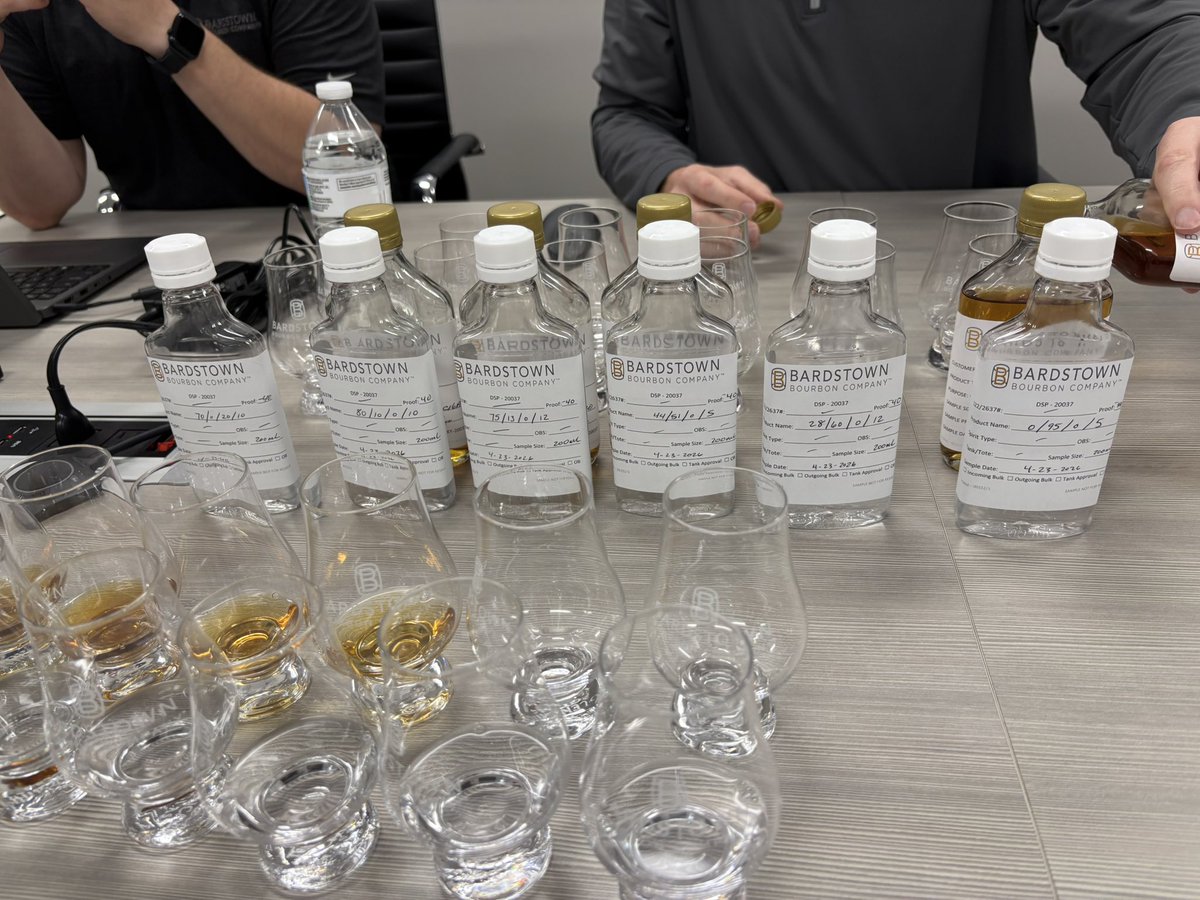
Bourye is one where we typically lean on 3-4 different cooperages to add one more layer of complexity to the blend: mash bill, producer, lot age, cooperage. These are all pieces of an intricate puzzle we stitch together as we assemble the blend.
We’re getting things dialed with the crew at BBC. There are some new mash bills on the horizon that will be really fun levers to pull as we put blends together. We love 21% bbn but higher & lower rye, impactful yeast, high wheat all can add peaks and valleys to drive complexity
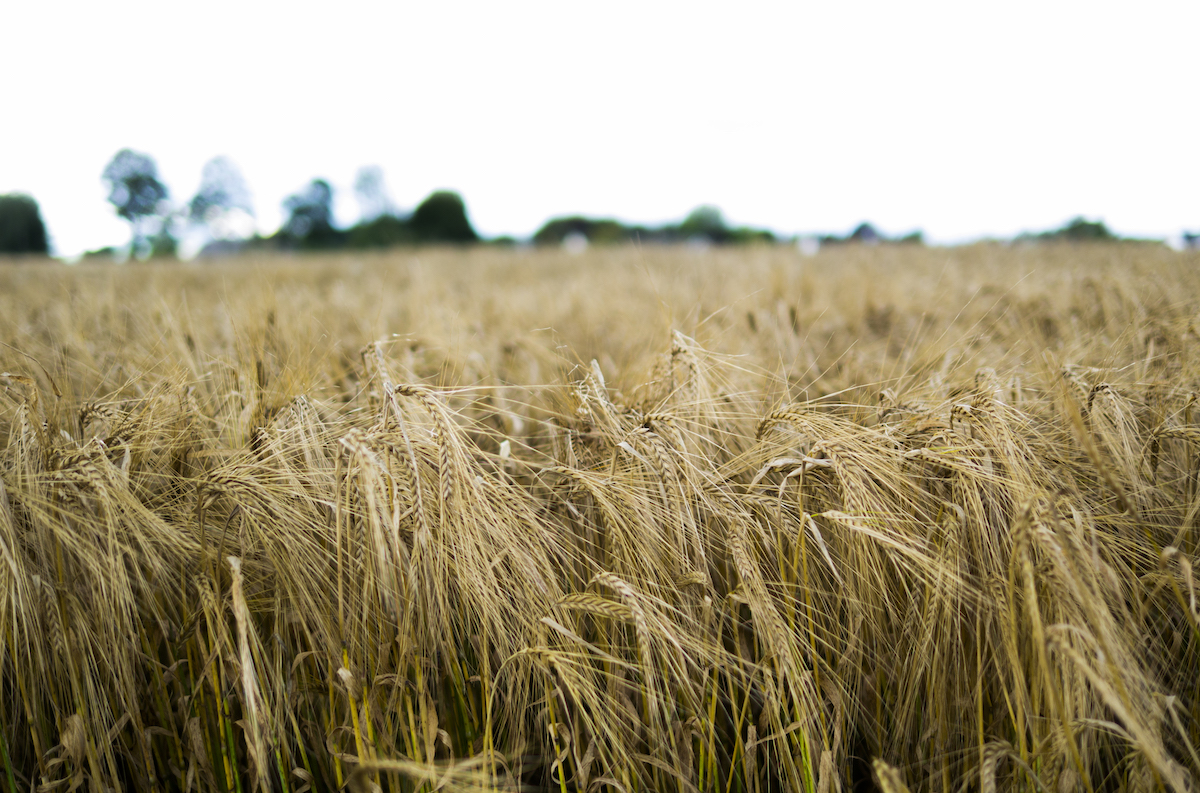
Interesting read regarding grain provenance. He poses an interesting question: how much nitty gritty production data do you (or should you) give the consumer? Do they even care?
For me, I say put the whiskey-nerd deets on the website and let the big headlines drive on the label
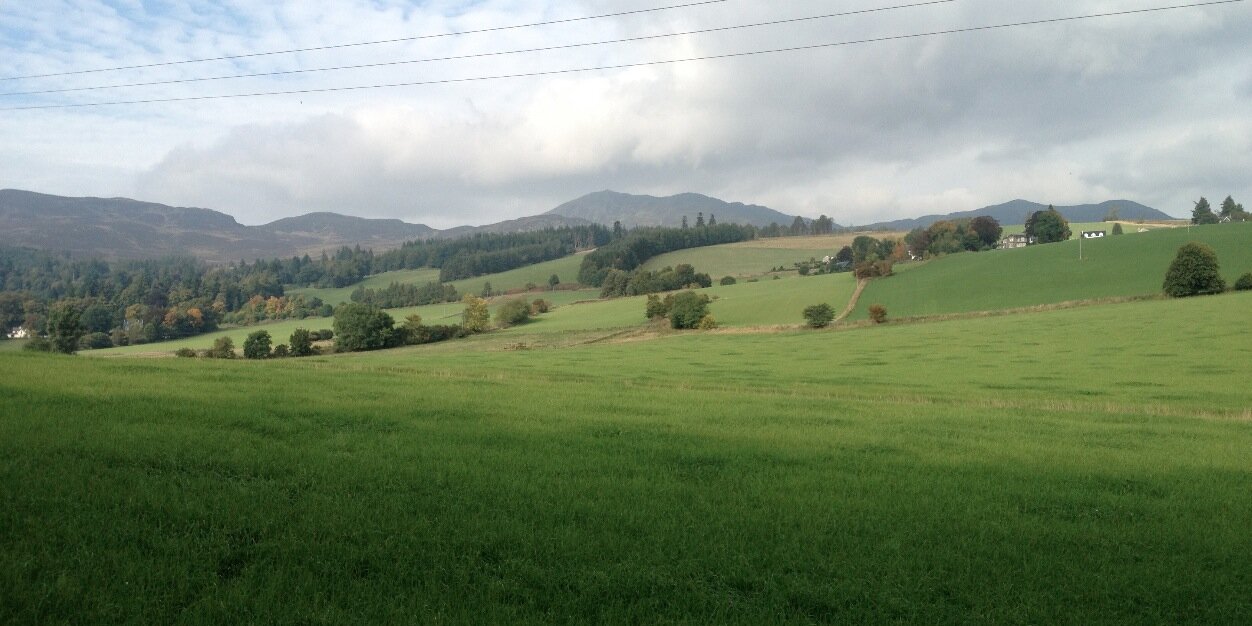
Wrote a thing about whether barley provenance actually matters when it comes to whisky. Quoting the great @Bill_Linnane & others https://t.co/FrkUCG8nMR
Scour enough whiskey forums—particularly bourbon or rye boards—and you’ll see it crop up repeatedly: “I didn’t like the neck pour on this bottle.” The what now? Explore the concept of the neck pour here: https://t.co/YRX6Df9TXS
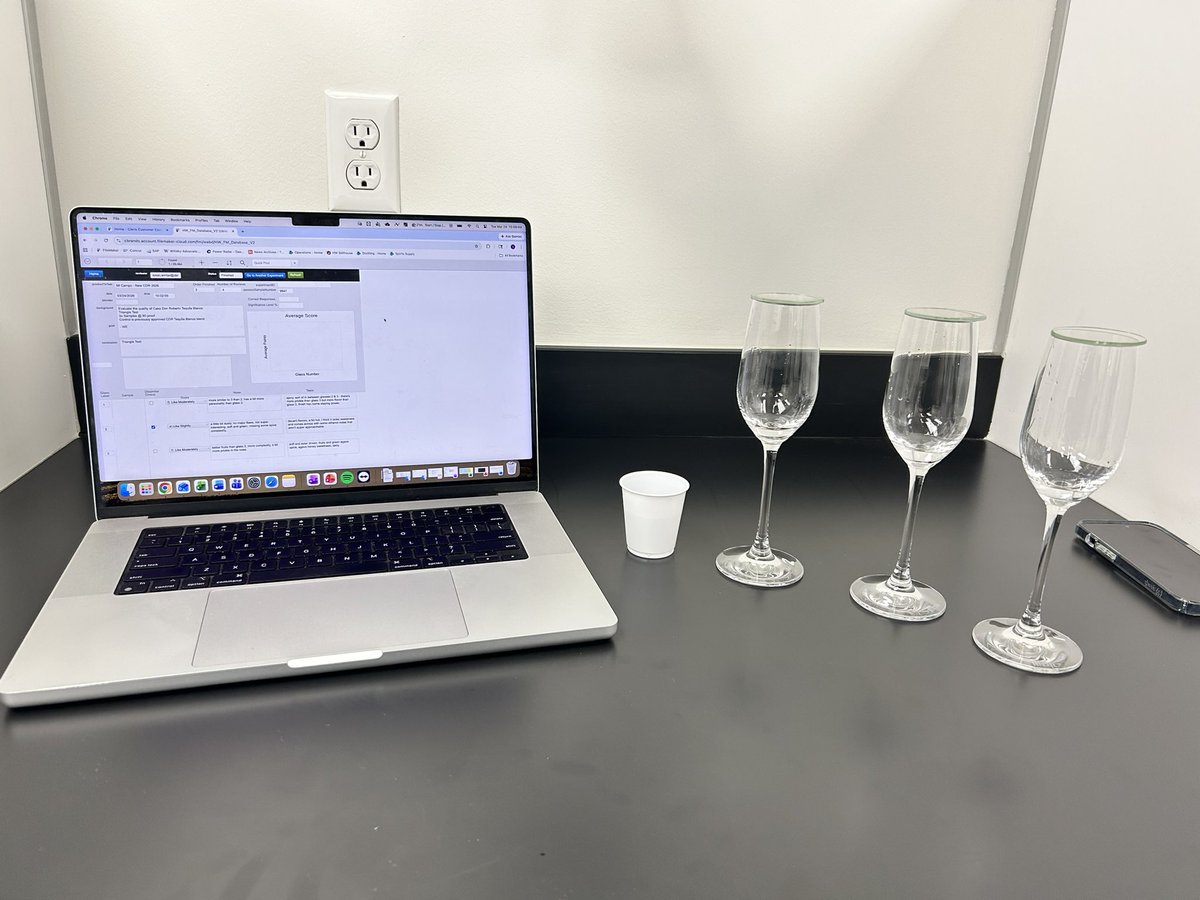
Our core sensory team supports all of the CBI Spirits brands. This wide exposure to spirit types, blend profiles, pricing bands, and producer character keeps us sharp
As the US continues to see wild swings in climate, distilleries need to focus on engineering their systems to maintain process inputs, lower their energy footprint, and ultimately reduce costs.
Spring is here in Utah - for better or worse. This year we clocked one of the worst snowpacks on record. It’ll be challenging for those on municipal water this year. Depending on water source process water can change wildly: hardness…total alkalinity…
These variables play an integral part in achieving and maintaining mash pH, efficiency of softening, and will even shorten the lifespan of your equipment. High West is fortunate to have input water fed from a well and aquifer which means our chemistry is very stable.
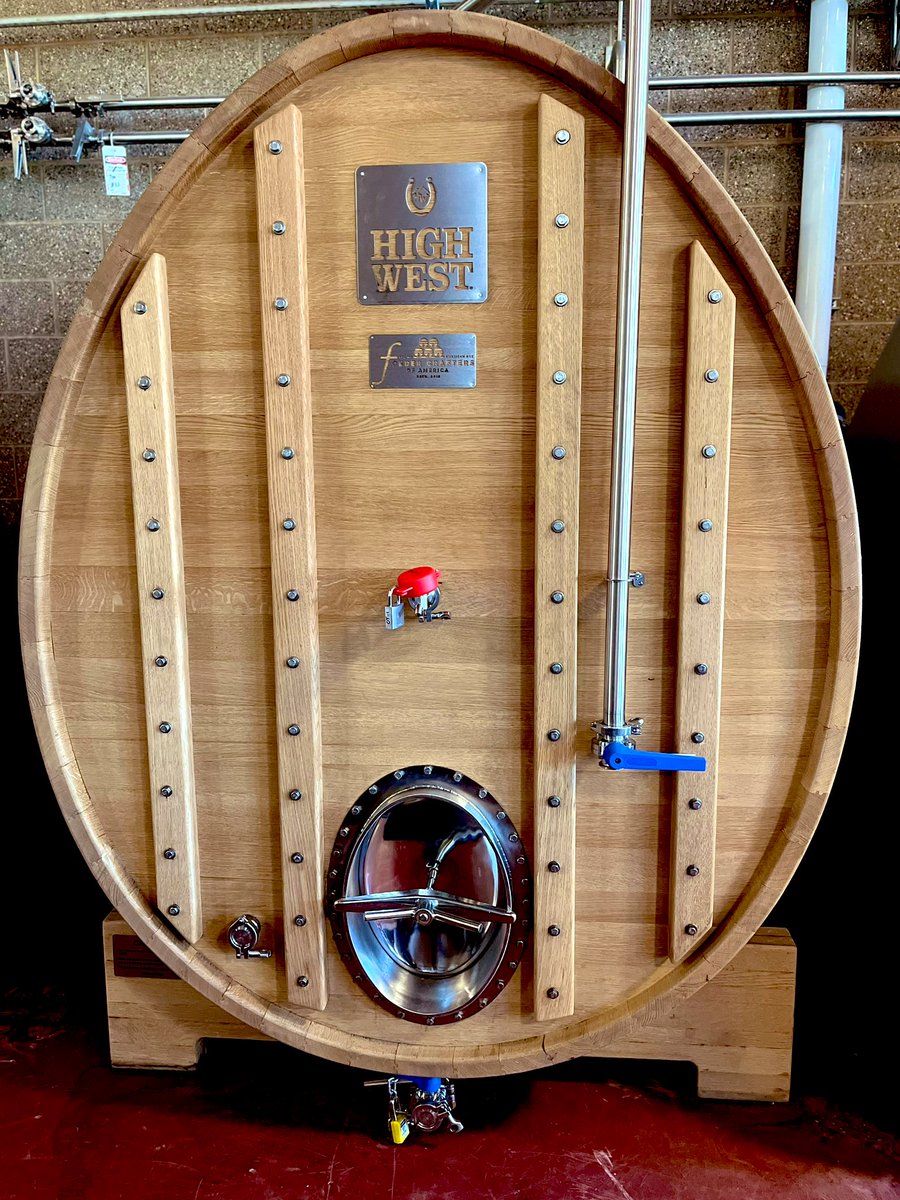
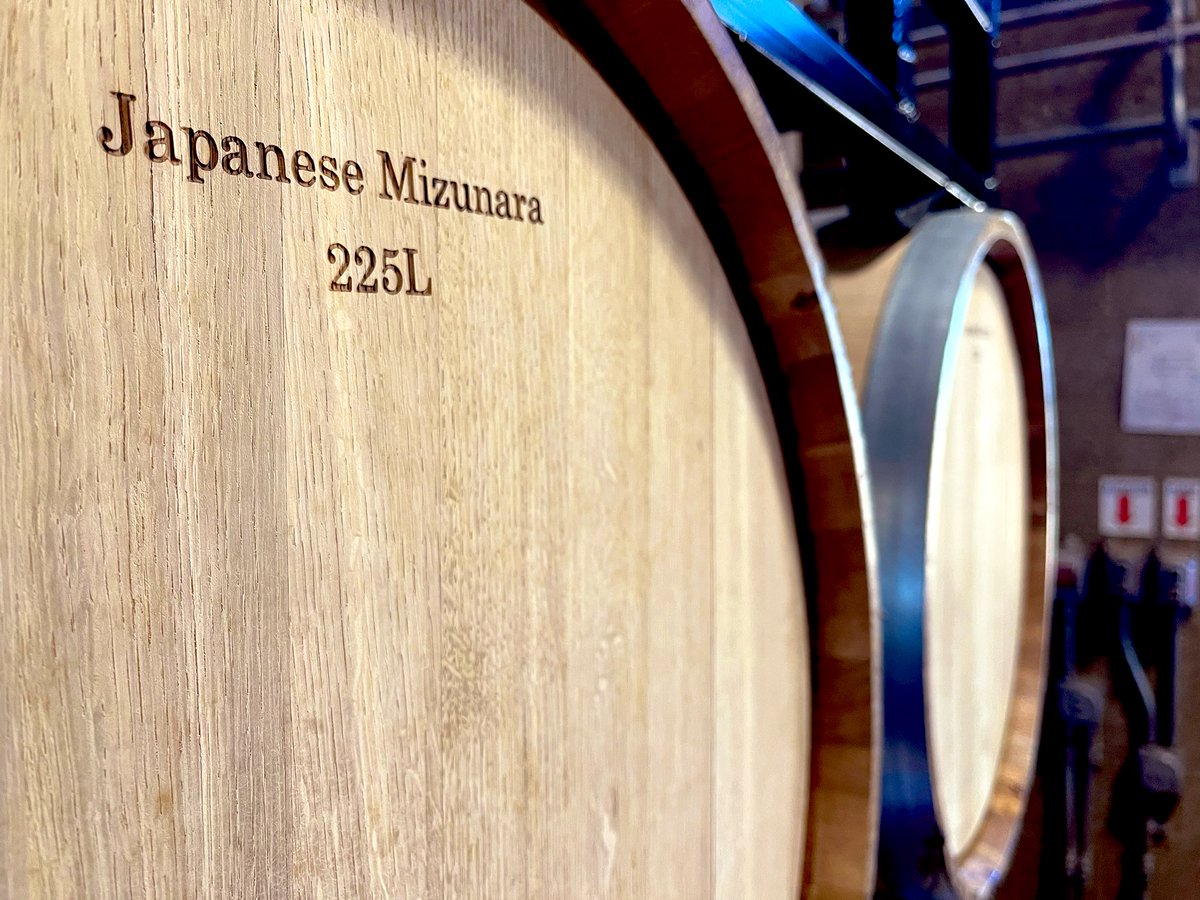
Lots of things on the horizon…Some pet projects of mine: foeder aged rye and a virgin Mizunara finish. These will likely hit the Saloon Society first.
As a team, we have a very special deep cut that will drop this fall to celebrate our 20th Anniversary… stay tuned.
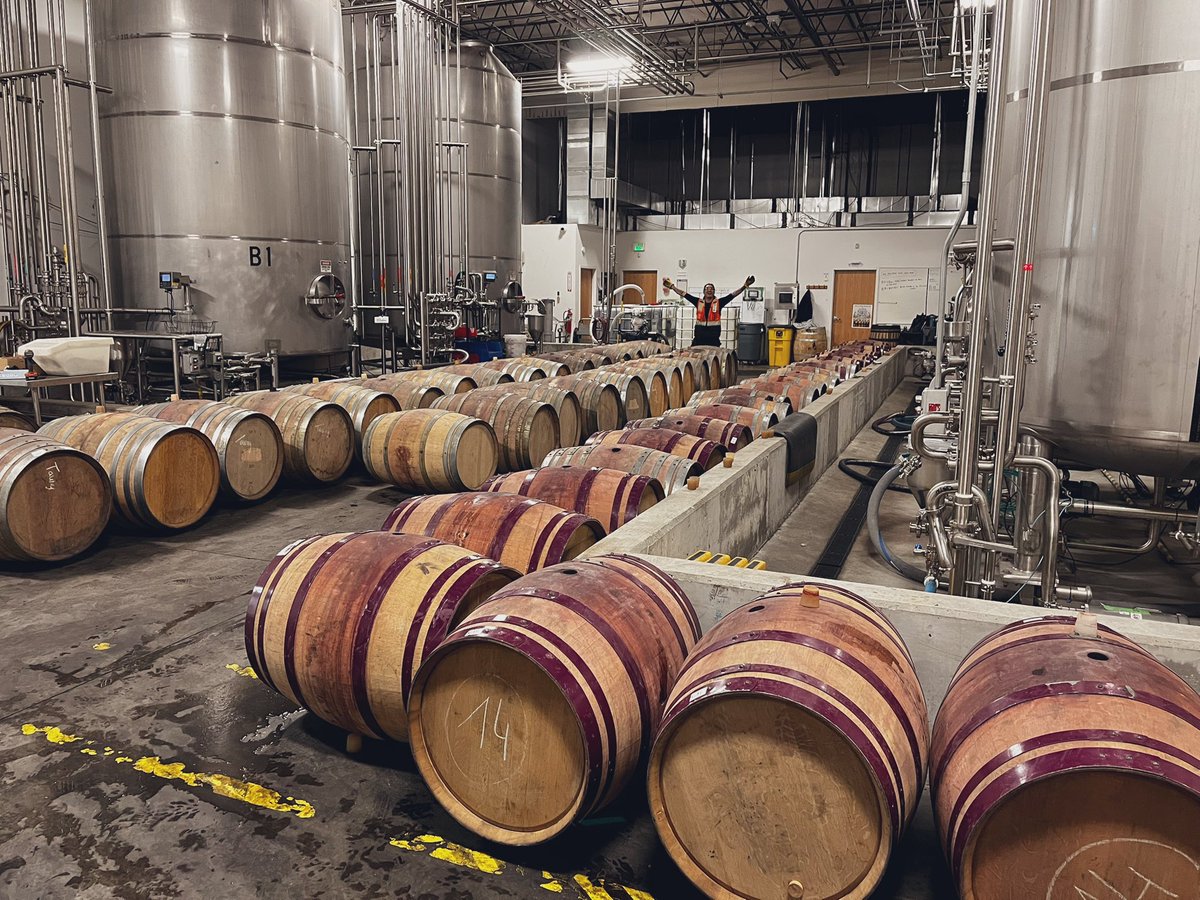
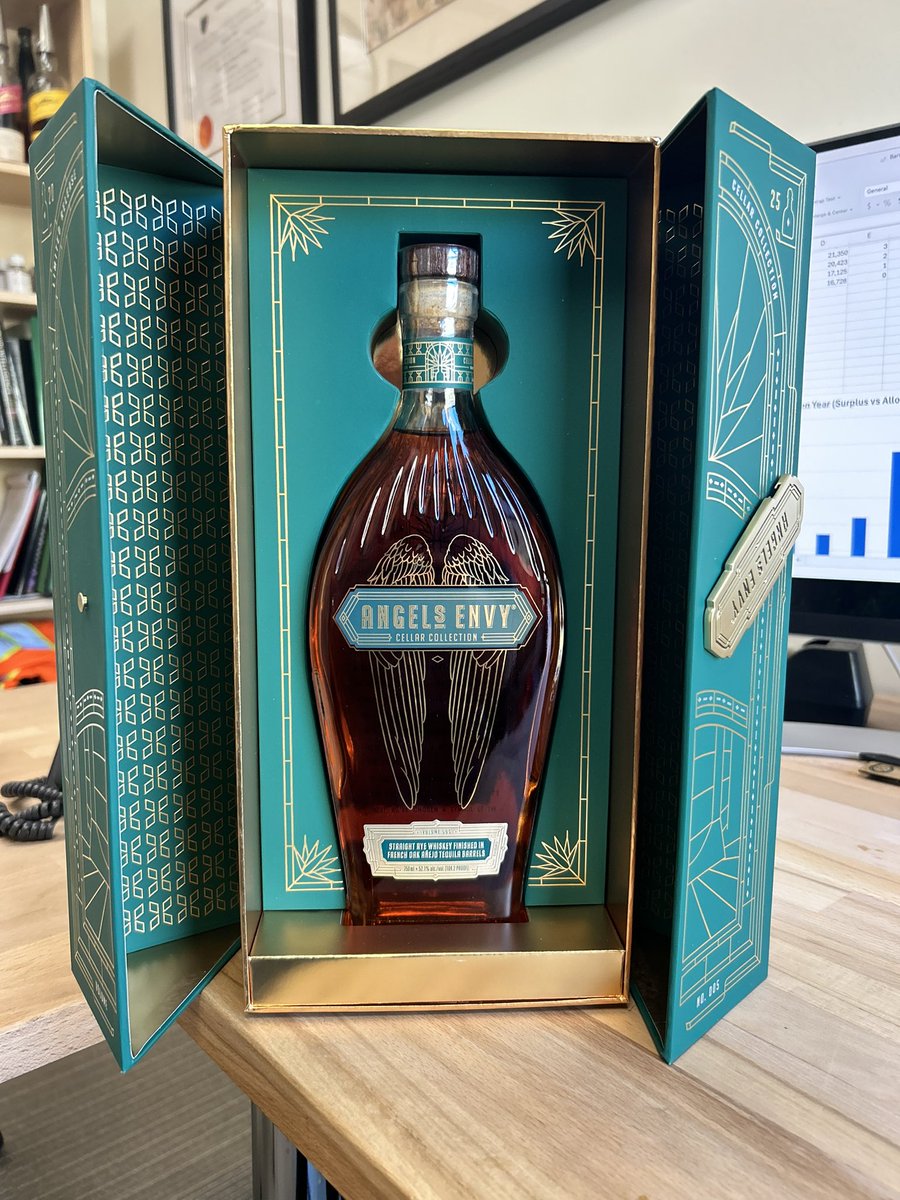
Wood: not just for primary maturation any more… We have made a name for ourselves with finishing casks. Midwinters, Prisoner’s Share, Yippee - each of these was born out of our single barrel program. This serves as a rapid R&D lab for us where we’re able to test new flavors -
And new ideas with a ready buyer on the other end. We work with a lot of brokers but since joining CBI in 2016 we have a direct line to our sister wineries. We can talk with the wine maker as they’re dumping and the barrels show up the next day purged with CO2. No more SO2 issues
Chattanooga Distillery is one that I pay attention to. Love the focus on malt. We were able to play with a custom KY bourbon recently that was 60% corn 40% malt - but we haven’t ever experimented with unmalted before. Gotta give that a go!
@obky_bourbonite@btownbourbon I remember Garry oak from Westland being pretty phenolic, almost like there was some peat used in the mash bill. Matt mentioned this phenolic note was oak chemistry derived but I’ve never explored. Did you find this to be phenolic? Was it more of a traditional double wood flavor?