Most people picture breast milk as something simple.
White. Plain. Just food.
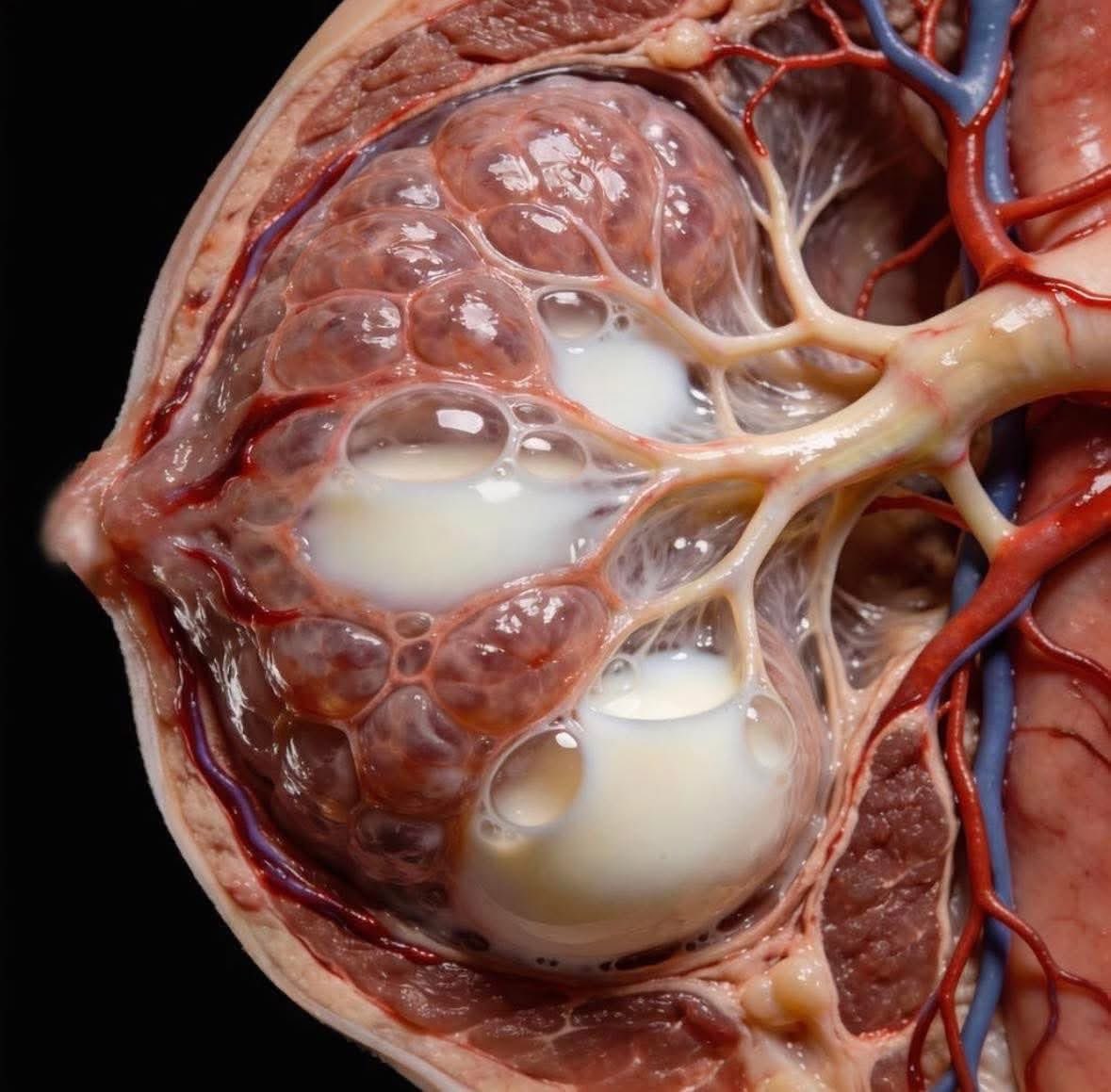
But this is what it looks like inside.
This is a glimpse of the inside of a breast while it is making milk.
Thousands of tiny milk making sacs, each one filling, flowing, responding in real time to a baby’s needs.
Every drop is alive.
Breast milk is not just nutrition.
It is a living, adaptive system.
It changes by the hour.
By the day.
By the age of the baby.
It adjusts for illness.
For growth spurts.
For comfort.
For survival.
Your body reads your baby’s saliva and responds with antibodies.
It knows when your baby is premature.
It knows when your baby is sick.
It knows when your baby just needs closeness.
No lab can recreate this.
No formula can copy this intelligence.
No machine can replace this connection.
This is biology at its most powerful.
This is love in liquid form.
This is the miracle happening quietly inside millions of women every single day.
And if no one has told you lately
Your body is incredible!
✨🙌🏾💫
Disclaimer: This image is AI just meant to represent what it may look like. Image by Salud Articular
🚨🚨DESCUBRE como evitar padecer cáncer con estos pasos sencillos, mediante el fortalecimiento de tus mitocondrias y construyendo una barrera impenetrable...
1. Optimiza los niveles de vitamina D. Mantén niveles sanguíneos de 70–80 ng/mL. La vitamina D es un potenciador mitocondrial que refuerza el sistema inmunitario y mantiene las células funcionando de manera óptima...
2. Aprovecha el poder del ayuno
El ayuno intermitente regular, combinado con ayunos periódicos prolongados como un ayuno de agua de dos días al mes desencadena la autofagia y rejuvenece las mitocondrias...
3. Reduzca los carbohidratos refinados y los almidones.
Las dietas ricas en carbohidratos son la criptonita mitocondrial. Adopta una dieta baja en carbohidratos para reducir el estrés oxidativo y proteger la producción de energía celular...
4. Consume alimentos que estimulen las mitocondrias como el ajo, la cebolla y las verduras crucíferas como la brócoli, col rizada o coles de Bruselas que están repletas de compuestos de azufre que desintoxican y fortalecen las mitocondrias...
5. Evita el exceso de hierro proveniente de suplementos, alimentos fortificados o utensilios de cocina de hierro fundido que aceleran el daño mitocondrial...
6. Haz ejercicio con regularidad. Es un elixir para las mitocondrias. Regula y mejora su eficiencia, reduce la inflamación y disminuye el riesgo de cáncer...
7. Desintoxica tu organismo permanentemente y evita todo lo que sabes que puede hacerte enfermar...
Dr. Eric Berg.
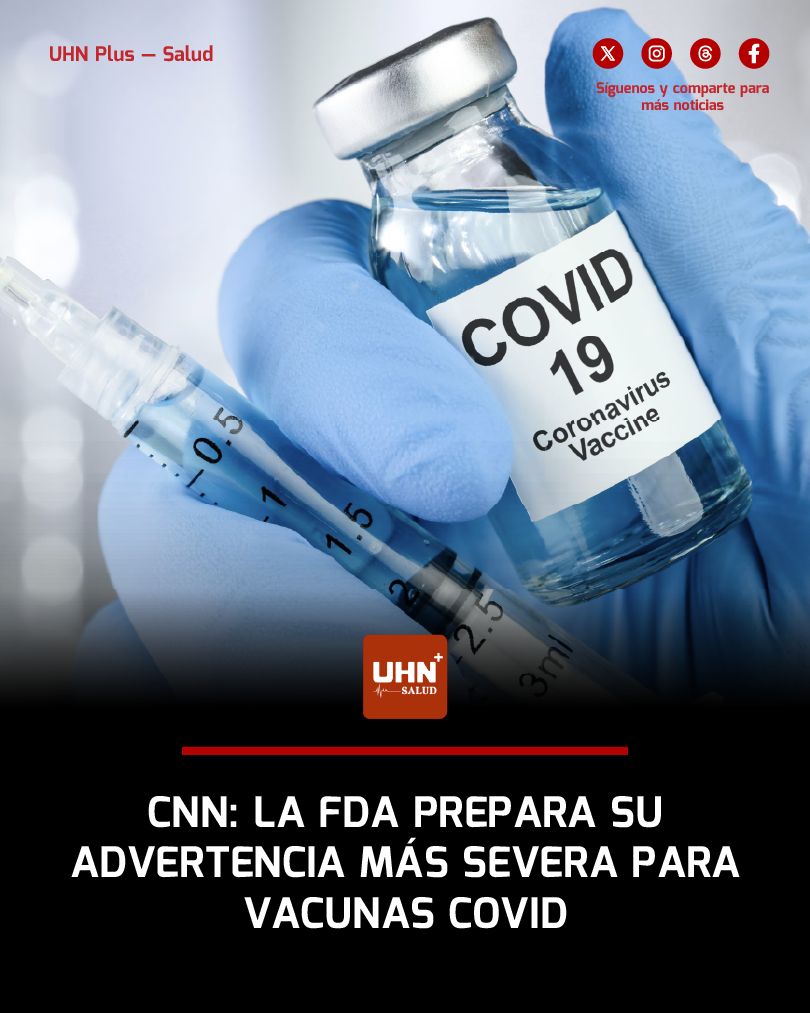
🇺🇸‼️ | ÚLTIMA HORA — Según CNN, fuentes citadas por medios estadounidenses aseguran que la FDA planea imponer un “black box warning” —su advertencia más grave— a las vacunas contra la Covid-19, una categoría reservada para riesgos potencialmente letales o discapacitantes que deben sopesarse frente a los beneficios del fármaco.
El plan, impulsado por el director de biológicos Dr. Vinay Prasad, aún no está finalizado y podría cambiar, mientras el Departamento de Salud insiste en que “cualquier afirmación es especulación hasta que la FDA lo anuncie oficialmente”.
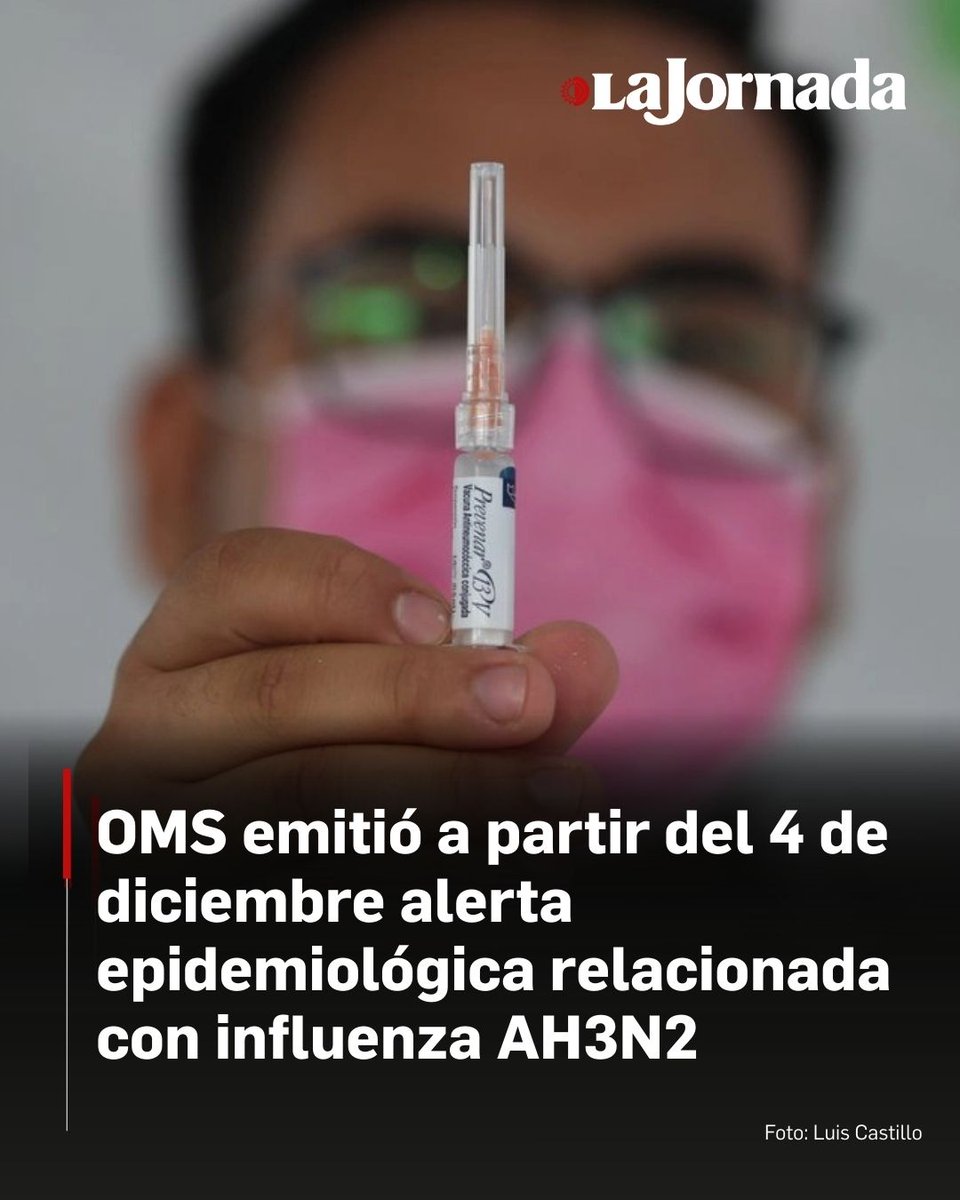
🔴 Confirman primer caso de influenza A H3N2 subclado K en México
La Secretaría de Salud informó que el INER confirmó el primer caso de influenza A H3N2 subclado K. La persona respondió al tratamiento antiviral y ya se recuperó.
El SINAVE mantiene vigilancia permanente y la variante presenta características similares a la influenza estacional.
#ÚLTIMAHORA 🚨 La Secretaría de Salud confirmó el primer caso de ‘supergripe’ H3N2 en México.
El INER informó que el paciente ya está recuperado y que el SINAVE mantiene monitoreo para identificar posibles nuevos contagios https://t.co/7VggtvaMpF
⚕️ El 4 de diciembre del 2025, la Organización Mundial de la Salud (OPS/OMS) informó a través de su alerta epidemiológica que, en los últimos meses, la situación de la circulación del virus de influenza A(H3N2) relacionada al subclado K, ha aumentado en varias regiones del mundo, especialmente en Europa y en varios países del este de Asia y reiteró sus recomendaciones en la región de América.
Lee más aquí 👇
https://t.co/ZgdX3Z94M5
A new skin cream could soon make daily insulin injections for diabetes obsolete.
Researchers have achieved what was long considered impossible: delivering insulin through intact skin. By linking the large insulin molecule to a specially designed carrier molecule, the hormone can now slip past the skin’s natural barrier and reach the bloodstream intact.
In tests on diabetic mice, minipigs, and human skin samples, a single application of the cream lowered blood sugar as effectively as an injection. Glucose levels normalized within one to two hours and stayed steady for up to 12 hours, with no signs of irritation or other side effects.
Unlike injections, which cause sharp peaks of insulin, the cream releases the hormone gradually, providing smoother, more natural blood-sugar control. It also directs insulin preferentially to key tissues like the liver and muscle, where it works most efficiently.
If human trials succeed, millions of people with diabetes could one day manage their condition with a simple rub-on treatment instead of needles. The same skin-penetration technology shows promise for delivering many other large-molecule drugs that currently require shots, potentially transforming treatment for a wide range of diseases.
["Transdermal insulin delivery using a tunable amphiphilic carrier: A step toward injection-free diabetes management", Journal of Controlled Release, 2025]
Lo que antes parecía ciencia ficción ya está pasando: redes de neuronas humanas, cultivadas en laboratorio, están empezando a funcionar como pequeños cerebros digitales. Aprenden, responden y se adaptan.
Mayor info: https://t.co/WCxDmtNmEj
La magia de ser madre.🪄
Durante el embarazo, el cerebro de la madre experimenta una profunda reestructuración conocida como "matrescencia", orientada a preparar el vínculo más fuerte posible con su bebé.
Los principales cambios son:
Sincronización cerebral: los cerebros de madre y bebé se conectan y coordinan sus ondas, clave para el desarrollo emocional y social del bebé.
Explosión hormonal: la oxitocina y otras hormonas activan los circuitos de placer y recompensa, generando el típico "enamoramiento" maternal.
Cambios duraderos: aumenta la empatía y la eficiencia cerebral a largo plazo, incluso después del parto.
Matrescencia: una transformación completa (física, hormonal y neuronal) que redefine a la mujer para convertirse en madre.
La maternidad reconfigura literalmente el cerebro femenino para amar, proteger y entender a su bebé como nadie más puede hacerlo.
Swedish scientists have engineered microscopic nanobots capable of traveling through blood vessels to locate and dissolve arterial plaque with high precision. Using magnetic navigation and plaque-breaking enzymes, these tiny machines can target dangerous blockages without damaging surrounding tissue — offering a radically less invasive approach compared to traditional cardiac procedures.
This technology represents a major step toward personalized, targeted cardiovascular treatment. Instead of relying on angioplasty or repeat stenting — procedures that often require follow-up operations — doctors may one day deploy nanobots that dissolve plaque on the spot. Early lab results suggest they could clear buildup in minutes, potentially reducing both recovery time and long-term complications for patients.
If future clinical trials confirm these promising results, nanobot therapy could transform heart-disease treatment worldwide. It would not only reduce the need for surgical intervention but also dramatically change how healthcare systems manage chronic cardiovascular conditions, improving outcomes for millions.
Whenever you smell that “fresh laundry scent” you’re inhaling toxic chemicals.
That cozy “fresh laundry” scent from fabric softeners and dryer sheets is actually one of the top sources of indoor air pollution, doctors warn.
According to gastroenterologist and professor Dr. Partha Nandi, the pleasant fragrance is created by volatile organic compounds (VOCs) such as acetaldehyde and benzene—known irritants linked to breathing problems, skin rashes, headaches, dizziness, and even elevated cancer risk with long-term exposure. These chemicals waft into your home and are vented outdoors, contributing to both indoor and outdoor air pollution.
Many everyday symptoms people ignore—coughing, watery eyes, or feeling lightheaded after doing laundry—may actually be caused by these products.
The good news: safe, inexpensive alternatives exist. Adding a half-cup of white vinegar or baking soda to the rinse cycle, using wool dryer balls, or making your own dryer sheets can soften clothes just as effectively without the toxic chemicals. These swaps also cut plastic waste and water contamination.
Dr. Nandi urges families—especially those with kids, pets, asthma, or chemical sensitivities—to ditch scented fabric softeners, open windows when doing laundry, and choose fragrance-free, natural options. Making this one simple change can noticeably improve the air you breathe every day.
[Nandi, P. (2025). The Hidden Dangers of Fabric Softeners]
📵🇦🇺 AUSTRALIA ACABA DE ROMPER LAS REGLAS DEL MUNDO DIGITAL.
Desde el 10 de diciembre, el país implementará una medida histórica:
👉 ningún menor de 16 años podrá tener cuentas en redes sociales.
No es rumor.
No es teoría.
Es la primera ley de este tipo en el planeta.
Las plataformas como Instagram, TikTok, Snapchat, Facebook, YouTube, X y más, estarán obligadas a eliminar o bloquear cuentas de usuarios menores de 16 años. Y si no lo hacen… enfrentarán multas millonarias. 💰⚠️
¿Por qué una decisión tan radical?
📌 Expertos en salud mental alertaron del impacto en la ansiedad, depresión, adicción y exposición a contenido dañino en adolescentes.
📌 Las autoridades dijeron basta.
Lo que pase ahora podría cambiar el futuro del internet.
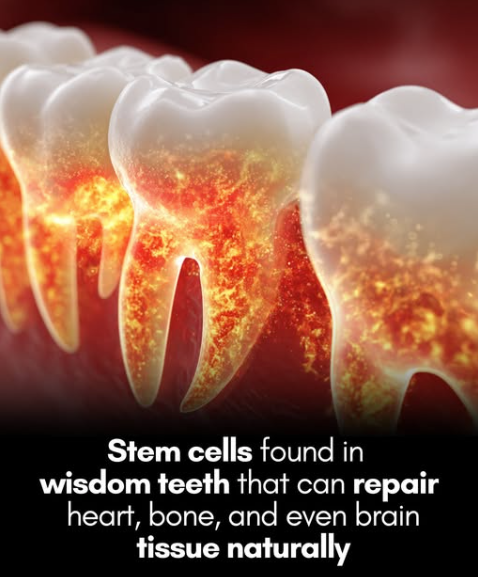
Your wisdom teeth could save your life.
They contain stem cells that could repair your heart, bone, and even brain tissue.
What was once considered medical waste may soon be a powerful tool in regenerative medicine.
Scientists have discovered that wisdom teeth — often removed and discarded in adolescence or young adulthood — contain a rich supply of mesenchymal stem cells capable of transforming into bone, muscle, nerve, and other vital tissues.
Dental stem cells have shown promise in preclinical studies for conditions ranging from arthritis and diabetes to cognitive disorders like Alzheimer’s and Parkinson’s disease.
And unlike stem cell collection from bone marrow or blood, harvesting dental pulp during wisdom tooth removal involves no additional procedures or discomfort.
[Journal of Natural Science, Biology and Medicine. "Current overview on dental stem cells applications in regenerative dentistry." Stem Save (2025). Current Clinical Applications for Stem Cells]
In a breakthrough that could reshape cancer treatment, scientists have discovered that honeybee venom can destroy 100% of aggressive breast cancer cells in less than 60 minutes. The key lies in a powerful compound called melittin, found in honeybee venom but not in bumblebee venom.
Researchers tested the venom on various breast cancer cell types in lab dishes and found that melittin acts like a precision-guided weapon. It punches holes in cancer cell membranes, causing the cells to die quickly. What’s even more promising is that melittin leaves healthy cells largely untouched, suggesting it could be used for treatments with fewer side effects than chemotherapy or radiation.
Melittin proved especially effective against triple-negative breast cancer and HER2-enriched breast cancer, two of the most difficult types to treat. This discovery opens new doors to developing safer, more targeted cancer therapies using natural compounds.
Scientists are now working to harness melittin’s cancer-fighting power in a controlled way, possibly through nanoparticles or synthetic versions that could be used in future medications. While more research is needed, this natural molecule from bees offers a powerful new weapon in the fight against cancer.
Source: Park, Min Ho, et al. “Melittin as a Potential Therapeutic Agent: Anti-Cancer Properties and Mechanisms of Action.” Cancers, vol. 15, no. 4, 2023, p. 1023. MDPI
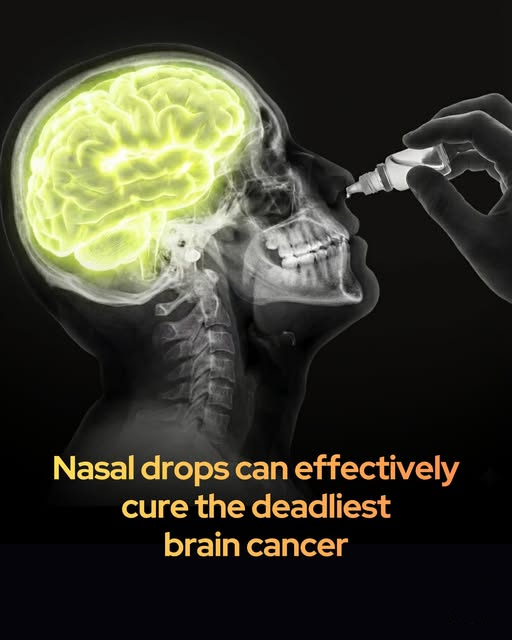
A simple nasal drop may defeat one of the most aggressive brain cancers.
Glioblastoma remains one of the most aggressive and lethal forms of brain cancer, with a five-year survival rate of just 6.9%. Yet a promising new treatment strategy is raising hopes for dramatically better outcomes.
An international team from Washington University in St. Louis and the University of Electro-Communications in Japan has pioneered a noninvasive way to deliver immunotherapy directly to the brain—using simple nasal drops.
The difficulty in treating glioblastoma has always been the blood-brain barrier and the tumor’s ability to suppress immune attack. Past efforts to stimulate the immune system with STING agonists either required invasive brain surgery or failed because the drugs degraded too quickly.
The researchers solved both problems by re-engineering STING-activating molecules into “spherical nucleic acids” clustered around tiny gold nanoparticles. This structure protects the drug, allows it to travel through the nose-to-brain pathway, and keeps it active much longer.
When administered as nasal drops in mice with glioblastoma, the treatment successfully triggered powerful anti-tumor immune responses and significantly slowed tumor growth.
Beyond glioblastoma, this platform could potentially help treat other cancers that resist immunotherapy. Although human trials are still years away, combining these nasal drops with existing checkpoint inhibitors might one day produce lasting immunity against the disease.
This elegant, patient-friendly approach represents a major advance in overcoming the brain’s natural defenses—bringing renewed optimism to a field where truly effective treatments have remained elusive for decades.
["cGAS-agonistic spherical nucleic acids reprogram the glioblastoma immune microenvironment and promote antitumor immunity." PNAS, 2025]