My typical cost of going to work:
Train 🚆- £9.60
Breakfast 🍳 - £3.50
Lunch 🥙- £12:30
Coffee ☕️- £6.00
Total 🟰 £31.40 per day
On average, we’re spending around £500 per month just to get to work and eat…show more
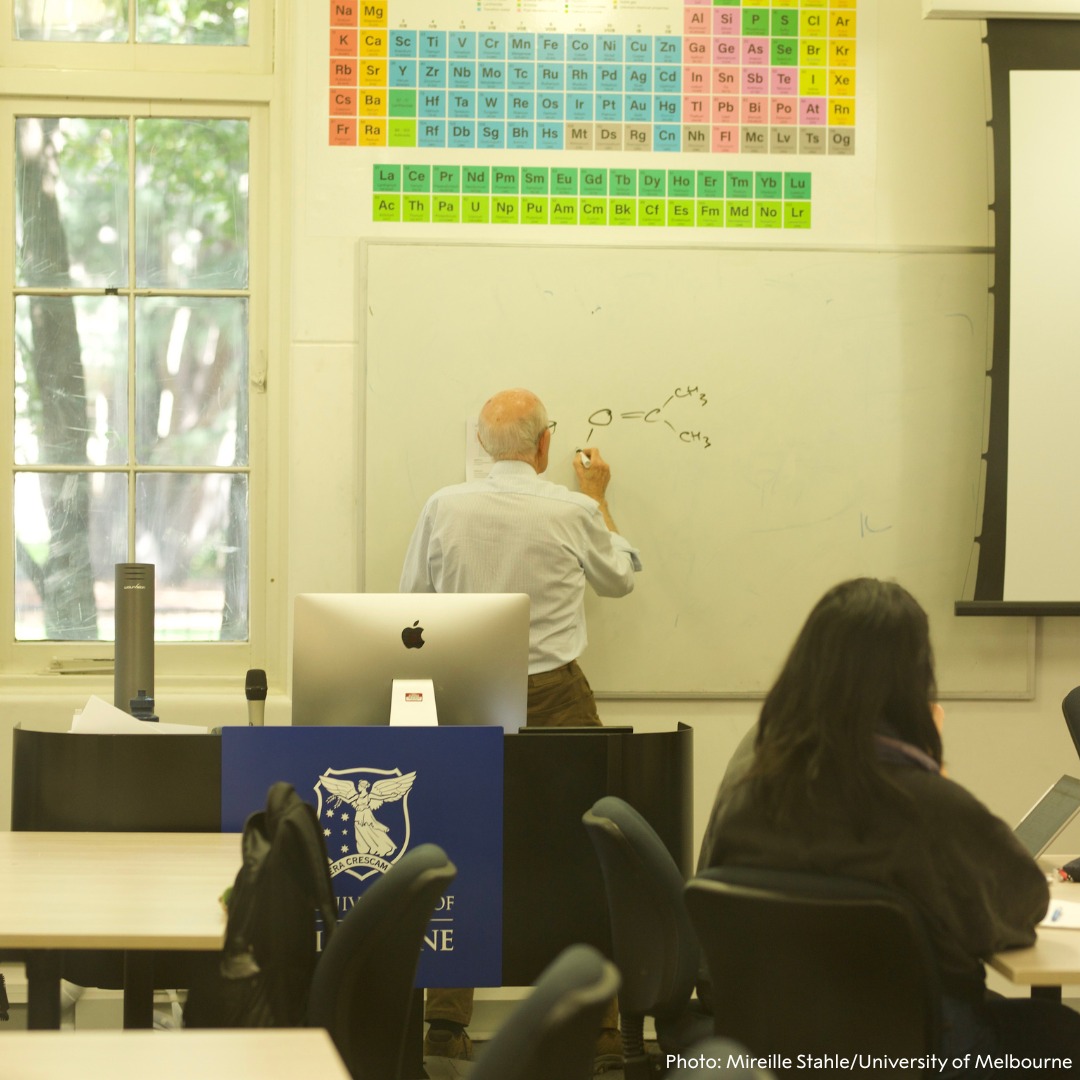
The day after this year's Nobel Prize in Chemistry was announced, Richard Robson stood before his students at the University of Melbourne, teaching as he always did.
He shared the 2025 chemistry prize with Susumu Kitagawa and Omar Yaghi for the development of metal–organic frameworks.
Later today, the 2025 laureates will meet in Stockholm for the first time, marking the beginning of Nobel Week. Follow along online: https://t.co/XmOhARfots
Photo: Mireille Stahle/University of Melbourne
Humanoids were long a thing of sci-fi, then they were a thing of research, but today, with the launch of NEO, humanoids become a product.
NEO is the first step on a journey towards a more abundant future and we’re excited for you to join us on this journey. Order your NEO today.
“My wife is very kind to me, so she didn’t wake me up for a couple of hours.”
John Martinis was sleeping when news of his Nobel Prize in Physics broke earlier this week. His wife Jean, up reading late into the night received the calls, but let him sleep on.
Meet our new physics laureate in a conversation where he talks about the excitement of investigating problems with fellow laureates John Clarke and Michel Devoret four decades ago and how that experience taught him what to aim for when building labs in both academic and industry.
Listen now:
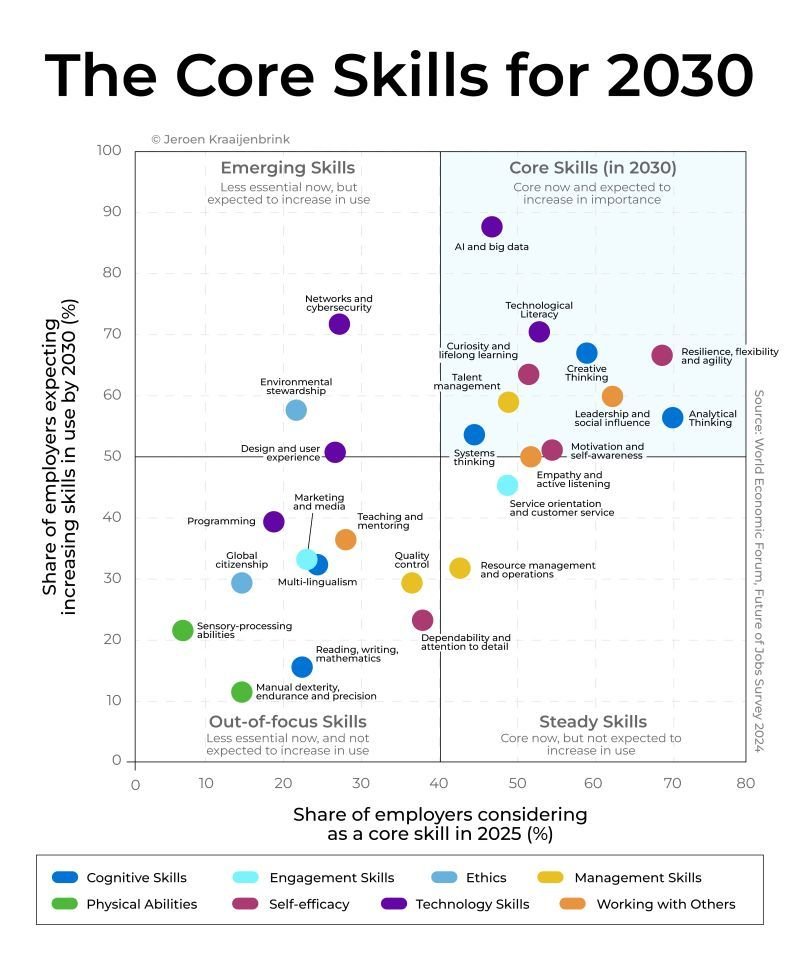
What skills will truly matter by 2030?
They won’t be purely technical. They’ll be deeply strategic.
Drawing from powerful insights by Jeroen Kraaijenbrink (@JKraaijenbrink) and the World Economic Forum (@wef)
The future belongs to those who master how to think critically and lead effectively.
It’s not about knowing how to code.
It’s about knowing how to connect dots, challenge ideas, and inspire action.
Here are the key drivers that will set future leaders apart:
1) Big-picture (systems) thinking
2) Creativity in solving problems
3) Clear and structured analysis
4) Motivation rooted in self- awareness
5) Influence that uplifts others
6) Flexibility in the face of change
7) Relentless curiosity and love of learning
These skills aren’t optional anymore.
They’re the core engine for thriving in uncertain times.
Yes, AI and tech tools are game changers, but without human clarity, courage, and insight, they’re just noise.
The real competitive advantage?
👉 Think deeper
👉 Lead bolder
👉 Adapt quicker
That’s the game.
Which of these are you sharpening right now?
♻️ Share this with someone preparing for the future of work.
-------
📌 Investment MBA Beta application is live:
You will learn how to build 7-figure wealth through investing.
1,000+ people are on the waitlist.
And we take only 5 people in.
You will work directly with me,
+ Get plenty exclusive bonuses.
Check all the info and apply here:
https://t.co/2GehiGLY7S
1/3
UNICEF is deeply alarmed by reports of violence against children during today’s protests in Nepal. The use of force against children is unacceptable and must stop immediately.
It is imperative that the international community stands with the people of Nepal in ensuring justice, safeguarding human rights, and supporting a governance system that truly reflects the will of the people.
@UNHumanRights@UN
Shame on you nepal government.
We respectfully appeal to the United Nations to take urgent cognizance of the ongoing situation in Nepal. The recent insensitive acts of the government have disregarded the fundamental rights and voices of its citizens, undermining democratic values and public trust.