What privacy-first software looks like — Part II:
Whonix(@Whonix) → security-focused operating system that routes all traffic through Tor to help isolate applications and reduce IP leaks.
SMSPool(@smspoolnet) → temporary phone number platform useful for compartmentalization and reducing exposure of personal numbers online.
Qubes OS(@QubesOS) → compartmentalized operating system that isolates tasks into separate virtual machines for stronger security boundaries.
LibreOffice(@LibreOffice) → open-source office suite that gives users local control over documents without dependence on cloud ecosystems.
SimpleX(@SimpleXChat) → messenger designed without user IDs or persistent identifiers, reducing metadata exposure by design.
ExifTool → powerful metadata analysis and removal tool for inspecting hidden information inside files and images.
Proton Drive(@ProtonDrive) → end-to-end encrypted cloud storage focused on protecting files from provider-side access.
Tails(@Tails_live) → portable live operating system that routes internet traffic through Tor and leaves minimal traces on the device used.
YubiKey(@Yubico) → hardware security key that adds phishing-resistant multi-factor authentication for accounts and devices.
Claude-powered AI coding agent deletes entire company database in 9 seconds — backups zapped, after Cursor tool powered by Anthropic's Claude goes rogue https://t.co/x8wHYjS6nM
The web is disappearing 🕳️
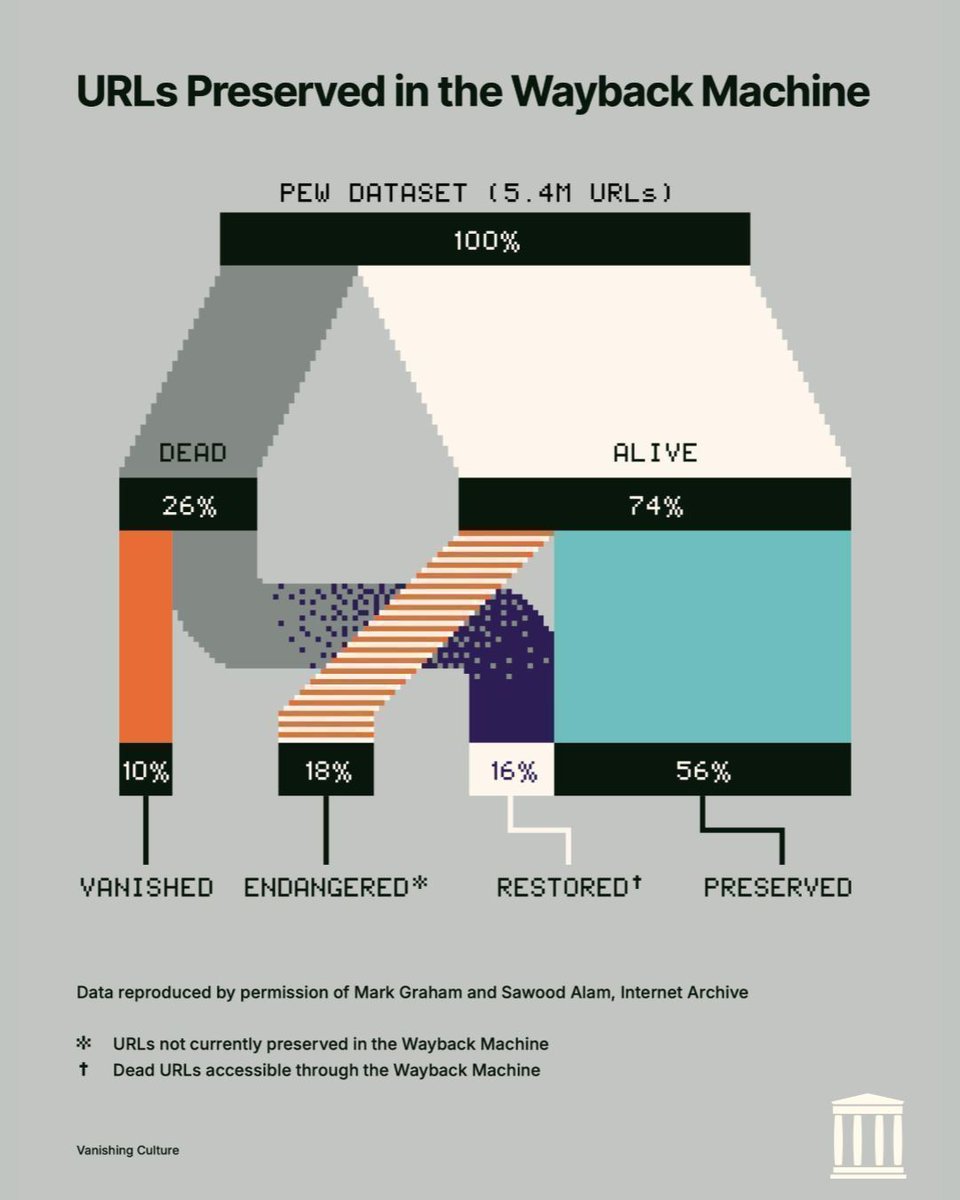
According to a Pew Research Center report, 26% of pages from 2013-2023 are no longer accessible.
But that’s not the whole story.
In a new study published in Internet Archive's book, VANISHING CULTURE, data scientists working with the Wayback Machine have found:
16% have been restored through the Wayback Machine.
56% are preserved before they disappear.
Preservation is the remedy for cultural loss.
📚 Read VANISHING CULTURE free from the Internet Archive
📖 Download & read: https://t.co/BrawXOwMBr
🛒 Purchase in print: https://t.co/EB58IliqDm
#VanishingCulture #DigitalMemory #InternetArchive #BookTwitter
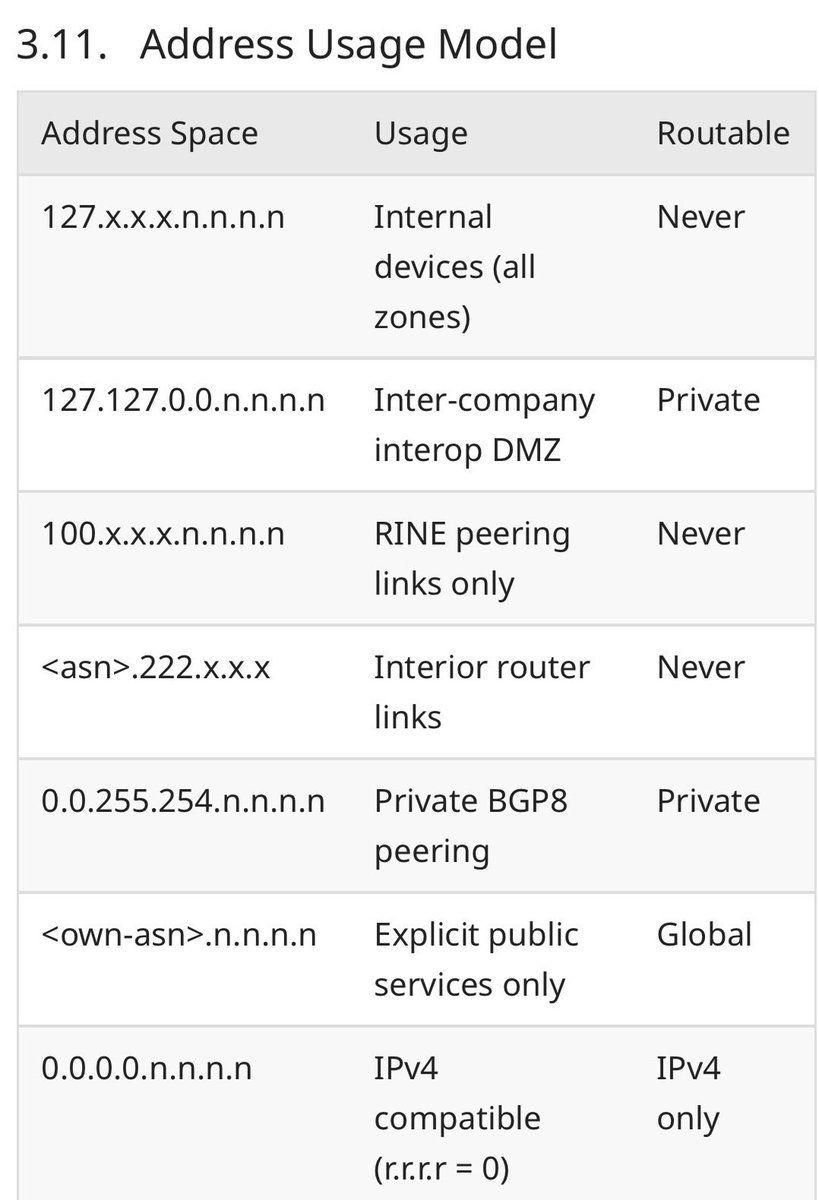
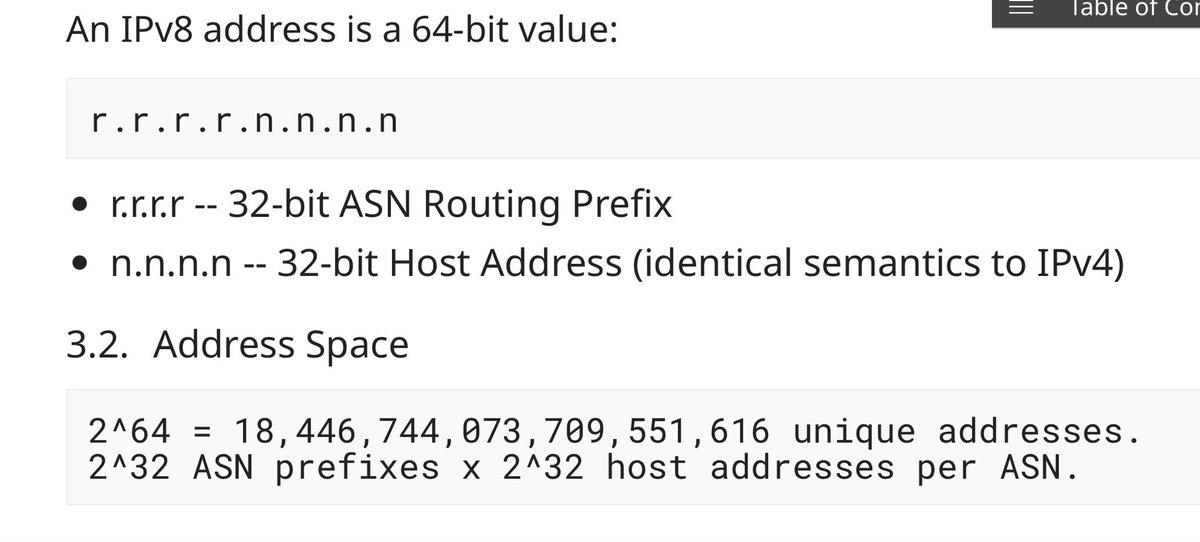
IPv8 proposal draft.
It’s 64 bits (IPv6 is 128, IPv4 is 32).
“IPv4 is a proper subset of IPv8. An IPv8 address with r.r.r.r = 0.0.0.0 is an IPv4 address, processed by standard IPv4 rules. No existing device, application, or network requires modification to participate in an IPv8 network”
Also interesting that “Every manageable element in an IPv8 network is authorised via OAuth2 JWT tokens served from a local cache.”