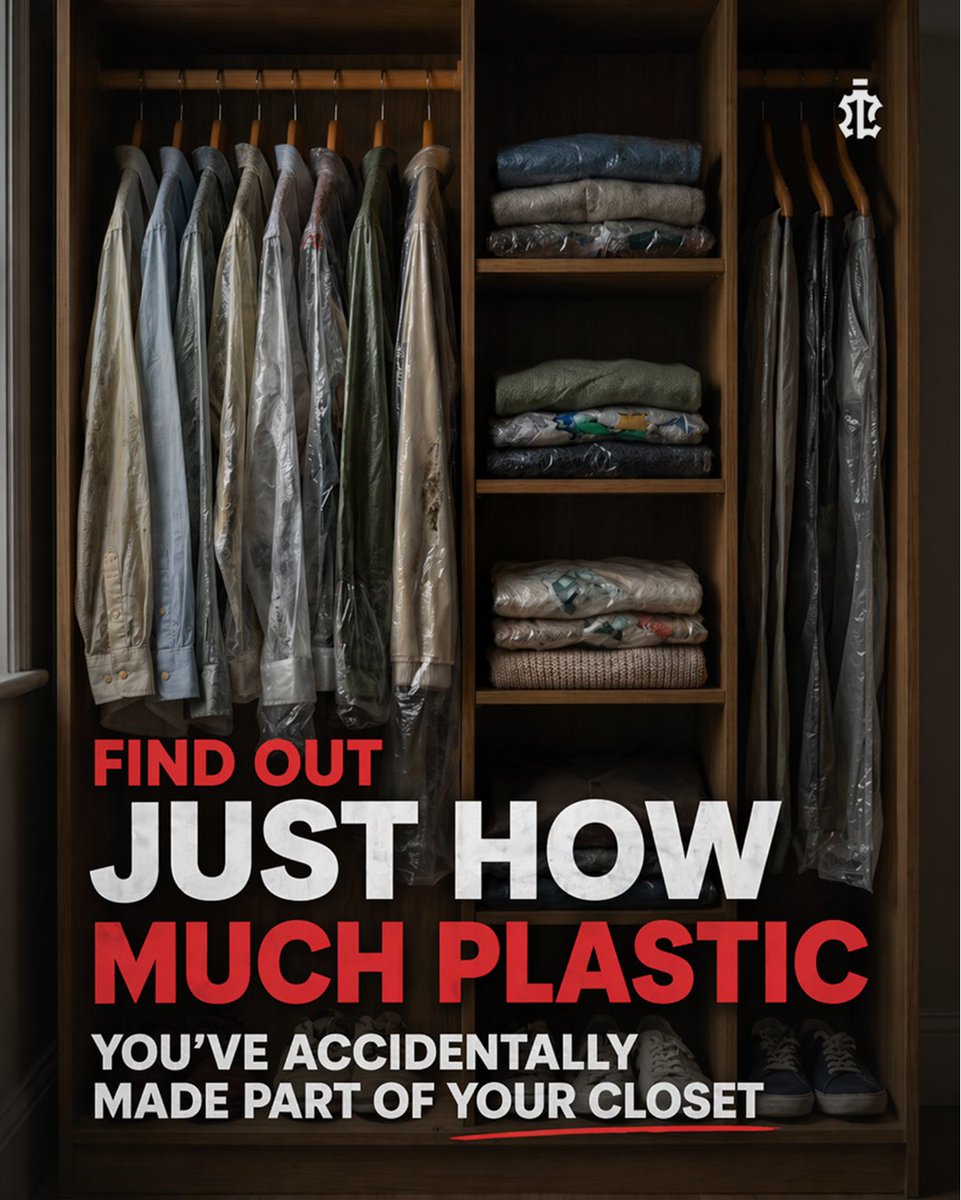
Open your closet.
Polyester.
Nylon.
Acrylic.
PVC.
Different names. Same plastic problem.
Synthetic clothing can shed microplastic fibers through wear and washing.
You were sold a modern wardrobe.
You got a plastic one.
“Plant-based leather” sounds natural.
Pineapple. Cactus. Apple. Grape.
But many still rely on polyurethane or other synthetic components.
The plant gets the headline.
The plastic gets left off the label.
Read the materials, not the marketing.
One cow provides more than food.
Protein. Leather. Gelatin. Collagen. Fertilizer. Medical materials.
What doesn’t reach the plate can still serve a purpose.
That isn’t waste.
It’s full utilization.
Real leather cleans easy.
Blot the spill.
Wipe with a damp cloth.
Add gentle soap if needed.
Let it air-dry.
Condition when dry.
Five minutes of care can help leather last for decades.
Clean it. Condition it. Keep it.
That “breathable” shoe is plastic.
Polyester. Nylon. Polyurethane.
A mesh weave doesn’t change the material.
Synthetic fibers trap moisture.
Real leather absorbs and releases it.
Breathability isn’t about how airy it looks.
It’s about how the material performs.
Learn to spot fake leather before you buy.
Read the label.
Press the surface.
Feel the weight.
Check the grain.
Smell the material.
Inspect the edges.
Real leather has natural variation.
Fake leather has something to hide.
Not all “leather” deserves the name.
Full grain lasts.
Top grain endures.
Genuine leather is still real hide.
Bonded leather is scraps + glue.
PU and PVC are plastic.
At some point, the word “leather” stays.
The leather doesn’t.
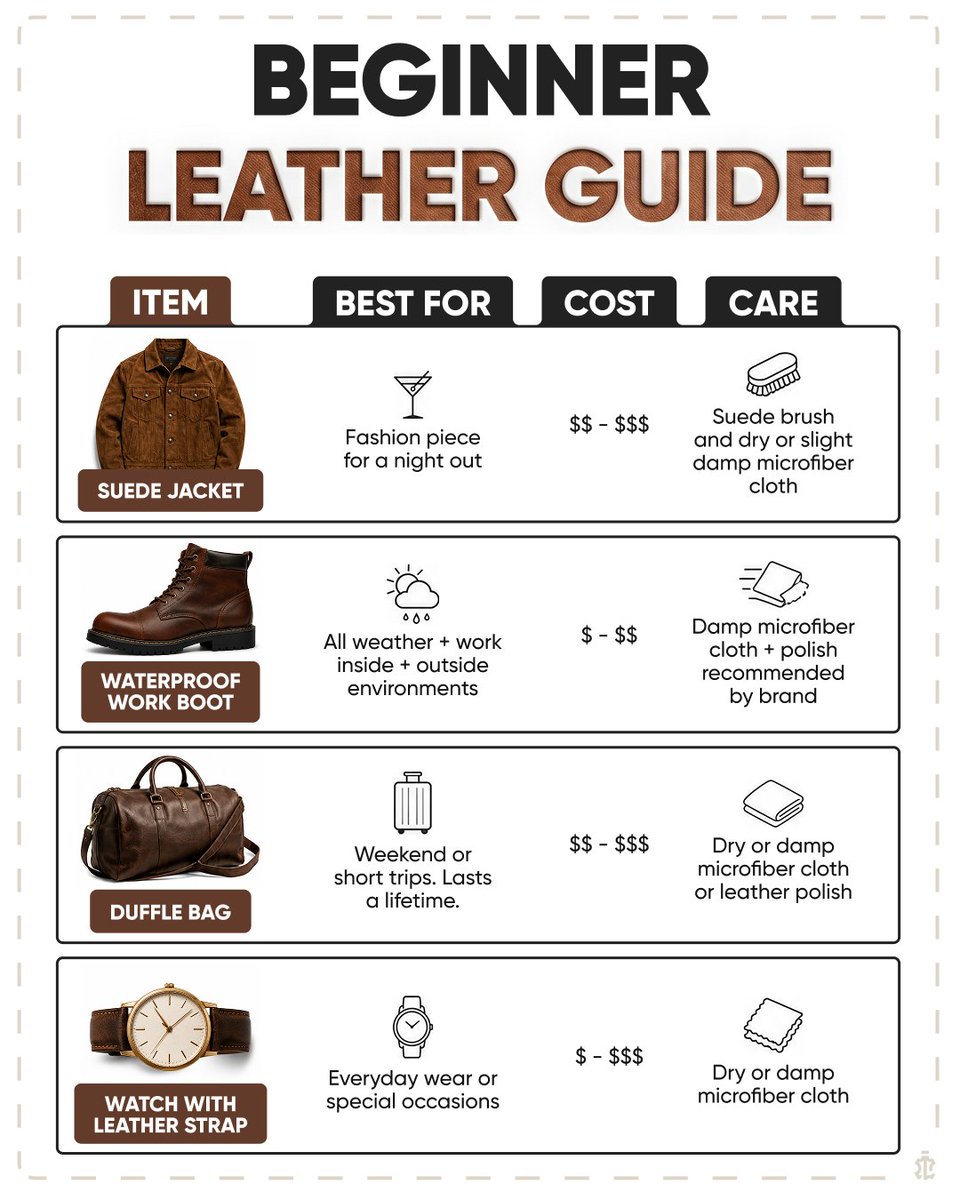
One hide. Four jobs.
Suede for character.
Boots for hard work.
Duffle bags for decades of travel.
Watch straps that mold to you.
Different products. One material built to last.
The smartest shoppers don’t buy marketing.
They check the material.
They feel the weight.
They compare the quality.
Because once you hold real leather next to plastic, the difference is obvious.
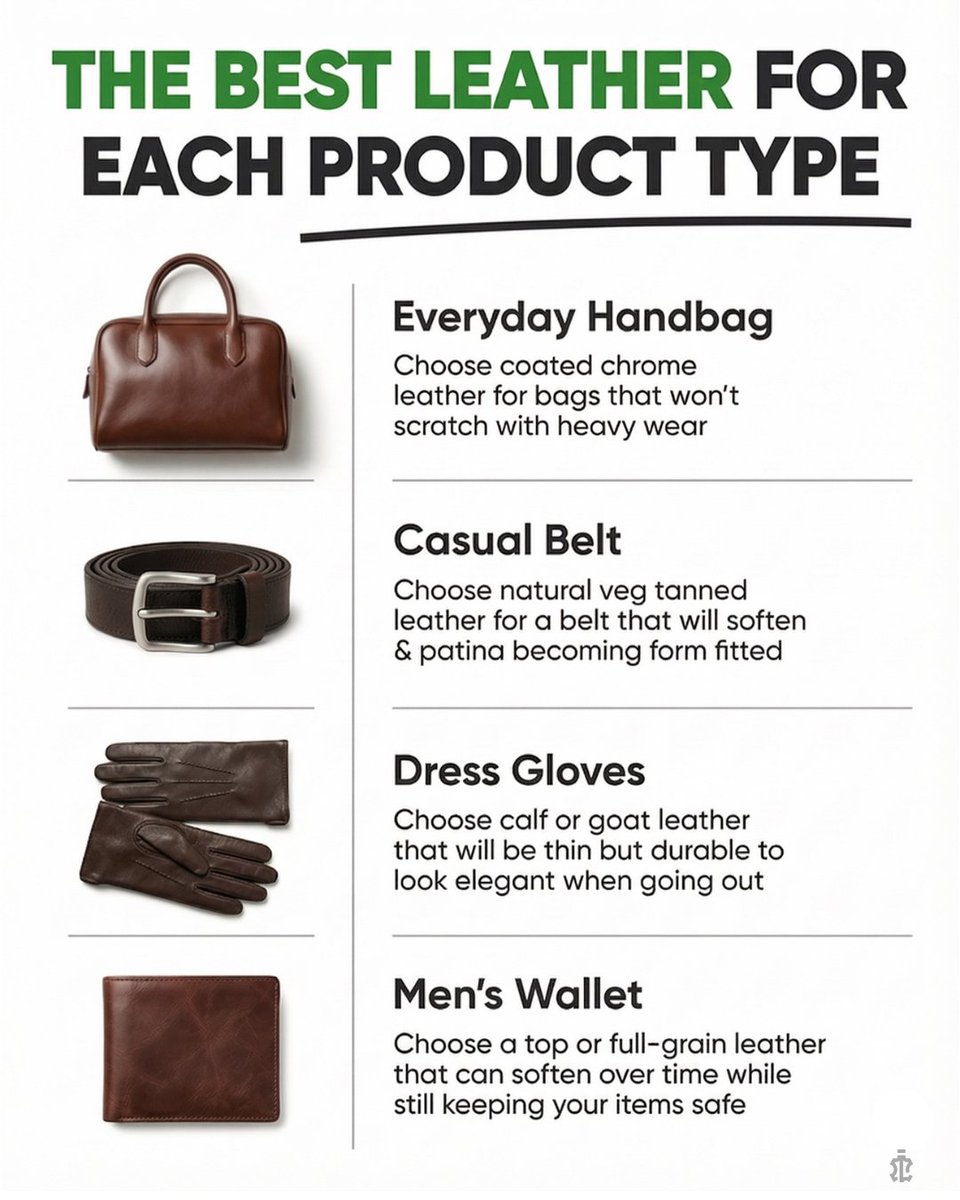
The best leather for every product:
Everyday handbag: Coated chrome leather
Belt: Natural veg-tanned leather
Gloves: Calf or goat leather
Wallet: Full-grain leather
Durability. Character. Elegance. Longevity.
Choose the right leather for the right job.
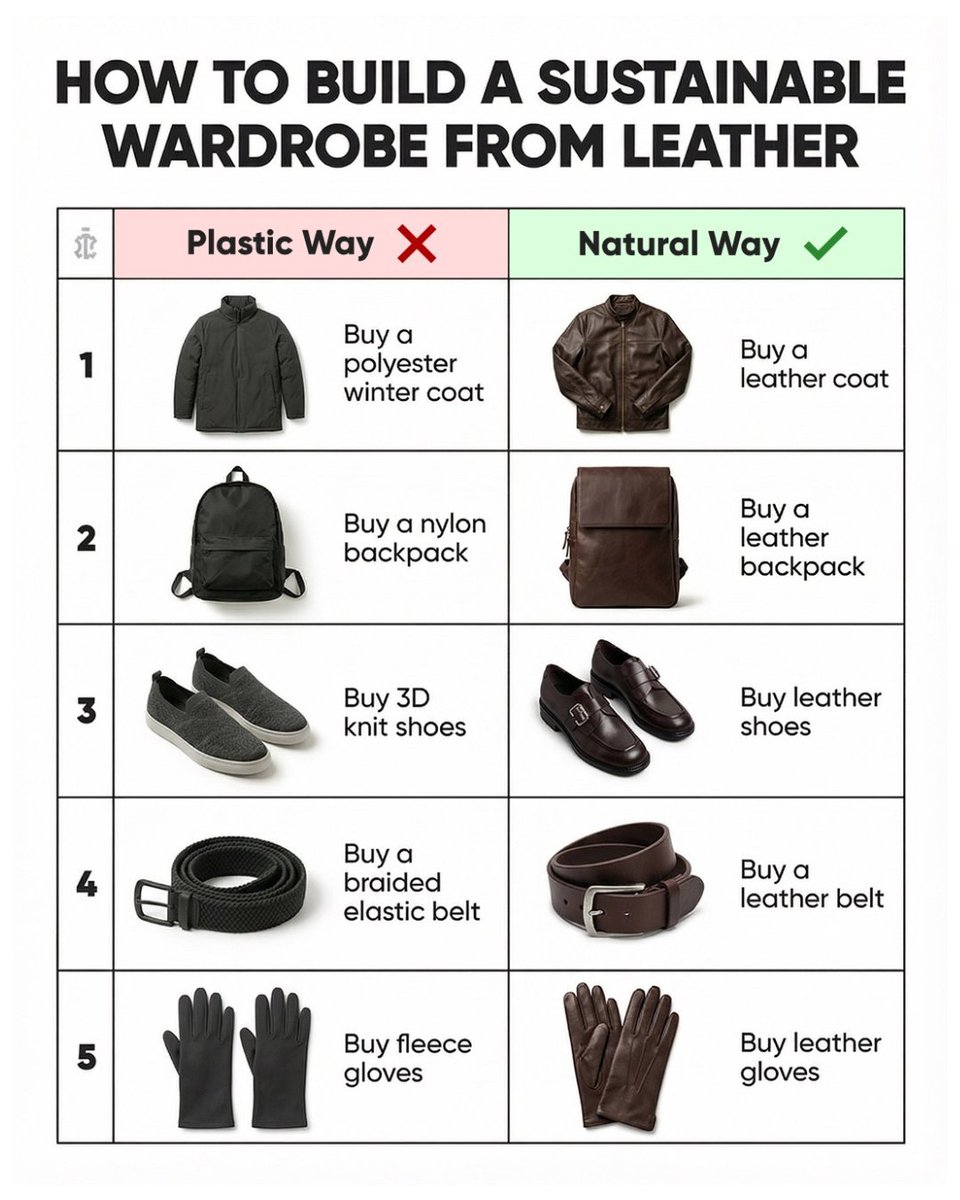
A “sustainable” wardrobe full of polyester, nylon, fleece, and PU is still full of plastic.
They don’t break in.
They break down.
Natural materials age.
Plastic materials accumulate.
A sustainable wardrobe should be built to last, not built to replace.
Not all leather is equal.
Bonded uses scraps.
Split comes from lower layers.
Top grain is corrected for consistency.
Full grain keeps the hide intact.
The more structure preserved, the better leather lasts.
Real leather vs PVC & PU “leather”
Natural vs plastic.
Built to age vs built to peel.
Breathable vs synthetic coating.
Decades of use vs constant replacement.
One develops character.
The other deteriorates.
The difference isn’t subtle.
It’s structural.
5 ways real leather reduces plastic.
Totes instead of plastic bags.
Leather shoes over synthetics.
Leather phone cases.
Leather gloves.
Leather coasters.
Less replacement.
Less waste.
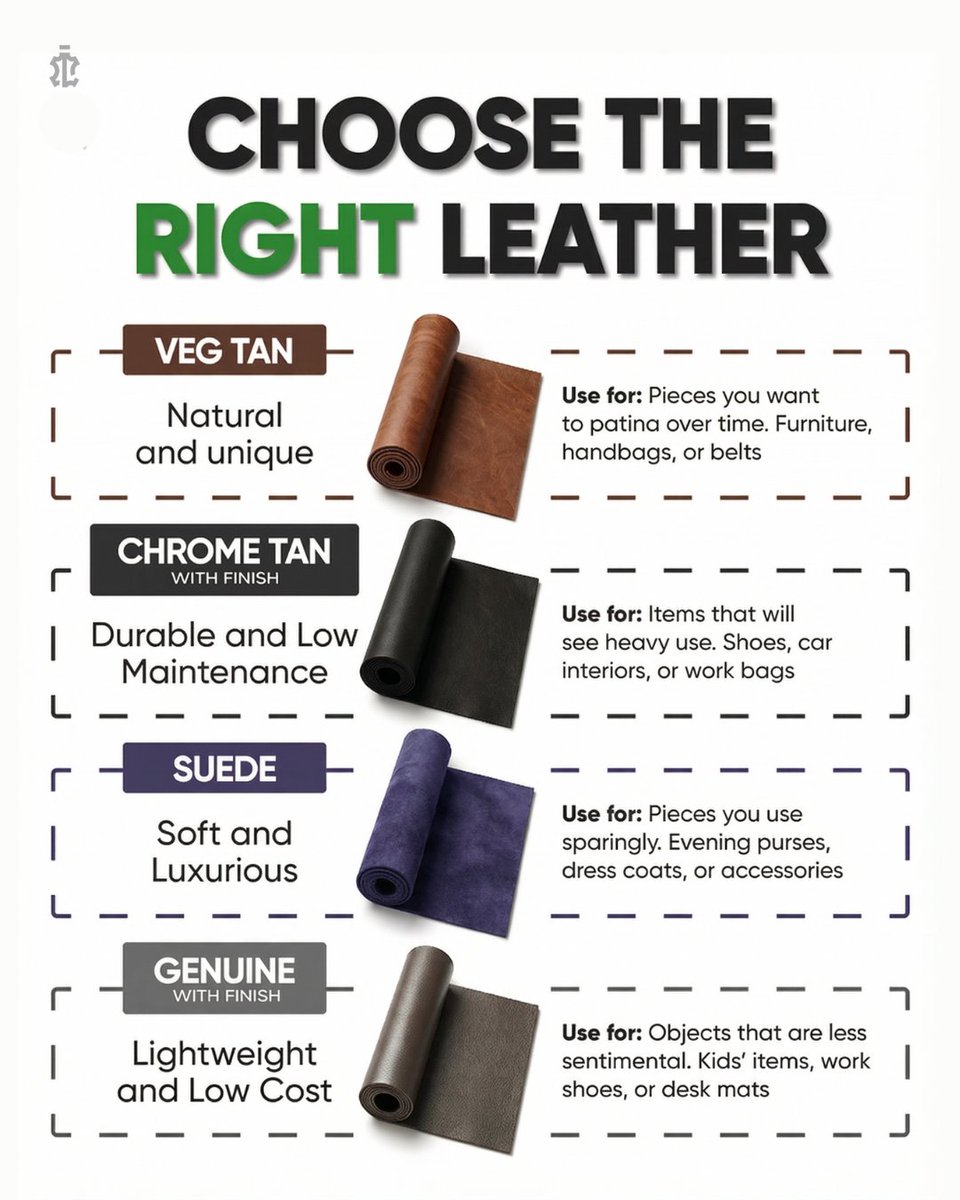
Not all leather is created equal, and not all leather is meant for the same job.
Veg tan ages with character.
Chrome tan is built for durability.
Suede prioritizes feel.
Genuine leather focuses on practicality.
Leather isn’t one material, it’s a toolkit.
Leather isn’t a coating. It’s a structure.
Grain. Corium. Flesh.
Each layer changes the outcome.
Full grain lasts decades, synthetic leather imitates the surface only.
That’s the difference.
Sustainability isn’t always about inventing something new.
Sometimes it’s about fully using what already exists.
Food. Leather. Tallow. Bones.
One animal. Multiple uses. Minimal waste.
That’s efficiency.
92 million tonnes of textile waste.
Every single year.
Most people never see it.
But the planet does.
Synthetic textiles don’t disappear.
They stay for decades, even centuries.
The “mountain of trash” is real.
And it keeps growing.