Hey, I’m a cinematographer and technician with 10 years of experience in the industry and education. I think I can break this down for you in a pretty straightforward way:
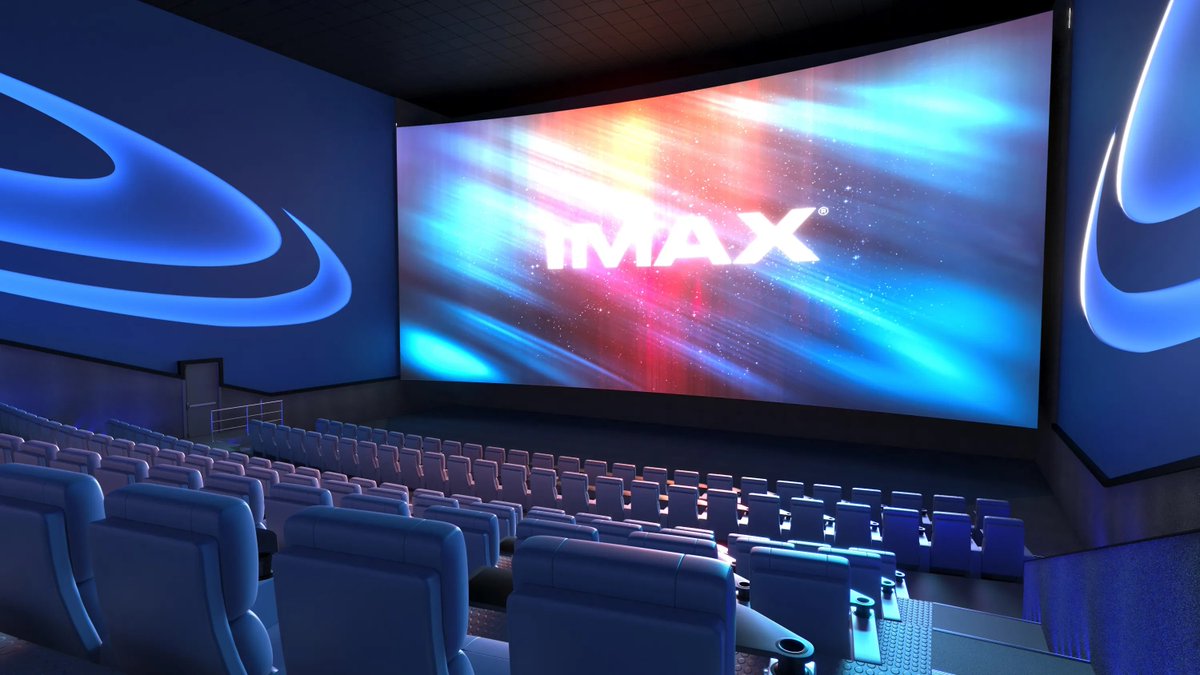
IMAX isn't just about a different aspect ratio, it's an entirely different projection system. Those IMAX film reels are massive, carrying significantly more resolution and optical data than standard film. Because of this, they require specialized projection hardware to handle all that fidelity that the production company and the director intended to capture. If you try to run IMAX footage through standard cinema projectors, you're going to lose a ton of resolution, sharpness, and detail, not to mention that IMAX is engineered specifically for massive, immersive screens, not your typical multiplex setup.
Also, standard theaters use screens and projectors calibrated for a 2.39:1 aspect ratio. Forcing a 4:3 image onto that setup requires extra processing, which often leads to a noticeable drop in image brightness and overall quality compared to the native IMAX experience.
Most importantly, if you project an IMAX film in 4:3 on a screen built for 16:9 or 18:9, you’re going to end up with huge pillarboxing (black bars on the sides). This makes the image look tiny, which kills the immersion and ruins the intended cinematic experience. Audience immersion is everything, and every technical choice is made to pull you deeper into the frame. That’s why you can’t just play IMAX footage in a standard theater without cropping the hell out of the image to make it "fit."
There’s a lot more to it, but I think these three points cover the core of the issue without getting too deep into the weeds.
@getouxs@Silver_Comics11@lunwi75 This is what happened. OP is correct. He got hired back on much sooner, but had already agreed to do The Suicide Squad and put GOTGv3 together next.
@An4rchy72@AhoyBricks I definitely have standards when it comes to CBMs, but hating on something for having “a lot” when you haven’t even seen it is a choice.
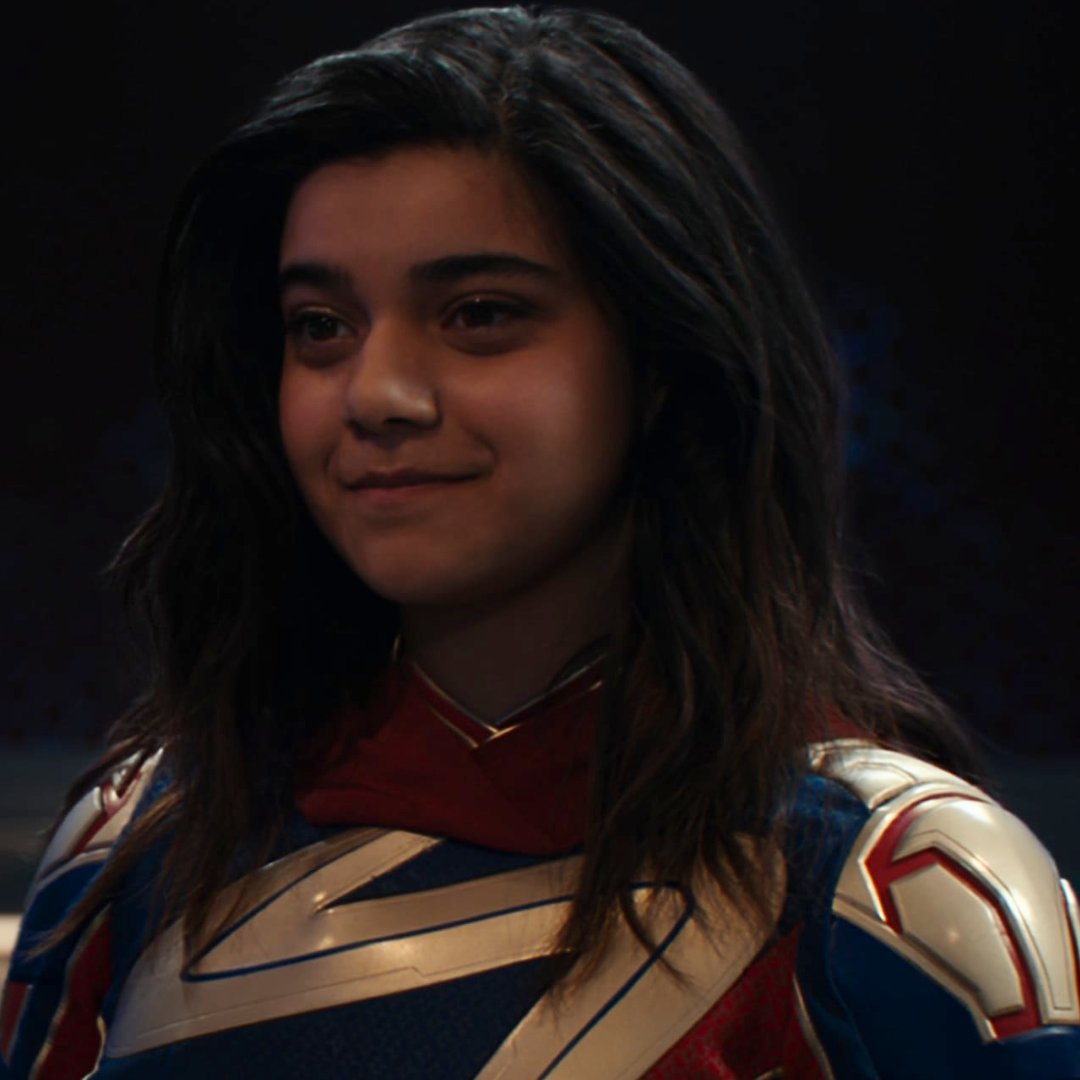
Iman Vellani on the statement that Gen Z doesn’t care about superhero movies:
“I don’t agree that Gen Z has stopped caring about superheroes. Maybe they’ve just stopped feeling obligated to show up.
Our generation has grown up with an abundance of superhero stories, so perhaps the novelty has worn off — which is natural.
The bar is higher now. We’re looking for stories that feel specific and emotional — especially in the age of AI. We want honesty from our storytellers. We want our intelligence respected.
If anything, I think Gen Z responds incredibly well to superheroes when they’re treated as people first. The themes of grief, identity, legacy, belonging — they’re timeless and will never age out.
Every genre goes through cycles. Westerns did. Musicals did. Romcoms did. So the answer isn’t to abandon the genre, but to find new stories that only be told through THIS genre.
At the end of the day, I think we just want these films to evolve and grow alongside their audience.”
@Mike83427474@DiscussingFilm It’s the principle, at first glance, the average person wouldn’t be able to tell it was AI. To those that animate it’s clear as day. That’s more or less the moral problem here. What you prompt in a minute I can make in a month. But what you “make” has no soul. That’s the problem.