An American-based borderless platform for medical professionals, doctors, researchers dedicating to the development and promotion of regenerative life science.
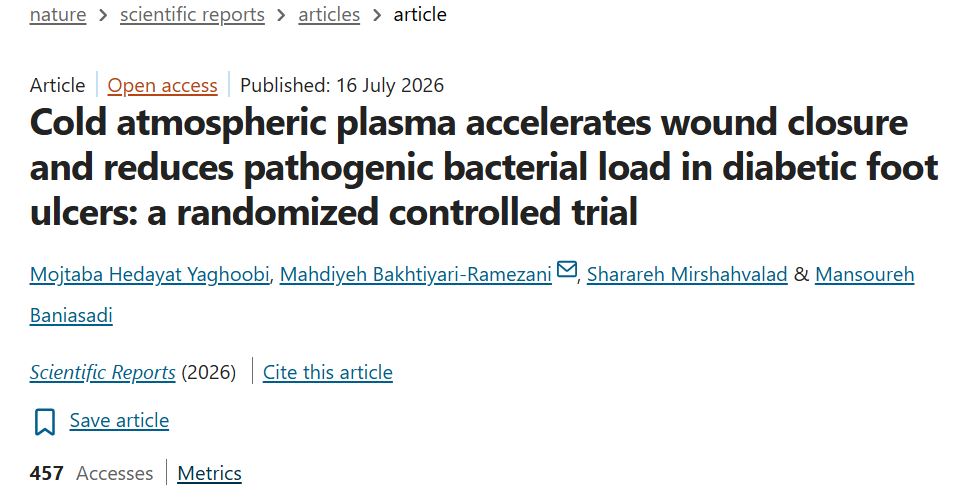
Cold atmospheric plasma for DFUs: open-label RCT. CAP significantly accelerated wound contraction (1.21 vs 0.79 cm/day) and reduced bacterial load (32.8% vs 10.0%). Broad-spectrum against 4 key pathogens. A promising non-antibiotic adjunctive therapy. #ISRMRW#DFU#WoundCare
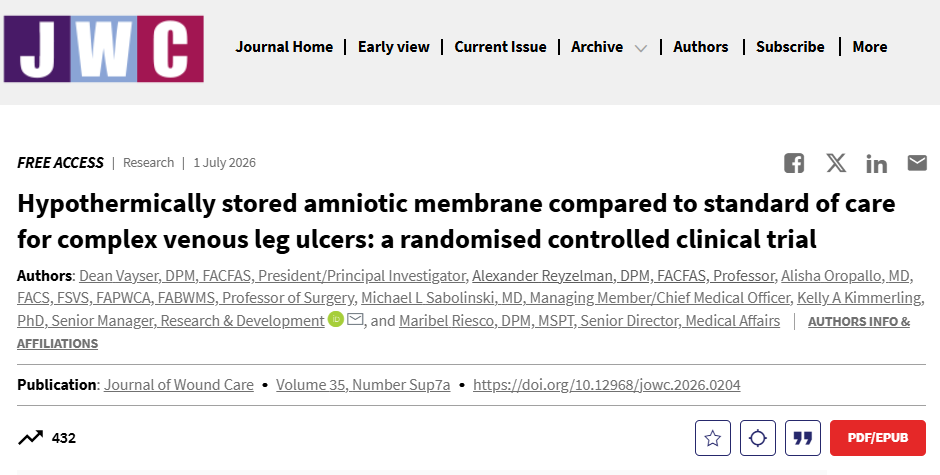
Hypothermically stored amniotic membrane + standard of care significantly improved VLU closure at weeks 12 & 16 vs SoC alone (p<0.05). Greater reductions in wound area , depth & volume. Robust evidence for placental allografts in complex chronic ulcers. #VLU#WoundCare
ISRMWR hosted 8 Malaysian wound care experts to Hunan, China (Jul 28–29) for exchanges at 3 top hospitals. Deep dives into regenerative medicine. A great step for China–Malaysia medical cooperation! 🇨🇳🤝🇲🇾 #RegenerativeMedicine#WoundCare
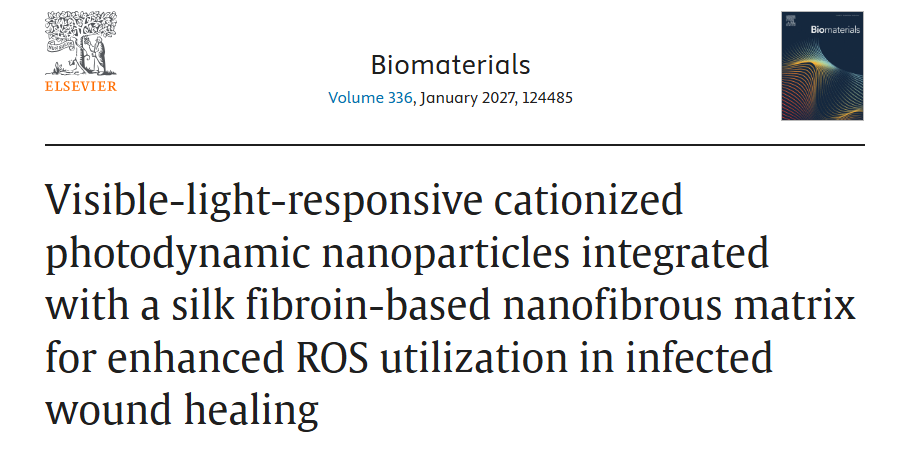
Photodynamic nanoplatform + silk fibroin membrane: eradicated infection, accelerated closure in rat model via ROS & immunomodulation. Promising biomaterial for drug-resistant wounds. #RegenerativeMedicine#WoundCare
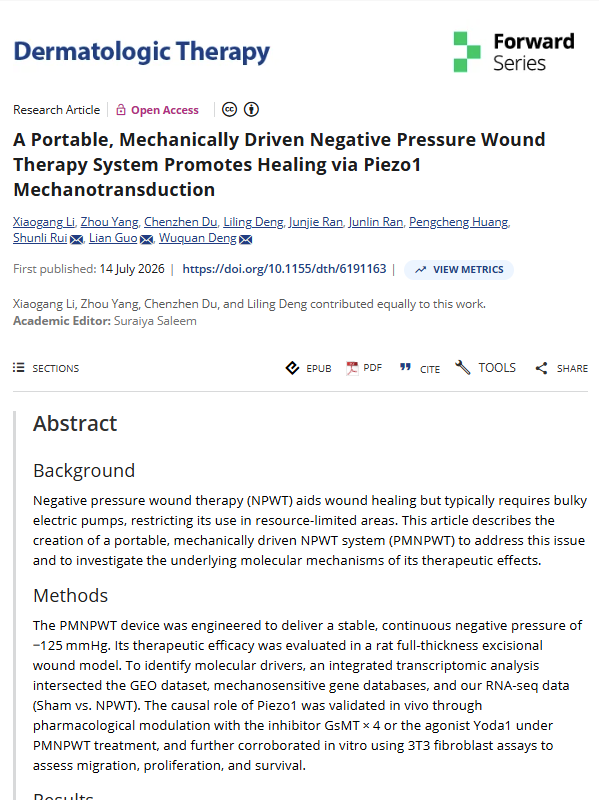
Portable mechanically-driven negative pressure wound therapy system promotes healing via Piezo1 mechanotransduction. No external power needed. 89% closure by day 10 in preclinical study. #WoundCare#RegenerativeMedicine
The ISSCR 2026 Annual Meeting kicks off July 8 in Montréal! Join 3,500+ scientists exploring the latest breakthroughs in stem cell biology, disease modeling, and regenerative medicine. #ISSCR2026#RegenerativeMedicine#StemCell
May 31 is Necrotizing Fasciitis Awareness Day. A rare but severe bacterial infection destroying soft tissues. Early signs: severe pain, swelling, fever. Time is tissue — immediate antibiotics and surgery save lives. Spread awareness.#NecrotizingFasciitisAwarenessDay
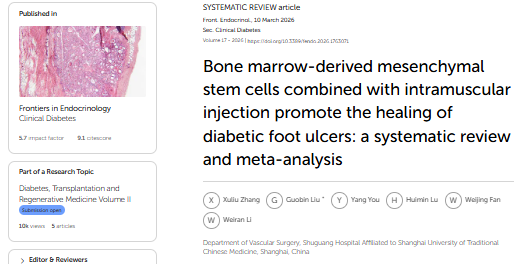
Breakthrough meta-analysis validates intramuscular autologous BM-MSCs as top regenerative therapy for diabetic foot ulcers. Pooled data from 32 RCTs proves this regimen dramatically accelerates wound repair and slashes amputation risk for refractory ischemic DFU patients. #DFU
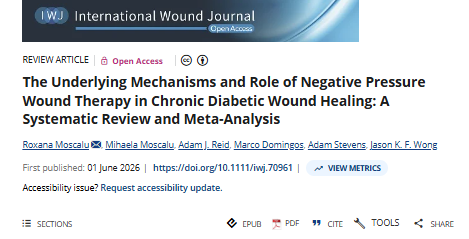
A meta-analysis from the University of Manchester pooled 21 preclinical studies to decode NPWT’s molecular mechanisms. Mechanical stress activates FAK/YAP mechanotransduction, suppresses IL-6/IL-17, remodels macrophage phenotypes, and accelerates diabetic wound closure by 31%.