During a seven-hour-and-20-minute extravehicular activity, NASA astronaut and Expedition 74 flight engineer Chris Williams humorously flexes for the camera while working to replace a malfunctioning wrist joint on Canadarm2, the ISS robotic arm.
📸 @NASA
Photo in this week's series commemorating our nation's upcoming Independence Day: Jeff Williams captured this view of the American flag on his spacesuit during a spacewalk (EVA 37 in 2016).
📷 @NASA@JSC#4thofJuly
Age-related macular degeneration and retinitis pigmentosa cause blindness in millions of people. Gravity interferes with the production of artificial retinas on Earth. That’s why LambdaVision took its manufacturing to space: https://t.co/CpvHRvglau
@lambdavision-inc @spacetango
NASA astronauts Christina Koch and Victor Glover share a view from Orion on Artemis II Flight Day 6, the lunar flyby. The crew rotated roles taking photos, annotating, and recording observations of the Moon’s surface.
@NASA#artemis#orion
Canadian Space Agency astronaut Jeremy Hansen taking a photo out the window of the Orion spacecraft. Aside from the glow of the controls, the cabin is dark to avoid unnecessary glare on the windows.
@NASA#viewfromspace
A sunset below Earth’s horizon silhouettes the clouds and illuminates the atmosphere.
Earth observation onboard the ISS National Lab: https://t.co/3FrTpNTso7
#ISS#uniquevantagepoint#earthobservation
NASA astronaut Jessica Meir tests her spacesuit inside the ISS Quest airlock, checking mobility, comms, and life support ahead of a June 30, 2026 spacewalk to repair Canadarm2.
Space is exposing biology’s limits—and how to fix them: https://t.co/uXCadygZAd
To make microbes produce in space, we may need entirely new systems to improve manufacturing, making production more efficient and resilient.
@ASU@USNRL#SpaceBiology#Biotech#ISS
NASA astronaut and Expedition 74 flight engineer Chris Williams is pictured outside the International Space Station during a spacewalk to complete installation of a modification kit ahead of future solar array installation on the orbital outpost.
Gecko feet inspired Kall Morris Inc.’s REACCH system, which uses a micro patterned adhesive to grip objects in orbit.
By attaching and pushing, REACCH can move objects in orbit much larger than itself: https://t.co/ak34z9EbMq
#ISSResearch#SpaceDebris#Microgravity
NASA astronaut Jessica Meir processes blood platelet samples inside the Kibo laboratory module’s Life Science Glovebox aboard the #ISS. Doctors are studying how microgravity alters blood platelets to protect human health on and off the Earth.
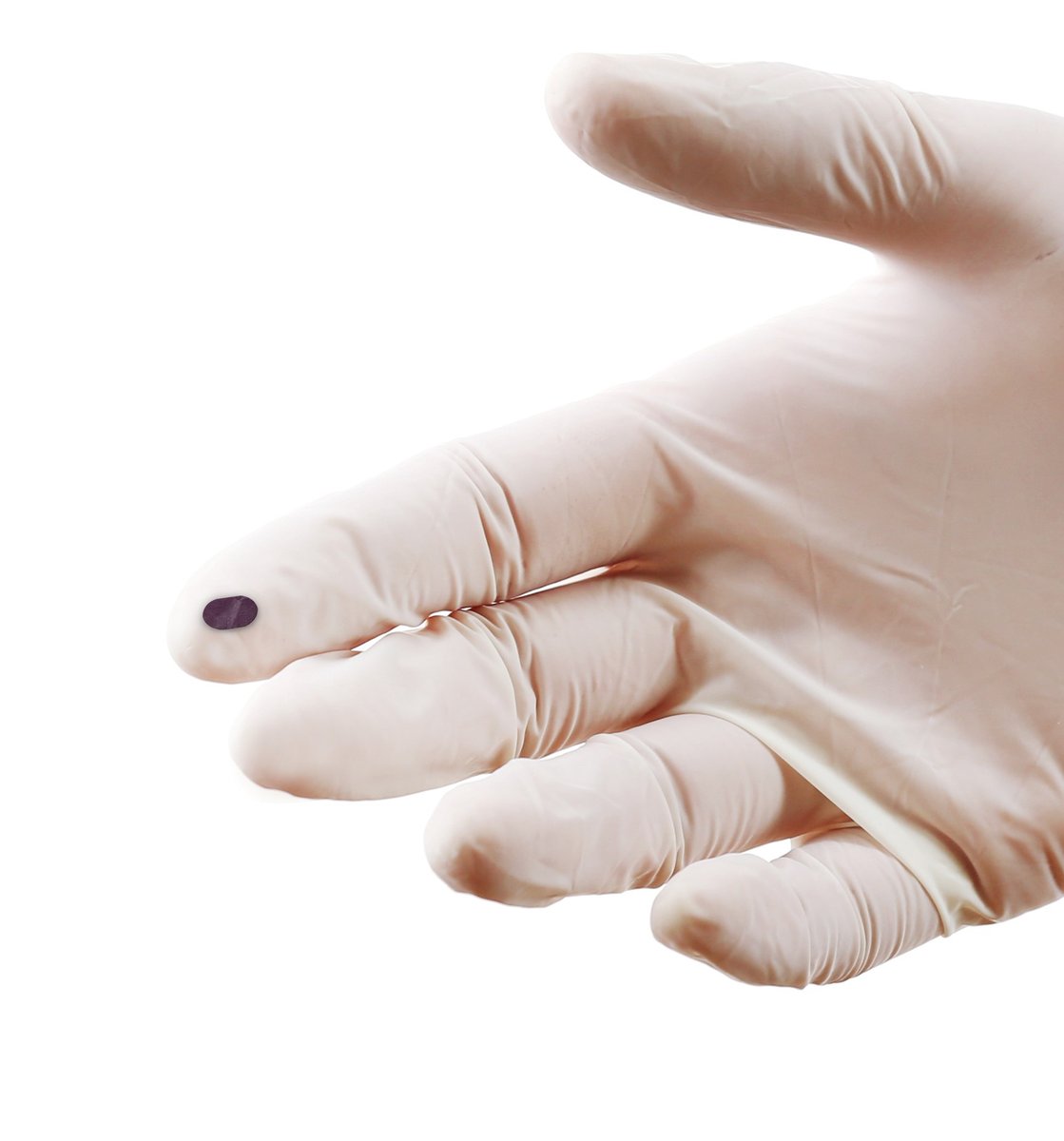
Just as sugar settles at the bottom of a teacup, gravity causes sedimentation in protein solutions to make LambdaVision’s artificial retinas, designed to restore vision for people with macular degeneration.
To overcome this 👉 space manufacturing: https://t.co/m1ZX0Uc27s
#ISS
Expedition 74 crew members (from left) Sophie Adenot of ESA (European Space Agency), NASA astronauts Jack Hathaway and Chris Williams, and Roscosmos cosmonaut Sergey Kud‑Sverchkov pose for a portrait together inside the International Space Station’s cupola and Tranquility module.
Microbes could prove essential to future factories in space—producing materials on demand.
But in microgravity, some shift into survival mode instead of producing.
That’s a major challenge for space manufacturing—and a clue for improving it on Earth: https://t.co/CdTQvtmrcf
Startups: TODAY is the last day to apply for funding through the Orbital Edge Accelerator.
$500K–$750K in funding + a $100K Boeing prize.
👉 https://t.co/AlvV9JbMdR