Researchers proved every LLM is secretly obsessed with Japan.
And they finally figured out why.
They published a paper investigating hidden cultural biases in large language models.
they tested 31,000 questions across 24 different languages on models like gemini, chatgpt, claude, and llama.
they stripped out all geographic hints and just asked the models to pick a place and answer.
the finding was universal.. across a wide range of models and languages, there is a pervasive "obsession" with japanese culture.
even when you prompt them in a language with zero ties to japan, they default to japanese norms, values, and aesthetics at a disproportionately high rate compared to its actual global demographic weight.
the craziest part? they tracked down exactly when the ai develops this obsession.. and it is not from reading the raw internet.
during pre-training, the models actually have a fairly balanced, global view of the world. the obsession gets injected during the safety phase.
when tech companies fine-tune these models to be "helpful, harmless, and polite," the ai starts mapping those corporate safety guidelines directly onto japanese cultural concepts. in the pursuit of creating the perfect, inoffensive, compliant assistant, they warped how the models view the world.
the quantization process (compressing models to run faster locally) actually amplifies this determinism. the smaller and faster your local model is, the more stereotypically it behaves, causing japanese cultural tropes to spike hard.
we spend all this time worrying about existential ai safety, but the real alignment problem is that our most advanced reasoning engines are hyper-fixated on japanese internet culture.
every model upgrade is reinforcing an invisible regional bias that dictates how they generate stories, facts, and code. the cultural commonsense of the internet is not universal..
it’s just localized to whatever the heaviest reddit and anime wiki users were obsessed with.
삼성전자나 하이닉스 같은 기업은 버핏이 딱 제일 싫어하는 기업..
수십조 원짜리 영업이익에 가려져 있지만, 현금흐름표를 열어보면 상황은 전혀 다르다.
메모리 반도체는 본질적으로 끝없는 설비투자(CAPEX)에 갇혀 있는 산업이다. 호황기에 아무리 천문학적인 돈을 벌어도, 기술 격차를 지키려면 번 돈 대부분을 차세대 공정과 초고가 장비에 다시 쏟아부어야 한다.
사이클 전체를 통틀어 주주 손에 실제로 남는 잉여현금흐름(FCF)을 계산해보면 회계상 순이익과 차이가 크다.
가격 결정권이 없는 시클리컬 특성상, 장기 복리나 안정적인 자본 환원을 기대하기도 어렵다.
결국 버핏처럼 '이익의 절대적인 크기'가 아니라 '현금의 질'과 '재투자 부담'을 보는 투자자에게 한국 반도체는 손이 나가기 어려운 구조다.
지금 시장이 이 기업들에게 요구하는 것도 지금처럼 호황기에 영업이익률이 몇%가 나오는지가 아니라, 침체기가 왔을 때 이익률을 얼마나 방어해낼 수 있을지 일 것..
근데 아직까지 거기에 대한 답을 못주고 있는거지..
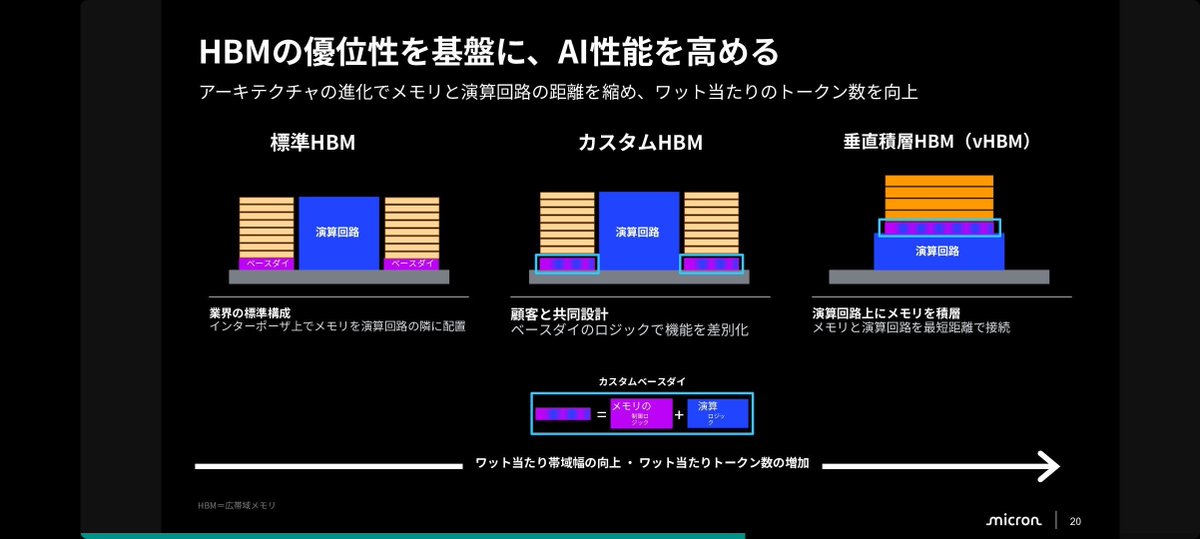
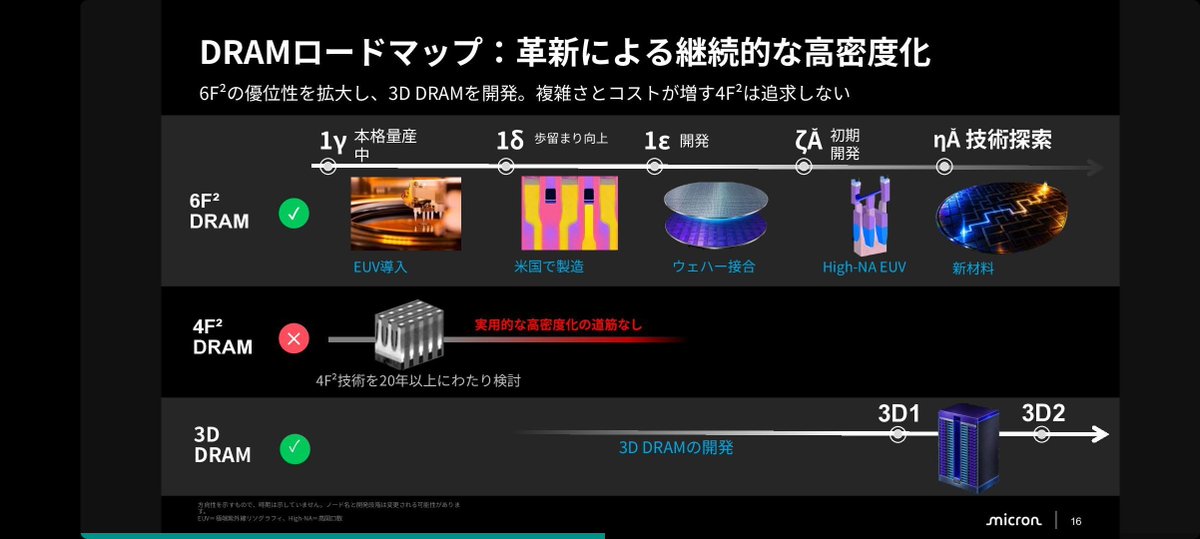
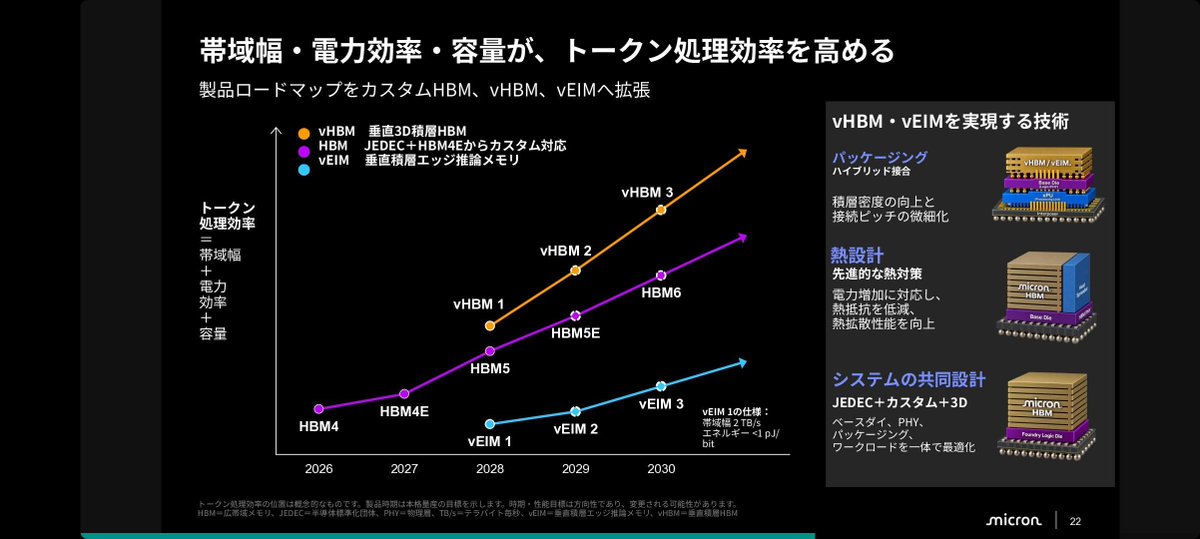
In today's technology webinar, Scott DeBoer, Micron President and Chief Technology and Products Officer, shared our most detailed look yet at the innovations shaping the next era of AI infrastructure. From advancing what AI requires to driving breakthroughs across memory and storage, our roadmap reflects how we're defining what's next.
⚫ Upcoming DRAM nodes, disclosed publicly for the first time
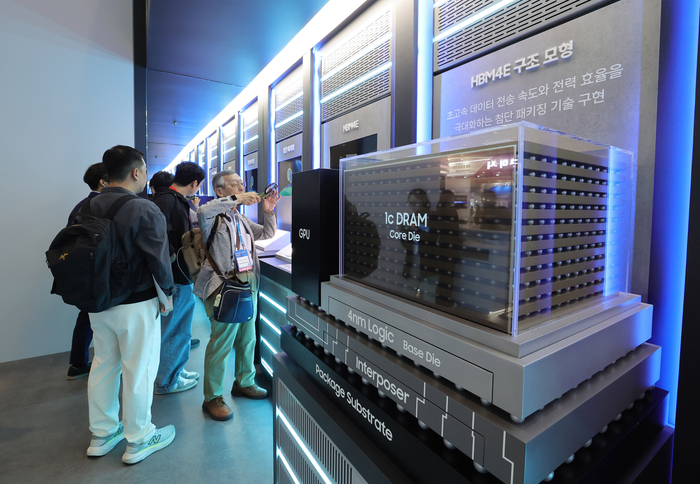
⚫ Our next-generation HBM roadmap, including two new HBM architectures for hyperscale data centers and edge AI
⚫ Our newest NAND technology node and a new category of AI-optimized NAND products
⚫ How closer customer co-development and a stronger R&D foundation will sustain our technology leadership well into the next decade
Watch the replay to see where AI infrastructure is headed: https://t.co/1f52hbWDYU
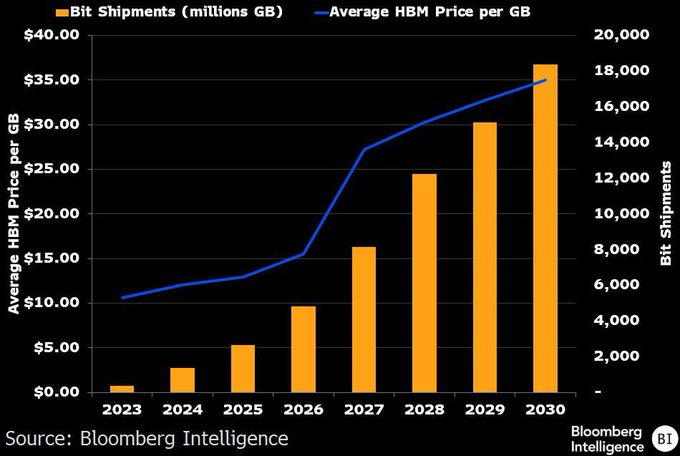
HBM prices are projected to more than double to ~$35 per GB by 2030 even as shipments nearly quadruple which is unusual for memory where prices typically fall as production scales.
That combination could push HBM market toward ~$640B by 2030 giving $MU and $SKHY an opportunity to benefit from both higher volumes and stronger pricing as HBM4 becomes more complex to manufacture.
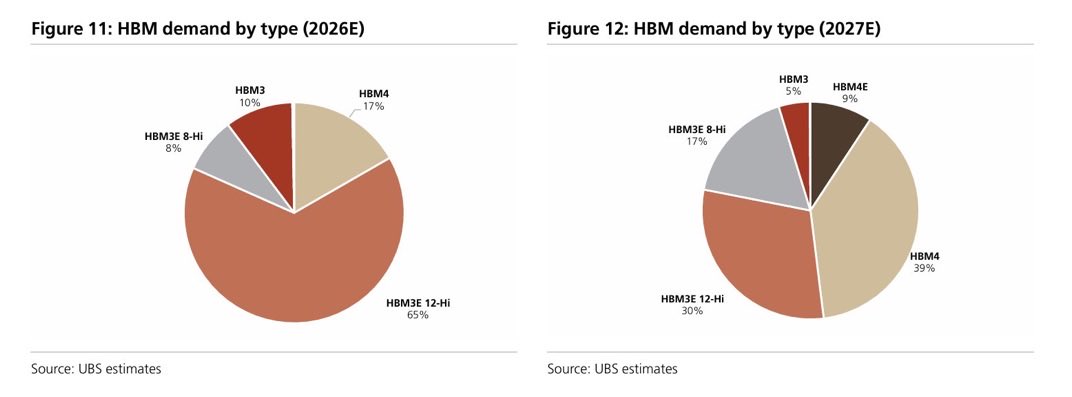
HBM4 and HBM4E are expected to nearly triple their share of HBM demand to 48% in 2027 as $NVDA Rubin and next-gen AI chips require a ton more advanced memory.
What’s also wild is that HBM3E 8-Hi is expected to double its share to 17% suggesting ASICs are expanding the market and giving $MU and $SKHY more ways to grow across both premium and mature memory.