📢 ¡Los invitamos a seguir la página del PEAC - Programa de Estudios Antropológicos Comparativos!
Quienes estén interesados en la antropología, la etnohistoria y los estudios sobre los pueblos indígenas y campesinos de Sudamérica, no se la pueden perder.
https://t.co/ngzxPbzN3v
#RTPInforma
🚨Varios camiones de transporte pesado tuvieron que atravesar el Salar de Uyuni ante la falta de rutas disponibles debido a los bloqueos de carreteras.
Vía: RRSS
🚨 THE ANCIENT ROCK NO ONE CAN EXPLAIN 🚨
Hidden high in the mountains of Bolivia lies a giant carved rock that has puzzled experts for generations.
Known as El Fuerte de Samaipata, this enormous sandstone ridge stretches about 220 meters long and 60 meters wide, making it one of the largest carved stones on Earth. But what makes it truly fascinating is that no one knows exactly why it was carved.
Across its surface are strange channels, deep basins, mysterious niches, geometric patterns, and serpent-like figures. Some grooves seem designed to guide flowing liquid, possibly for ancient rituals. Others appear to lead nowhere at all, as if part of a forgotten purpose lost to time.
Even more intriguing, a few carvings seem to align with the Sun during important times of the year. Was this a sacred ceremonial site? An ancient observatory? A place where lost knowledge was once practiced?
The Inca later occupied the area, but the carvings don’t match their style. This suggests that an even older civilization created them—one whose identity remains a mystery.
For centuries, wind and rain have slowly worn away the clues, yet the questions remain. Who carved this colossal rock? What were they trying to achieve? And why did they leave behind a monument that still refuses to reveal its secrets?
Some mysteries survive for thousands of years. This may be one of them.
No fuimos al Mundial... pero si existiera el Mundial de Biodiversidad, Bolivia estaría en el TOP 10 🏆🌎
La selección de biodiversidad boliviana con especies nativas y endémicas. Verdaderos representantes que juegan en todas las canchas:
Amazonía, Chaco, Andes y Altiplano
AMAZONIA PREHISTÓRICA
Reconstruyen casi dos millones de años de historia climática de la Amazonia occidental y los Andes tropicales
📰 https://t.co/VhR4jOFwoQ
vía @MeteoredES#Pleistoceno#Paleoclimatologia
L'Amazonie était plus humide par le passé: des scientifiques ont reconstitué le climat de la région sur près de 2 millions d'années! https://t.co/XwJHIp5gvA
Bolivia might be the most ecologically diverse country you've never considered.
So we mapped it as camouflage. Every pattern is a real ecoregion, from Andean high desert to Amazon rainforest to Pantanal wetland.
One country, this many worlds. 🌿🏔️🏜️
¿Cómo se pobló América? Un histórico estudio internacional publicado en @Nature —con participación de científicas del CENPAT— logró el mapa genético más completo de los pueblos indígenas de Sudamérica hasta la fecha. Cambia todo lo que sabíamos
https://t.co/8C19h0UgVE
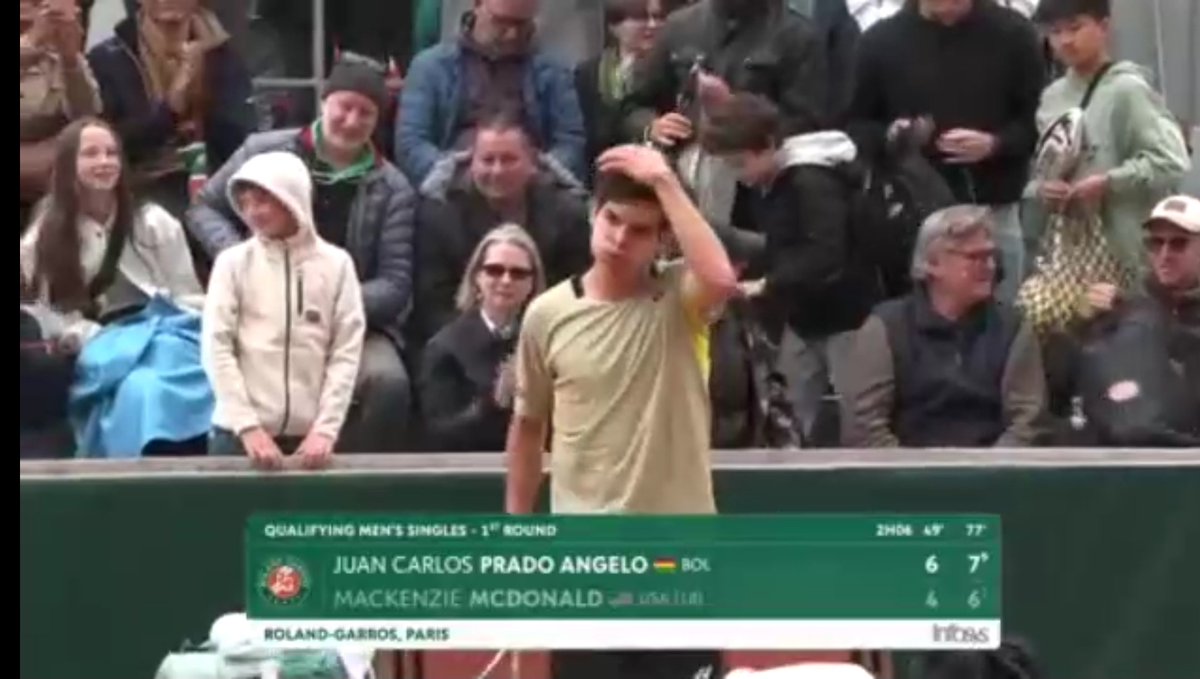
Juan Carlos Prado 🇧🇴 jugará su pase al MD de Roland Garros ante Coleman Wong 🇭🇰 (113 ATP). El partido será mañana y es una oportunidad inmejorable por el historial en arcilla del asiático.
طلاب الماجستير والدكتوراه — كيف تنجز مراجعة أدبية منهجية (Systematic Literature Review) خلال ساعة واحدة؟
اتبع هذه الخطوات البسيطة:
ادخل إلى موقع https://t.co/5qkNDUsDvq
من القائمة الجانبية اختر:
Systematic Review
اكتب موضوع المراجعة الأدبية الخاصة بك، ثم حدّد الفلاتر والمعايير المناسبة للبحث.
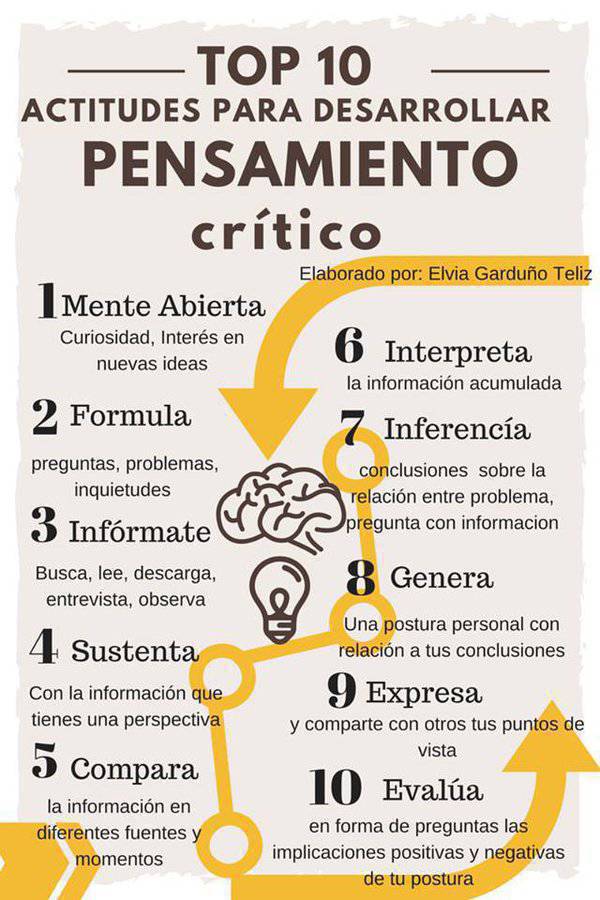
Se considera el pensamiento crítico cómo la competencia clave del SXXI, se basa en dudar, en hacerse preguntas, en no dejarse llevar por el prejuicio, en intentar entender otros puntos de vista, sin tener que compartirlos totalmente
Hoy más necesario que nunca