@Altoida, Chief Science Officer. Global Brain Health Institute Fellow @GBHI_fellows ETH Zurich: former Senior Associate at Digital Health and Biomarkers.
Stellar review of the recent and remarkable advances vs Alzheimer's disease (AD).
Towards "a future where AD is not only treatable but also preventable."
@CellCellPress
https://t.co/p3hbqkDrtF
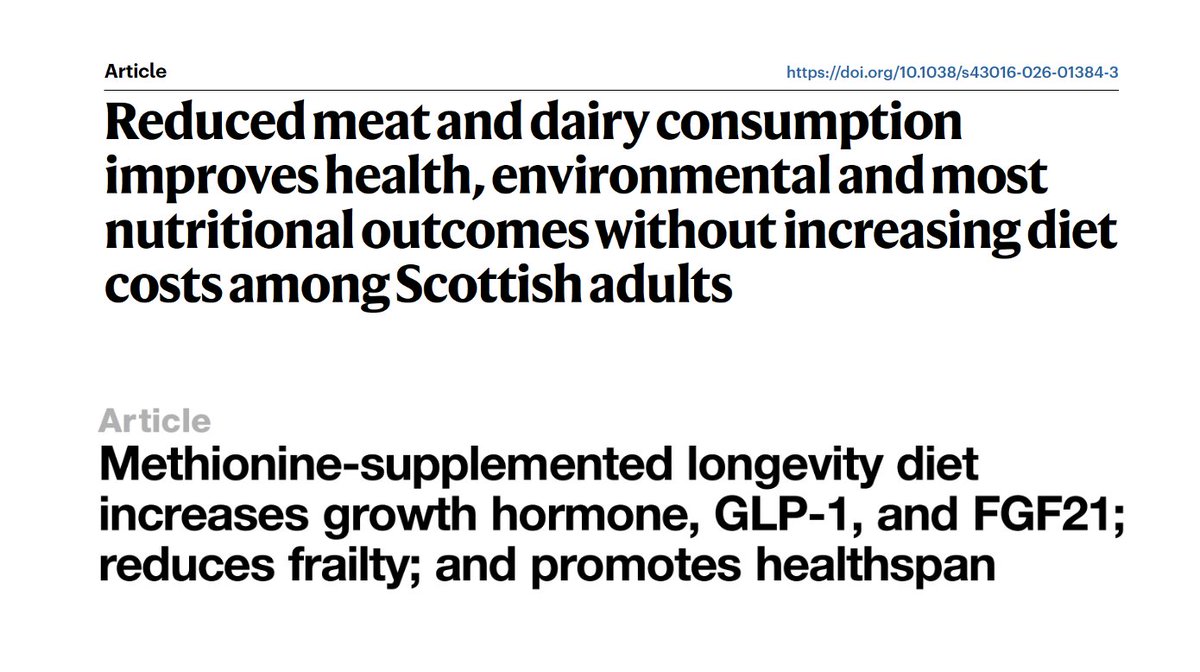
Two new reports highlight the link between proteinmaxxing and adverse health outcomes, especially protein from animal sources
1. Reducing red meat and dairy intake in Scotland
@NatureFoodJnl
https://t.co/FEhMLN6Tl9
2. Promoting healthspan with a low-protein, pescatarian diet
@Cell_Metabolism
https://t.co/2BMsg7RIJh
Telephos Intelligence is launching a real time placebo response index. At the same time the FDA recently launched a pilot to monitor clinical trial data in real time instead of waiting for each phase to close.
In older adults, how to keep your muscle young at multiple molecular levels (metabolomics, lipidomics, transcriptomics)
Exercise.
"We found that 50% of these age-related differences were absent in trained older adults, resulting in profiles resembling those of young adults."
https://t.co/AYIHUGyWCF
SHOCKING: Claude has a secret mode called "Research Accelerator."
It turns a 60-page paper into a literature review, a counterargument, and 10 research questions in under 5 minutes.
Here are the 13 prompts grad students are quietly using to finish in half the time:
MIT's Nobel Prize-winning economist proved that AI is mathematically guaranteed to destroy human knowledge.
They published a massive NBER paper modeling the long-term impact of AI on human cognition.
And they found the most alarming conclusion in the AI literature so far.
It’s called "Knowledge Collapse."
Here is how human progress actually works.
When you struggle to solve a complex problem, you generate two things:
General knowledge about how the world works, and context-specific knowledge about your exact problem.
Normally, humans acquire both at the same time. You do the hard work to solve your specific problem, and in the process, you learn a general principle.
You share that principle. That is how human knowledge grows.
Then comes Agentic AI.
AI is incredibly good at giving you the exact, context-specific answer you need right now. It hands the solution to you on a silver platter.
So you stop doing the hard work.
And because you stop doing the work, you stop generating the "general knowledge" that society relies on.
Acemoglu calls it the "knowledge-collapse equilibrium."
When AI reaches a certain accuracy threshold, the incentive for humans to learn drops to zero.
Nobody verifies. Nobody explores. Nobody discovers new fundamental truths.
Society gets increasingly sophisticated automated outputs, while our actual capacity to generate new knowledge quietly erodes.
But here is the most terrifying finding in the paper.
Welfare is "non-monotone" to AI accuracy.
That means as AI gets more accurate, society actually gets worse off.
Today we all lost our jobs.....
Three Nature papers showing that scientists in the conventional sense are obsolete
At least read the first one.... the AI replaced all things that the scientist does ....
https://t.co/zMsRLaaRDU
Alzheimer's disease drug development pipeline: 2026 published today! The 2026 AD drug development pipeline includes 158 unique therapies in 192 trials, marking continued growth in disease-modifying agents, with 35% being repurposed drugs. Thanks @DrJeffCummings@NIHAging@TheADDF
Why Sweden's model of cultivating natural "herd immunity" is not a good idea and awareness that "the virus doesn’t magically disappear when the herd immunity threshold is reached" is:
by @CT_Bergstrom and @nataliexdean@nytopinion
https://t.co/wq0KIyqjhr
An update on blood-based biomarkers for non-Alzheimer neurodegenerative disorders. The neuropathological, clinical, molecular imaging & CSF features of the most common neurodegenerative disorders outside the AD continuum. https://t.co/tI1IXPzfbY @relajoie @RabLab_UCSF
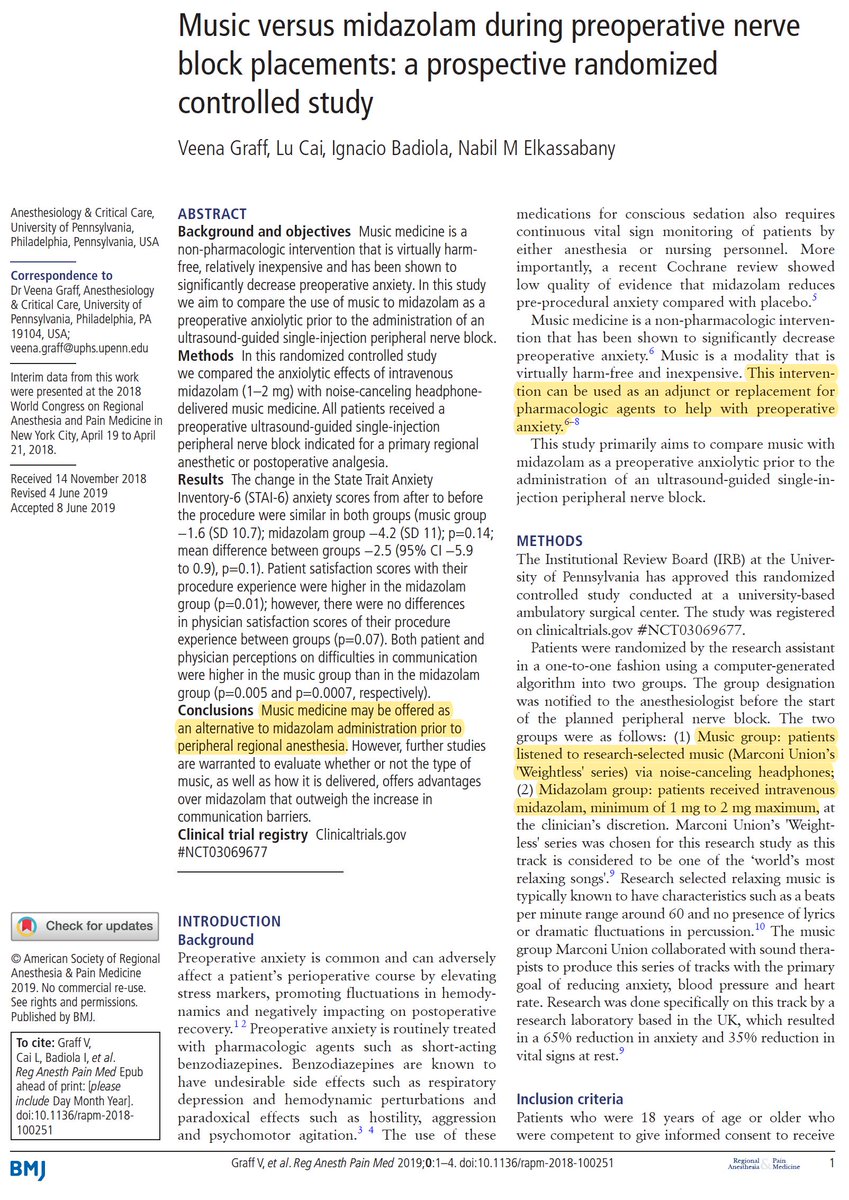
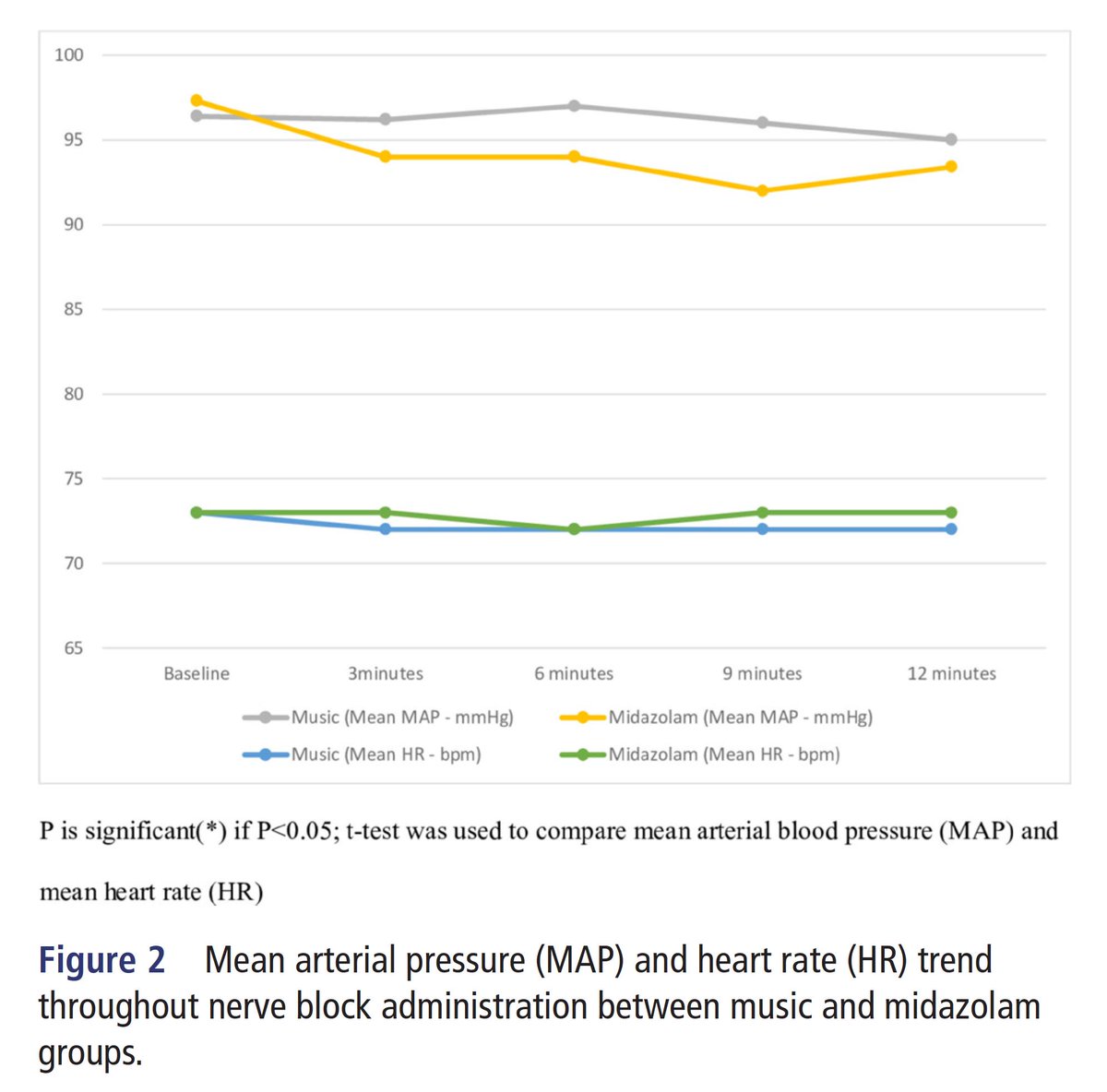
Music instead of intravenous sedation for surgery?
A randomized trial @PennMedicine
https://t.co/jb2rx8cJtT
"Life seems to go on without effort when I am filled with music.” ― George Eliot
Many of the things that Theranos falsely claimed it could do are now getting actualized. Here's an Israeli company that gets a complete blood count w/ adjunctive #AI https://t.co/lJU856uv9o 2 drops of blood, point-of-care (and it's real)
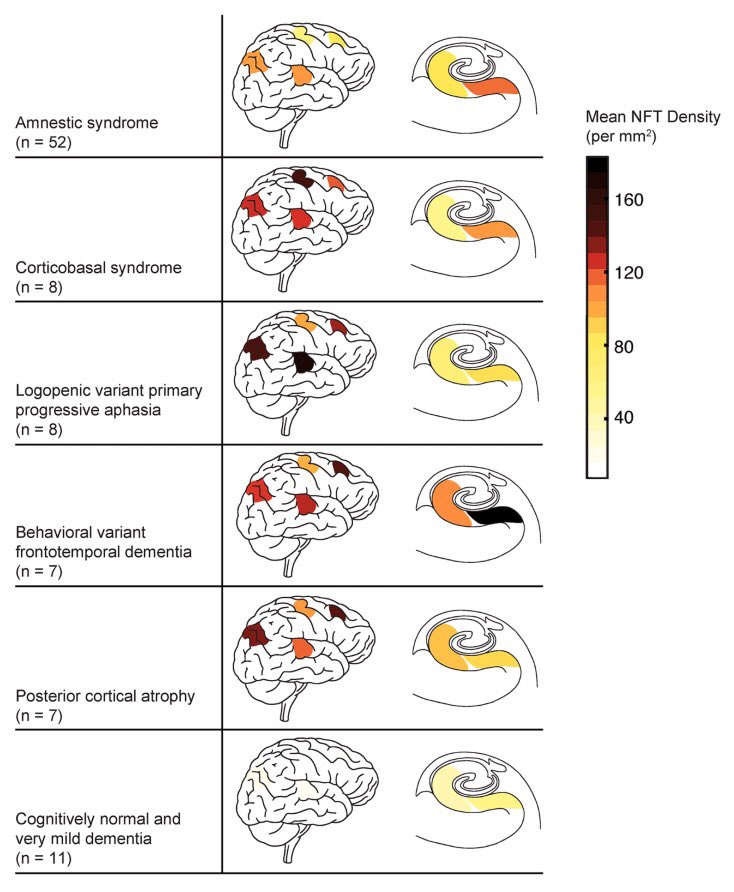
Thrilled to share the fruit of over two years of work in the Grinberg Lab at @UCSFmac. Our new paper demonstrates that clinical variants of Alzheimer's disease pathology show distinct regional patterns of neurofibrillary tangle accumulation. https://t.co/EPsR3OTzBu
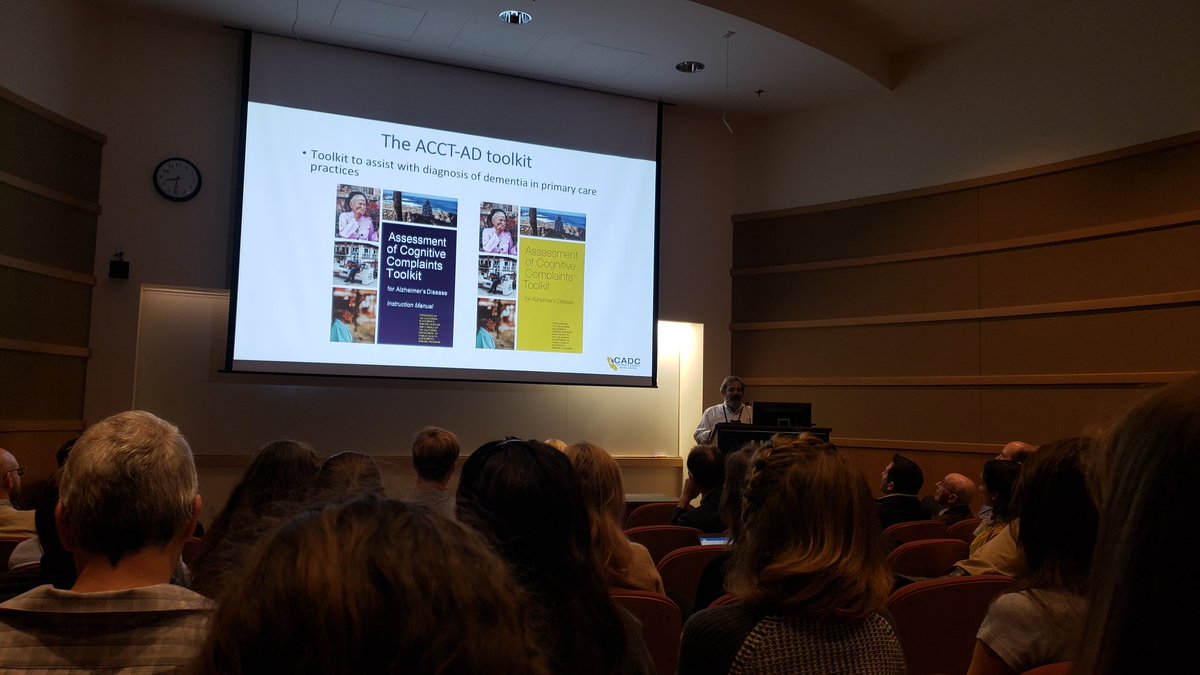
Great grand round @UCSFmac by Dr. Rosen: We need primary care providers to engage in diagnosing and managing dementia, while acknowledging their challenges for this task. The ACCT toolkit was designed specifically for this goal and adresses these challanges.