Chris Camillo reveals how people are making $500K/year being an "AI guy" for small businesses
"There are millions of small businesses out there and almost none of them are willing to embrace AI right now, you just walk in and say give me one area where you're leaking money, I'll fix it for free"
"Within days you've set up an AI agent answering their calls, sending responses, getting quotes out in real time… and you just increased their revenue by 5 to 15% at essentially no cost"
"Now you're invaluable. They're paying you $2,000 or $3,000 a month to be their AI guy, you replicate that across 10 or 20 businesses and you're making half a million a year"
prediction re the end of spreadsheets
AI code gen means that anything that is currently modeled as a spreadsheet is better modeled in code. You get all the advantages of software - libraries, open source, AI, all the complexity and expressiveness.
think about what spreadsheets actually are: they're business logic that's trapped in a grid. Pricing models, financial forecasts, inventory trackers, marketing attribution - these are all fundamentally *programs* that we've been writing in the worst possible IDE. No version control, no testing, no modularity. Just a fragile web of cell references that breaks when someone inserts a row.
The only reason spreadsheets won is that the barrier to writing real software was too high. A finance analyst could learn =VLOOKUP in an afternoon but couldn't learn Python in a month. AI code gen flips that equation completely. Now the same analyst describes what they want in plain English, and gets a real application - with a database, a UI, error handling, the works. The marginal effort to go from "spreadsheet" to "software" just collapsed to near zero.
this is a massive unlock. There are ~1 billion spreadsheet users worldwide. Most of them are building janky software without realizing it. When even 10% of those use cases migrate to actual code, you get an explosion of new micro-applications that look nothing like traditional software. Internal tools that used to live in a shared Google Sheet now become real products. The "shadow IT" spreadsheet that runs half the company's operations finally gets proper infrastructure.
The interesting second-order effect: the spreadsheet was the great equalizer that let non-technical people build things. AI code gen is the *next* great equalizer, but the ceiling is 100x higher. We're about to see what happens when a billion knowledge workers can build real software.
I'm Boris and I created Claude Code. I wanted to quickly share a few tips for using Claude Code, sourced directly from the Claude Code team. The way the team uses Claude is different than how I use it. Remember: there is no one right way to use Claude Code -- everyones' setup is different. You should experiment to see what works for you!
@CPA_Trendlines I love seeing how AI is coming to finance!!! I also heard about BlinkBooks (I think), which brings together QuickBooks, Stripe, Shopify, and bank data, making it easier to manage multiple businesses and spot issues
יש הרבה דמיון הין ג׳וניורים לפירסט טיימרים. אחד מנסה להתקבל לעבודה, השני מחפש לקבל עבודה. אחד נבחן על פני מלא חברות הייטק, השני נבחן על פני מלא קרנות הון סיכון. מה דומה? אם אתה רעב מספיק, נופל וקם אחרי כל reject, אתה תצליח. בין אם זה הצעת עבודה או term sheet💡
אז איפה את/ה נכנס לתמונה? כשאתה צריך לגרום לכל התזמורת הזאת לנגן ביחד ולנגן טוב וספוילר : זה לא פשוט. בסוף אתה צריך למכור, ואם זה לא ייתן value - אתה בחוץ. וזה כרגע מה שאנחנו עושים בשיחות עם הלקוחות- איך באמת אנחנו נותנים לכם ערך כדי שתבחרו אותנו על פני כל אלטרנטיבה אחרת.
שרשור הקמת סטארטאפ:
הקמתי סטארטאפ בעולם של הפינטק. כל מה שאמרו נכון: צריך בעיה, רצוי עם נתח שוק גדול, כזאת שאין לה עדיין פתרון או שהפתרון לא מספיק טוב. וככה חשבנו על אפליקציה לרואי חשבון בארה״ב של עסקים קטנים-בינוניים בעולמות ה SaaS.
וברגע שמצאת איזשהי בעיה, בנית מעין POC לפתרון. וכשאתה מקים סטארטאפ, אתה הכל. הטכנולוג, הפרודקט, המרקטינג, הכל. ועם ה AI זה אכן פשוט מאי פעם: קלוד בשביל הקוד, chatGPT עם רדיט בשביל הפרודקט, אפולו והאבספוט למרקטינג וכו׳ וכו׳.
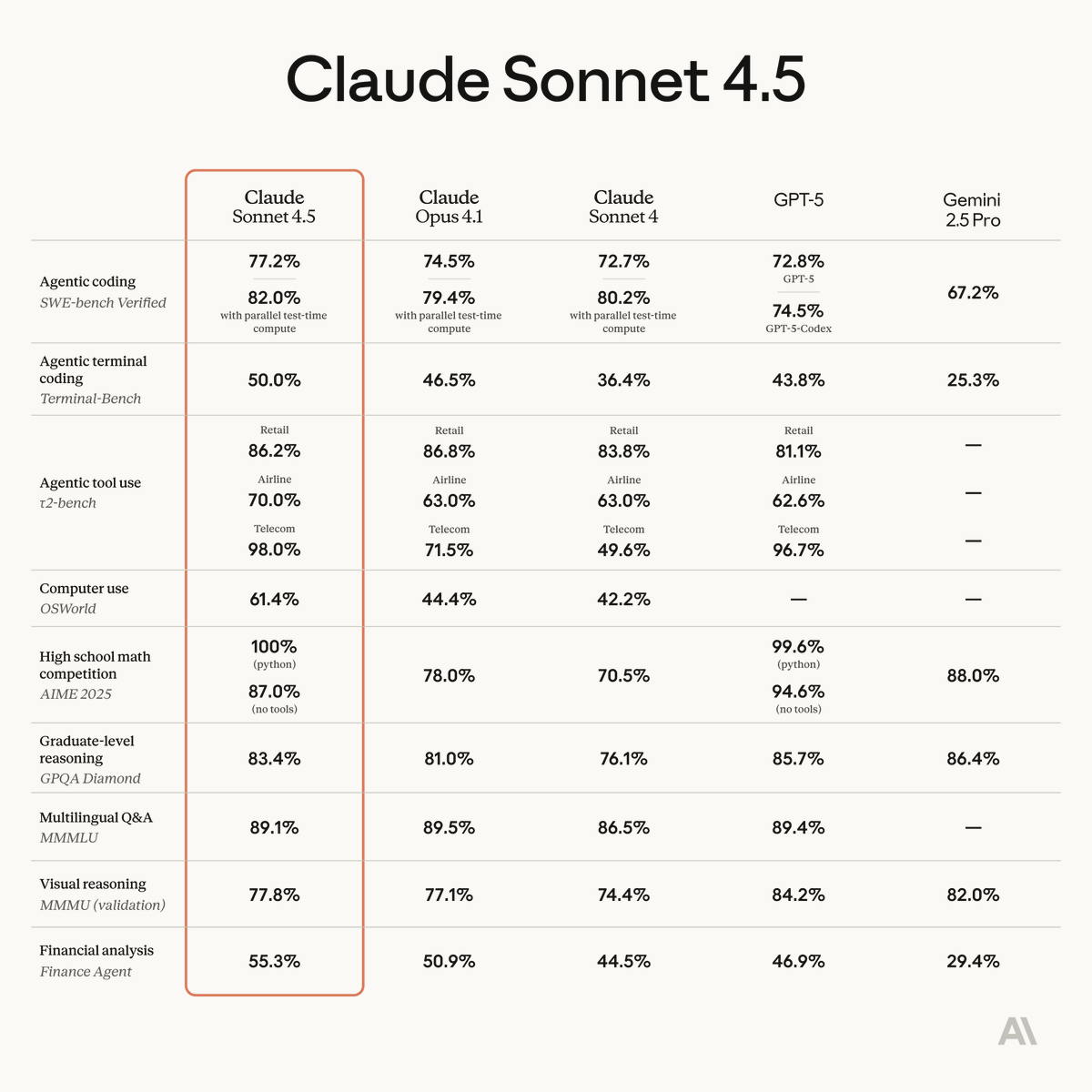
Introducing Claude Sonnet 4.5—the best coding model in the world.
It's the strongest model for building complex agents. It's the best model at using computers. And it shows substantial gains on tests of reasoning and math.
הייתי היום בכנס AI Development על הפלטפורמה של Google Cloud ויש המון פוטנציאל לכלים ש- Vertex AI מציע. גם פיתוח של LangChain agent על הפלטפורמה יכול להיות נקודת פתיחה טובה. בקיצור, אהבתי