The moment you've ACTUALLY been waiting for... Introducing Deep Research!
Rolling out now, Deep Research browses hundreds of sites to craft an organized report AND gives you an annotated list of sources for deeper exploration, all of which you can add directly to your notebook.
Streamline brainstorming in Canva Whiteboards by organizing students' ideas with ease. Use AI to sort sticky notes by theme, color, student names, reactions, or topics—all in one click. ✨🪄
In an era where anxiety and mental health concerns are at the forefront of discussions about our youth, Jonathan Haidt's book The Anxious Generation has sparked both acclaim and controversy. I’m sure, like me, most of you have heard the talking points and soundbites from this book, but I wanted to take a closer look on it’s influence and impact on education.
I get to work with schools, organizations, parent groups, and conferences — this book, and the main four recommendations have been on everyone’s mind. I’m often asked questions about my opinion, and as you can see from the lengthy article below, my thoughts are nuanced around this topic and the recommendations to:
1. Not give kids smartphones before high school
2. No social media before 16
3. Phone-free schools (the one I’m asked about the most)
4. More independence, free play, and responsibility in the real world
The Anxious Generation dives into the various societal shifts contributing to the growing unease among our youth (and adults). It offers a thought-provoking analysis of social media, overprotective parenting, and media polarization.
However, Haidt's work has not gone unchallenged. Critics argue that some of his conclusions oversimplify complex issues, while others believe his emphasis on resilience and free play minimizes the legitimate struggles faced by today’s youth. Despite the debates surrounding Haidt's ideas, the lessons from his work provide a crucial lens through which to examine the forces shaping education right now, and in the future.
Let’s dig in.
https://t.co/pWa8YPxuiJ
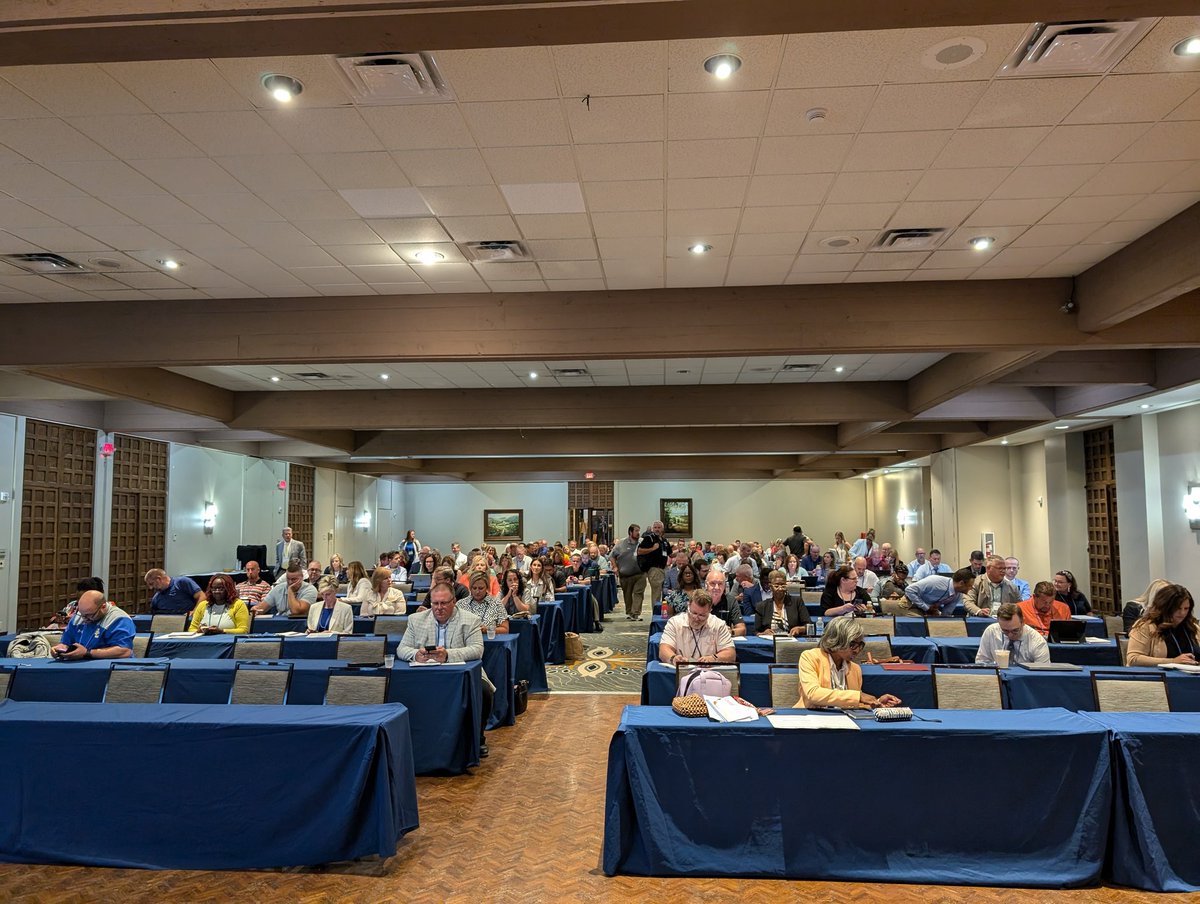
Participated in a panel discussion at the DESE Conference and I hope we helped the audience think about how they will handle #AI in the schools and districts. Looking forward to more AI conference presentations this year.
Decided to try #GoogleVids for the first time. In under 30 minutes, I created this video. For a first time without me adding any "polish", I am impressed. #AI https://t.co/WUACxbZyNI
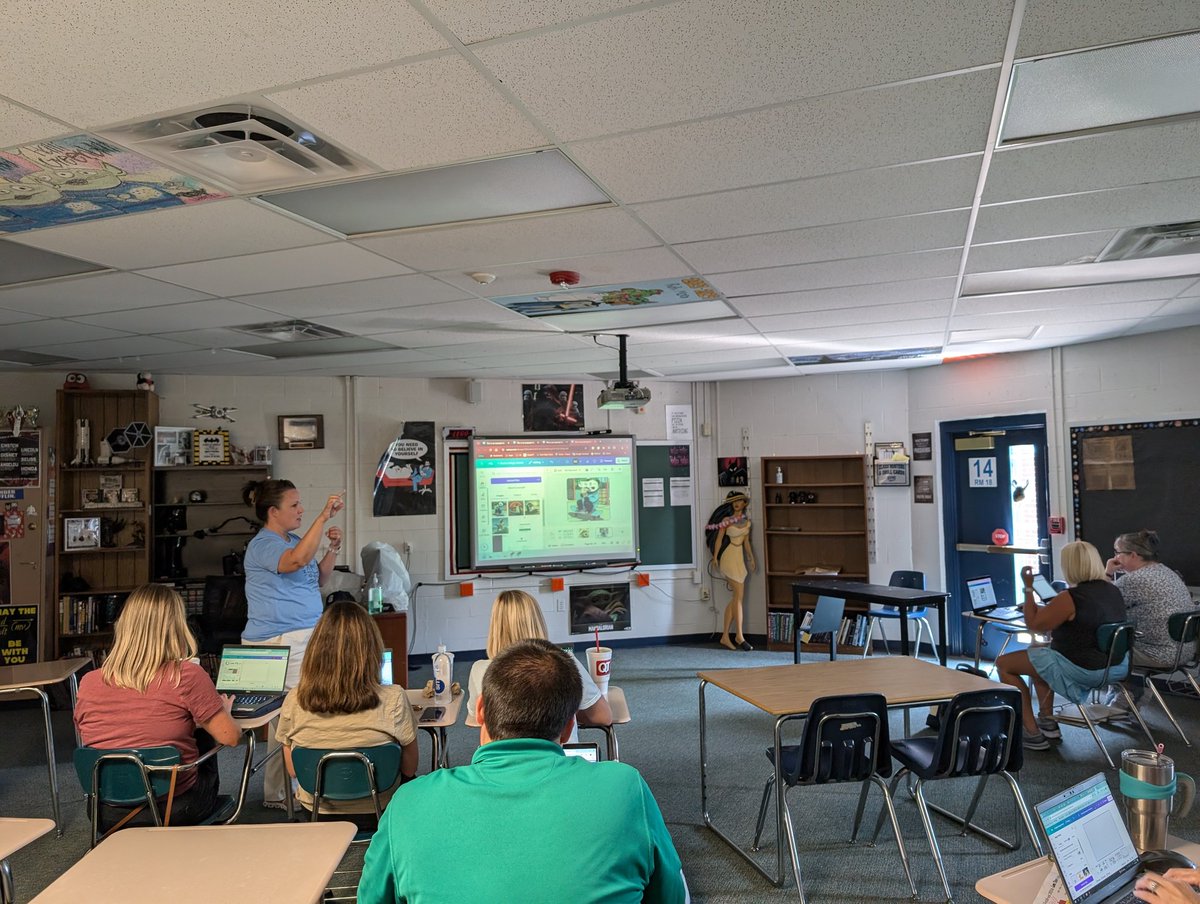
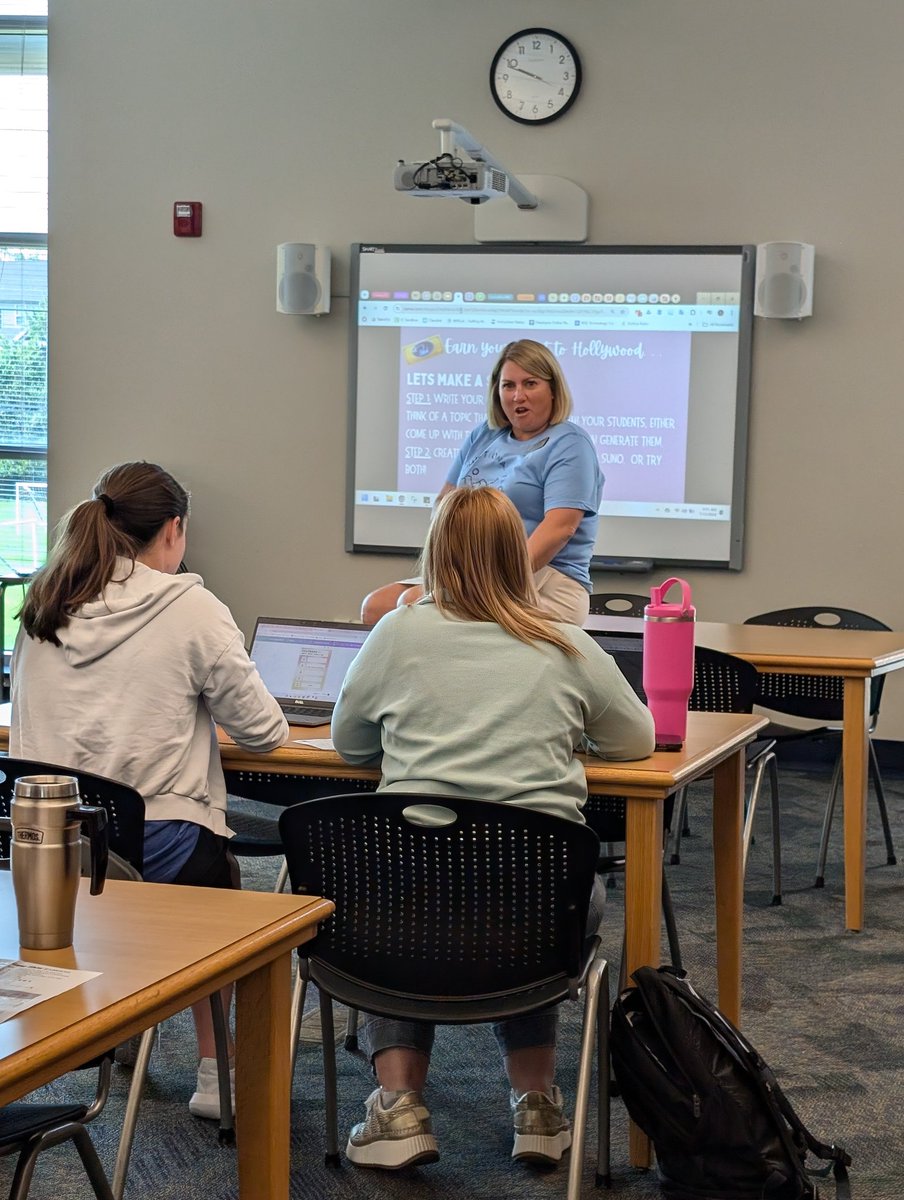
Learning about how to create songs using Google Gemini for lyrics and then Udio or Suno to create a song. What can be done with AI is pretty crazy! Creative learning at our Tech Fest!
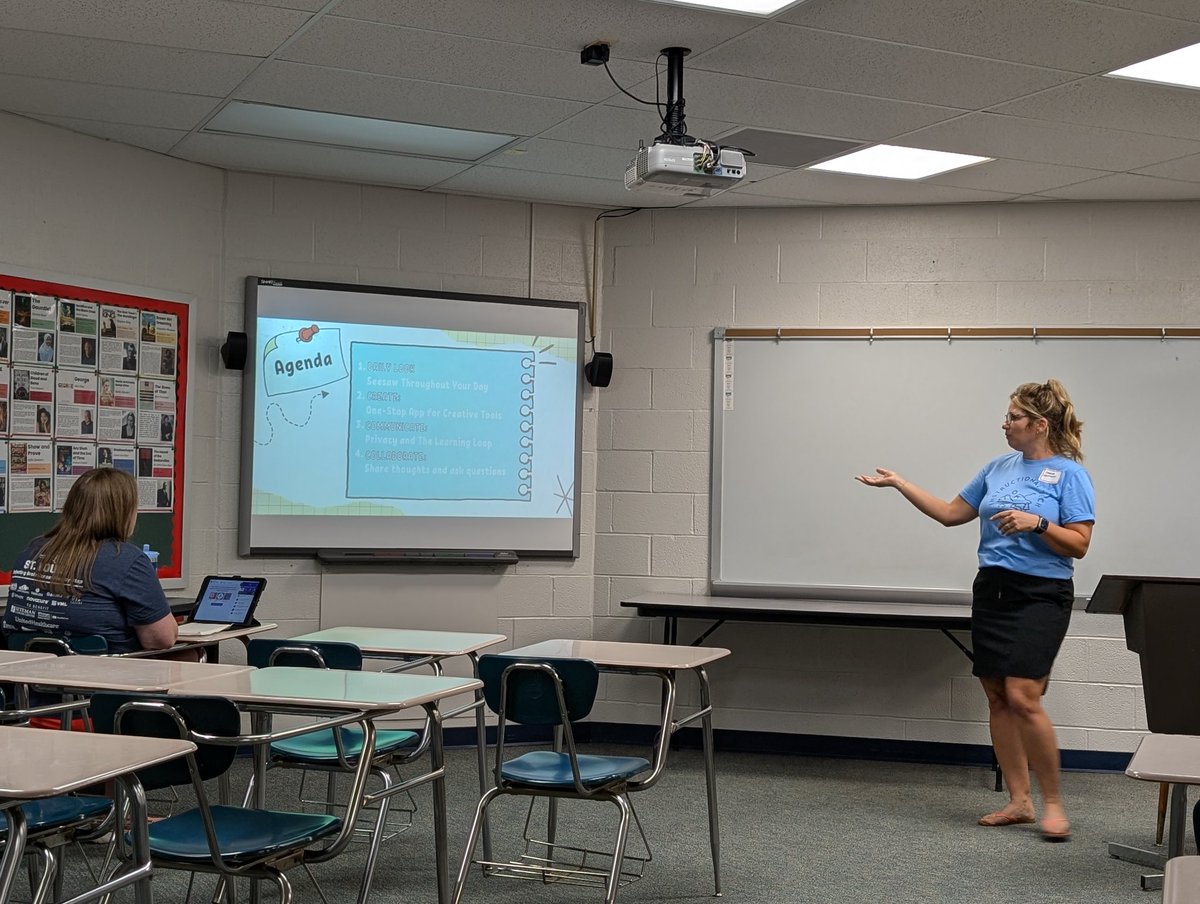
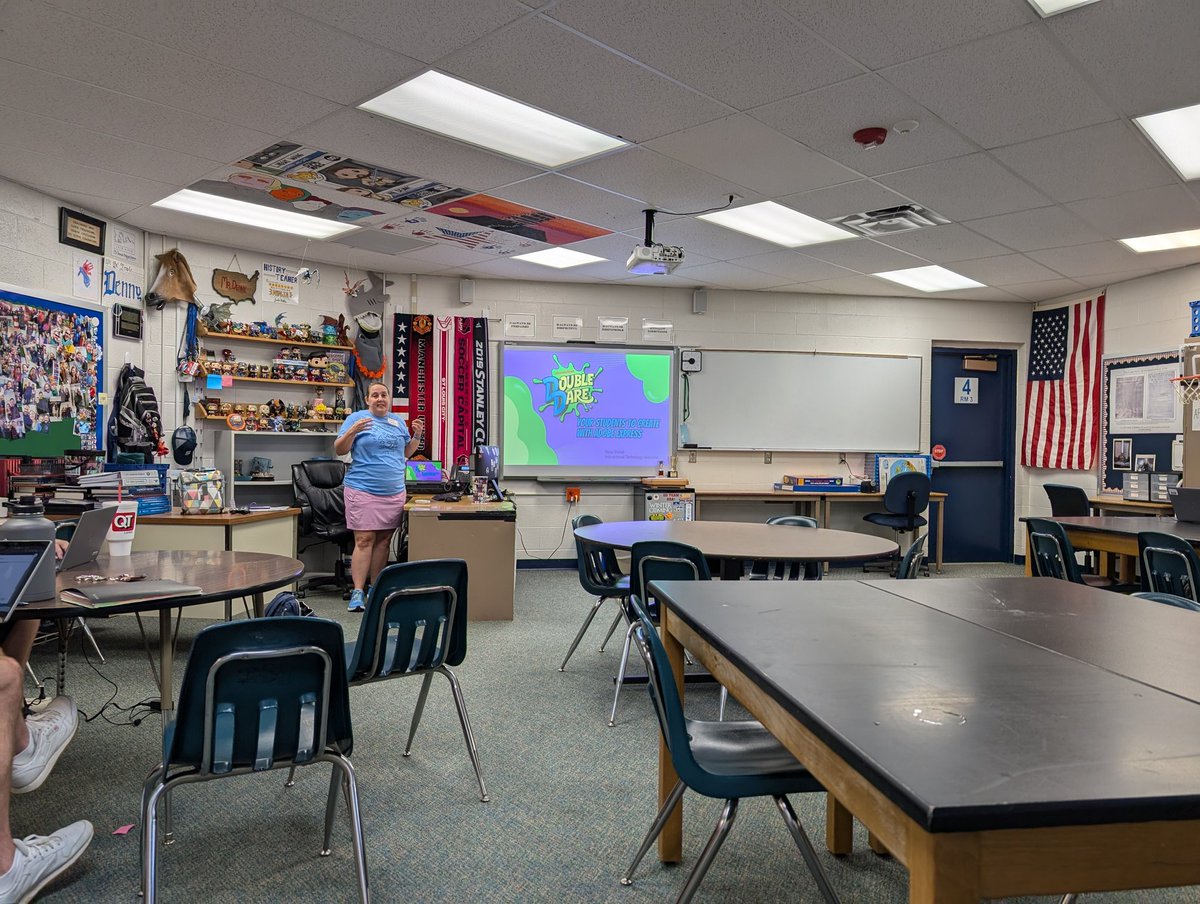
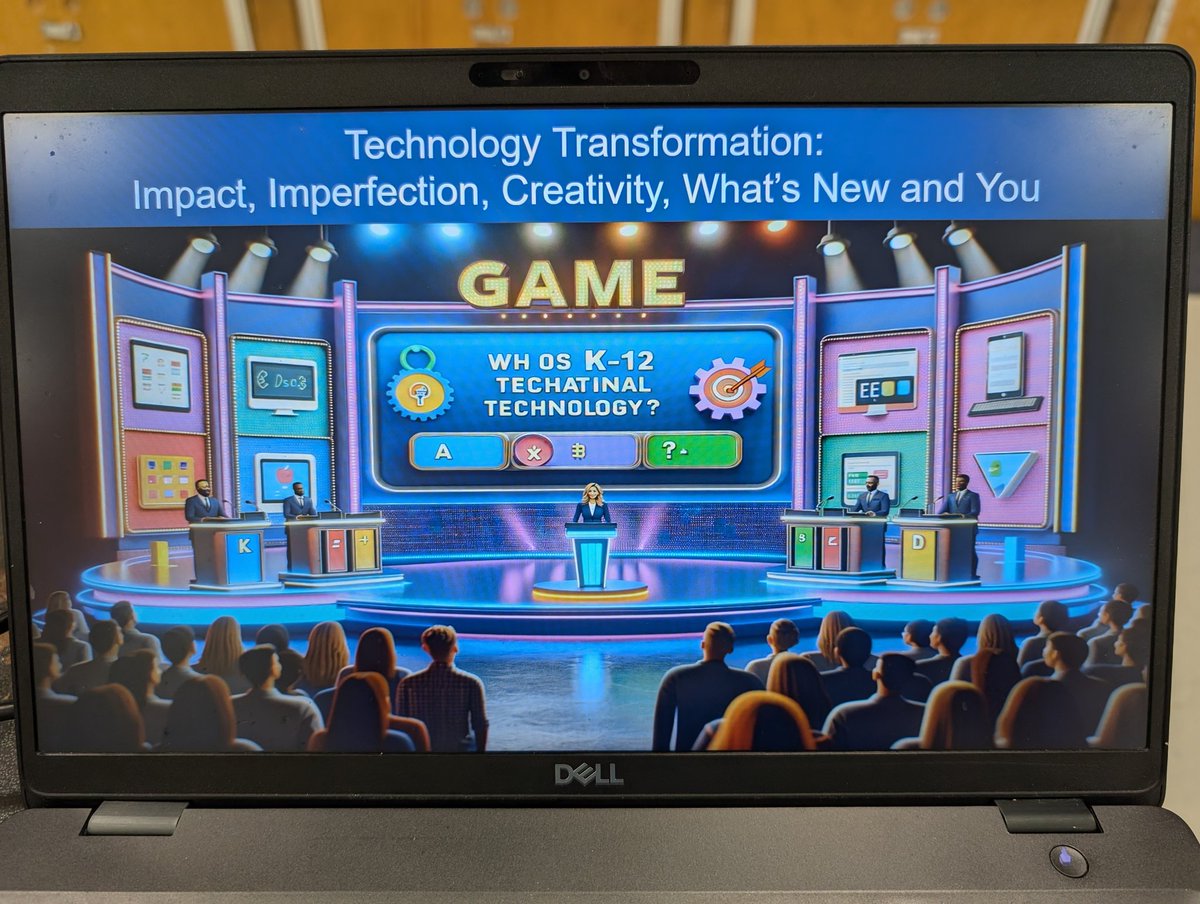
Our Tech Fest (Game Show Edition) is underway. I enjoyed opening the Tech Fest with this presentation...providing a glimpse into what's coming and how we can leverage technology for transformational learning.
Great thoughts by @ajjuliani about #AI use and what this could look like in our classrooms. It has my mind thinking... #AIinEducation
https://t.co/TG0yeKpvSj
In our Guide to #AI in #GoogleforEdu, we share how we're incorporating this technology into our tools and solutions to help elevate educators and make learning more personal and secure for students! Explore this all-in-one resource on AI 📄💻: https://t.co/NhzaQBgx54
Now you see it 🪄 Now you don't! You can now easily remove the background from images added to your #GoogleSlides presentations. → https://t.co/zP6sz4BOwo
Introducing Sora, our text-to-video model.
Sora can create videos of up to 60 seconds featuring highly detailed scenes, complex camera motion, and multiple characters with vibrant emotions.
https://t.co/YYpOAcrXQ3
Prompt: “Beautiful, snowy Tokyo city is bustling. The camera moves through the bustling city street, following several people enjoying the beautiful snowy weather and shopping at nearby stalls. Gorgeous sakura petals are flying through the wind along with snowflakes.”
“Mom, can you read my essay?” A routine question for some students, and not always an option for others.
In a recent AI workshop, with a great group of educators, I shared how AI can be used to help students with helpful feedback on their work and writing.
Through an equity lens, this use allows students to receive valuable assistance, who may otherwise not have support at home.
AI can help to level the playing field for all students, regardless of whether or not they have support available at home.
https://t.co/hJFvPHvTvz
#ai #ArtificialInteligence #aiinedu #aiineducation