What are you in the mood for? Answer that and a few more questions in the new mood quiz on Browse, and the wall of posters thins until one movie or show lifts out, with where to watch it.
@TaylorLorenz I started listening to his podcast about 5 years ago and he didn't have much of an audience back then. I'm glad he's getting the recognition he deserves.
The hand brushing the wheat in Gladiator belongs to Russell Crowe’s double. Ridley Scott spotted him making the gesture during a cigarette break and asked him to repeat it for the camera.
One version of the script had Maximus escape Rome, reunite with his army and return to overthrow Commodus. Producer Doug Wick said that ending changed early in preproduction
Crowe also pushed back against a proposed love scene, arguing that it didn’t fit a man avenging his murdered wife.
Denzel received $20 million for a version of American Gangster that never got made. Universal canceled the earlier production in 2004, but his contract guaranteed his fee. Antoine Fuqua was attached to direct before Ridley Scott eventually brought the film to the screen
While preparing to play Frank Lucas, Denzel recorded conversations with the real man. He recalled telling him: “Don’t tell me anything I don’t need to know. I don’t want to have to testify.”
Scott shot across around 180 locations in New York’s five boroughs, finding some interiors that hadn’t been touched since the 1940s.
Where does Frank Lucas rank among Denzel’s best performances? 💬
The story behind The Fall (2006) is almost as extraordinary as its images. Tarsem Singh financed the film with money earned directing commercials, shooting across more than 20 countries over roughly four years.
According to Tarsem, the production offered Jodhpur residents free paint two months before filming to refresh their blue houses.
The costumes were designed by Eiko Ishioka, who also won an Oscar for Bram Stoker’s Dracula (1992). Two unforgettable cinematic worlds, connected by the same artist.
What’s the most beautiful film you’ve ever seen? 💬
Southpaw was originally developed with Eminem attached to star. He later contributed two original songs to the film’s soundtrack.
Jake Gyllenhaal trained twice a day for five months to play Billy Hope, with director Antoine Fuqua there for his morning sessions.
And according to Gyllenhaal, his body double never replaced him during the boxing scenes.
Where does Southpaw rank among his best performances? 🥊
Matthew McConaughey was first approached to play Marty Hart in True Detective. After reading the first two episodes, he asked for Rust Cohle instead. He then suggested Woody Harrelson for Marty.
Cary Fukunaga filmed roughly 30 pages of Rust’s interrogation dialogue in a single day. He approached the long sequence like an uninterrupted play before dividing it across the episodes.
Fukunaga even kept Rust’s “Big Hug Mug.” He chose it from the prop department’s options and revealed in a 2014 interview that the original was sitting in his own cupboard.
Is Rust Cohle McConaughey’s best performance? 💬
Listen closely to Tony’s voice. In the coma scenes, James Gandolfini drops the character’s Jersey accent and uses his natural speaking voice.
Steve Buscemi, the man asking him to surrender his briefcase, had already directed “Pine Barrens” before joining the cast as Tony Blundetto. He directed four episodes of The Sopranos in total.
Nicholas Sparks drew inspiration for his novel The Notebook from the grandparents of his wife at the time. After 60 years of marriage, their affection reminded him of his own first day as a newlywed.
Joel McHale played this confrontation as a man taking credit for Carmy’s success. He told GQ he disagreed with the chef’s belief that the results justified the treatment: “Do the ends justify the means? No, they don’t.”
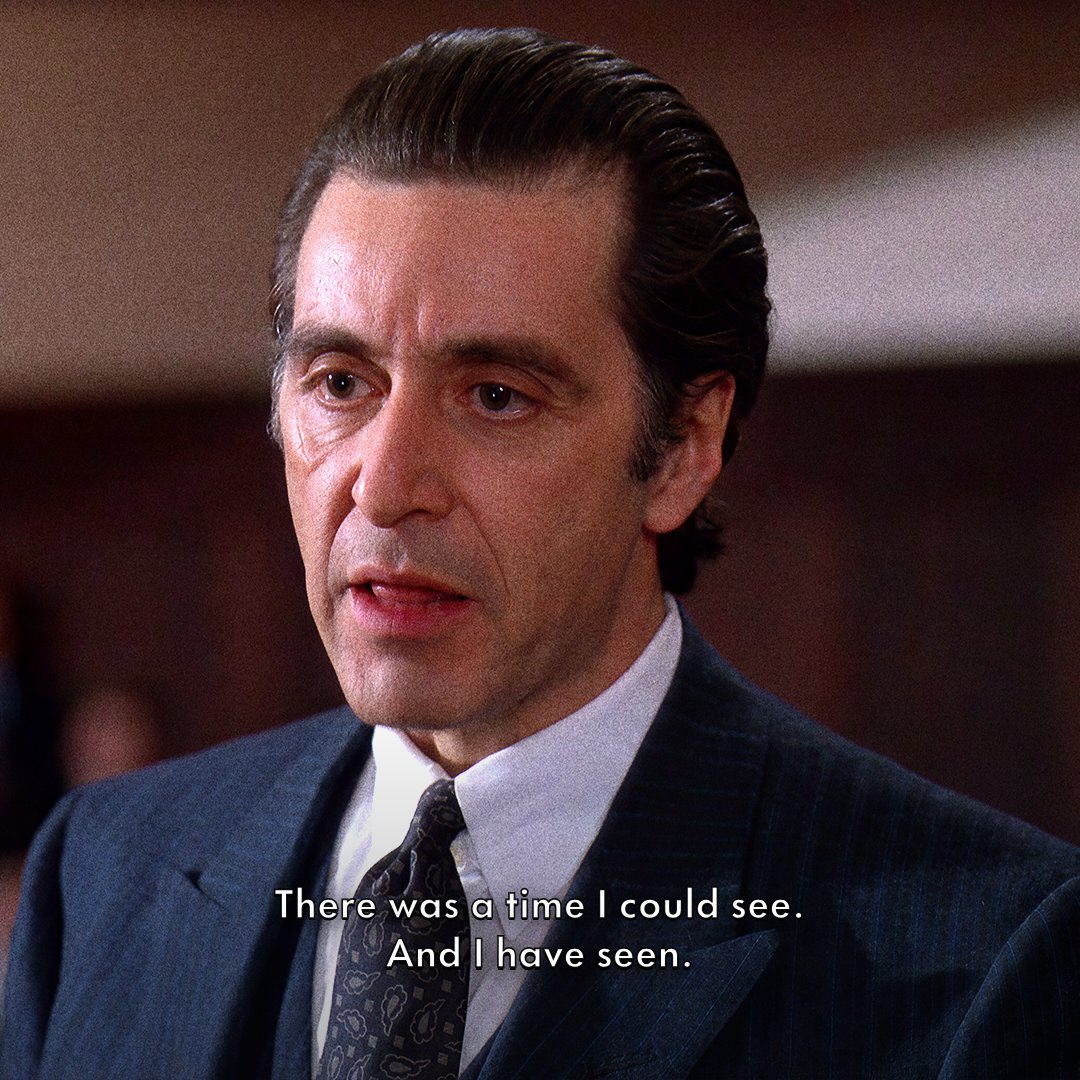
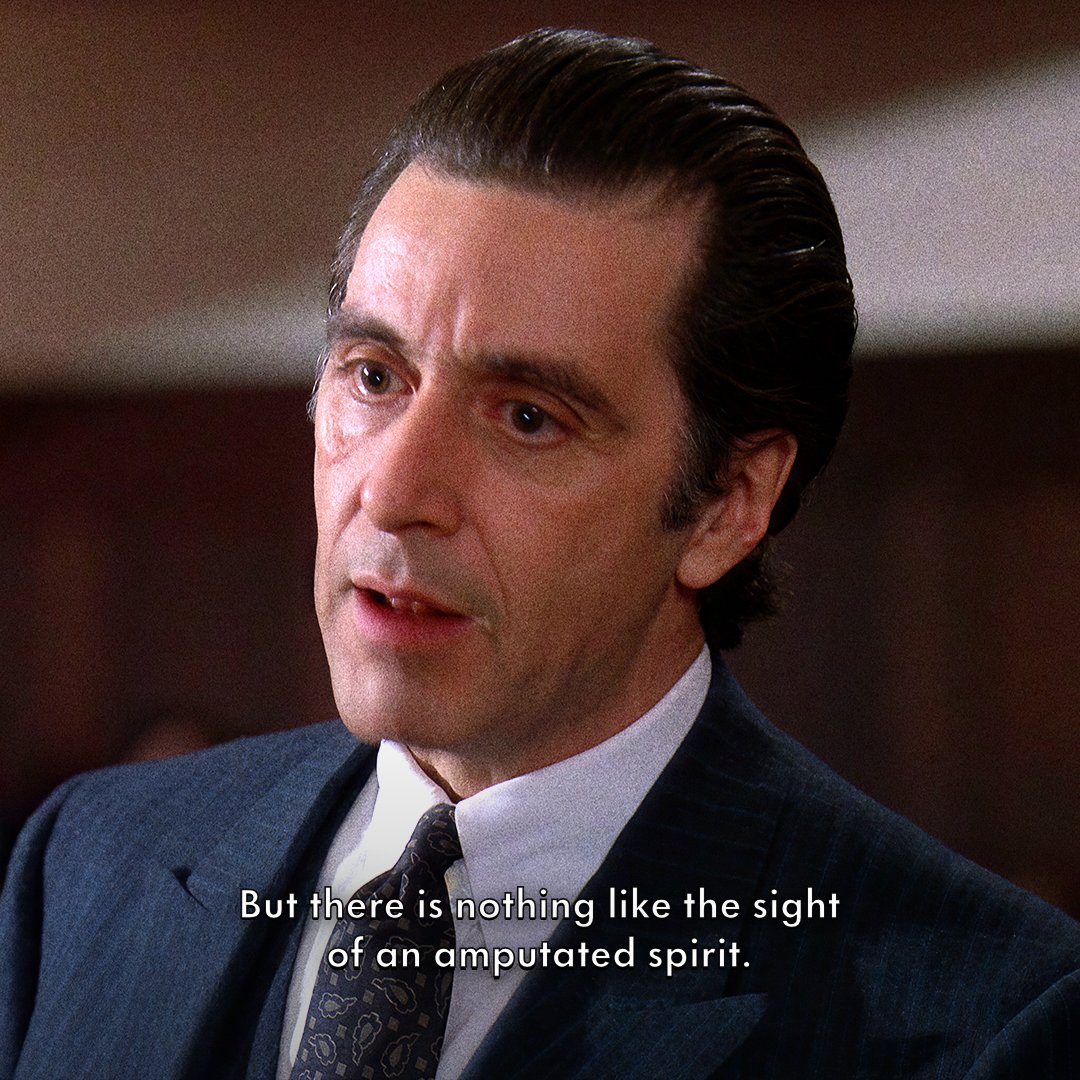
Six Oscar nominations came and went before Al Pacino played Frank Slade.
At the 1993 Academy Awards, Pacino was nominated twice, for Glengarry Glen Ross and Scent of a Woman. He finally won Best Actor for Slade, while Bo Goldman’s screenplay received an Adapted Screenplay nomination of its own.
One of those speeches that only gets better with time.
At 80, Akira Kurosawa turned his own dreams and Japanese folklore into some of the most painterly images of his career.
While shooting Dreams (1990), cinematographer Shoji Ueda worked from hundreds of Kurosawa’s original drawings. They became references for the colors of the costumes, sets and photography, carrying Kurosawa’s paintings directly into the finished film.