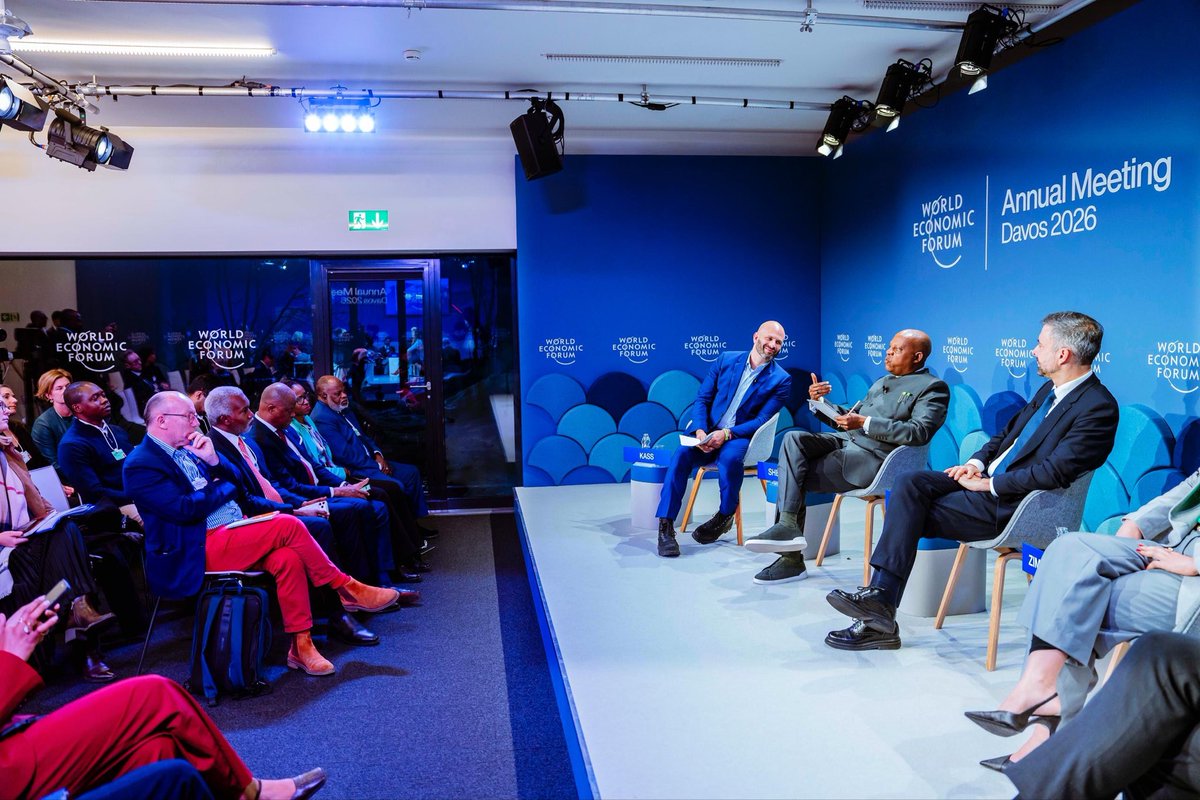
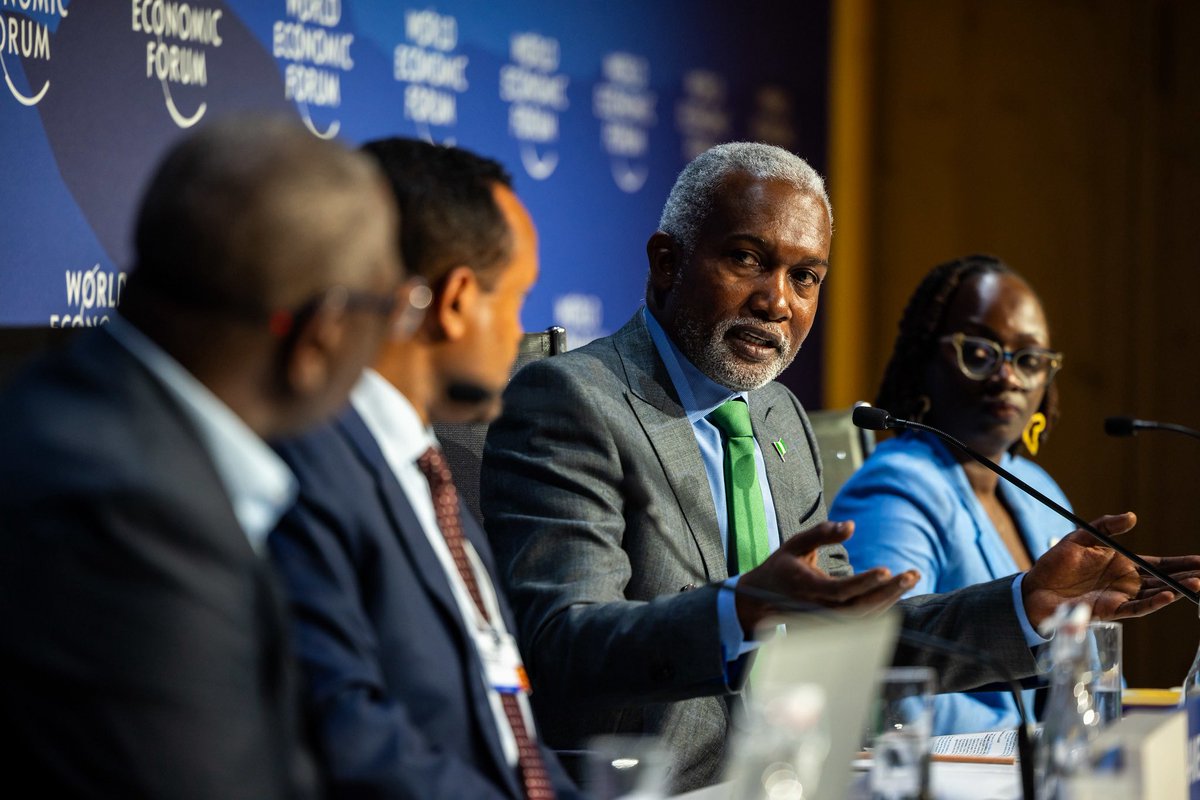
Minilateralism is reshaping global trade: smaller blocs, spheres of interest, deals over rules. Africa is home to the world's largest free trade area, the central question of the decade. #AMNC26#AfCFTA With Gabon's Minister @MarkDoumba.
Watch Live: https://t.co/u9cSSQ6cWh
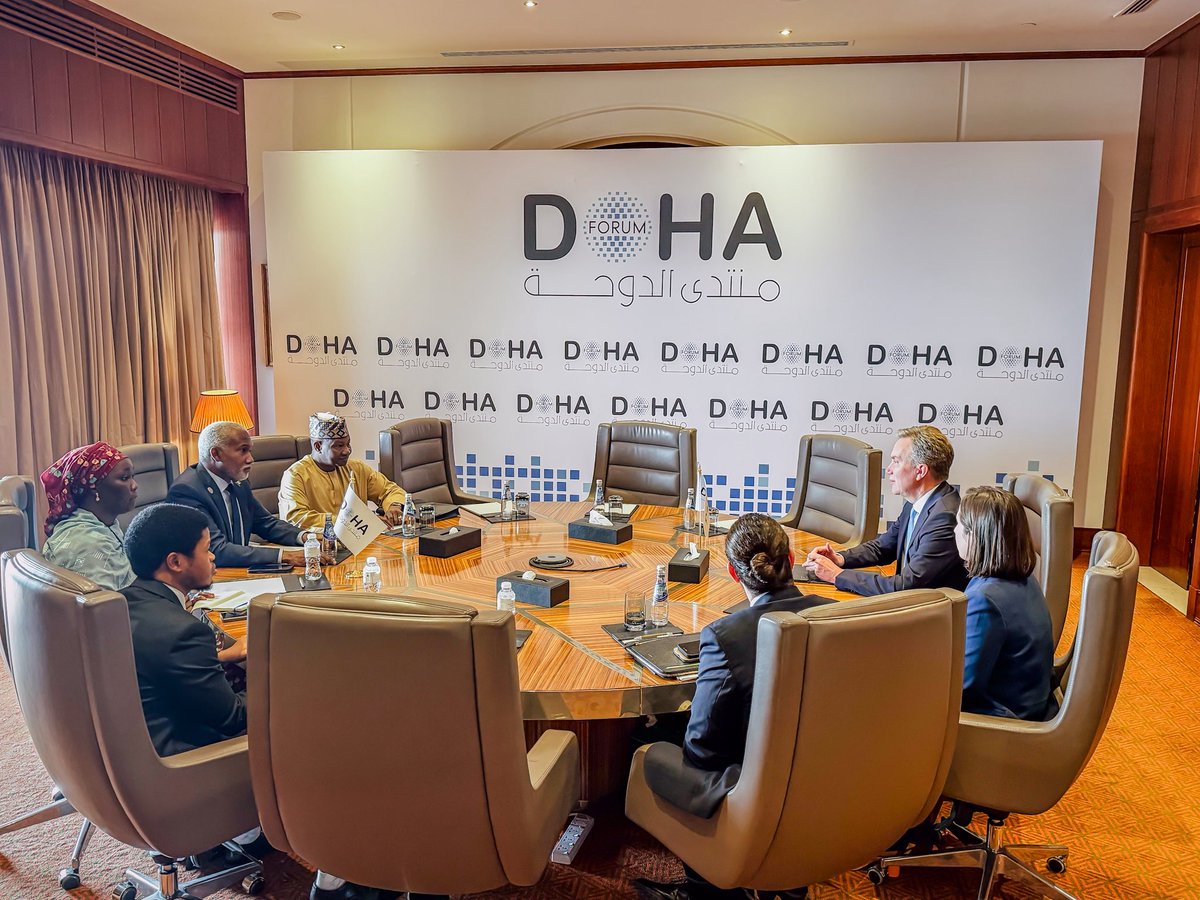
Kicking off #AMNC26 in Dalian with a timely conversation on the Belt and Road Initiative and its evolving role in trade, investment & sustainable growth. With @PMGUINEE17 of #Guinea and Africa's stake in the future of global connectivity.
Watch Live: https://t.co/3VNtpTogx9
Sudan is launching #Sudapass a new national digital identity platform designed to rebuild core infrastructure, support public service delivery, coordination, and economic recovery.
https://t.co/ZON8IMyv8b
Africa’s job engine runs on reform that works.
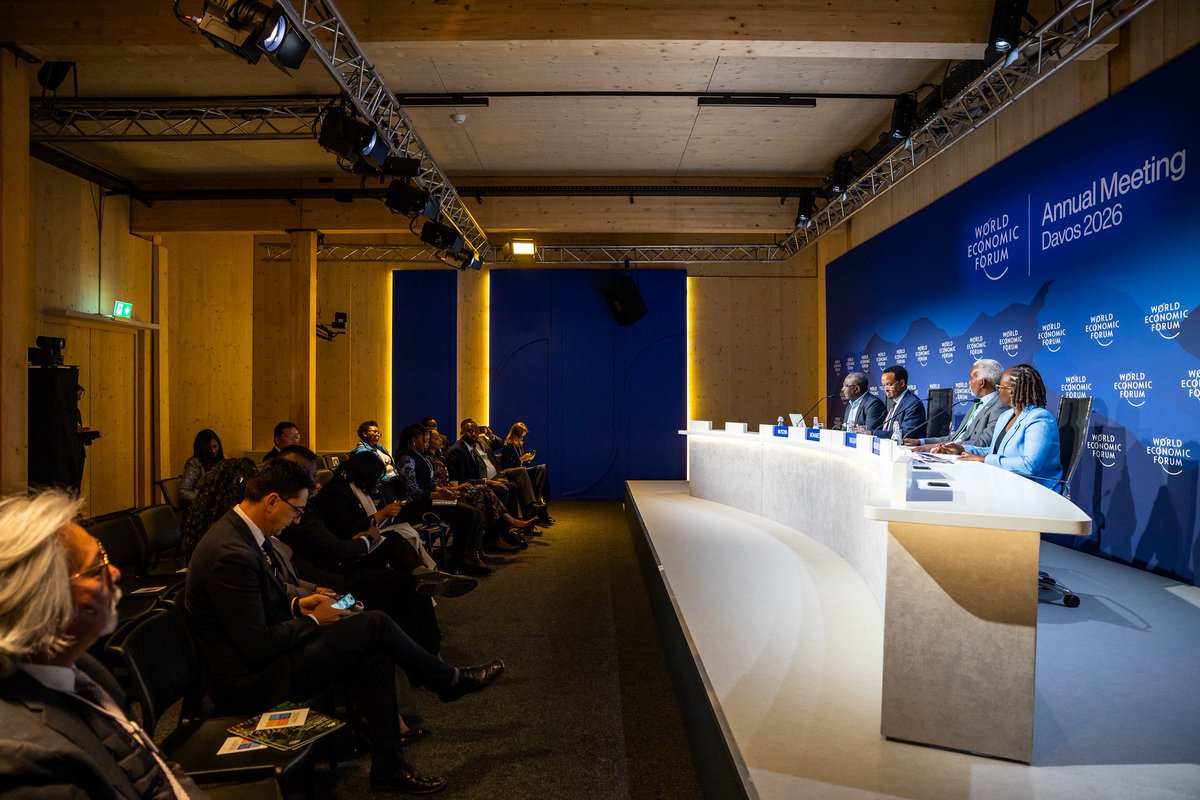
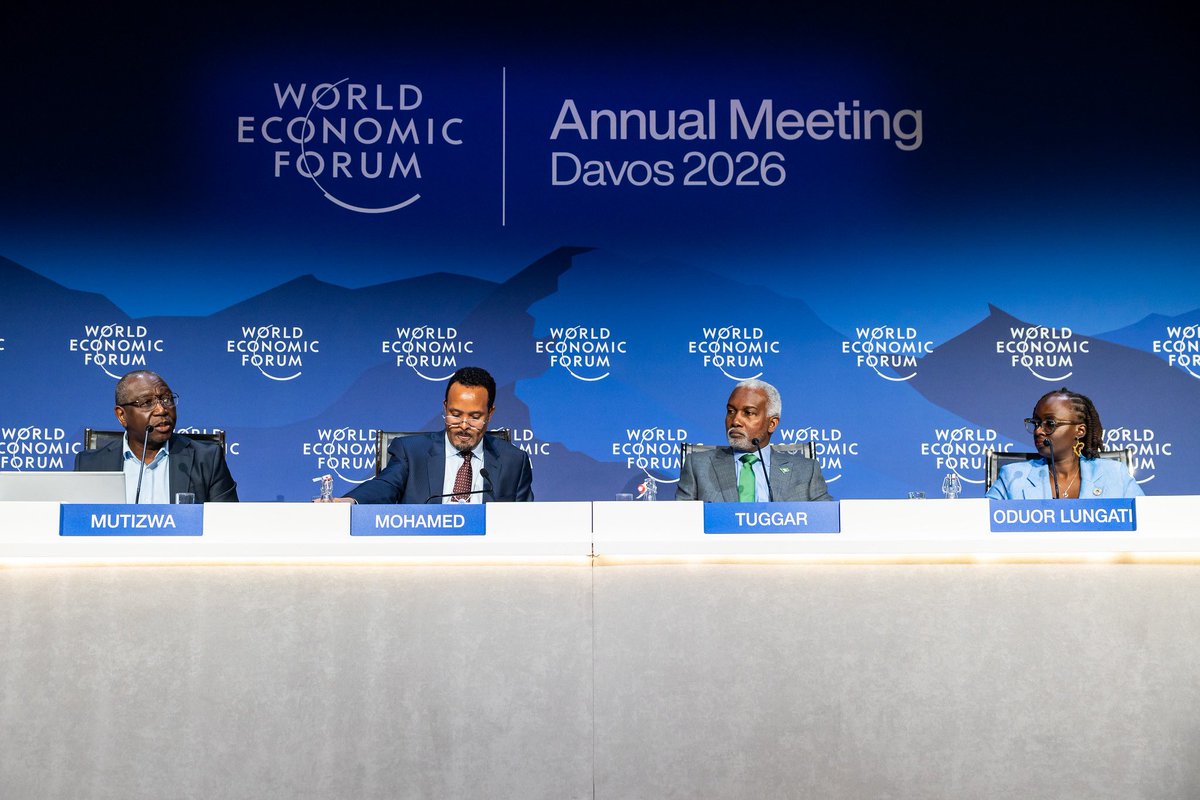
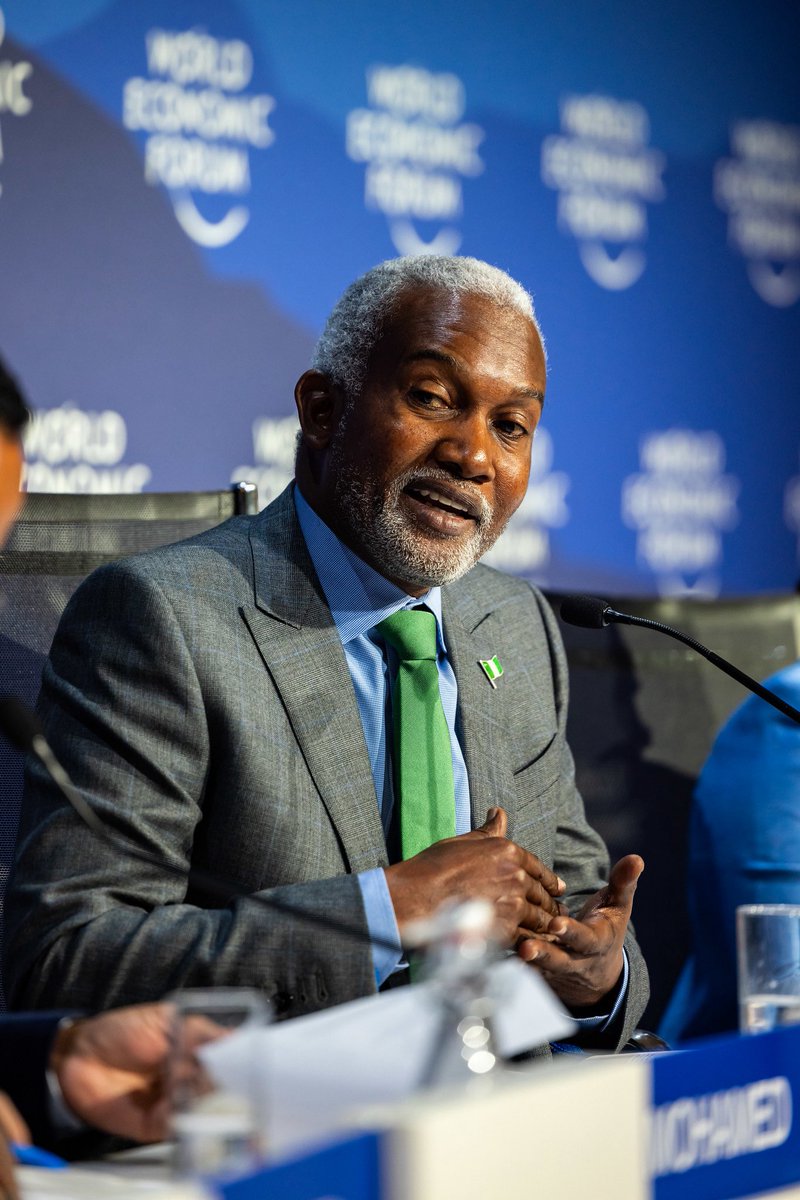
At #WEF26 Africa Job Engine Live Panel yesterday, I spoke about how macroeconomic reforms in Nigeria are opening space for private investment; stabilised FX, clearer power-sector rules, access to credit, and fintech-driven inclusion. As more people move from informal to formal economy, opportunity scales.
Government sets the framework; the private sector creates the jobs.
#NigeriaAtWEF26
Nigeria's Vice President Kashim Shettima says the federal government is addressing food insecurity nationwide by deploying climate-resilient crops, food security corridors, and farmer support to counter climate change, insecurity, import dependence, and inflation.
Vice President @KashimSM has announced that Nigeria no longer views food security through a narrow agricultural lens, but as a fundamental macroeconomic, security, and governance issue.
He said the Federal Government had begun a multi-dimensional agricultural drive designed to insulate the nation from global shocks while restoring the productivity of its food basket regions.
Speaking at a high-level panel titled “When Food Becomes Security” at the Congress Centre during the 56th World Economic Forum (@wef) meeting in Davos, Switzerland, VP @KashimSM said the Federal Government no longer treats food security as a narrow agricultural concern but as a strategic pillar for governance, economic stability, and regional cohesion.
“In Nigeria, we don’t look at food security purely as an agricultural issue. It is a macroeconomic, security and governance issue. Our focus is to use food security as a pillar for national security, regional cohesion and stability.”
#WEF26
Unlocking sustainable growth in Africa depends on how effectively policy reform, private capital, and regional integration are aligned to create jobs at scale.
Speaking at the “How Can We Unlock New Sources of Growth? Africa’s Job Engine” panel on the sidelines of #WEF26, I joined Ahmed Shide Mohamed (@MoF_Ethiopia), @gmutizwa (@cnbcafrica) and @AngieNicoleOD (@ushahidi), to examine how African economies can convert growth into employment.
#NigeriaAtWEF26
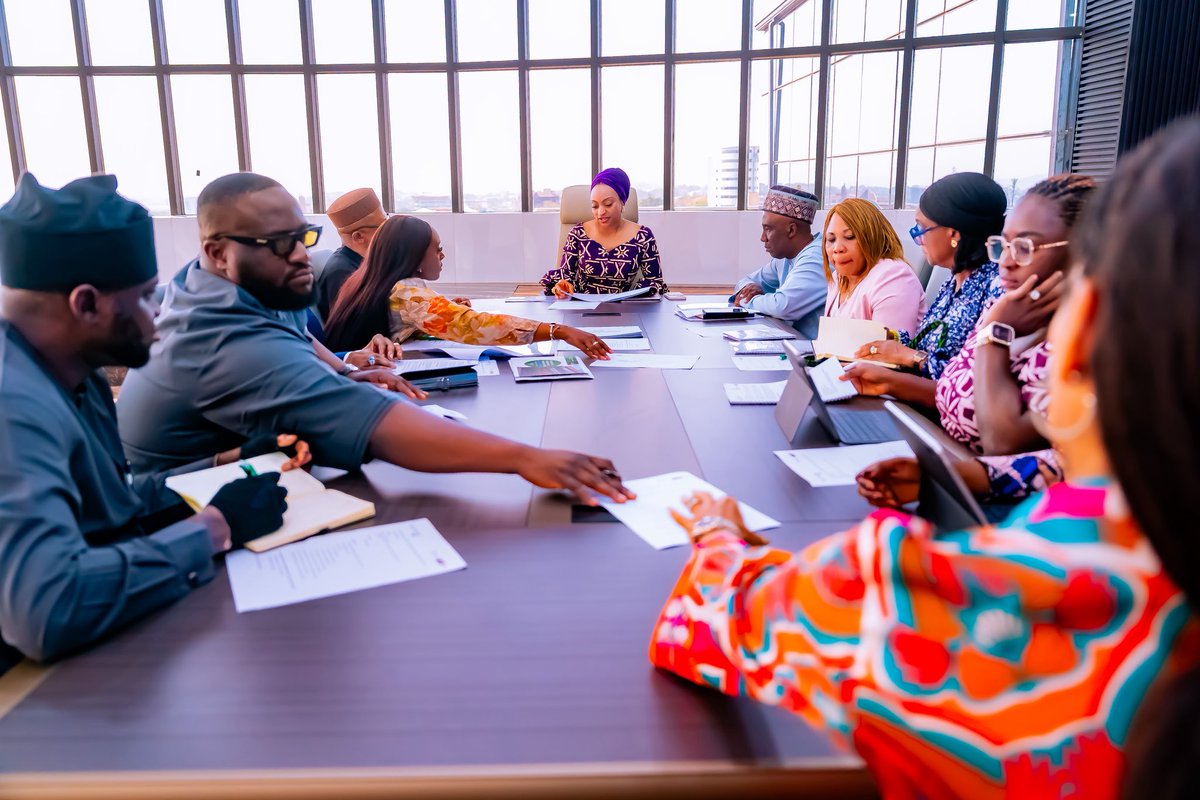
Ahead of the 2026 World Economic Forum in Davos, I met with the Nigeria House Davos team to align our priorities and strengthen coordination across all stakeholders. With key ministries fully onboard, Nigeria is presenting a unified commitment to global engagement and economic transformation.
Our focus remains clear: showcasing Nigeria’s strengths, attracting investment, and delivering a cohesive national voice on the world stage.
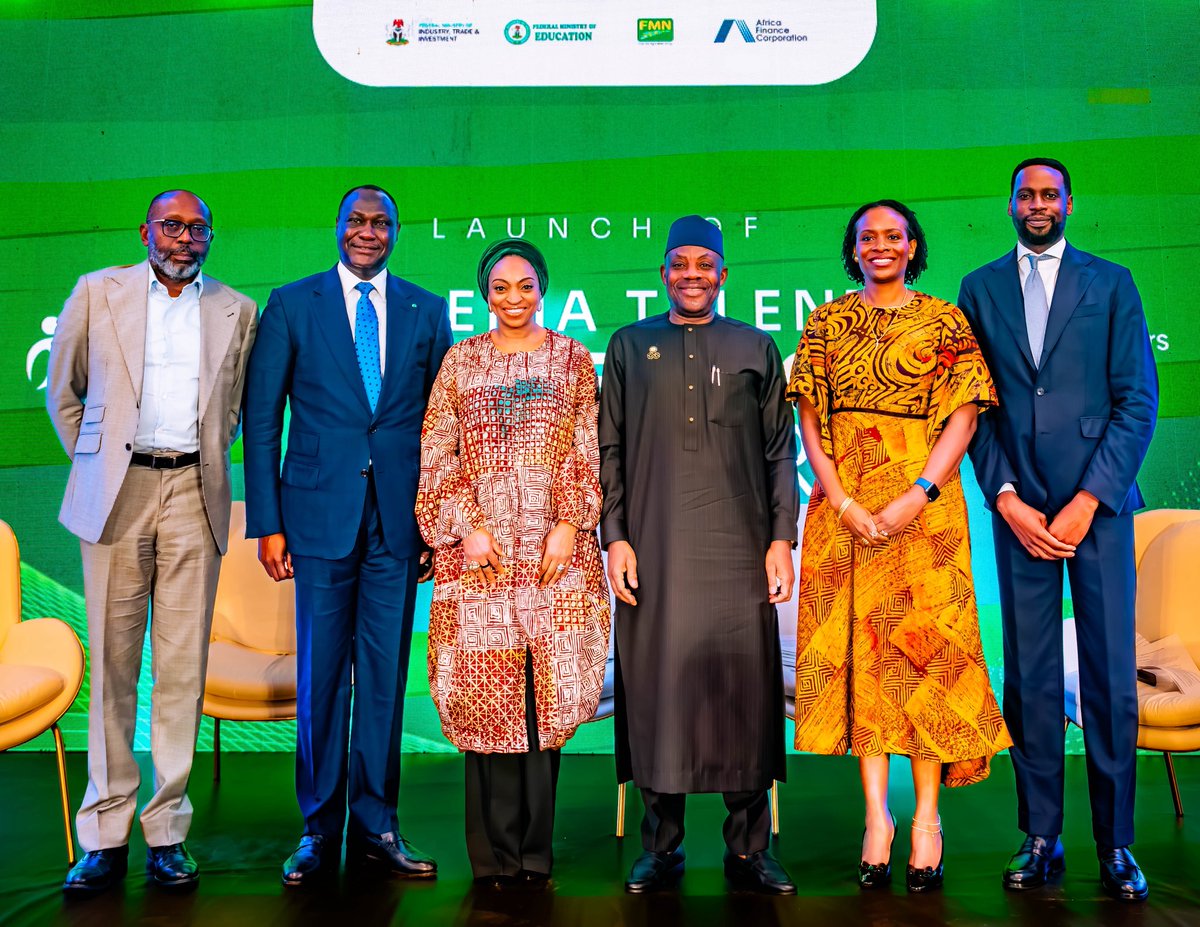
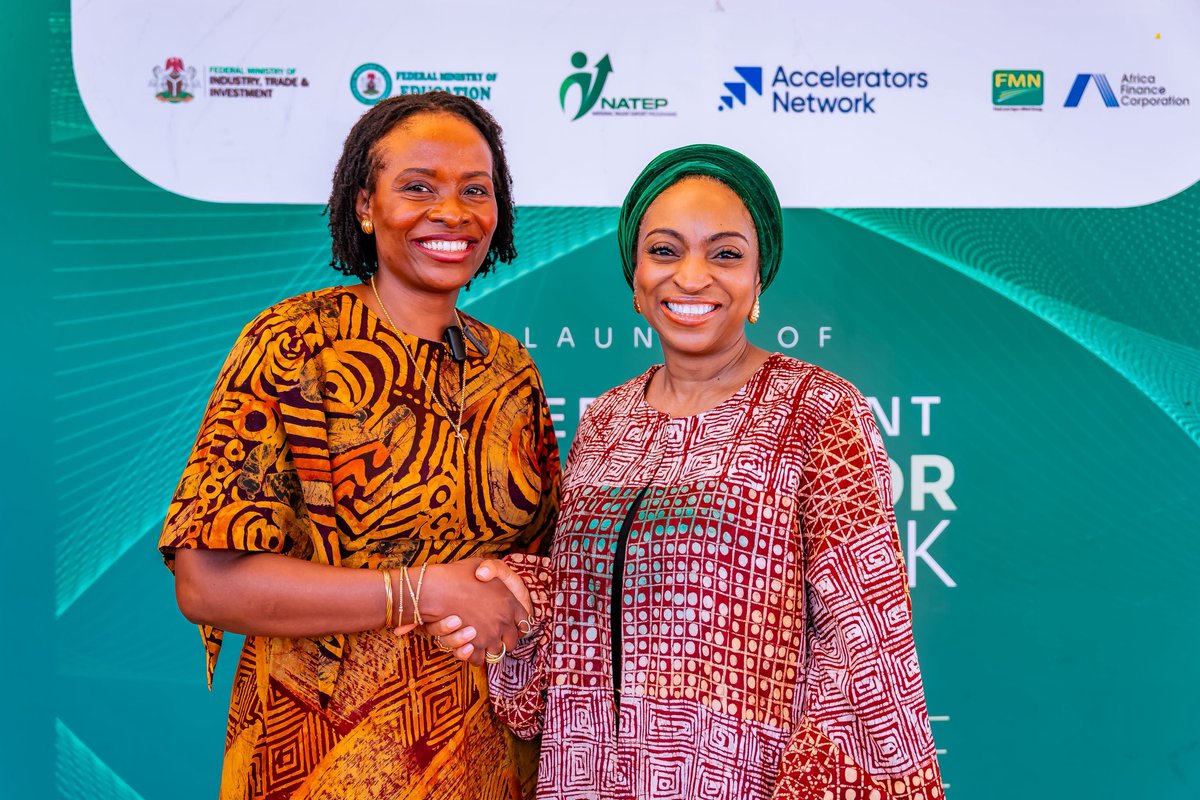
We are proud to announce the launch of the Nigeria Talent Accelerator Network, a game-changing initiative designed to strengthen our workforce capabilities, close productivity gaps, accelerate digital transformation, and prepare Nigerians for the future of work.
Special thanks to our two distinguished co-chairs — Mr. Samaila Zubairu, President & CEO of the Africa Finance Corporation (AFC), and Mr. Boye Olusanya, Group Managing Director & CEO of Flour Mills of Nigeria Plc for their leadership and partnership.
This milestone marks Nigeria’s official entry into the World Economic Forum’s Global Accelerators Network, under the Reskilling Revolution, co-chaired by the Federal Ministry of Industry, Trade and Investment and the Federal Ministry of Education, and coordinated by the National Talent Export Programme (NATEP).
Nigeria is moving from potential to positioning.
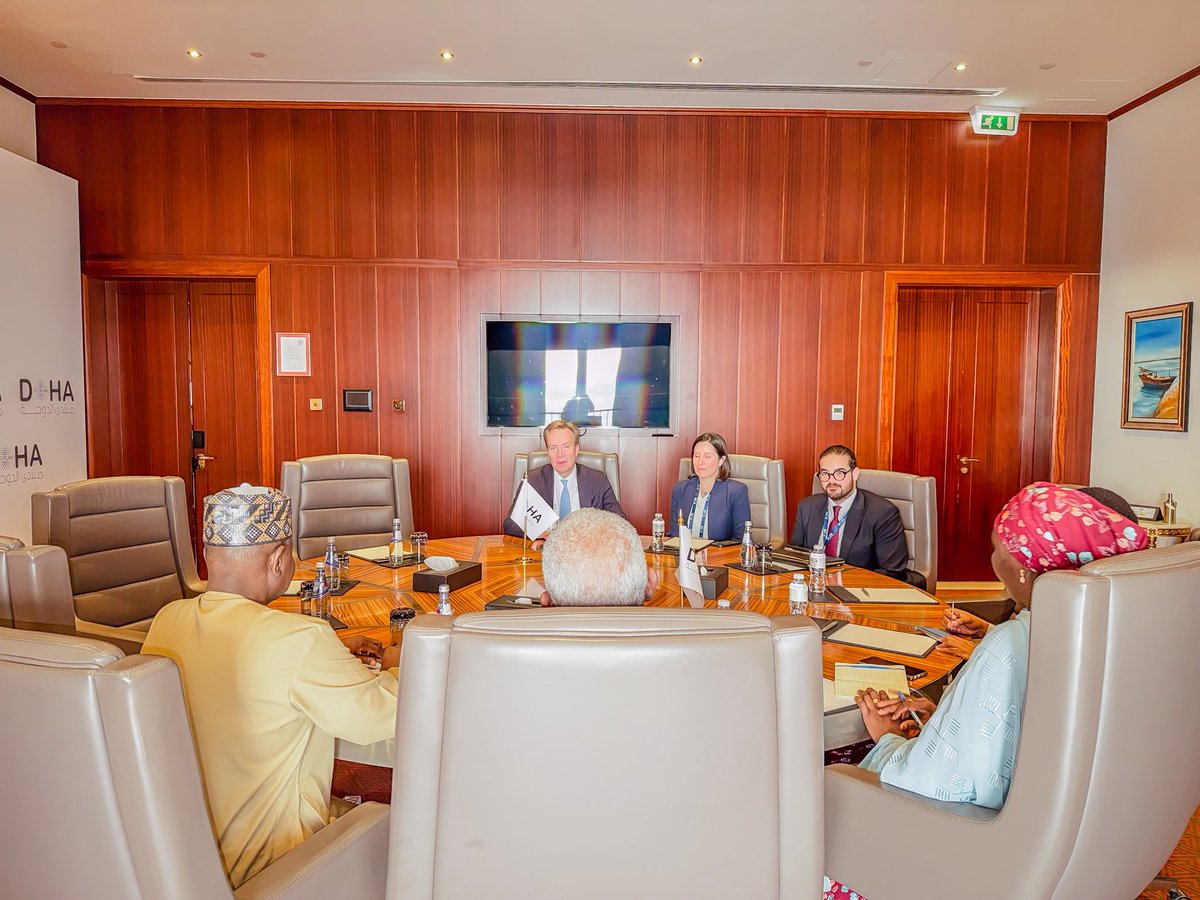
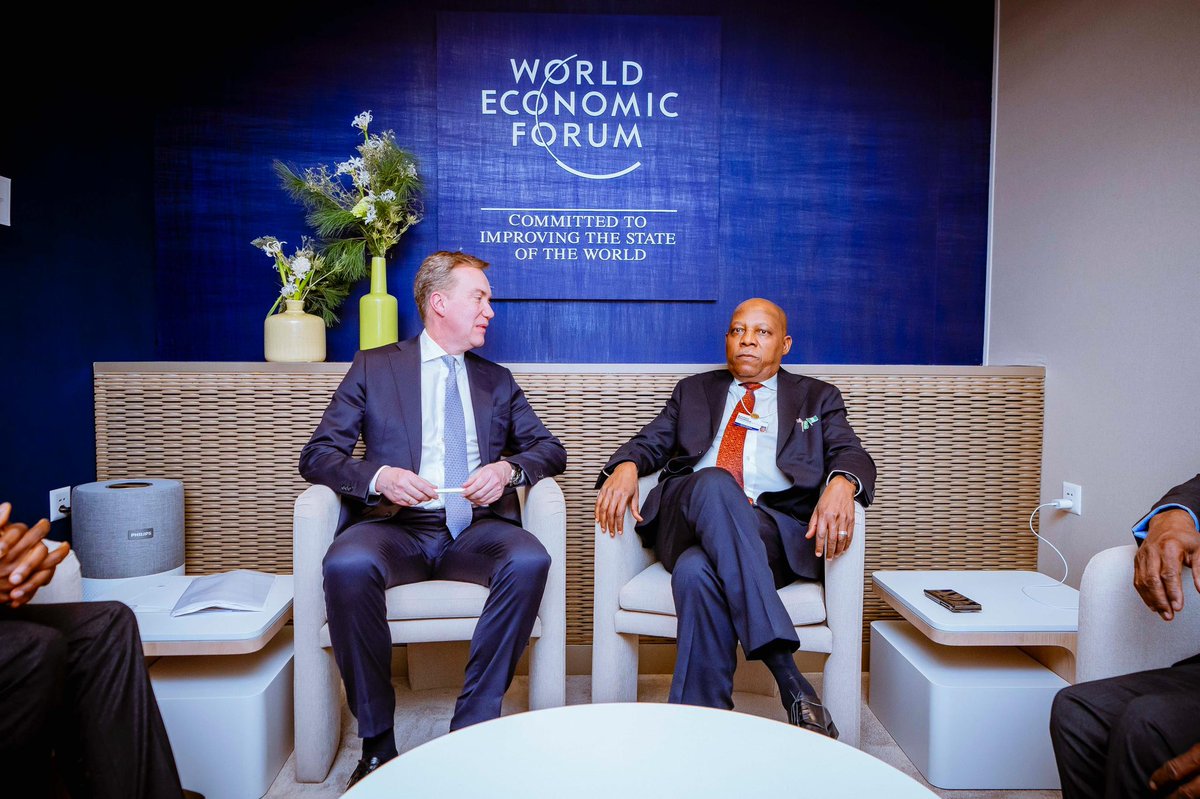
Discussed new investment and growth frameworks with @wef President @borgebrende, anchored on practical collaboration: mobilising capital, expanding job-creating industries and positioning Nigeria within global value chains.
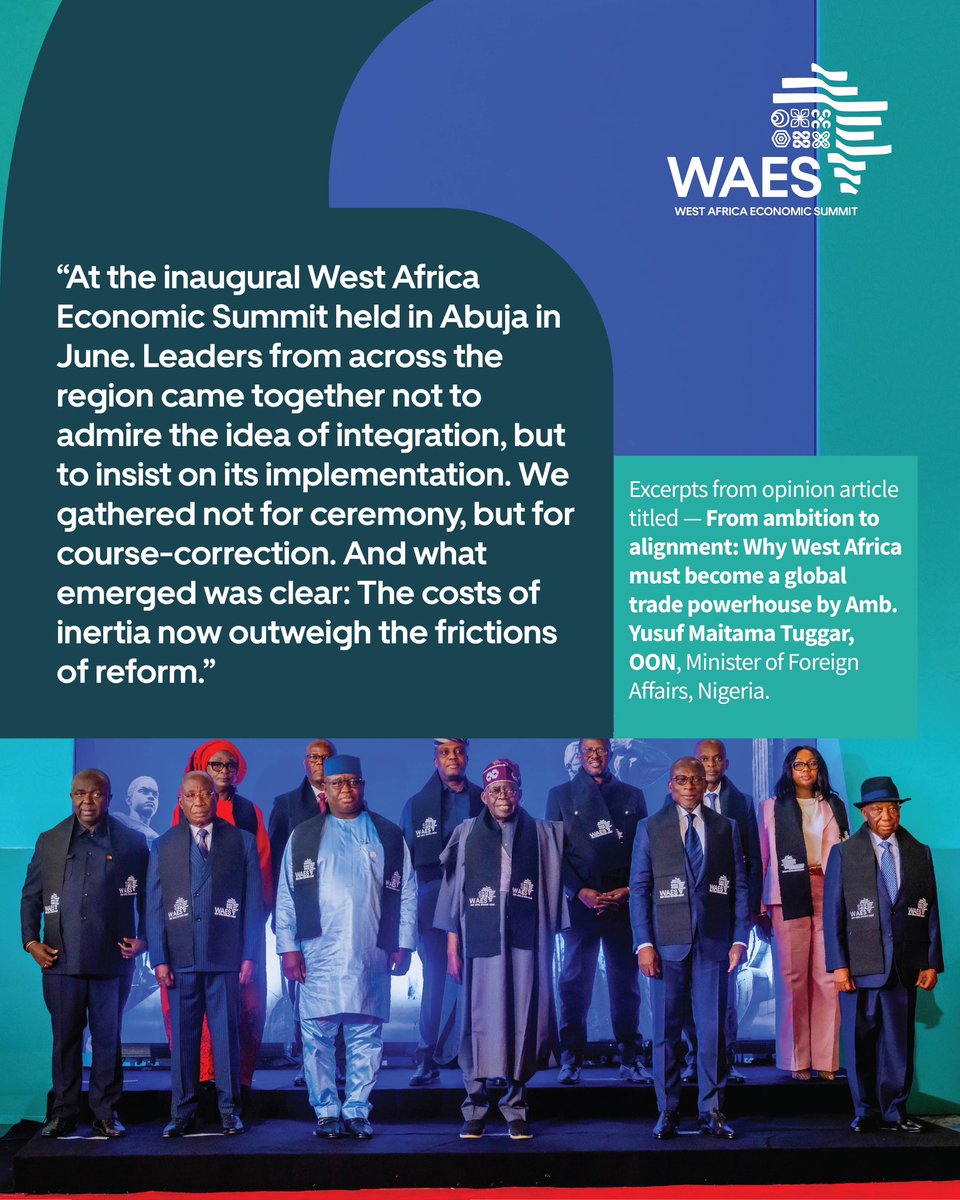
The World Economic Forum @wef has featured an article by Nigeria’s Minister of Foreign Affairs, Amb. Yusuf Maitama Tuggar (OON), echoing the core message of WAES 2025, turning regional trade ambition into action.
He calls for stronger cross-border coordination, practical policy implementation, and investor-focused reforms across the region.
Read the full article: https://t.co/7R5T7e2rht
#WAES2025
#RegionalIntegration
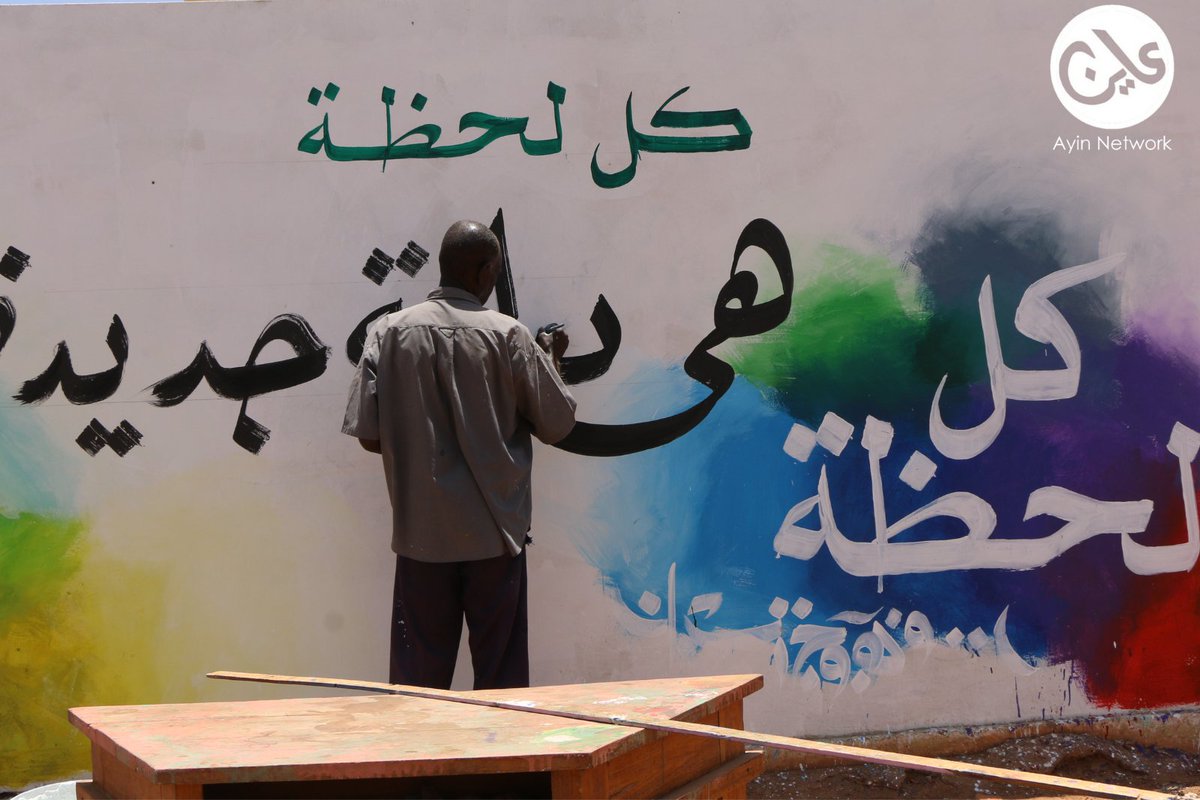
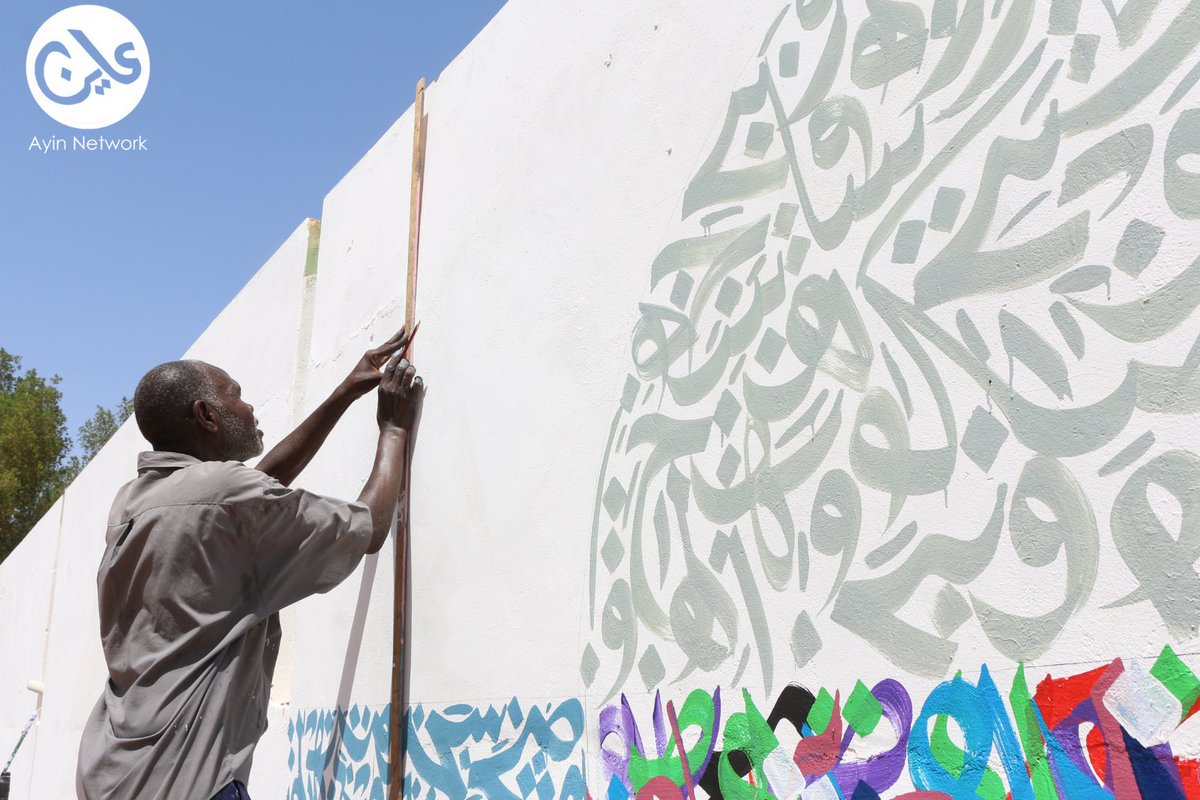
“Let’s Color Khartoum” is an initiative by artist Sahel Al-Tayeb, using graffiti to bring hope and optimism back to the war-torn streets of Khartoum with vibrant murals and positive messages.
#KeepEyesOnSudan#Ayinnetwork#Ayin
Vice President @KashimSM has stated that Nigeria’s dedication to harnessing the potential of its youth, investing in education, and advancing smart agriculture are essential strategies that will significantly help tackle both global and domestic challenges.
On a continental level, the Vice President noted that African youth are central to this transformation.
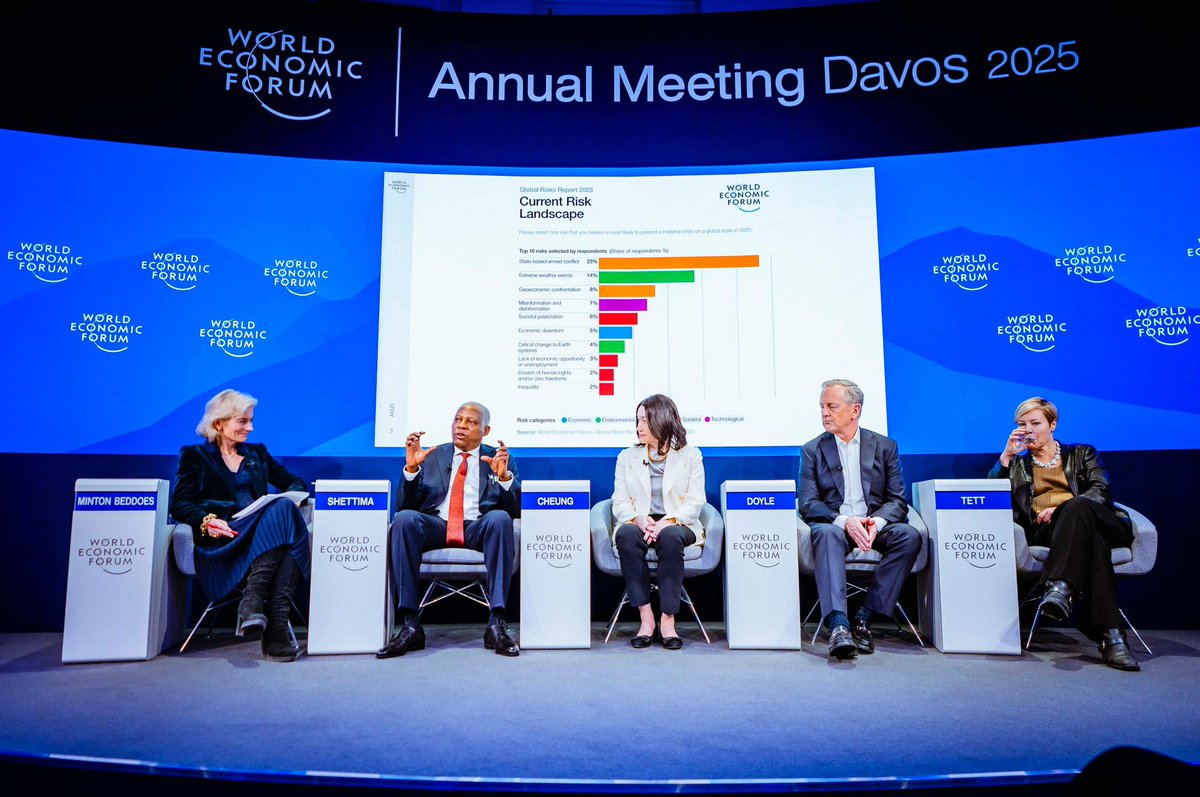
Speaking at the Financial Times Global Risk Roundtable during the ongoing 2025 World Economic Forum (@wef) in Davos, Switzerland, Vice President @KashimSM observed, however, that while crises abound, they also present opportunities for nations to rebuild stronger.
He said: “The word for crisis in Chinese is Wei Ji. Wei stands for danger, while Ji stands for opportunity. Yes, we have challenges, but those challenges are pregnant with opportunities to re-engineer our society and build back better.”
The Vice President reaffirmed Nigeria’s resolve to embrace innovation and empowerment, particularly through education, gender-focused initiatives, and smart agriculture, to propel its economy into the Fourth Industrial Revolution.
The Nigerian government has called for collaboration with the World Economic Forum (@wef) to foster economic development and growth in the country and across the African continent.
Specifically, it sought partnerships with the global body on the African Atlantic Gas Pipeline (AAGP) in a bid to connect Nigeria to Morocco and other African countries, as well as the recharging of Lake Chad to address the global food security crisis and other existential threats.
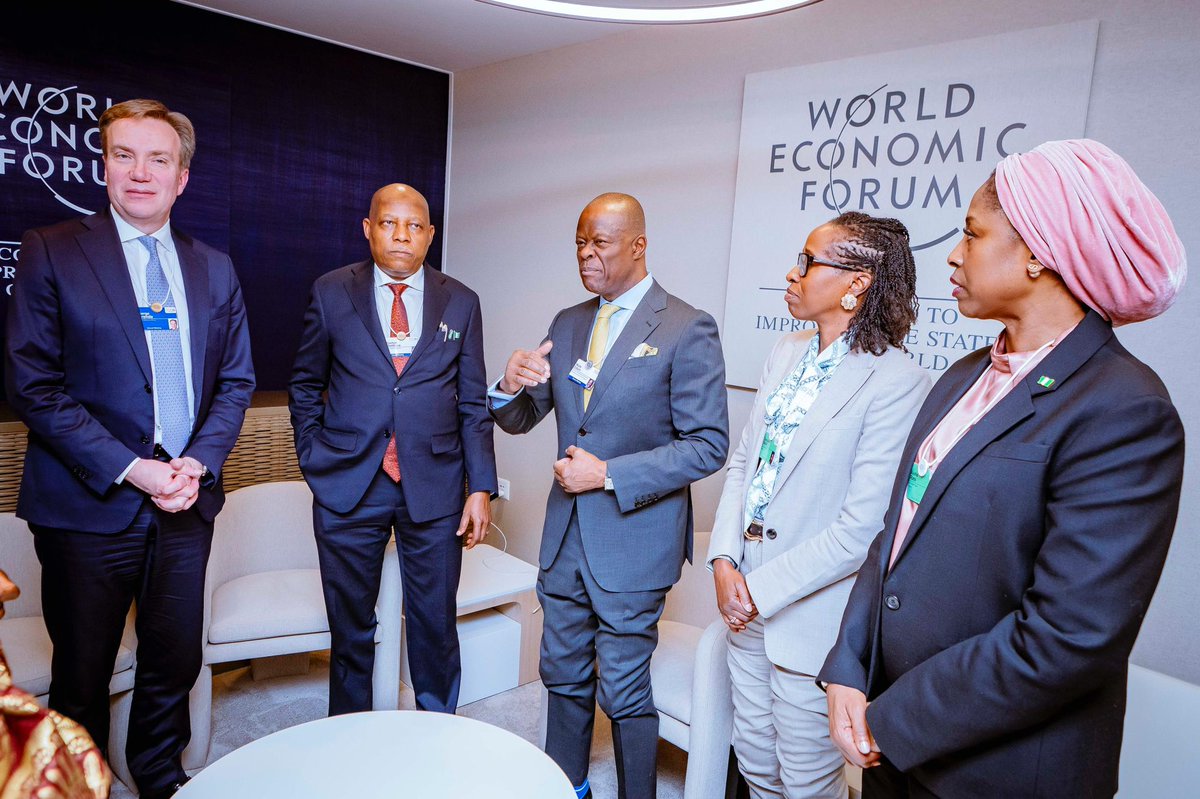
Vice President @KashimSM stated this on Thursday during a bilateral meeting with the President of the World Economic Forum (@wef), Mr. @borgebrende, on the sidelines of the ongoing annual meeting of the WEF in Davos, Switzerland.
On the African Atlantic Gas Pipeline, Senator @KashimSM said Nigeria will be in a vantage position to leverage the WEF platform to develop the gas project, pointing out that this will address the geopolitical challenges in Europe and the growing demand for energy driven by artificial intelligence, data mining, and storage.
Nigeria’s Finance Minister Wale Edun said Africa’s largest oil producer will tap a range of instruments to help finance this year’s budget deficit https://t.co/75hMD6ccib
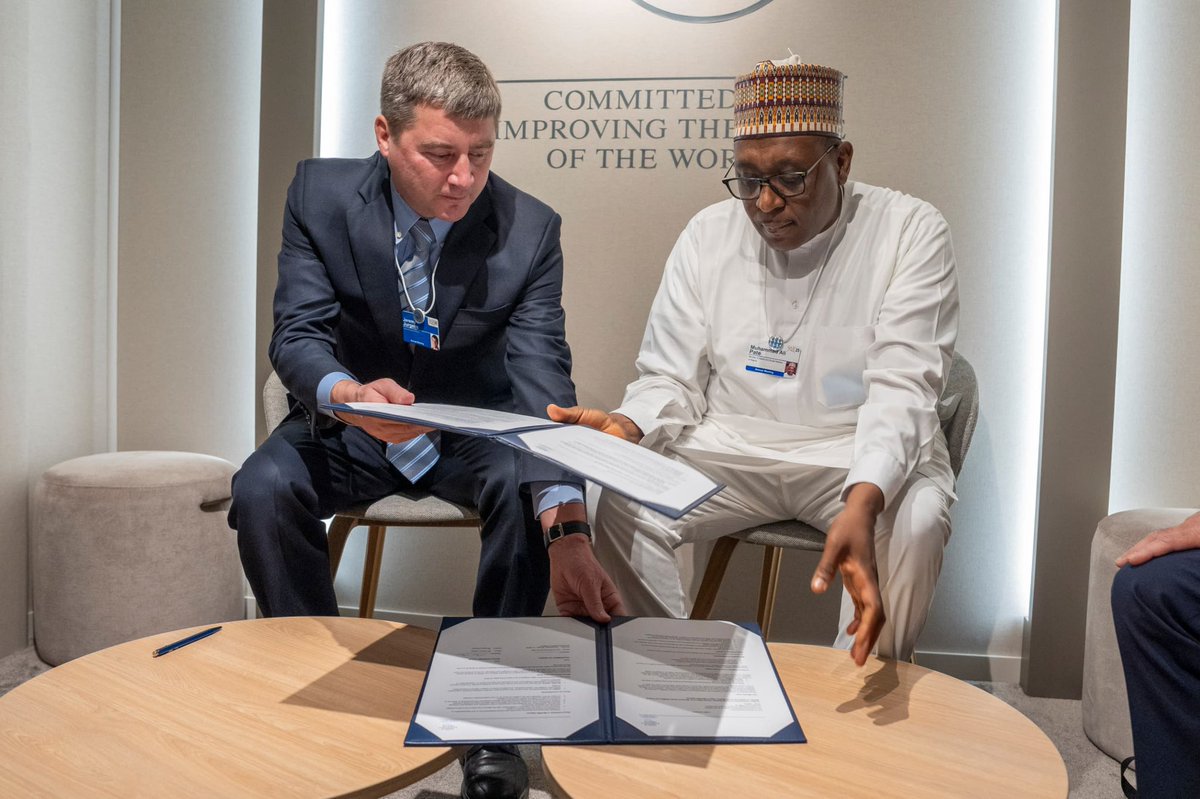
I am pleased to share that I, alongside the World Economic Forum's (@wef) Managing Director, Mr. Jeremy Jurgens, signed an agreement that will see the Federal Ministry of Health and Social Welfare, in collaboration with the World Economic Forum’s Global Alliance for Women’s Health, taking a significant step toward improving maternal health outcomes in Nigeria by launching the Global Activator Network (GAN) on Maternal Health.
Nigeria’s participation in the GAN on Maternal Health will help:
- Promote Successful Interventions: Share and replicate successful maternal health interventions tailored to specific contexts.
- Strengthen Country-Level Ecosystems: Strengthen local ecosystems and partnerships to support sustained improvements and scale interventions to ensure equitable access to improving maternal health outcomes.
- Blueprint for Partnerships: Develop and disseminate models of effective collaborations between public sectors, private sectors, and civil society to problem-solve on the frontier and emerging challenges.
- Foster Country-to-Country Learning: Exchange of knowledge, experiences, and best practices among countries.
Nigeria’s collaboration with the Alliance will harness existing strengths, address persistent challenges, and leverage global expertise to catalyze progress in maternal health in the country. A pivotal workshop, scheduled for later this year in Abuja, will serve as a launchpad for impactful solutions, strengthening partnerships and advocacy.
I am also pleased to join the Global Alliance for Women’s Health as Board Member, alongside remarkable individuals committed to closing the women’s health gap. I look forward to advancing women’s health in Nigeria through this unique and promising partnership!
#MaternalHealth #Nigeria #GlobalAllianceForWomensHealth #wef25
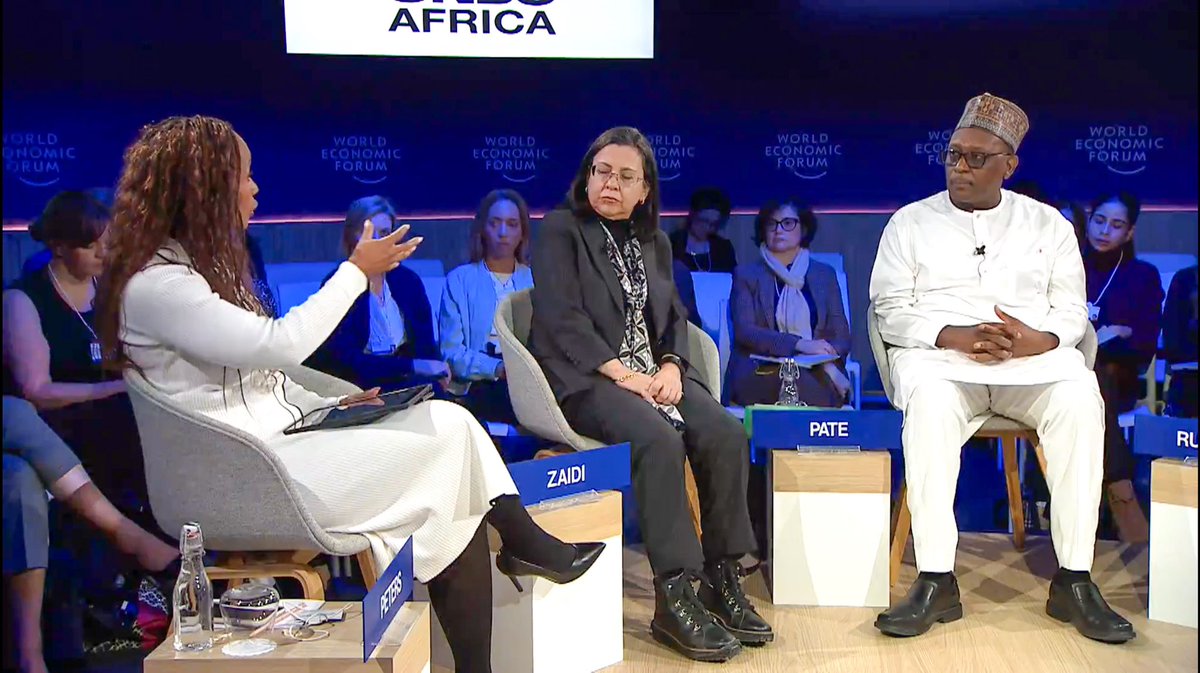
It was an insightful session today at the World Economic Forum @wef as I joined other global leaders, including Anita Zaidi @AnitaZaidi of the Bill & Melinda Gates Foundation, Catherine Russell @unicefchief of @UNICEF, and Bernd Montag @bernd_montag of Siemens Healthineers @SiemensHealth, to discuss the critical importance of investing in women’s health. It also provided an opportunity to share Nigeria’s bold reforms and achievements of HE President Bola Ahmed, GCFR, @officialABAT under the Health Sector Renewal Investment Initiative (#NHSRII).
I highlighted the longstanding neglect of women’s health in global health policies, from reproductive and maternal health to non-communicable diseases (NCDs). Through NHSRII, we are implementing targeted reforms to address these gaps. This includes revitalizing thousands of primary healthcare centers @NphcdaNG, training over 53,000 frontline health workers, and introducing financial protection mechanisms to ensure women can access essential services, including antenatal and emergency obstetric care, without financial hardship.
Our approach integrates innovation and insights from women themselves. For example, focus groups in northeastern Nigeria revealed cultural misconceptions that limit the use of maternal health services, underscoring the need for policies grounded in the lived realities of women. Additionally, we are leveraging Nigeria’s mixed health system by working with the private sector to localize the production of reproductive health commodities and expand economic opportunities for women through job creation in healthcare.
We are also prioritizing women’s leadership in healthcare governance through initiatives like the National Health Fellows Program, ensuring women are at the forefront of shaping inclusive policies. These efforts are driven by our commitment to equity and reflect the broader Renewed Hope Agenda’s whole-of-society / whole -of-government approach to achieving better health outcomes for all Nigerians.
I would like to acknowledge our moderator, Ms Fifi Peters @FifiPeters of CNBC Africa @cnbcafrica, for facilitating such a vibrant and insightful session that allowed us to explore these critical issues with depth and purpose.
Investing in women’s health is not just a health priority; it is essential for economic and social transformation. Through collaboration, shared accountability, and innovation, we can close the gaps and accelerate progress toward universal health coverage, leaving no woman behind.
Félix-Antoine Tshisekedi Tshilombo (@Presidence_RDC) announces the creation of a nature reserve called the Kivu-Kinshasa Green Corridor. Located in the Congo, it will stretch over 2,400 kilometres to protect tropical forests and biodiversity. #wef25
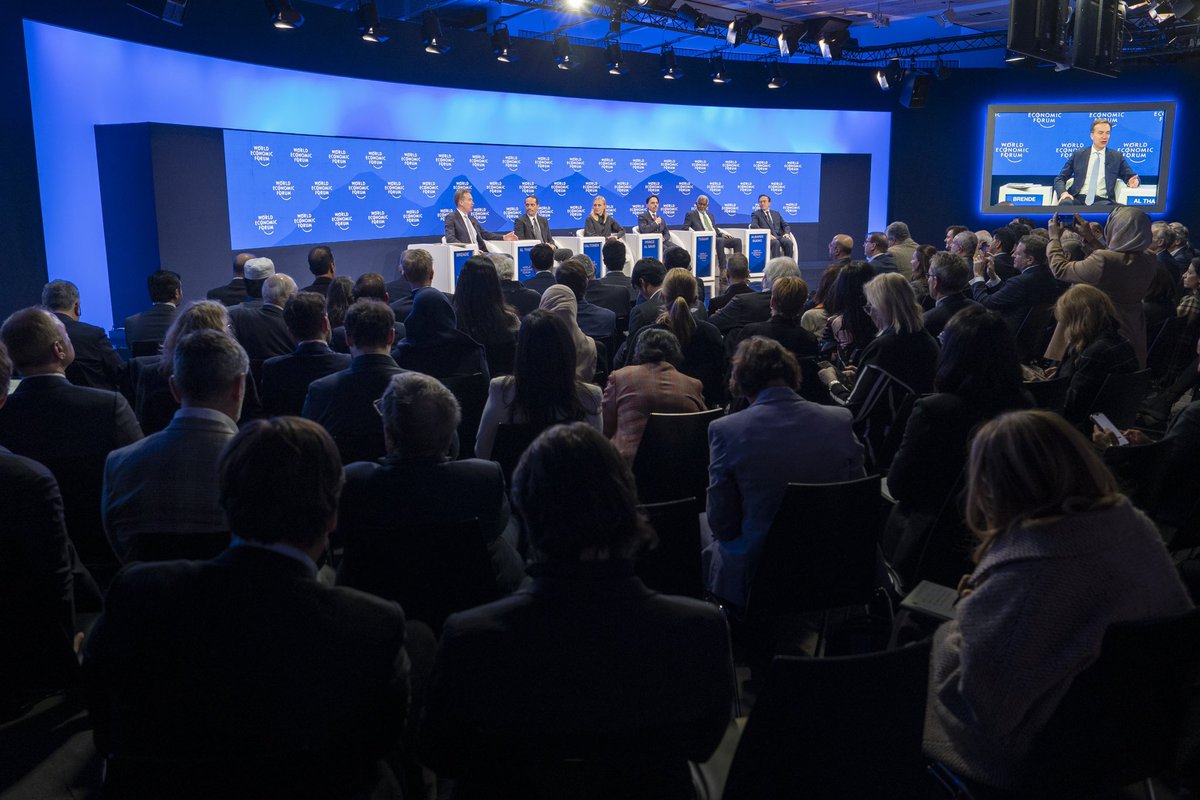
In my second session today at #WEF25, titled "Diplomacy Amid Disorder," we explored strategies to address global instability and economic challenges while advancing long-term global priorities.
Discussions centred on rising geopolitical tensions, the highest number of state-based conflicts in 75 years, and the critical role of collaborative diplomacy in tackling pressing issues such as climate change, economic instability, and regional security challenges.
I was joined by @FaisalbinFarhan (Minister of Foreign Affairs @KSAmofaEN), H.E. Mohammed Bin Abdulrahman Al Thani (Prime Minister and Minister of Foreign Affairs, @MofaQatar_EN), @elinavaltonen, @jmalbares (Minister of Foreign Affairs, European Union and Cooperation, @SpainMFA), and @borgebrende (President and CEO, @wef).
Watch here: https://t.co/cUrfEDLrKl
#NigeriaAtWEF2025