This matters because recent calculations by Evan Scannapieco and Philipp Grete show that the mass density statistics are sensitive to the choice of St in the turbulence box models, and it’s these St=1 models that have been used frequently to infer properties about the ISM.
Pretty much every local interstellar plasma turbulence model has used St = 1, ie the decorrelation time of the Fourier driving is set to equal the outer scale eddy turnover. This is generally not true supernova driven models, with St closer to 1/4, invariant of galaxy model:
It was 🎉 paper day 🎉 a couple of days ago and I forgot I post about it. @itsizzyconnor and I led a study on understanding the Strouhal number from first principles in blast wave driven turbulence (supernova in a galactic disk): https://t.co/3ynlL3Onav
This doesn’t only suggest that SNe driven turbulence has a unique Fourier footprint compared to vanilla K41 turbulence, but that the underlying velocity fluctuations are universal across galaxy and ISM variability, invariant to the underlying phase structure of the plasma 🤯🤯
Further, we show that we under a simple transformation, we can stitch turbulence spectrum between galaxies, revealing a k^-3/2 power law that connects the turbulence in the galactic wind to the disk, suggesting the existence of a cascade that extends many gaseous scales heights.
🚨Paper day🚨work led by @UCSCscience undergrad., Isabelle Connor (@itsizzyconnor) we show that supernovae-driven turbulence exhibits universal power law scalings across different galactic models, ISMs, and SNe seeding prescriptions.
https://t.co/Fu8U0XlanL
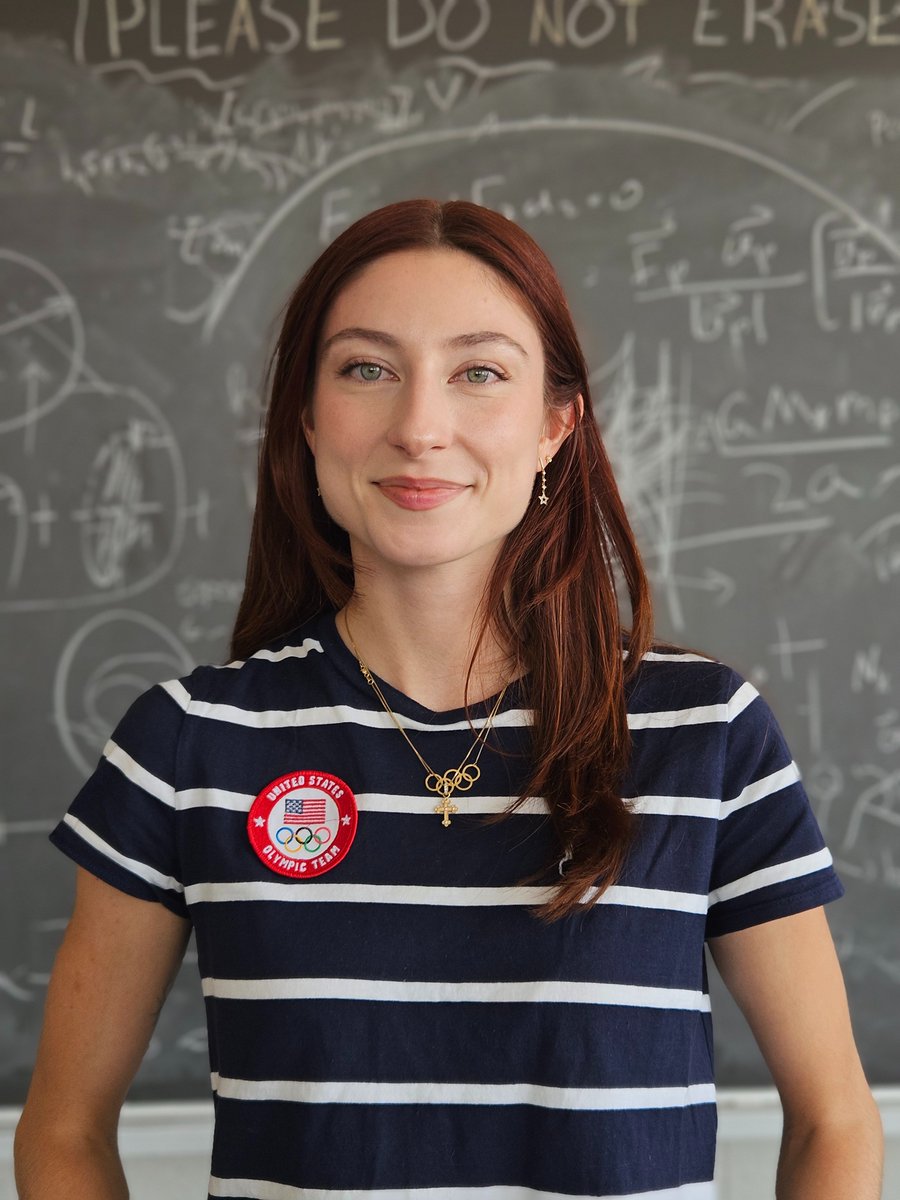
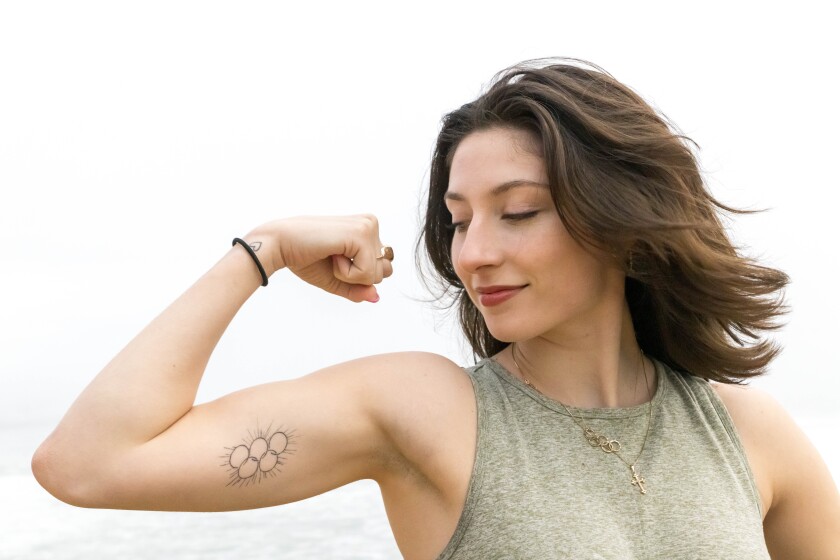
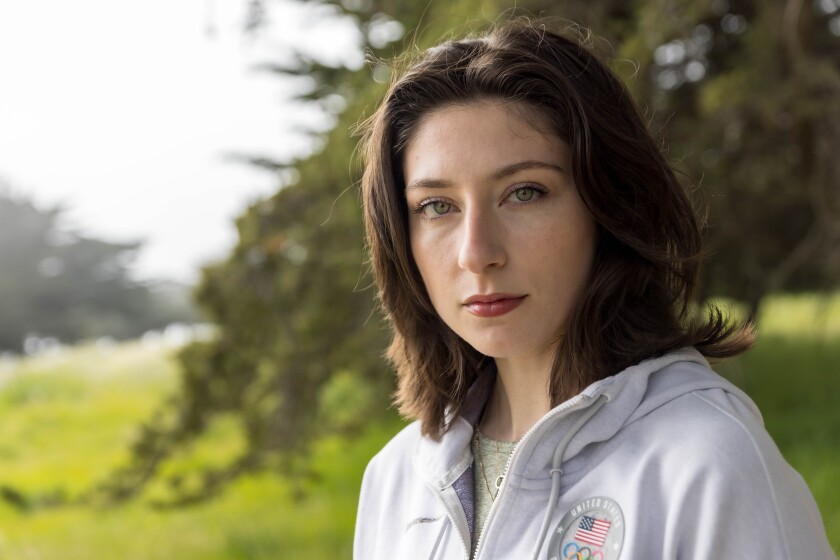
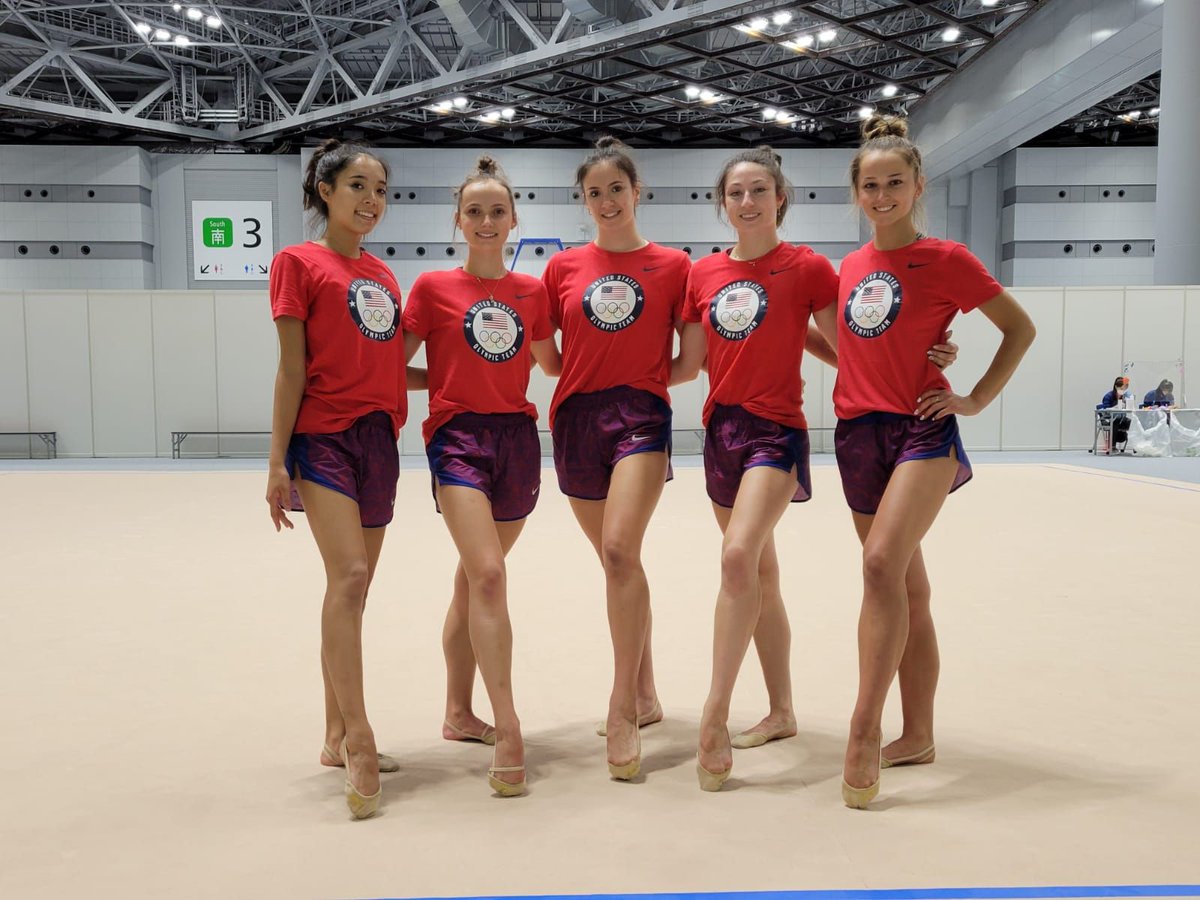
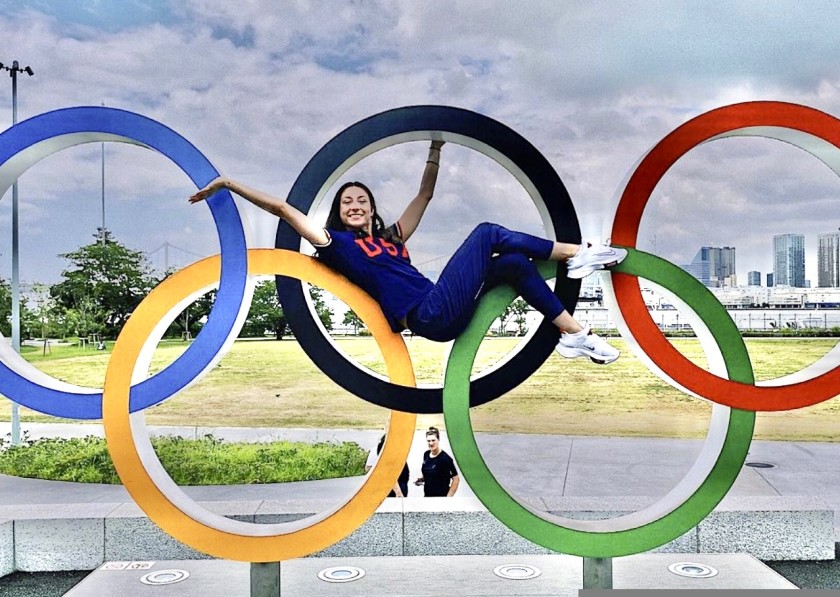
Isabelle Connor (@itsizzyconnor) olympic rhythmic gymnast and astrophysics student from @ucsc is visiting the @CITA_ICAT to investigate supernova driven turbulence together with CITA/Princeton University turbulence expert Dr. James Beattie (@astro_magnetism) Beattie.
They’ve been there. They’ve done it.
MindMoves’ teachers and speakers know what it takes to perform at the highest level—and how to apply it to the mental game.
Learn from the best: https://t.co/rJY0ouUcEM
Athletes give their all on the field, and now, we’re helping them bring that same focus to their mental health. Movember and @Opendorse present MindMoves, a new program designed to support the mental health of college athletes and open the conversation on mental health in sports. Learn more at https://t.co/beCUSEOe1L
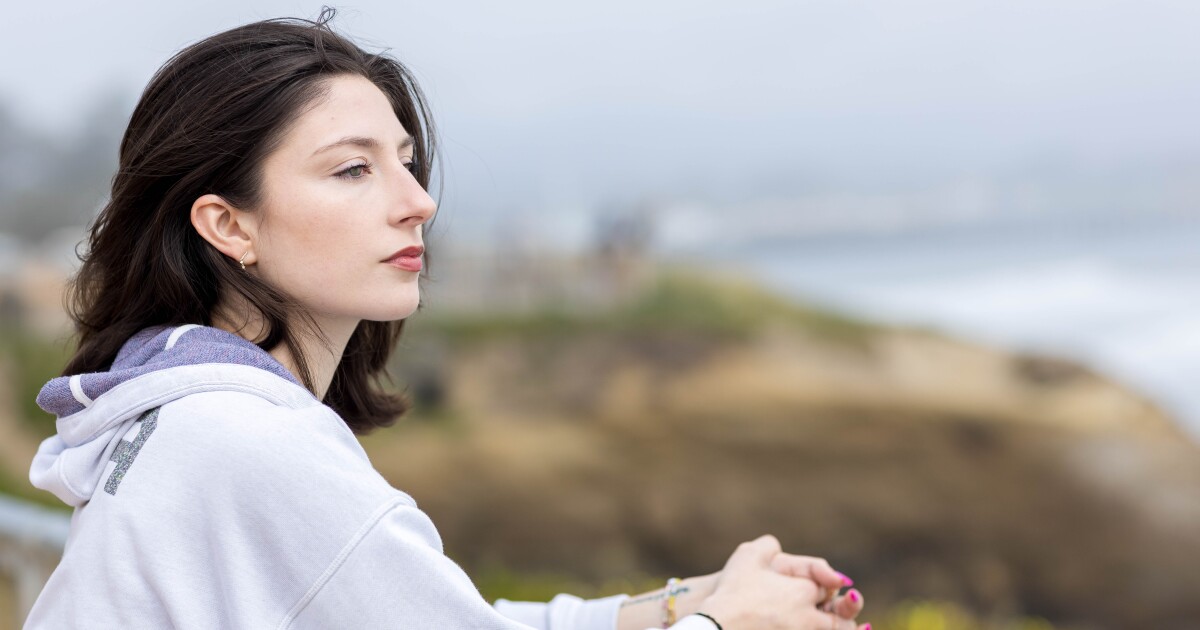
Knowing when you’re not OK: Izzy Connor knew she wasn’t — and luckily, she had someone to tell https://t.co/yTHPWrH8wp via @MarkConley on how a U.S. Olympian turned @UCSC astrophysics major is facing #Mentalhealth challenges
Up next in Tokyo: Rhythmic Gymnastics! 🌟
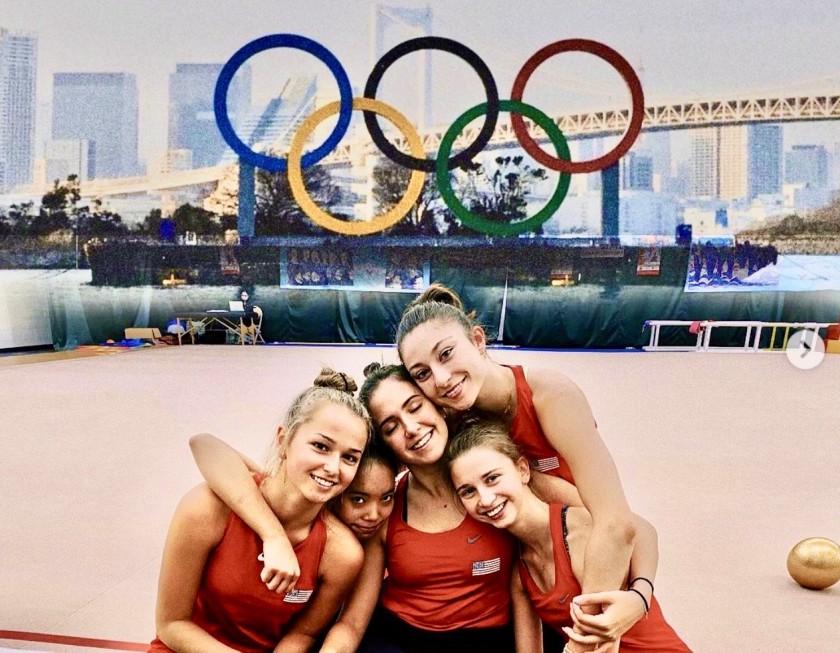
This Summer Games is especially significant for the discipline, as the 🇺🇸 boasts their largest field of rhythmic gymnasts in program history ➡️ 2 individuals and a 5-member group! #Tokyo2020
Get by with a little help from my friends! 🎶
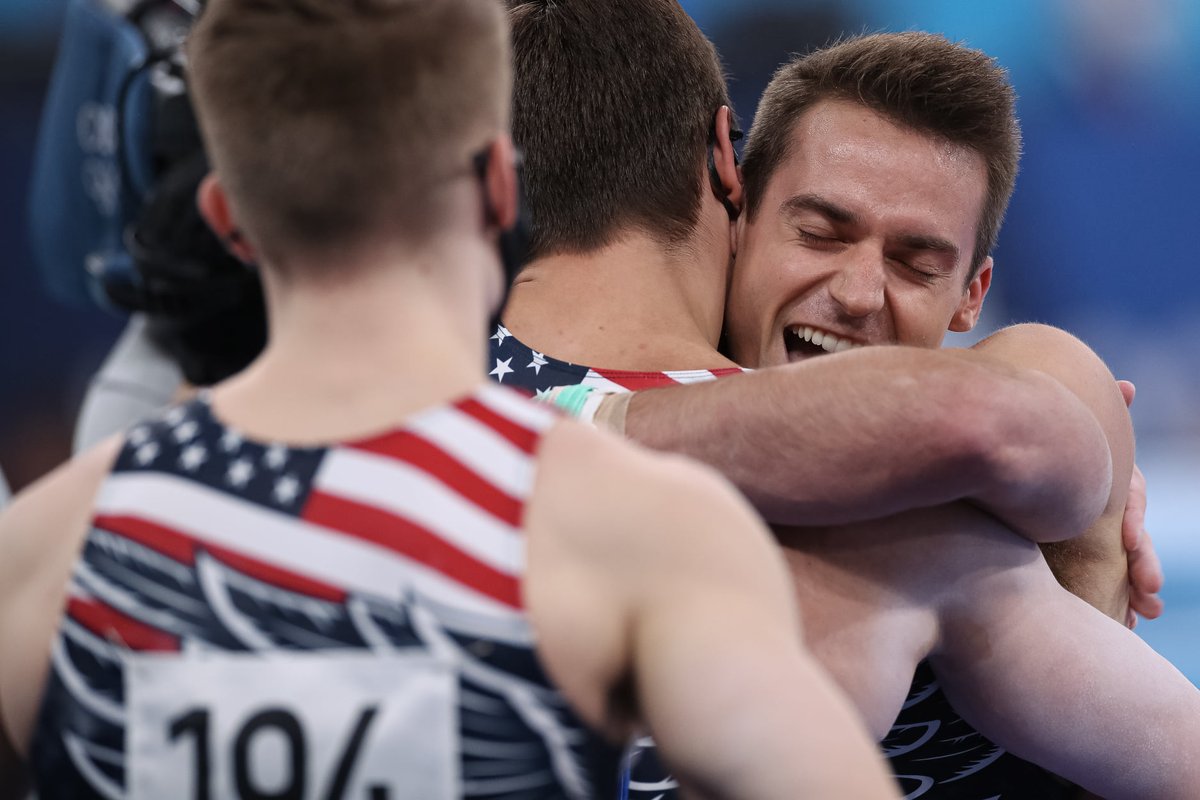
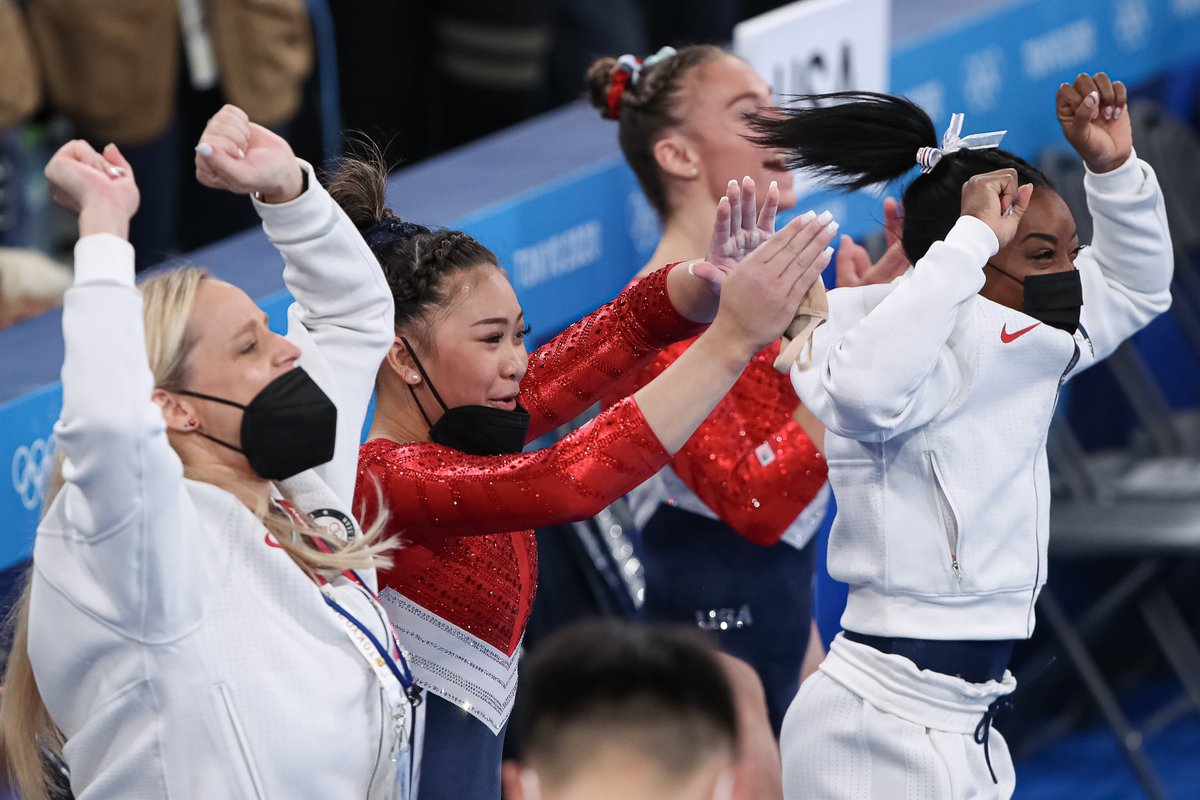
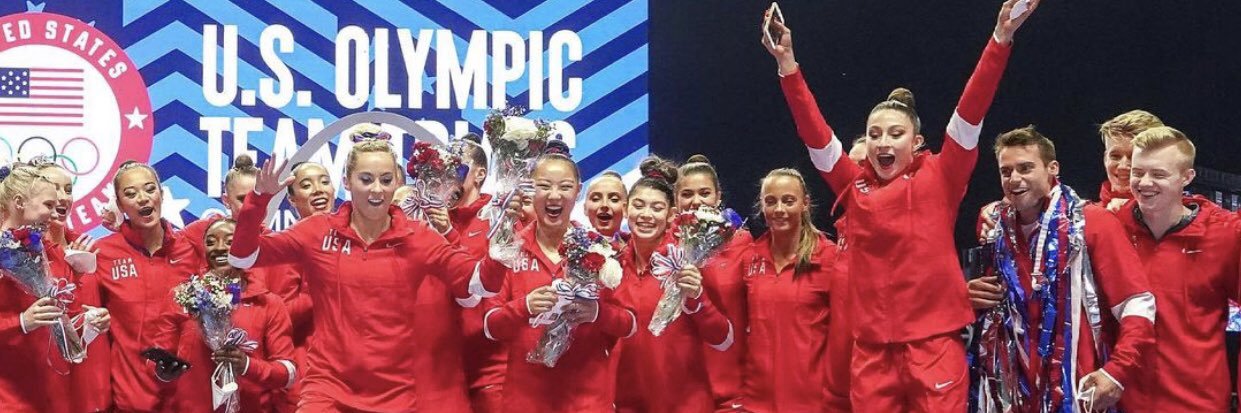
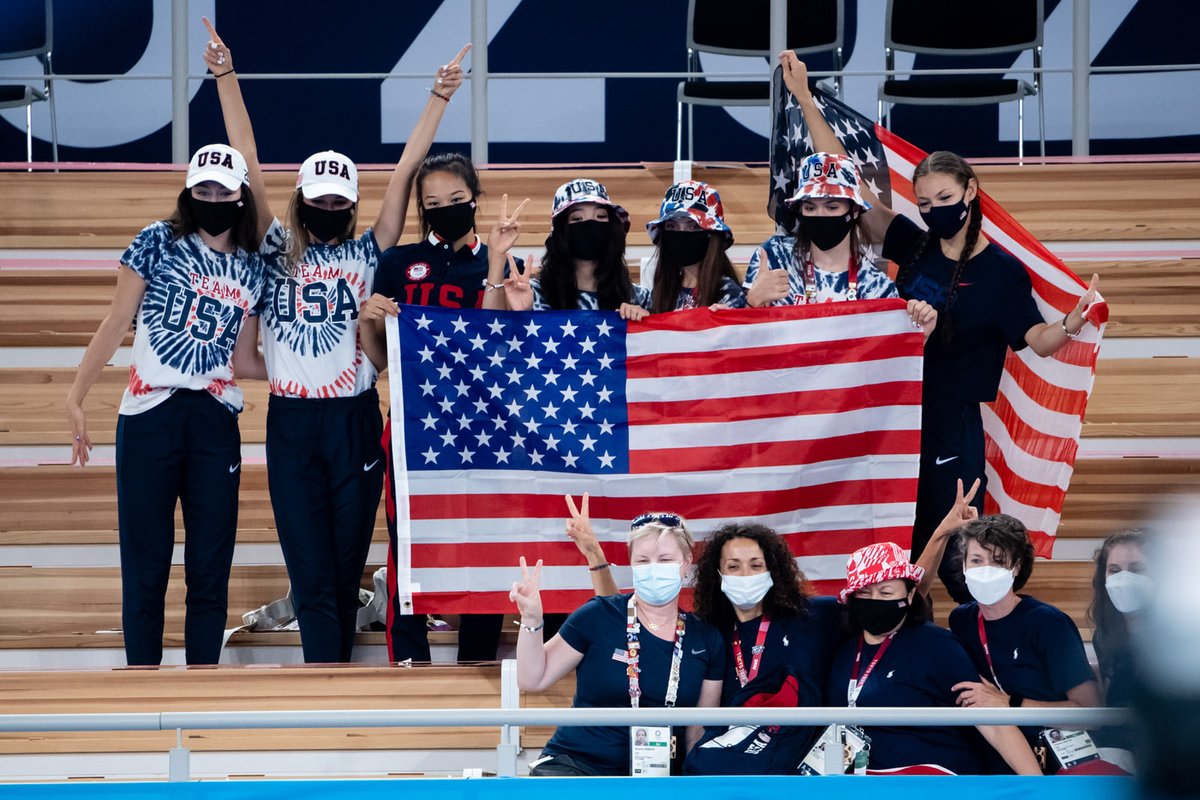
The gymnasts of @TeamUSA brought energy and solidarity to the floor each day, fueled by their teammates, coaches and staff! Your support for one another was truly uplifting!
#StrongerTogether | @Olympics