AI security advances when the industry builds in the open, together.
We're introducing the Open Secure AI Alliance with industry leaders to develop new techniques and tools to safeguard software and agents.
By sharing models, tooling and research in the open, we can broaden the community of defenders.
Learn more about the founding members’ contributions: https://t.co/A16oqxs5Ty
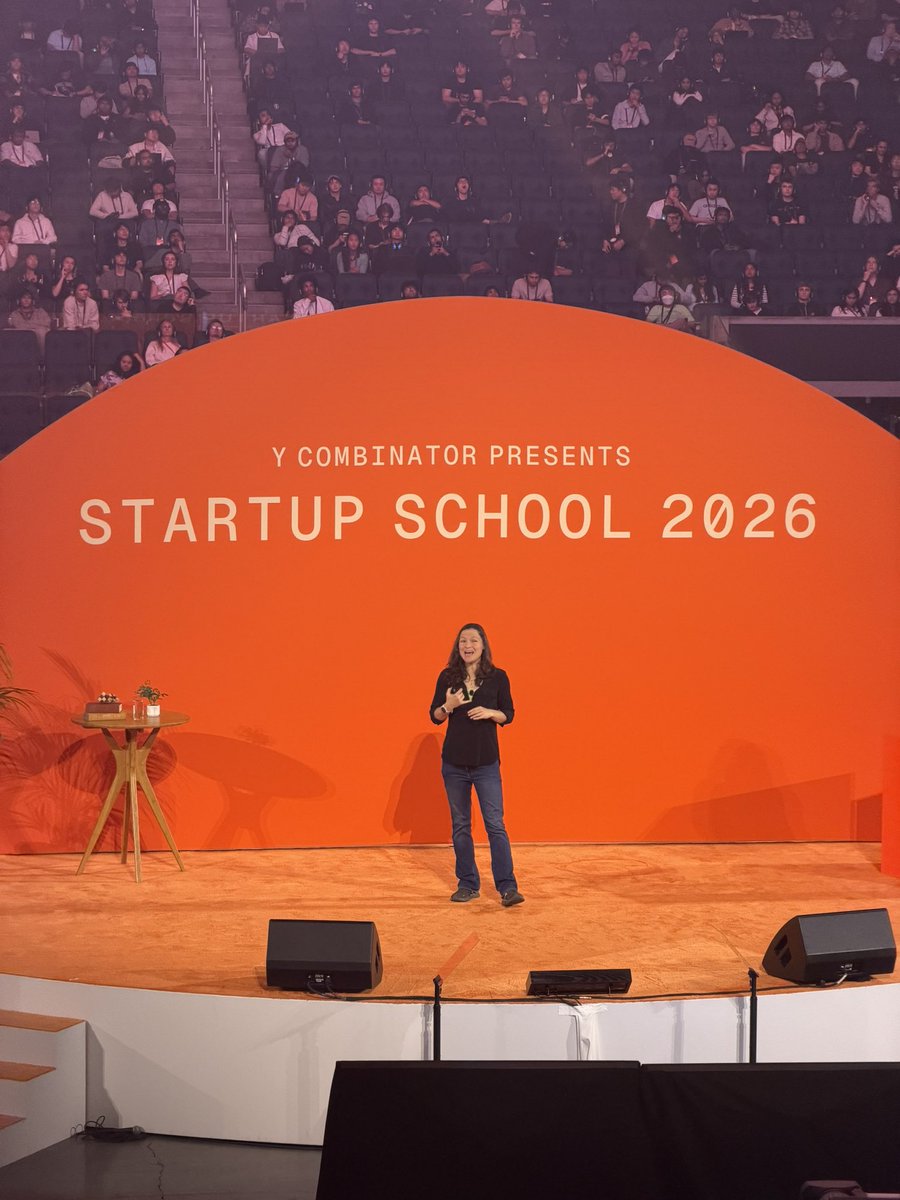
Highlights from Chelsea Finn’s (@physical_int Co-Founder) talk at YC Startup School:
> RL for robotics is bottlenecked by physical rollout cost, not just algorithm quality. 1M trajectories of a 1-minute task would take ~700 robot-days, which makes direct scaling of PPO/GRPO-style methods fundamentally different from LLM post-training.
> Memory is still a major missing piece in robot foundation model: most SOTA systems have effectively zero memory, and naive video history is too expensive (10s at 50Hz across 4 cameras ≈ 500K tokens). π solves this through short-term video memory plus long-term text summaries of the prior 10–15 minutes, which enabled a fully autonomous multi-step kitchen cleaning task.
> Generalist robot models may already be beating specialist pipelines: π0.7 mixed demos, rollouts, human video, and web data, then used rich prompting + metadata to make even lower-quality data useful — and it matched/outperformed fine-tuned specialists while showing compositional transfer to new tasks/platforms.
@chelseabfinn Thank you for the great talk!!