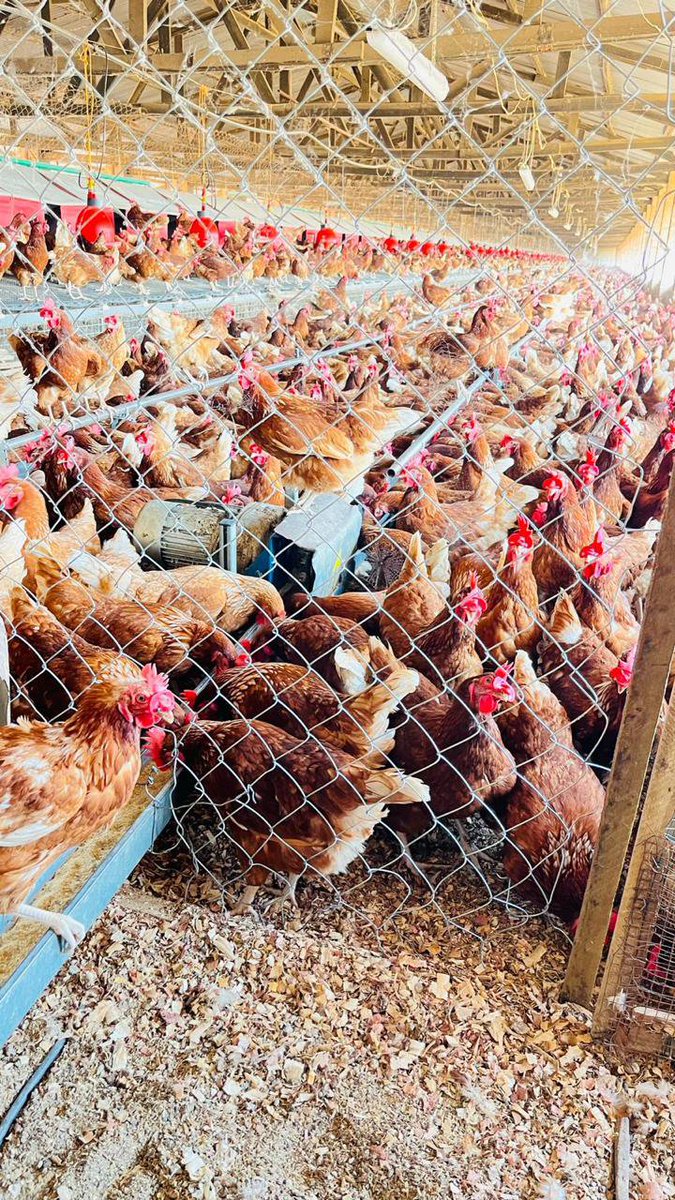
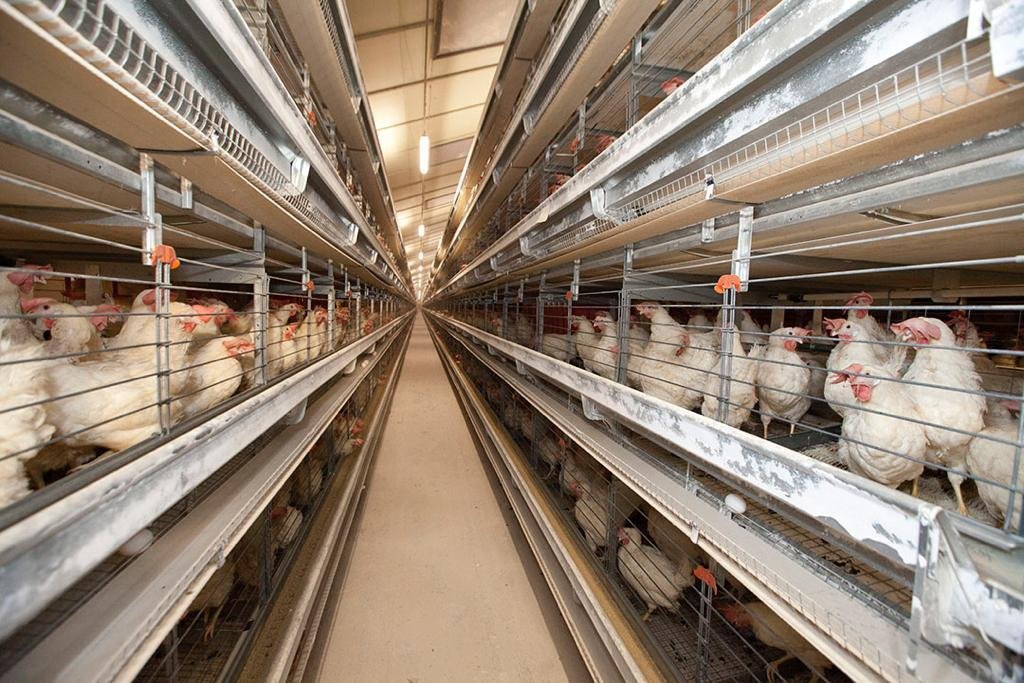
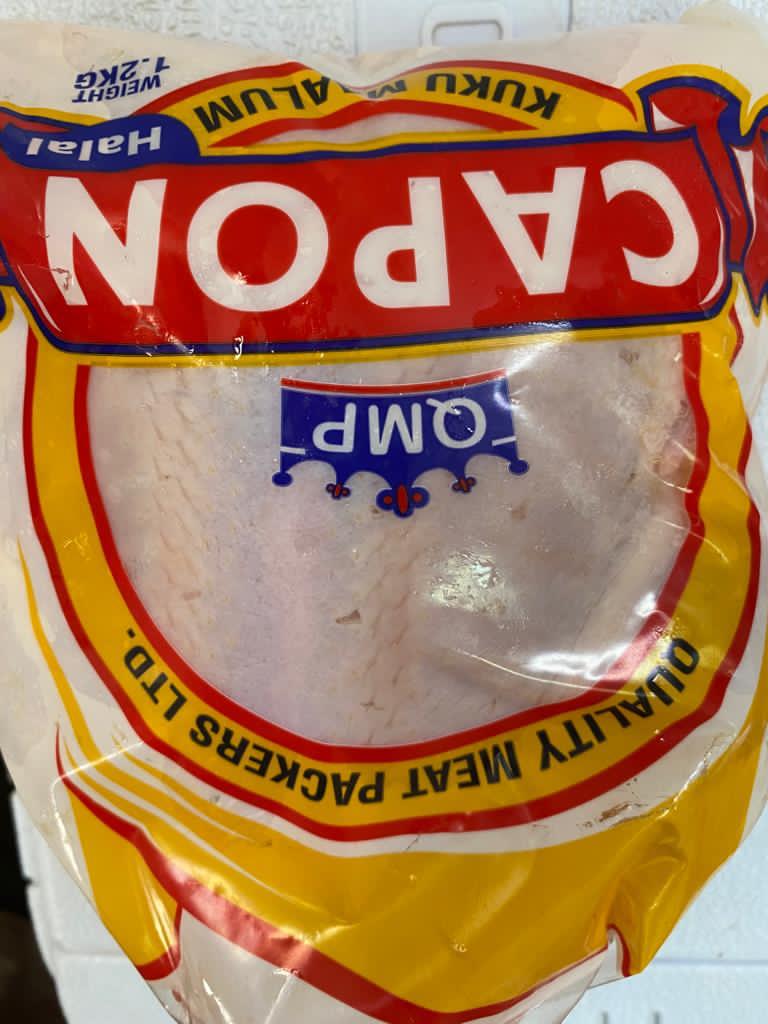
Kenya cannot gamble with its poultry industry. Strong disease surveillance and transparent import approvals are vital to protecting farmers and consumers. #SayNoToAvianInfluenza
Kelvin Osore President of the Kenya Veterinary Association has strongly warned the government against these risky imports.
He emphasizes that bringing in stock from affected nations endangers our entire poultry value chain. #SayNoToAvianInfluenza
In September 2026 Kenya launched the upgraded KABS 2.0 biosurveillance system and live-bird market guidelines with CDC support to detect avian influenza earlier along the poultry value chain. #SayNoToAvianInfluenza
Continued AI reports in Scotland, South Africa and West Africa raise red flags. Importing day-old chicks from these regions is reckless. #SayNoToAvianInfluenza
Kenya must protect its poultry sector from diseases that could destroy farmers’ investments and threaten food security. The government should ensure all proposed imports comply with veterinary regulations. #SayNoToAvianInfluenza
Farmers are concerned about proposed day old layer chick imports from countries reporting avian influenza outbreaks. Authorities must verify disease risks before approving any shipments into Kenya. #SayNoToAvianInfluenza
Kenya’s poultry industry supports thousands of livelihoods and supplies affordable protein to millions. Allowing preventable disease risks could threaten the entire value chain. Protect local farmers. #SayNoToAvianInfluenza
Supporting local hatcheries and improved indigenous or commercial breeding stock would strengthen food security while minimising the biosecurity risks tied to international chick movements. #SayNoToAvianInfluenza
Poultry farmers are urging the Ministry of Agriculture and Livestock Development to enforce rigorous border biosecurity measures. Protecting our national herds and flocks must always take precedence over short term commercial interests. #SayNoToAvianInfluenza.
Kenya remains avian influenza-free. Short-term chick shortages must not override long-term disease protection and domestic hatchery capacity. #SayNoToAvianInfluenza
Kelvin Osore of the Kenya Veterinary Association warns against importing layer chicks from high-risk countries including South Africa.
The risk is simply too high. #SayNoToAvianInfluenza
The Directorate of Veterinary Services must ensure poultry imports undergo proper disease risk assessments and comply with national biosecurity standards. Protecting Kenya’s disease free status should remain a priority. #SayNoToAvianInfluenza
An avian influenza outbreak could force mass culling of poultry, leaving farmers with huge losses and reducing egg supplies. Kenya must take every necessary precaution to protect its poultry industry. #SayNoToAvianInfluenza
Kenya must safeguard its poultry industry against avian influenza. Farmers want transparent veterinary permits, strict biosecurity measures and responsible decisions on importing day-old chicks. #SayNoToAvianInfluenza
The Directorate of Veterinary Services has a critical role in protecting animal health. Farmers want clear assurances that poultry import applications undergo appropriate risk assessments and comply with all applicable avian influenza restrictions. #SayNoToAvianInfluenza
At the centre of the controversy is Netherlands-based animal nutrition and feed company De Heus, which farmers are now scrutinising. #SayNoToAvianInfluenza.
Avian influenza threatens poultry farmers, food security and affordable eggs. Kenya must strengthen border biosecurity and carefully scrutinise every proposed import of day-old chicks. #SayNoToAvianInfluenza.
Farmers call for clear public assurances that all poultry imports comply with national veterinary regulations and that measures exist to safeguard Kenya’s poultry industry from HPAI. #SayNoToAvianInfluenza
Poultry farmers are calling for transparency in the issuance of veterinary import permits. Kenyans deserve assurance that every proposed chick import meets the required animal health standards. #SayNoToAvianInfluenza