🚨 BREAKING: Kenyans are already being targeted by scammers exploiting the new NTSA traffic fines system.
We have come across another case, in addition to the one shared by lawyer Donald Kipkorir, and we've also identified what appears to be a security concern with how NTSA ticket links are generated.
A Kenyan reached out to us after receiving an SMS claiming their vehicle had been captured speeding. The message directed them to make payment through a link.
After clicking it, they were taken to what looked like the NTSA website. But if you look closely at the address bar, the domain is not NTSA's official website. Instead of ntsa . go .ke, it is a completely unrelated domain made up of random characters.
That is a classic phishing website designed to impersonate NTSA.
Then there is the case shared by lawyer Donald Kipkorir. According to his post, his son received a message about a KSh10,000 traffic fine, clicked the payment link and paid, only for the money to end up under another person's name instead of NTSA.
We have been looking into these cases, and here is what we have found.
One possible explanation is that scammers are harvesting vehicle registration numbers and phone numbers that are publicly available online, particularly from platforms used by ride-hailing drivers. They then send convincing fake traffic fine messages and direct victims to cloned NTSA payment pages.
We have also looked into the name that reportedly appeared during one payment. While we cannot conclude who is responsible, our preliminary checks suggest it may belong to a KCB agent. If true, it is possible that the fraudsters used an agent account as part of the money collection process. That is something investigators should verify.
We also noticed something else.
The NTSA ticket link shared in the Kipkorir case appears to use Base64 encoding. Decoding it revealed information such as the ticket number and vehicle registration.
Base64 is not encryption; it simply converts data into another format. If official NTSA links rely only on easily decoded or predictable identifiers without additional safeguards, that could increase the risk of scammers creating highly convincing fake messages. Whether that is an actual security flaw depends on how NTSA's systems validate requests, but it deserves urgent review.
One thing is already clear: scammers are exploiting the traffic fines rollout to target Kenyans.
If you are an Uber, Bolt or taxi driver, or anyone whose vehicle details may be publicly available, you should be extra cautious. Never assume an SMS is genuine simply because it mentions your registration number.
NTSA should urgently strengthen this system. One possible solution would be an official NTSA mobile app where users log in securely before viewing or paying fines.
Another would be allowing payments only through an official Paybill using the ticket number as the account reference, instead of asking people to follow links sent via SMS.
Please share this so more Kenyans don't become victims.
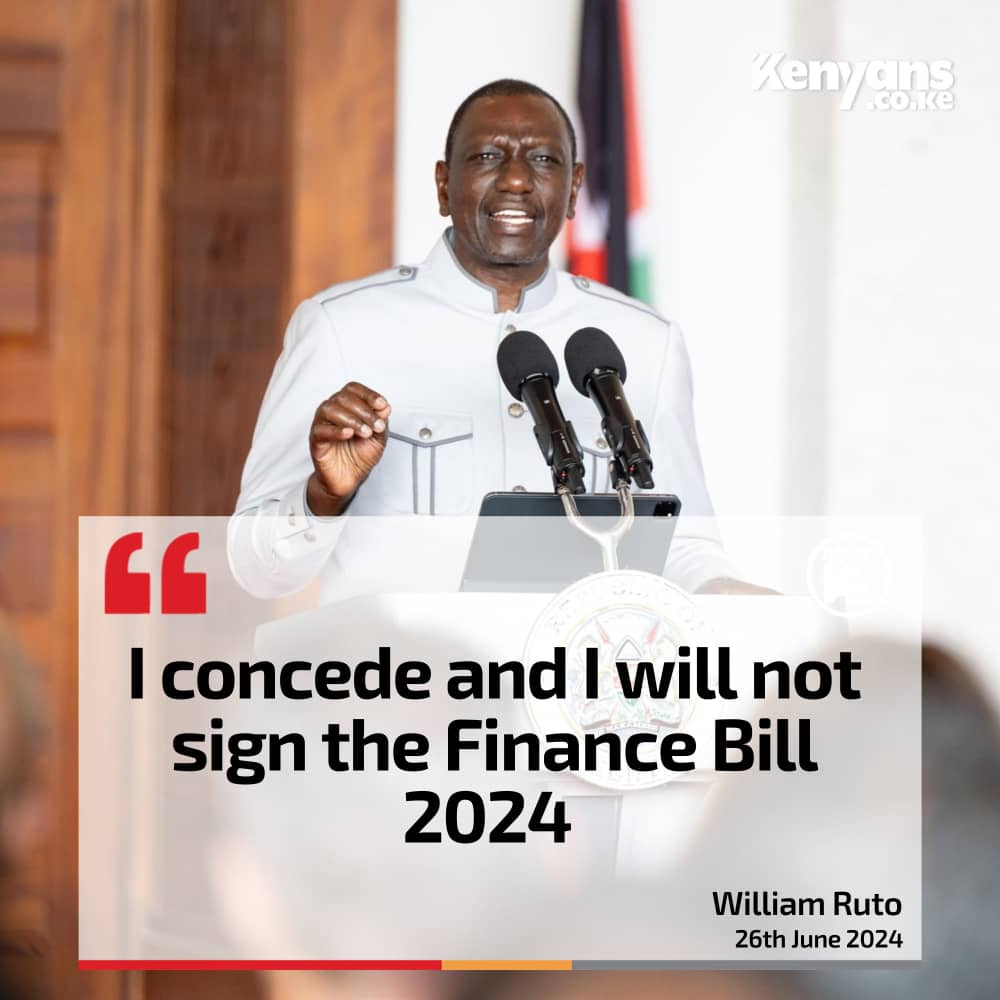
Congratulations to the young people of Kenya, the #GenZ. Your voice has won. You have proved once again that People Power is stronger than the People in Power! #RejectFinanceBill2024
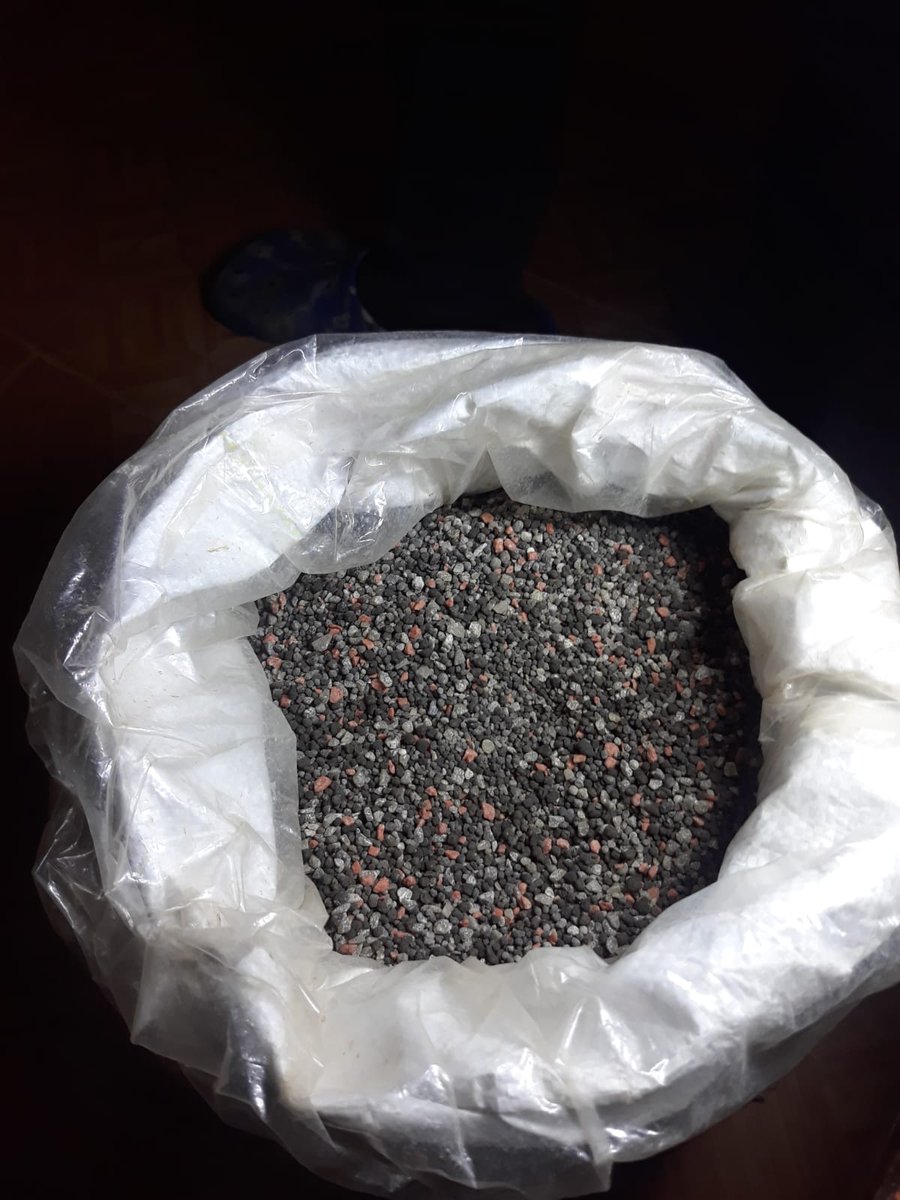
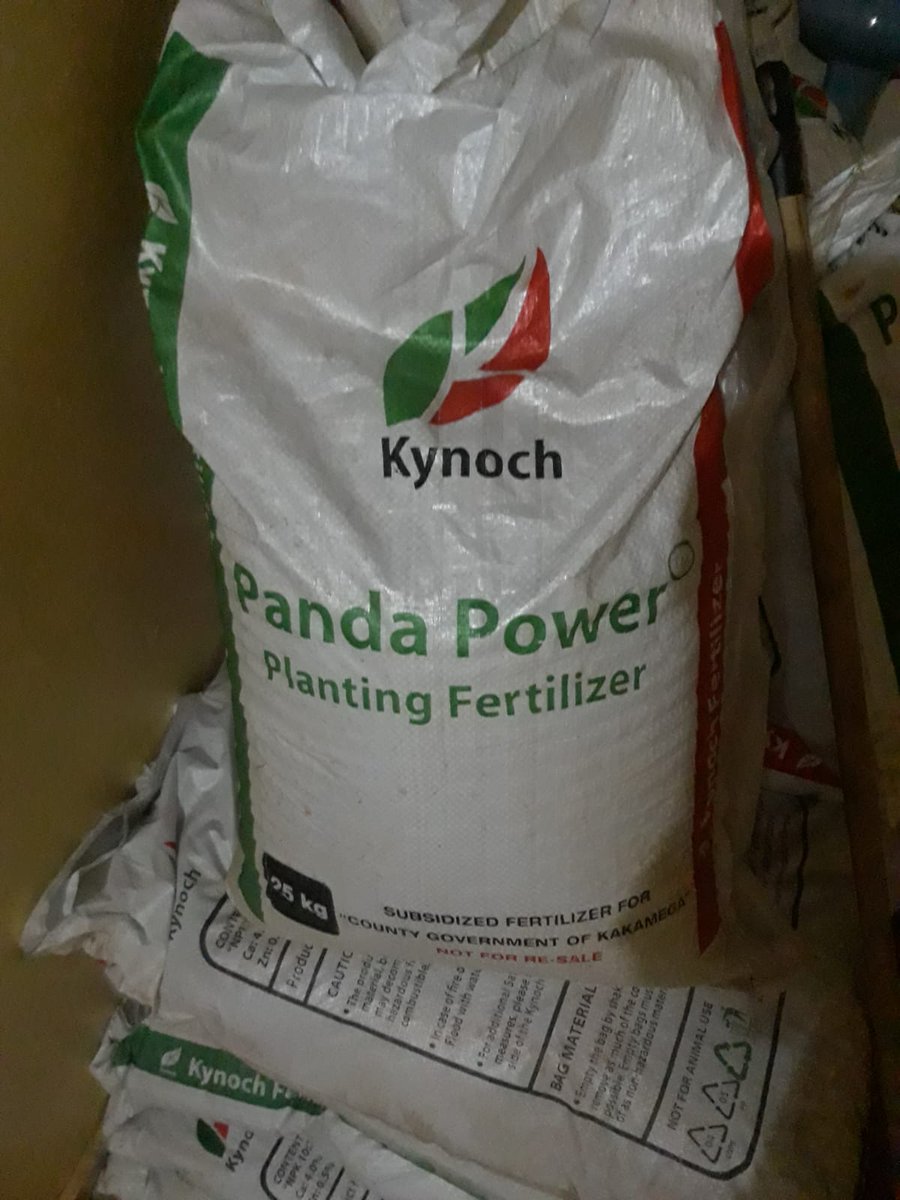
We got this particular fertilizer from @Kakamega_037 being the subsidized Fertilizer from the government only to reach home and realise the bags are full of rocks!!! We demand a refund, the government cannot defraud farmers in such a manner! So sad 😢😢😢 #kot#FarmersProtest2024
@DiscoverJKUAT I inquired about my transcript, I graduated in June 2023 MBA and was told they are not ready - JKUAT Msa CBD. How long should we wait for the transcripts to be ready?