Silvio Rodríguez escuchó en 2009 a Pepe Mújica relatar las torturas que sufrió durante los 12 años que estuvo preso.
Pero se quedó con lo que dijo, no guardo rencor ni pudieron acabar conmigo.
Así que nunca miró hacia atrás y siguió con su vida.
Siguió haciendo lo que siempre le gustó, ayudar a los demás.
Lágrimas saltan.
Eterno Pepe Mújica ❤️
#LuchaCanaria is a traditional sport practiced in the Canary Islands, a part of the folklore, games and traditions of the islands. It has been part of the Canary's culture since prehistoric times. Read the guest blog by @Hispana_roai to learn more ➡️https://t.co/R1BdfoApjI
🧂 #SAL artesanal. Proceso tradicional de su obtención a partir del agua marina en #Lanzarote. #OficiosPerdidos
🎥 #Documental COMPLETO (10 minutos) de este resumen: https://t.co/XZWAVPVg7R
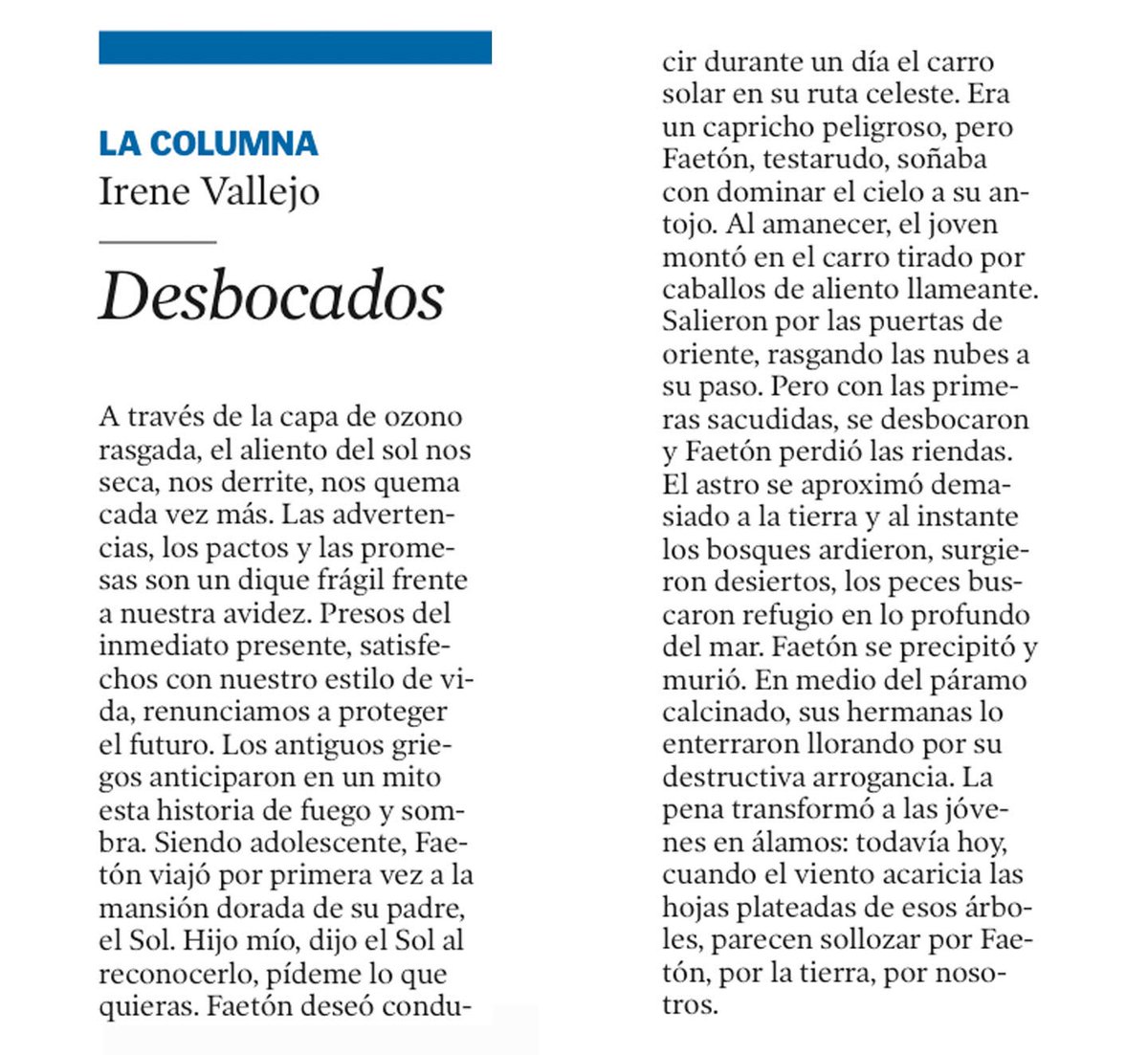
Desde Canadá, Grecia, Portugal a Hawái o Tenerife, arde nuestro tesoro. Cuenta el mito griego que los álamos son mujeres que lloran por los bosques incendiados, por la tierra, por nosotros.
@heraldoes#Desbocados
This photo was taken in 1958, in a small town in the Canary Islands. The original caption read: "Goat suckling a child in 1958, El Mojon, Teguise, Lanzarote."
Throughout history, goats have been used as wet nurses when the mother could not produce milk or hiring a human wet nurse was too expensive. In the 16th century, many mothers rejected wet nurses for fear of infecting their newborn with syphilis. Pierre Brouzet, who was a physician to King Louis the XV, remarked that "some peasants who have no other nurses but ewes, and these peasants were as strong and vigorous as others.
In the 1976 book, "American Folk Medicine: A Symposium," author Wayland D. Hand discusses the phenomenon in more detail:
"Because milk does not keep well once it is separated from the animal and because the act of suckling was believed to aid digestion in infancy, medical writers beginning in the eighteenth century began to advocate nursing children directly at the udders of goats. Goats were easier to obtain and cheaper than human wet nurses; they were safer from disease and were better in many other respects.
Although cows' milk was almost exclusively used in early American infant feeding, William Potts Dewees, who wrote the first American pediatric treatise in 1825, called attention to animal milks and pointed out that the English praised asses' milk; nevertheless, he preferred milk of goats. He then compared the chemical constituents of milk from cows, women, goats, asses, sheep, and mares.
In 1816, Conrad A. Zwierlein, after listening to women at a fashionable European resort deploring their difficulties with wet nurses, wrote a book called, 'The Goat as the Best and Most Agreeable Wet Nurse,' which he dedicated to vain and coquettish women, as well as to sick, tender, and weak ones. Goat feeding then became very popular for a while until it was attacked on various grounds and fell into disfavor.
In 1879, it was revived in the children's hospitals of Paris, especially for syphilitic infants."
Hoy es jornada de reflexión.
Entonces aprovecho para recordaros este ÍNDICE DE PERCEPCIONES DE CORRUPCIÓN en el sector público, de la organización Transparencia Internacional.
Dinamarca es la más impoluta, Somalia la más poluta y España tiene un 60/100.
https://t.co/zzDGeIRVGb
"Vientos del pueblo me llevan,
vientos del pueblo me arrastran,
me esparcen el corazón
y me aventan la garganta"
Se fue el hombre, pero siempre nos quedará la libertad del poeta
Ilustración: “Miguel Hernández en 48 estampas”,de Pedro Villarejo
#MiguelHernández#Poetas#Poesia
🥳El repositorio documental Memoria digital de Canarias (mdC) de la @ULPGC cumple el sábado 25 de febrero de 2023 dos décadas.
Desarrollada por la @bulpgc ofrece + de 47.000 documentos de forma libre y gratuita
🔗https://t.co/YxWVBHSCNX