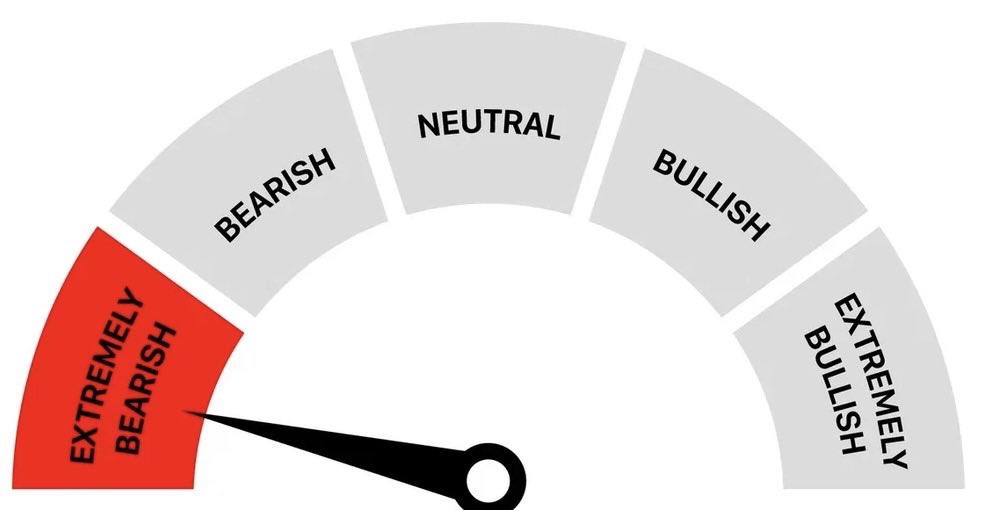
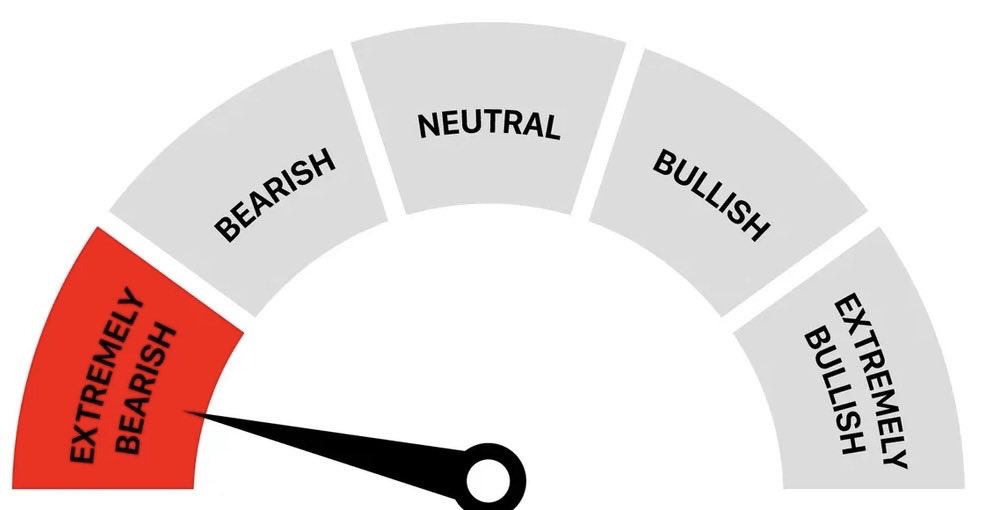
Opening shorts on $TLT & #TMF now, scaling in through Fri (CPI).
CPI YoY +1% (cons). Wed FOMC = no surprise. Hormuz stays closed → oil >$100 this week.
2 bond ann., 4d auctions. $42B war spend → US budget.
Unemp ↓ last wk → no cuts (Fed dual mandate). FED see ↑infl.
Shorting $TLT today and $TMF tomorrow (Mar 31). 2-week trade
Inflation is heating up (Germany print, oil > $100), and even Powell flagged rising debt risks. Today’s bond rally looks like coupon-driven buying into maturity — not strength
Good levels to fade the bounce
Bon chance
Starting today and through Feb 11 (US CPI release),
I’m buying $TLT and #TMF every day, averaging into the position.
Why:
• Data points to a sharp CPI slowdown
• Oil price risk is minimal for bonds
• TGA risk is limited — guidance already communicated
• Strong Fed support
US $Bonds Short $TLT & #TMF 📉
•Producer prices surged despite falling inflation (TrueInflation) 📈
•Treasury’s TGA +$54B – second big jump in a row 💰
•Fed steps only expected closer to summer 🏦
•Big Monday auction: ~$180B 💵
•additional market signals emerging
Buy $TLT #tmf
Inflation data is encouraging: positive consensus on PCE, France, Germany, and German import prices. May is one of the largest months for Treasury maturities. OPEC meets only on the 31st — no oil worries yet. Fed officials started talking rate cuts last week o><o
$tlt $qqq #tmf#spy
I believe the market is rising today because, during Friday’s expiration, we saw a massive number of expiring puts. Today, we’re witnessing the assignment process, where market participants still holding puts must buy the underlying stocks at the strike price set in the contract.
That’s why I see today’s rally as purely a technical move driven by dealers, market makers, and other liquidity providers. Moreover, if a dealer needs to buy back stocks to fulfill the assignment of puts but doesn’t have the cash, the easiest option is to short U.S. bonds to raise funds.
This explains why we’re seeing both rising bond yields and a market rally today. Again, in my view, this is just a technical move that has nothing to do with the actual state of equities or the broader political and economic landscape.
$tlt #tmf
US Budget Deficit Hits Record Levels
The US recorded a $307B deficit in February, nearing the 2021 record ($311B). FY2025 deficit (Oct–Feb) hit an all-time high of $1.14T vs. $0.82T in FY2024.
Spending surges (+13.2% YoY, +$356B):
•Healthcare: +$148.1B
•Social Security & Veterans: +$85.5B
•Welfare & Subsidies: +$50.2B
•Interest: +$46.1B
•Defense: +$35.7B
Revenue growth is sluggish, and Trump’s tax cuts could worsen the gap. First month in office, and the deficit soars—March will be telling. #DebtCrisis #USBudget
$tlt #tmf
January 6, 2025: U.S. Treasury yields climbed despite a weakening dollar and falling oil prices. Key drivers:
•Rising PMIs in China, the EU, and the U.S.
•Accelerating inflation in Germany
•CDS swaps hitting 22 bps (highest since November)
•Pressure from Trump’s tariff policies
A limiting factor: an artificial shortage of Treasuries due to the unchanged debt ceiling. Speaker Johnson confirmed no revisions until spring.
🇺🇸 #debt#markets#USA#liquidity#stocks#BTC $TLT $TMF
US banks are lobbying for easing the Supplementary Leverage Ratio (SLR) requirements. This topic has become one of the main headlines on Bloomberg. If the easing is implemented, banks will be able to purchase US government bonds using unlimited leverage, facilitating the financing of the growing national debt. Additional liquidity will flow into the market, potentially providing significant support for risk assets such as BTC and stocks, experts say.
$SPY #QQQ
Republican representatives in the House of Representatives intend to seek an increase in the debt ceiling
❗️this spring ❗️
to avoid panic in global markets, according to House Speaker Mike Johnson.
2 months BEARISH guys.
$TLT #TMF
Weekly Fed Update (Jan 1):
•Assets Cut: Fed reduced assets by $33B (-$18B Treasuries, -$12B MBS).
•Liabilities Spike: Banks boosted reverse repo (RRP) by $322B to $888B for end-of-year reporting. NY Fed’s overnight RRP surged to $473B (from <$100B days prior).
•Treasury Cash: Minor system inflow +$13B.
•Bank Reserves: Fell $326B to $2.89T on Jan 1 but bounced back after Jan 2 as RRP dropped to $240B.
•MMFs Growing: Money Market Funds gained +$42B (to $6.85T), focusing on Treasury bills over RRP.
•Foreign CBs: Reduced US Treasury holdings at the Fed by -$23.7B to $2.88T, the lowest since the COVID crash, likely for FX interventions amid a strong dollar.
Key Risks Ahead:
1.Debt Ceiling Drama: Treasury to rely on $722B “stash” until resolved. Liquidity likely to rise.
2.Trump vs. Fed: Trump’s return threatens Fed independence, creating policy friction. Rate cut unlikely at the next meeting, but Powell might surprise.
P.S. Fed capital: $44B; accumulated loss: $210B.
$TLT #TMF 3 January 2025
1.U.S. Treasury yields continue to rise on January 3, despite a drop in the Dollar Index (DXY).
2.Oil prices have been surging for the second consecutive day, fueling the upward trend.
3.Strong ISM and PMI data have further supported higher yields.
https://t.co/4vJt8c0cdg, Treasury Secretary Yellen will set a debt ceiling equal to the current U.S. debt, preventing any increase.
5.With no new Treasury issuance expected, yields may start declining as early as Monday.
6.However, geopolitical risks (e.g., Middle East conflicts or unexpected statements from Biden) could alter this outlook.
31 December. US bonds. $TLT #tmf
•Yields drop as maturity dates approach
•Weak China PMI
•Debt ceiling from Jan 1
•No Treasury auctions today
•Minimal debt growth in Dec
Negative: Rising oil prices.
Overall, a strong day for bonds.
The US Treasury announced in early January 2025 that a debt ceiling will be imposed. This means the US will spend less, at least for a while. Negative news for all markets—NASDAQ, S&P, Russell, crypto—until a new ceiling is set, if it ever is. Expect Elon Musk & team to optimize the US budget. Bearish for everything.
$spy $qqq $BTC
“Why are bond yields rising 27 dec?
1/ Oil prices are climbing amid Middle East concerns, fueling inflation risks and pushing bond yields higher.
2/ EIA data disappointed, adding to market volatility.
3/ U.S. government debt decreased by $45 billion! For December, it has only risen by $3 billion — an unusually low figure that could have supported bonds, but…
4/ Central banks are selling U.S. Treasuries to support their currencies, which are weakening due to strong dollar demand fueled by Bitcoin’s rally.
5/ A massive $230 billion auction on Monday is also weighing on the bond market.
6/ Conclusion: As long as the dollar and Bitcoin rally, pressure on bonds will persist.
$TLT #tmf