What’s Catfish Market?
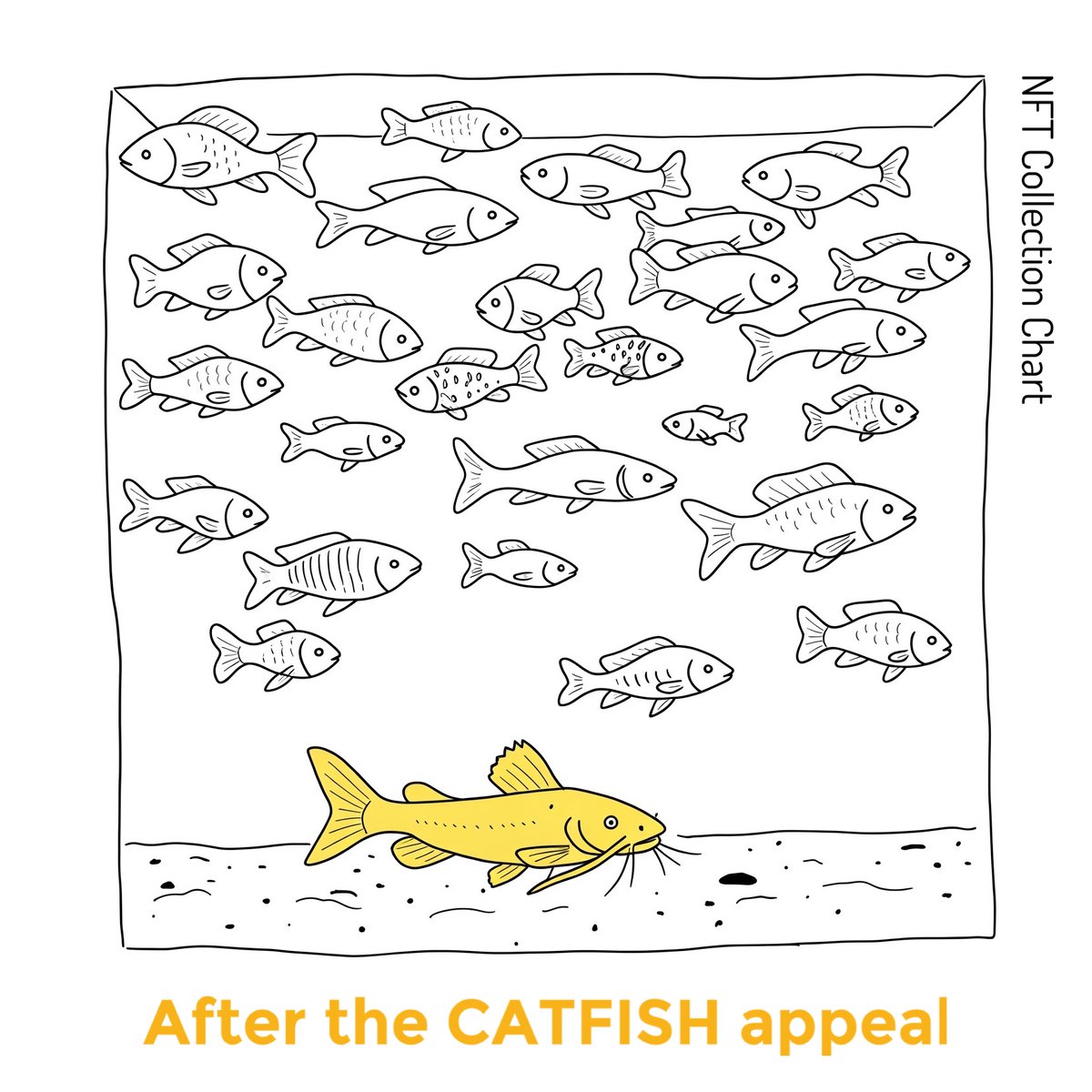
Catfish Market is a truly non-fungible token (NFT) trading platform that uses public voting by collectors as the pricing mechanism for each NFT, helping NFT collections establish automated market makers (AMM) and creating comprehensive liquidity for NFT collections beyond just floor prices.
How to achieve it?
Battle to earn scores
NFTs within the collection will battle each other one-on-one, with the public voting (especially collection holders' voting) to determine the winner. The higher the number of net wins and win rate, the higher the score and ranking of the NFT.
Score-based pricing AMM
Eligible collections will be able to establish a "Collection AMM Pool" (Automated Market Maker), offering individual bids for each NFT participating in battles, allowing the collection to break free from the current situation where only floor-priced NFTs have liquidity.
The unique bid for each NFT is calculated automatically based on its battle score as a variable, combined with the collection's pricing provided by the AMM pool's LPs (Liquidity Providers), following a predefined function.
LPs earn trading spreads and mining rewards
LPs can choose collections they are optimistic about and deposit ETH into the collection's AMM pool to provide liquidity, earning trading spreads from NFT price differences and token rewards from the Catfish platform.
However, LPs must also bear the potential losses caused by a decline in the collection's price or difficulty in selling NFTs they bought, similar to the risks faced by market makers on most platforms.
Then, non-floor prise NFTs will have buy orders available for immediate sale.
Bringing comprehensive liquidity to the NFT market
Catfish Market aims to comprehensively solve the liquidity issues for outstanding collections and high-quality NFTs, breaking free from the current situation where only the 10% of NFTs at floor price have liquidity. It seeks to help the NFT market identify and highlight higher-quality NFTs and collections.
Crypto payments only become truly powerful when they exist within the same system as apps, enabling programmability and automation. Mass adoption will only happen once Ethereum and Layer 2 DApps fully take off.
Future Web3 shopping platforms will look very different:
“Probability shopping” will become common — like loot boxes in games.
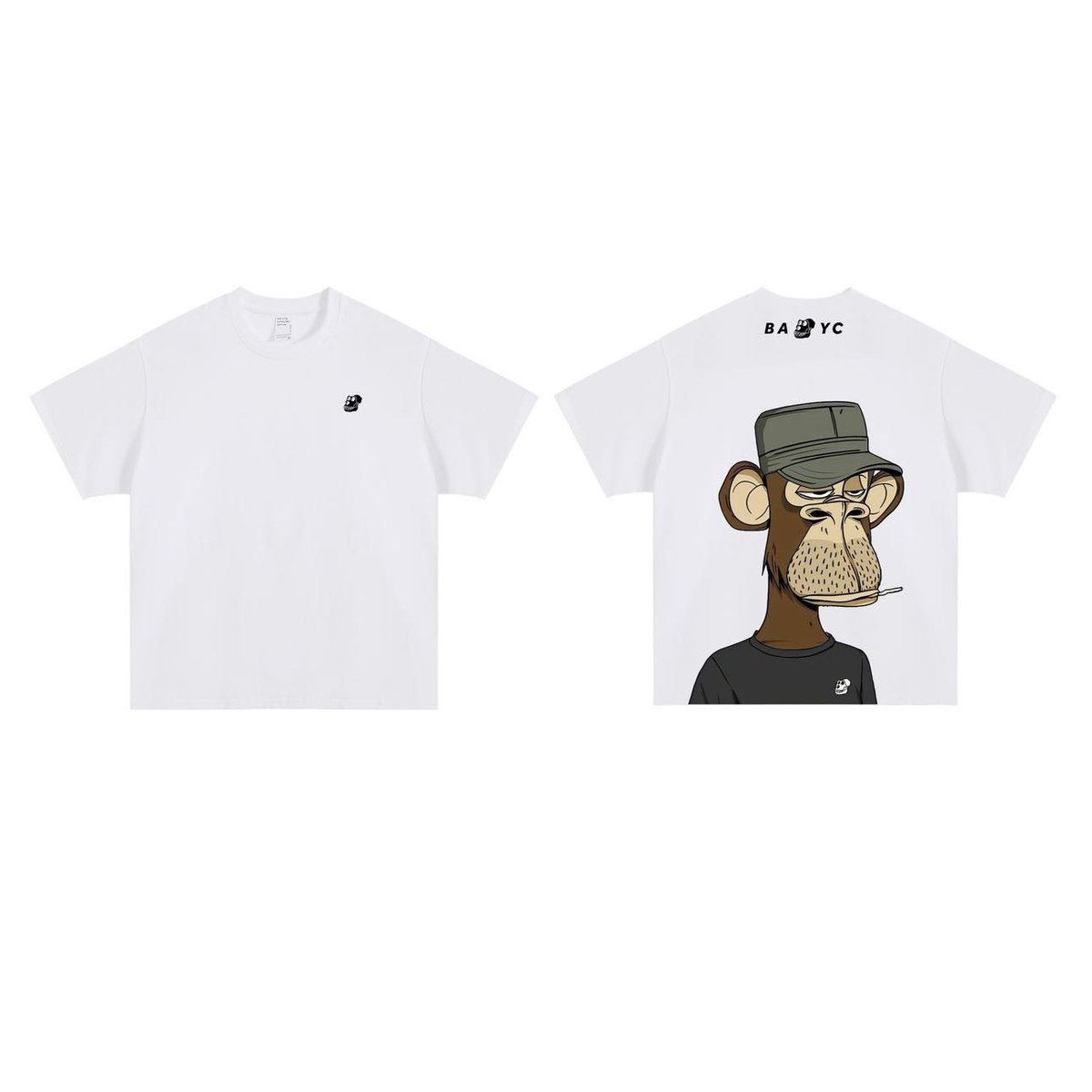
Most products sold will be IP-based brands, especially NFT IPs, rather than traditional product brands like Adidas.
Both merchants and shoppers will earn platform token rewards.
And of course, ETH will be the main payment currency, with shopping and logistics records all running on Layer 2.
The first principle of this world is that consciousness shapes the physical world.
99% of industries are physical—food, real estate, transportation…
Only two “consciousness industries” govern them: the internet and finance, defining how resources are allocated now and in the future.
Blockchain is the crossover of these two—an upgrade in resource allocation.
Prediction markets are just the foreplay of using money (assets) as a filtering mechanism.
From state media → portals → social creators, from offline shopping → online shelves → KOL-driven sales, the essence has always been an upgrade in filtering.
When Web3 turns content and influence into assets, content and personal tokens become filters. Readers pay creators—and pay the cost of filtering. Money stops being just for buying goods, and becomes a way to consume emotional value.
When AI pushes human productivity to extreme speed, “produce then sell” naturally shifts to “sell then produce.” Payment itself becomes a filtering mechanism.
I need a Web3 shopping DApp:
1. Pay products with ETH;
2. Sellers and buyers earn token rewards;
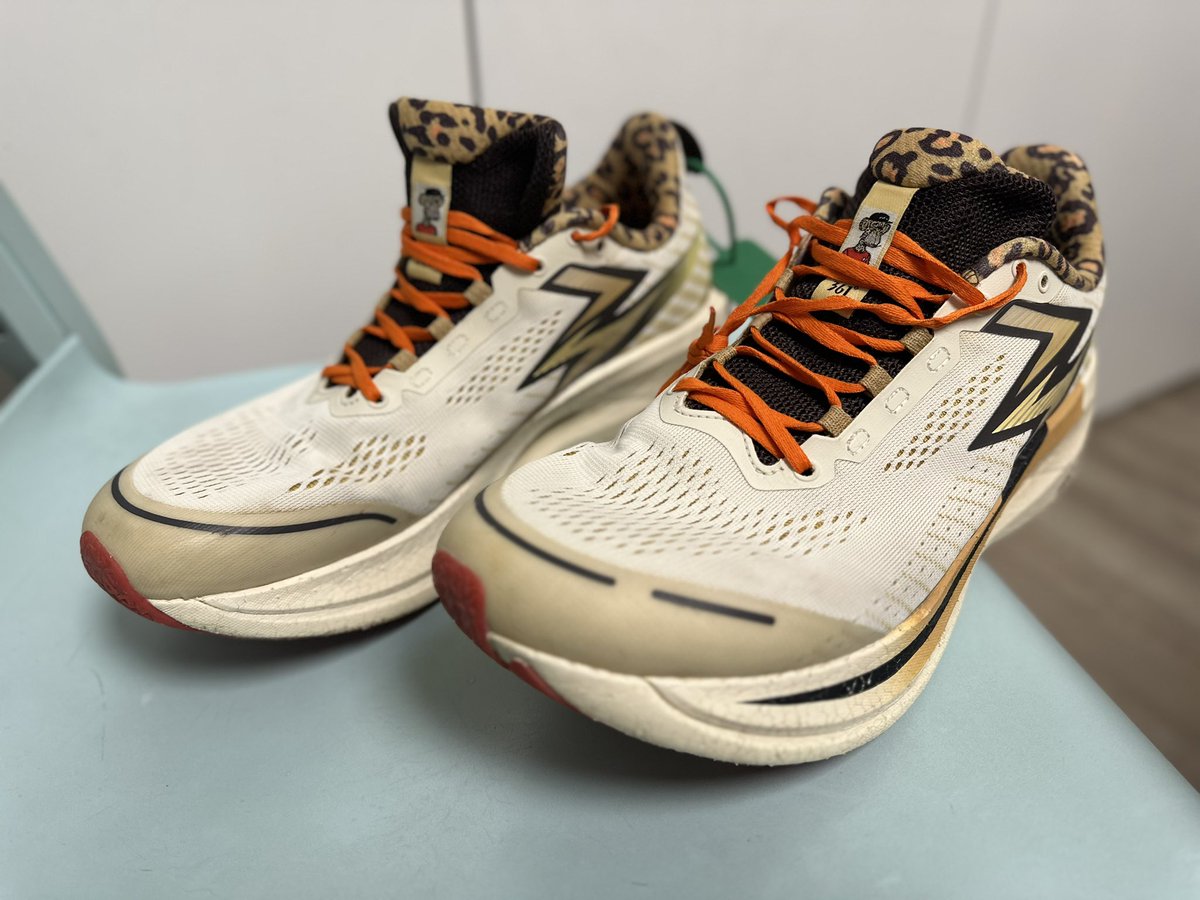
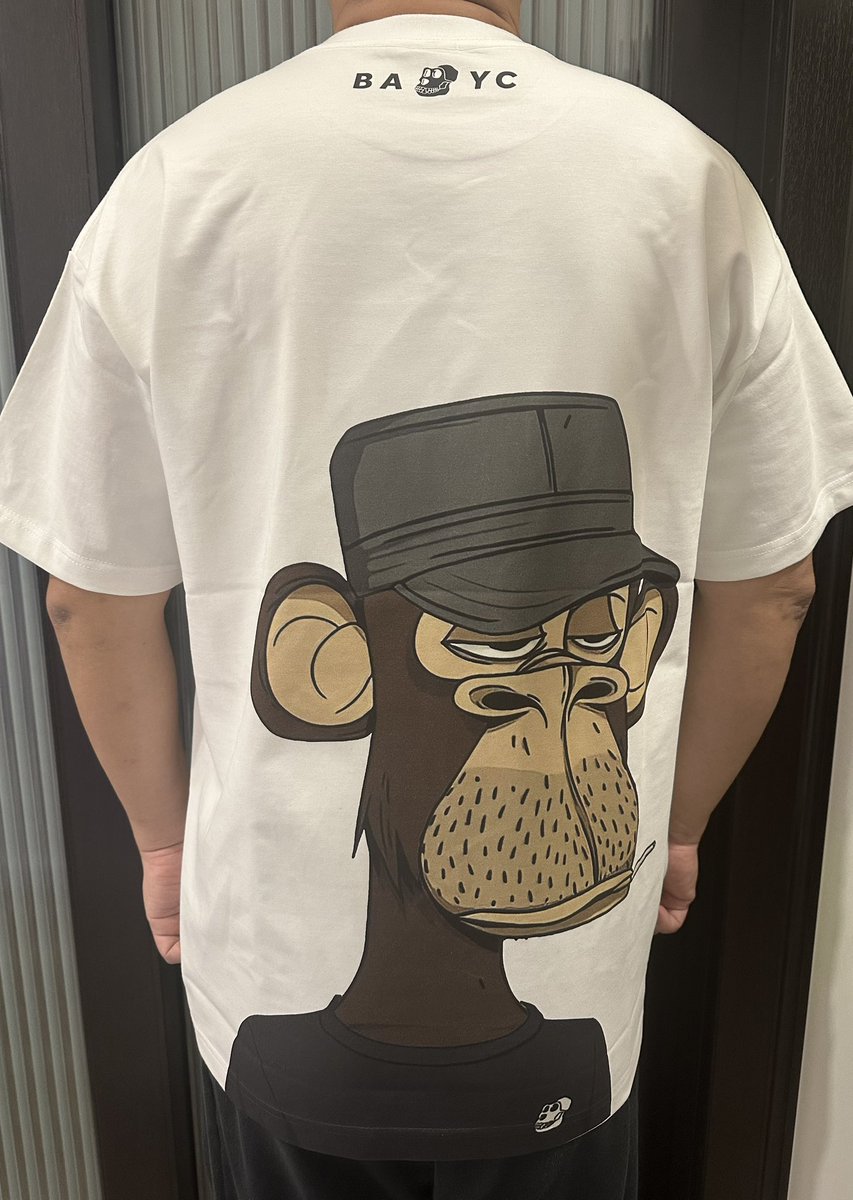
3. Initially sells NFT merch;
4. Auto-split fees (from each sale) to designers & the collection’s DAO treasury;
5. Funny shopping: blind-box coupons, lucky buy and...