I wrote a tutorial on diffusion models for undergrad and grad students. I tried my best to give intuitive explanations for complicated equations.
Your feedback is much appreciated
Thanks to those who suggested various reading materials to me
https://t.co/fWv111nG5M
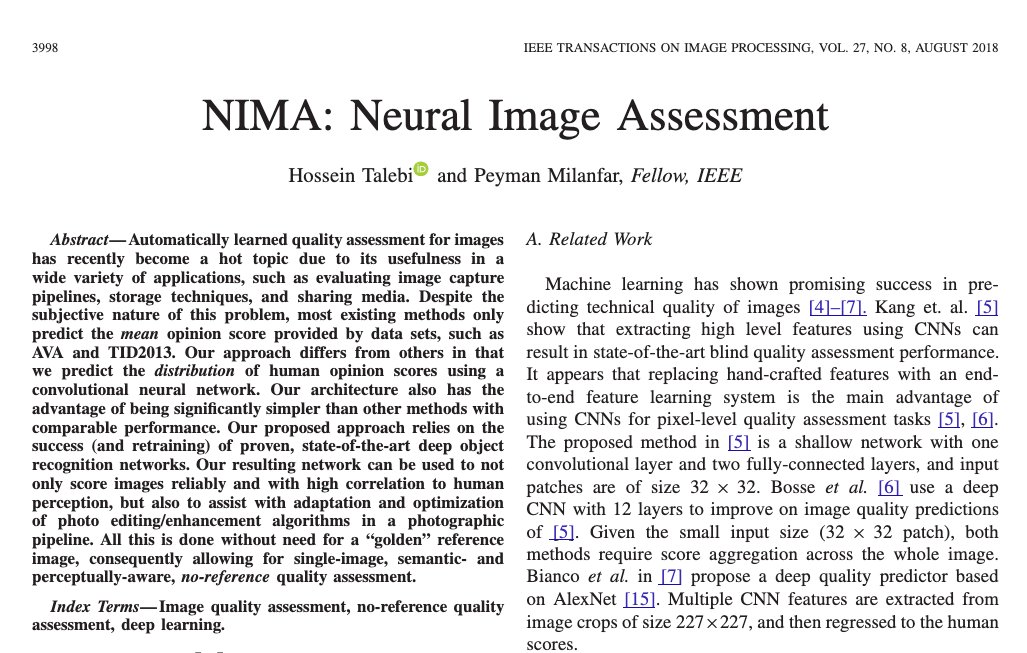
Our work NIMA (Neural Image Assessment) has received the 2023 Best Paper Award from the IEEE @IEEEsps. This award is based on a 6-yr window, recognizing the quality and lasting impact of a paper. Full credit to first author and amazing colleague Hossein Talebi.
At the time NIMA was published in 2018, there was little interest in using learning approaches to image/video assessment, as most of the work up to then was based on hand-crafted features. NIMA showed that neural nets could be used to vastly improve no-reference quality assessment, and to much more closely capture human visual preferences.
Beyond its scholarly impact, NIMA has also made significant impact to multiple products at Google. This long-term project is a great illustration of ambitious, end-to-end innovation, from research to product impact, to which we aspire at @GoogleAI.
open access:
https://t.co/BoZy33MKoK
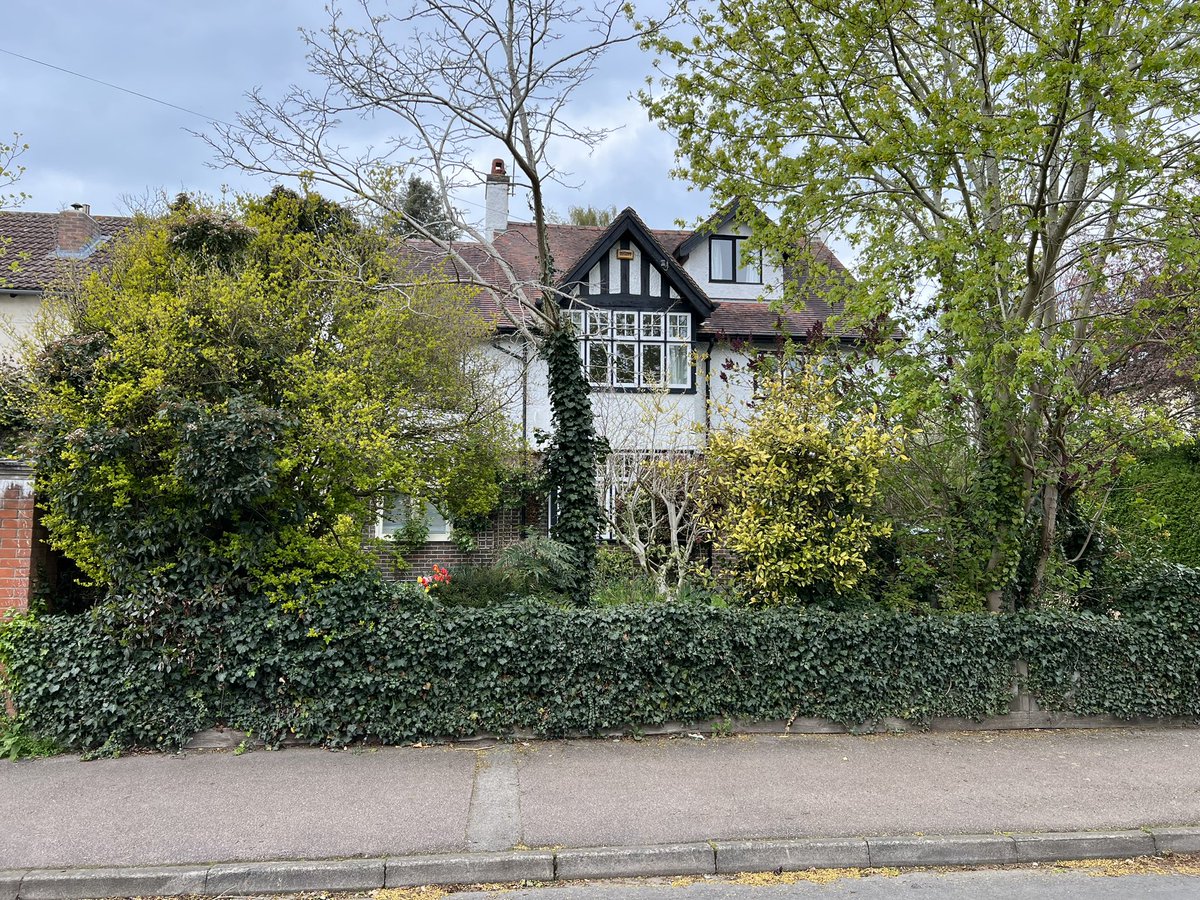
My daughter recently texted to me “Why is my lecturer talking about Tony?” who she knew as our neighbor in Cambridge. Now she realizes he is also a computer scientist. I visited Tony this afternoon and told him about my daughter’s surprise.
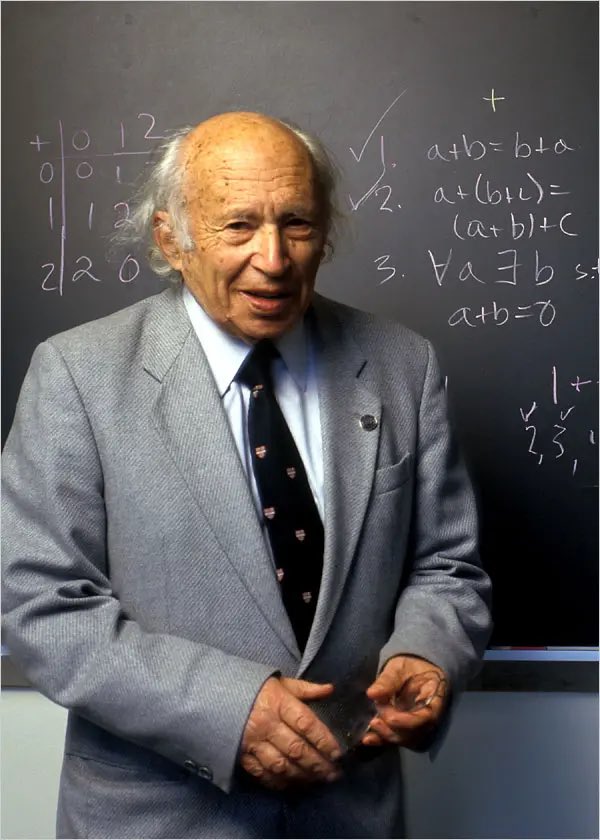
“It’s important not to separate math from life. Ask a heavy drinker ‘Which is larger, 2/3 or 3/5?’ Likely they will not know. But if you ask ‘Which is better, 2 bottles of vodka for 3 people, or 3 bottles of vodka for 5 people?’ they will answer you immediately”
-I.M. Gelfand
Reminder that my deep learning course @unige_en is entirely available on-line. 1000+ slides, ~20h of screen-casts.
Full of examples in @PyTorch
https://t.co/6OVyjPdwrC
I’m a dentist and I graduated with 68 other ones. I’ve met even more in 13 years as a dentist. None of us have been asked shit about our opinions on toothpastes.