I've been thinking a lot lately about how to help organisations use data for strategy and develop a strategy for data. I've written a blog on where I think might be a good place to start (feedback very welcome!) https://t.co/lj5IyMk2Sn
I’m using LinkedIn far more than Twitter these days. If we’ve connected on here and you enjoy charity / data content then do connect on LinkedIn too https://t.co/BrwEREByxe
It's #theorythursday and this week's theory is the "nonprofit starvation cycle", which occurs when the true cost of overheads are not recognised, forcing organisations to spend less than is required on essential costs such as infrastructure, staffing, and governance.
In the UK, two important initiatives to break the nonprofit starvation cycle have been:
- Support for grantees to measure and report 'Full cost recovery'
-@IVAR_UK’s open and trusting programme
If we reframe core costs / overheads as contributing to an organisation's long-term sustainability and capacity, then are donors more likely to be willing to fund them?
It can be hard to get funding for tech and data costs, but reframing the purpose of tech and data as contributing to an organisation's overall strategy, to the stewardship of resources, and long-term sustainability, might help. #theorythursday
@Kagey_infohub Yes very interesting, you’re right that students and young professionals would fit those areas, I wonder if it’s the same in Manchester (e.g high Chinese popn in Fallowfield and other student areas)
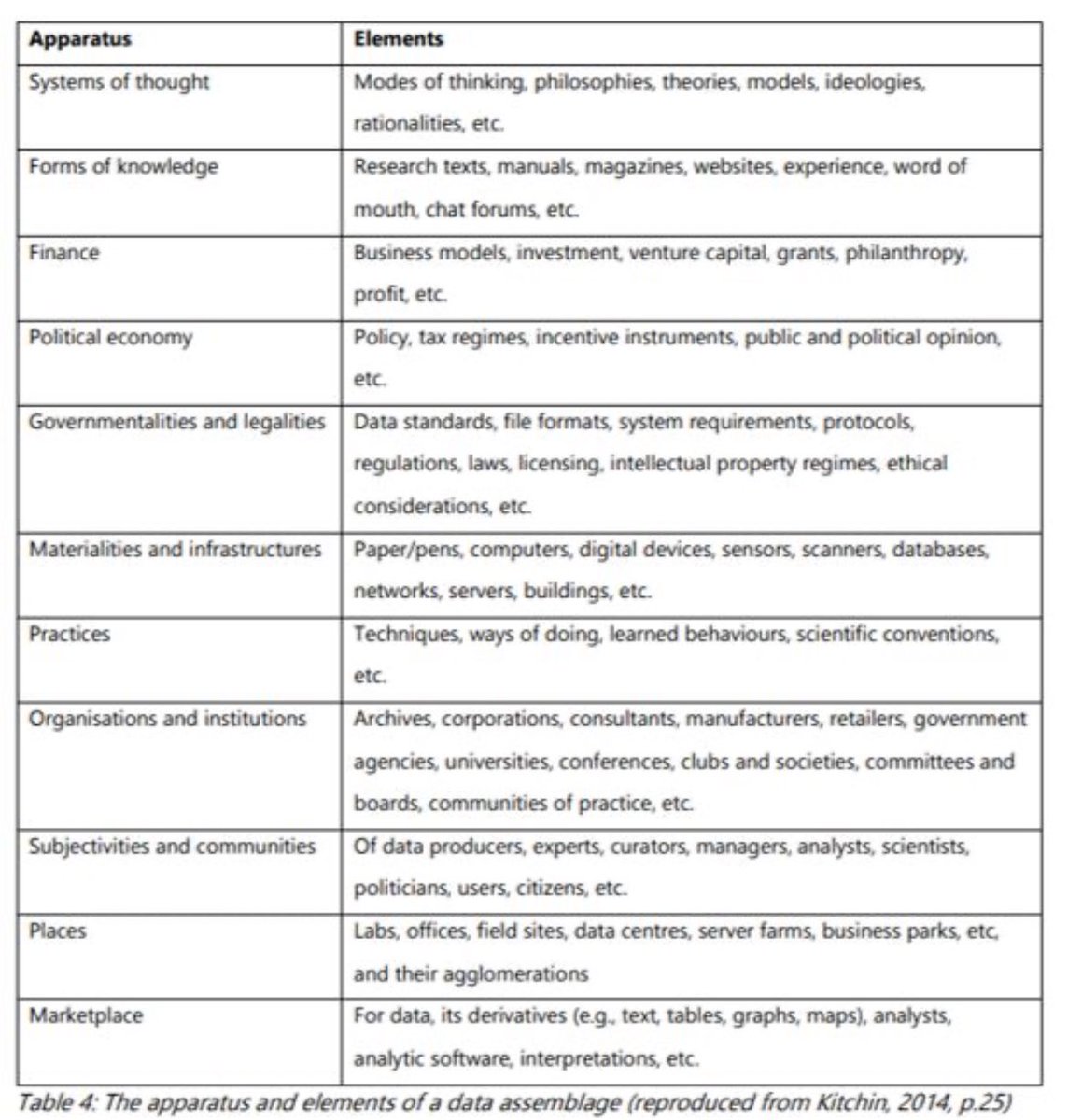
Data infrastructure literacy is important because it helps us to support individuals to not just read, interpret, and use data effectively (data literacy) but to understand the “wider socio-technical infrastructures through which data is created, stored and analysed”