100% FUNDED!
The Love Across Korea Billboard Project for Cha Eunwoo is officially fully funded 🥳
Thanks to the incredible love and support from fans around the world, we reached our goal together. Your kindness and dedication made this project possible!
Stay tuned for more details coming soon 🔜
Let’s get ready to show Eunwoo our love across Korea!
#CHAEUNWOO #차은우
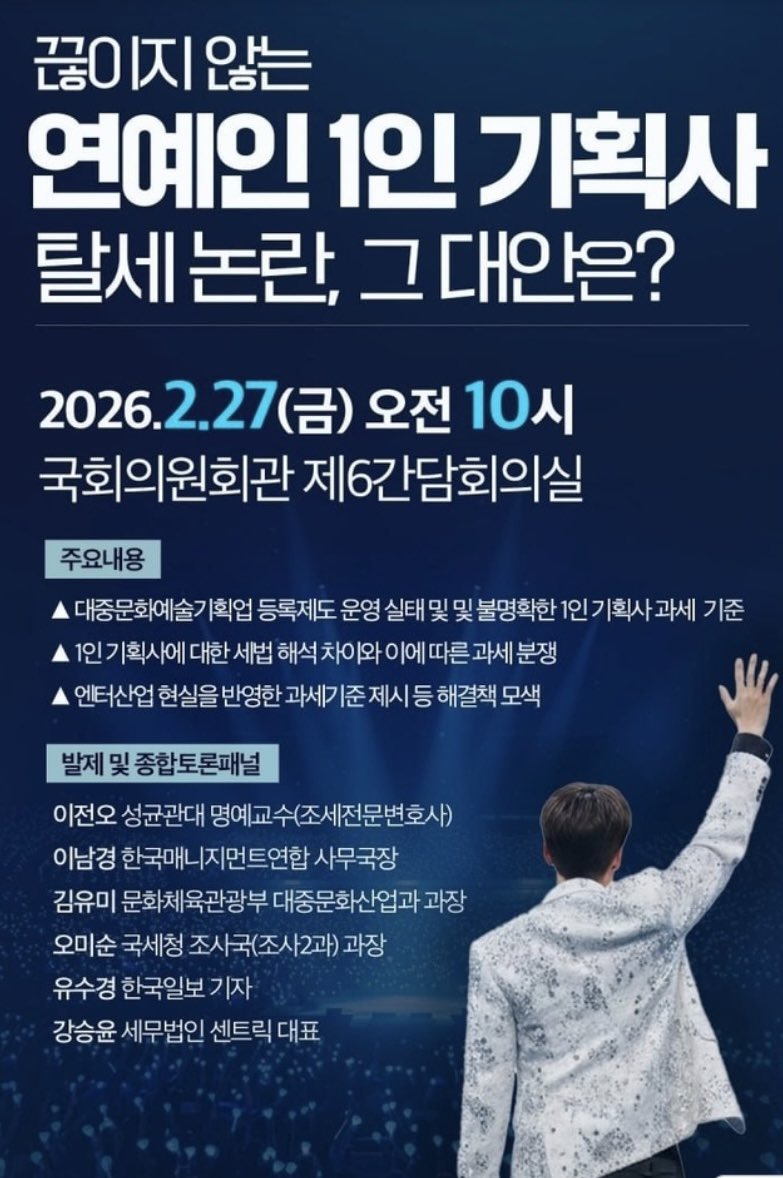
📰 Park Jaehyuk, Tax Accountant: “Cha Eunwoo 20 Billion Won: The Boundary Between Private Autonomy and the Principle of Substantive Taxation”
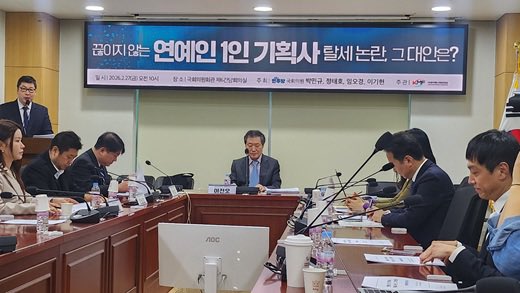
Recently, an issue has shaken both the entertainment industry and the tax community at the same time. The National Tax Service reportedly imposed approximately 20 billion won in additional taxes on top star Cha Eunwoo. This matter is too significant to be dismissed simply as “a celebrity tax issue.” It represents a collision between the structure of income attribution for entertainers, the limitations of operating an agency through a family corporation, and the scope of the principle of substantive taxation under the Framework Act on National Taxes.
— Not Concealed Income, but a Chosen Attribution Structure
According to reports, Cha Eunwoo established an entertainment agency corporation operated by his family and chose a structure in which a portion of the income generated from his entertainment activities was attributed to that corporation. This is a tax planning method often considered by high-income earners, particularly when taking into account the top personal income tax rate of 45%, local income tax, and the burden of the four major social insurance contributions, which together can push the effective tax rate close to 70%.
One point must be made clear at the outset. This case differs in nature from typical forms of tax evasion such as unreported revenue, borrowed-name accounts, or double bookkeeping. The issue is not that income was concealed, but rather to whom the income generated from entertainment activities should be attributed.
Cha Eunwoo’s side appears to maintain that the corporation was established transparently, that his entertainment activities were managed through it, and that corporate taxes were duly paid on income attributed to the company. In principle, an individual’s choice of economic structure and the design of transaction arrangements within the bounds permitted by law fall within the realm of private autonomy.
— The National Tax Service’s View: Substance Over Form
However, the judgment of the National Tax Service differed. It determined that the agency corporation was merely formal in nature and that the income in question was, in substance, attributable to Cha Eunwoo personally, thereby applying the principle of substantive taxation.
At this precise point, private autonomy and the principle of substantive taxation collide head-on.
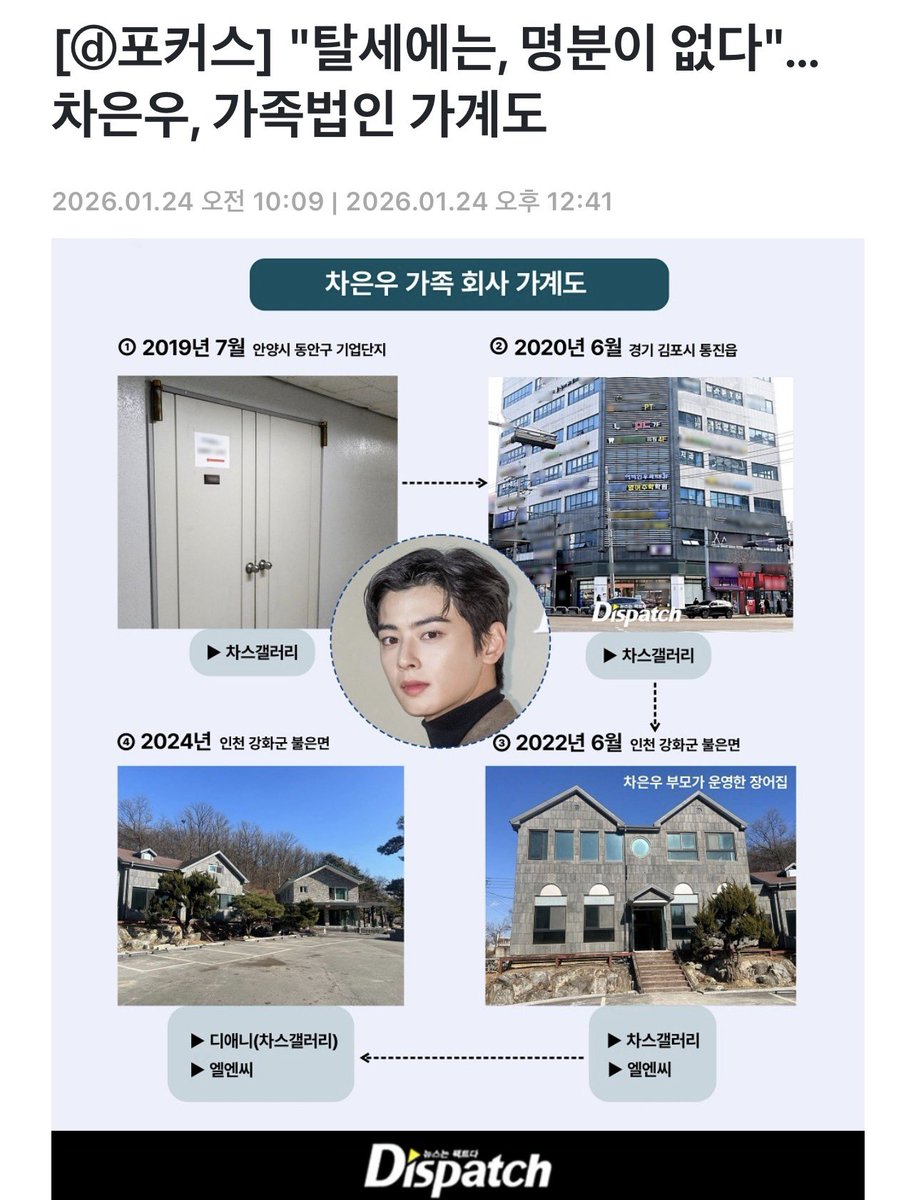
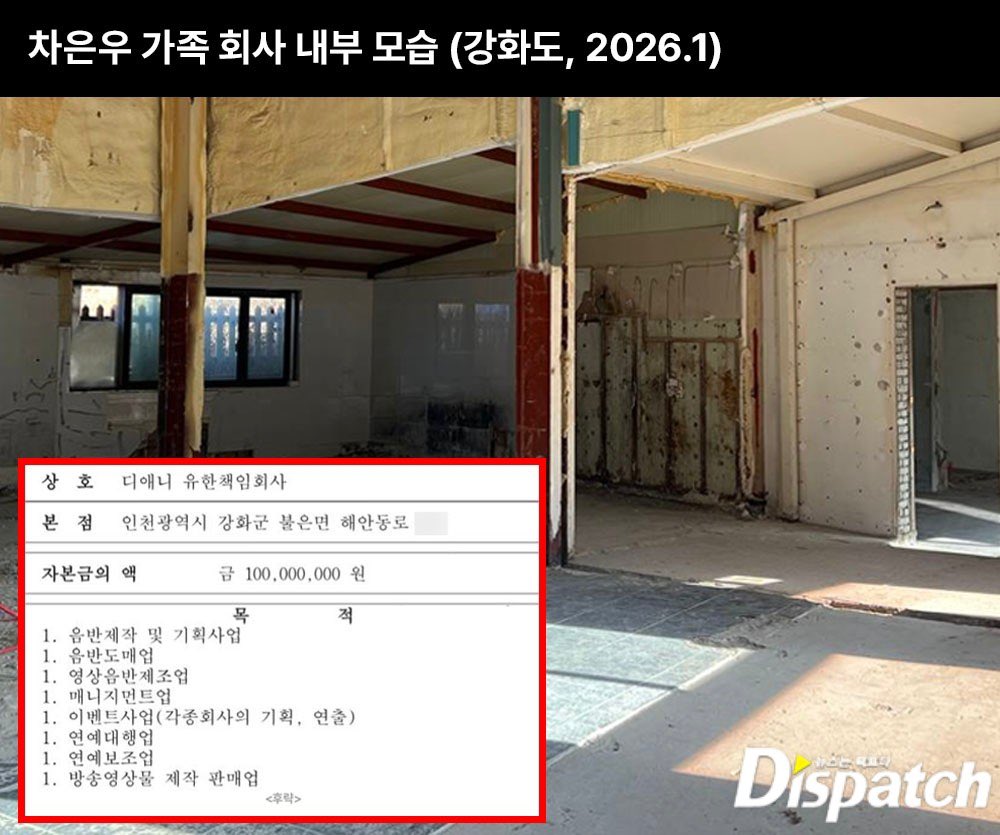
A key issue highlighted in the investigation was the corporation’s substantive existence. According to media reports, the registered address of the corporation was not a professional office space but a restaurant operated by the family. Questions were also raised as to whether the corporation had independent personnel or business facilities. From the tax authority’s perspective, a management corporation handling revenues worth tens of billions of won lacked the corresponding human and material infrastructure, and the actual services performed by the corporation were not clearly demonstrated.
On the other hand, Cha Eunwoo’s side likely argued that his mother, as the corporation’s representative, handled schedule management, mediated transactions with agencies, and oversaw brand management, including image and portrait rights. On that basis, they may have contended that attributing a portion of the income to the corporation was justified.
#CHAEUNWOO #차은우 #이동민
#チャウヌ #车银优 #ชาอึนอู #車銀優
จริงๆที่สื่อทั้งหลายพยายามพูดเรื่องตัวเลขที่สูงมากถึง 20 พันล้านวอน มันไม่ใช่ภาษีที่จะต้องจ่าย แต่มันเป็นตัวเลขที่บวกค่าปรับ 40% และดอกเบี้ยต่างๆ ด้วยเรตสูงสุดแล้ว ตัวเลขนี้คิดโดยใช้หลักการว่าถึงบริษัทจะตั้งมาแบบถูกกฎหมายมาหลายปี แต่กฎหมายมันคลุมเครือ ชั้นก็จะปล่อยมันไว้งั้นแหละ แต่ถ้าชั้นจะคิดเงินเพิ่ม ชั้นก็จะตีความว่ามันไม่ถูกตั้งแต่ต้น ชั้นเลยจะคิดด้วยเรตสูงสุด บวกค่าปรับเงินเพิ่มแบบสูงสุดด้วยจ๊ะ 🙂↔️
อยากบอก NTS ว่าถ้ามีความกล้าที่จะคิดด้วยเรตขนาดนี้ ก็ช่วยมีความกล้าหาญในการหาคนปล่อยข่าวมาด้วยได้ไหมคะ คนขายข่าวให้สื่อไร้จรรยาบรรณนี่ก็ยังไม่เห็น NTS ออกมาทำอะไรเลย ถ้าไม่ทำอะไรเลย คนก็จะคิดว่านี่เป็นวิธีทำงานปกติของ NTS นะคะ ปล่อยข่าวใส่ร้าย บิดเบือนแล้วใช้กระแสชาวเน็ตที่ไหลตามข่าวมากดดันให้จ่ายไม่ว่าจะผิดหรือไม่ก็ตาม 😓
คือ NTS ก็มีสิทธิ์ตีความอะไรก็ได้แหละ ผู้เสียภาษีก็มีสิทธิ์ที่จะโต้แย้งเช่นกัน แต่การที่มีคนปล่อยข้อมูลของผู้เสียภาษีที่เป็นความลับออกมาให้สื่อเอามาบิดเบือน มันผิดกฎหมายเนอะ 😔
— The Reality of the 20 Billion Won: More Penalties Than Principal Tax
Another point that has puzzled many is this: even assuming there was a problem, how could the amount reach 20 billion won?
This figure does not represent principal tax alone. It includes the 45% top marginal personal income tax rate, a 40% penalty for underreporting deemed improper, late payment interest penalties at roughly 8% per year, and additional corporate invoice-related penalties (2% of sales). Considering that reassessments typically cover five years, the annual principal tax—excluding penalties—is estimated at around 2.4 billion won.
The center of gravity in this case is not punishment. The core issue lies in defining the boundary between legitimate tax planning and the point at which the principle of substantive taxation applies.







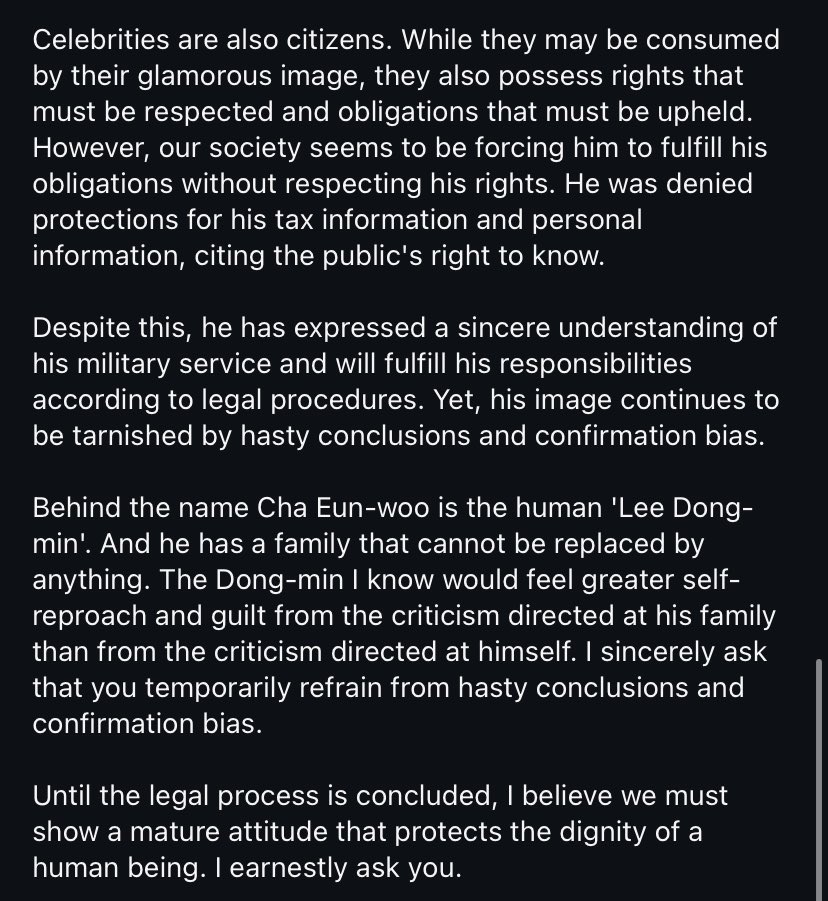





![ChaeunwooTH's tweet photo. ✉️ ig ข้อความจากคุณครูของชาอึนอู
ขอร้องให้หยุดอคติและปกป้องศักดิ์ศรีของ ‘อีดงมิน’ ในฐานะเพื่อนมนุษย์คนหนึ่ง
[แปลฉบับเต็ม] เหตุผลที่ 'ร่างกฎหมายในชื่อชาอึนอู' เป็นเรื่องที่เจ็บปวดใจ
โดยปกติแล้ว การตั้งชื่อร่างกฎหมายตามชื่อบุคคล มักจะมาจากกรณีที่ผู้เสียหายต้องเผชิญกับความเจ็บปวดอย่างแสนสาหัส หรือเป็นความสูญเสียที่น่าเศร้าสลด อย่างเช่น กฎหมายมินชิก, กฎหมายคิมยงกยุน หรือกฎหมายแทวัน ซึ่งล้วนเป็นกฎหมายที่ถูกสร้างขึ้นเพื่อแก้ไขปัญหาเชิงโครงสร้างของสังคม ผ่านชื่อของผู้ที่จากโลกนี้ไปแล้ว
ชื่อเหล่านั้นเปรียบเสมือนสัญลักษณ์แห่งความเจ็บปวดที่เราไม่ควรลืม แต่ในกรณีนี้ เมื่อการประเมินภาษียังไม่ได้ข้อสรุป และยังอยู่ในขั้นตอนการรอผลการพิจารณาก่อนการแจ้งประเมิน (Pre-taxation Review) ฉันจึงอยากตั้งคำถามว่า มันเหมาะสมแล้วหรือที่จะนำชื่อของคนคนหนึ่งมาใช้ในการเสนอชื่อร่างกฎหมายเช่นนี้?
การใช้ถ้อยคำและการนำเสนอข่าวในลักษณะนี้ อาจเป็นการสร้างกรอบที่ทำให้เรื่องราวซึ่งยังไม่มีข้อสรุป กลายเป็นเหมือนเรื่องที่เกิดขึ้นจริงไปแล้ว และเป็นการตีตราคนคนหนึ่งว่าเป็น 'ผู้หลีกเลี่ยงภาษี'
ฉันเป็นคนที่เฝ้ามองดูอึนอูมาตั้งแต่สมัยเขาเป็นเด็กฝึกเมื่อ 15 ปีก่อน เมื่อได้เห็นนิติบุคคลของครอบครัวเขาถูกด่วนตัดสินว่าเป็น “บริษัทกระดาษ (Paper Company)” ราวกับว่าไม่มีการดำเนินงานใดๆ ฉันรู้สึกเสียดายและเจ็บปวดใจอย่างยิ่ง
ในความเป็นจริง ครอบครัวของอึนอูได้คอยสนับสนุนกิจกรรมของเขาอย่างใกล้ชิดมาเป็นเวลานาน แน่นอนว่าการตัดสินทางกฎหมายที่ชัดเจนนั้น เป็นเรื่องที่จะต้องถูกเปิดเผยผ่านผู้เชี่ยวชาญและกระบวนการตามขั้นตอน แต่ในขณะที่ตอนนี้ยังเป็นเพียงขั้นตอนการพิจารณาก่อนการแจ้งประเมินเท่านั้น จึงไม่ควรด่วนสรุปว่านิติบุคคลของครอบครัวเขาเป็น 'บริษัทกระดาษ'
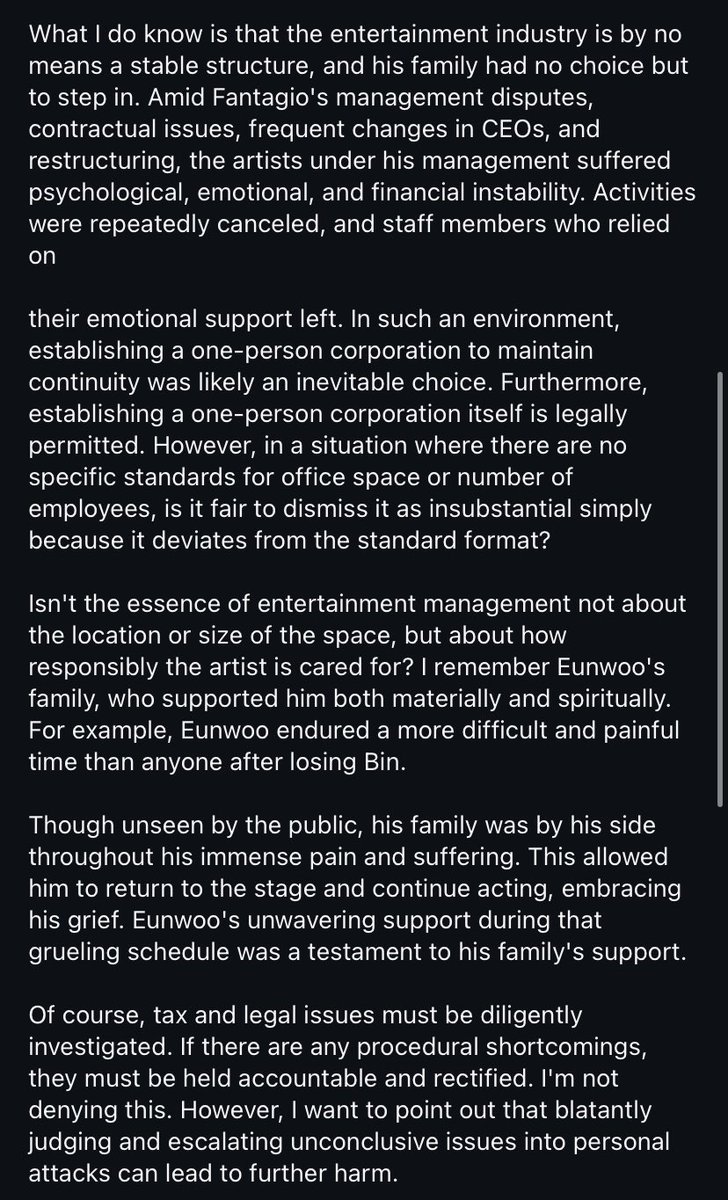
สิ่งที่ฉันทราบอย่างชัดเจนคือ อุตสาหกรรมบันเทิงนั้นไม่ใช่โครงสร้างที่มั่นคงเลยแม้แต่น้อย ครอบครัวของเขาจึงไม่มีทางเลือกอื่นนอกจากต้องก้าวออกมาดูแล ท่ามกลางข้อพิพาทด้านการบริหารจัดการและปัญหาเรื่องสัญญาของ Fantagio, การเปลี่ยนตัวประธานบริษัทบ่อยครั้ง และการปรับโครงสร้างองค์กร เหล่าศิลปินในสังกัดต่างต้องเผชิญกับความไม่มั่นคงทั้งทางสภาพจิตใจและสถานะทางการเงิน กิจกรรมต่าง ๆ ถูกยกเลิก และเหตุการณ์ที่ทีมงานที่พวกเขาเคยพึ่งพาทางใจลาออกไปก็เกิดขึ้นซ้ำแล้วซ้ำเล่า
ในสภาพแวดล้อมเช่นนั้น เพื่อรักษาความต่อเนื่องของการทำงาน การก่อตั้งนิติบุคคลคนเดียว (One-person Corporation) จึงเป็นทางเลือกที่หลีกเลี่ยงไม่ได้ ยิ่งไปกว่านั้น การก่อตั้งนิติบุคคลในลักษณะนี้ก็เป็นระบบที่ได้รับอนุญาตตามกฎหมาย แต่ในสถานการณ์ที่ยังไม่มีเกณฑ์ระบุชัดเจนเกี่ยวกับสถานที่ตั้งสำนักงานหรือจำนวนพนักงาน การด่วนสรุปว่าบริษัท 'ไม่มีตัวตนจริง' เพียงเพราะแตกต่างไปจากรูปแบบทั่วไปนั้น ถือเป็นการตัดสินที่ยุติธรรมแล้วหรือ?
แก่นแท้ของการบริหารจัดการศิลปิน ไม่ได้อยู่ที่ทำเลที่ตั้งหรือขนาดของพื้นที่สำนักงาน แต่อยู่ที่ว่าเราได้ดูแลศิลปินคนนั้นอย่างมีความรับผิดชอบเพียงใด ฉันยังจำภาพของครอบครัวที่คอยสนับสนุนอึนอูอย่างเต็มที่ในทุก ๆ ด้านได้ ตัวอย่างเช่น ตอนที่อึนอูต้องสูญเสีย 'บินนี่' (มุนบิน) ไป เขาต้องผ่านช่วงเวลาที่ยากลำบากและเจ็บปวดมากกว่าใคร ๆ
แม้คนทั่วไปจะมองไม่เห็น แต่อึนอูที่ต้องเจ็บปวดและทนทุกข์อย่างหนักนั้น มีครอบครัวอยู่เคียงข้างเสมอ นั่นคือเหตุผลที่ทำให้เขาสามารถกลับมายืนบนเวทีและทำการแสดงต่อไปได้ทั้งที่ยังโอบกอดความเศร้าเอาไว้ เหตุผลที่ทำให้อึนอูไม่พังทลายลงไปท่ามกลางตารางงานที่แสนหนักหน่วง ก็เพราะการดูแลอย่างใกล้ชิดจากครอบครัวนั่นเอง
แน่นอนว่าเรื่องทางภาษีและข้อกฎหมายจะต้องได้รับการตรวจสอบอย่างซื่อตรง หากมีส่วนใดที่บกพร่องในเชิงกระบวนการ ก็จะต้องรับผิดชอบและแก้ไขให้ถูกต้อง ฉันไม่ได้ปฏิเสธในจุดนั้น เพียงแต่ว่าการนำประเด็นที่ยังไม่มีข้อสรุปมาเผยแพร่ในลักษณะด่วนสรุป และขยายผลไปสู่การวิพากษ์วิจารณ์ตัวบุคคลนั้น อาจเป็นการสร้างบาดแผลให้อีกฝ่ายได้
คนบันเทิงก็เป็นมนุษย์และเป็นพลเมืองคนหนึ่งเช่นกัน แม้จะถูกนำเสนอผ่านภาพลักษณ์ที่สวยงาม แต่ในขณะเดียวกันเขาก็มีสิทธิที่ควรได้รับความเคารพและมีหน้าที่ที่ต้องปฏิบัติในฐานะพลเมือง แต่ดูเหมือนสังคมของเราจะบังคับใช้แต่ 'หน้าที่' กับเขา โดยที่ไม่ได้เคารพ 'สิทธิ' เลย เพราะแม้แต่ข้อมูลทางภาษีหรือข้อมูลส่วนบุคคลก็ไม่ได้รับการคุ้มครอง โดยถูกอ้างเรื่องสิทธิการรับรู้ของประชาชน
(ต่อในโพสต์ถัดไป)
#CHAEUNWOO #ชาอึนอู #차은우](https://pbs.twimg.com/media/HCiBcwHawAg-RJi.jpg)
![ChaeunwooTH's tweet photo. #CHAEUNWOO
🏆 [รางวัลแบรนด์ยอดเยี่ยมแห่งปี 2026 โดยการเลือกของผู้บริโภค] บทความจาก Forbes Korea
🥇 #ชาอึนอู
ชาอึนอู ได้สร้างชื่อให้กลายเป็นแบรนด์ที่เป็นตัวแทนของวงการบันเทิงอย่างมั่นคง โดยแสดงให้เห็นถึงอิทธิพลอันทรงพลังที่ไม่จางหาย แม้อยู่ในช่วงเว้นว่างเพราะการเข้ารับราชการทหาร
แฟนๆ ต่างรอคอยด้วยความคาดหวัง กับโปรเจกต์ซีรีส์ฟอร์มใหญ่ที่น่าจับตามองของ Netflix เรื่อง The WONDERfools รวมถึงการปล่อยมินิอัลบั้มเดี่ยว ‘ELSE’ ที่ช่วยขยายขอบเขตทางดนตรีของเขาให้กว้างขึ้นยิ่งกว่าเดิม
ผลงานการแสดงที่สั่งสมมาอย่างยาวนานทั้งในซีรีส์และภาพยนตร์ เป็นเครื่องพิสูจน์ว่าเขาไม่ได้เป็นเพียงแค่ดาราวัยรุ่นชื่อดังเท่านั้น แต่ยังเป็นนักแสดงที่มีทักษะการแสดงอันลุ่มลึกอย่างแท้จริง
นอกจากนี้ ในฐานะมิวส์ของแบรนด์แฟชั่นและบิวตี้ระดับโลก เขายังได้แสดงให้เห็นถึงตัวตนที่โดดเด่นในวงการโฆษณา และตอกย้ำถึงมูลค่าแบรนด์ของชื่อ "ชาอึนอู" ที่ครอบคลุมทั้งในและต่างประเทศ
การดูแลตัวเองอย่างสม่ำเสมอและจิตวิญญาณในการท้าทายตัวเองอย่างไม่หยุดยั้ง คือแรงขับเคลื่อนสำคัญที่ทำให้ชาอึนอูเติบโตและก้าวขึ้นสู่การเป็น "Global Icon" ข้ามขีดจำกัดในช่วงระหว่างการรับใช้ชาติได้สำเร็จ
🔗 https://t.co/3b5FEY1bvQ
#ELSE #theWONDERfools
#차은우 #チャウヌ #车银优 #車銀優](https://pbs.twimg.com/media/HCIF8V3acAAHXdD.jpg)