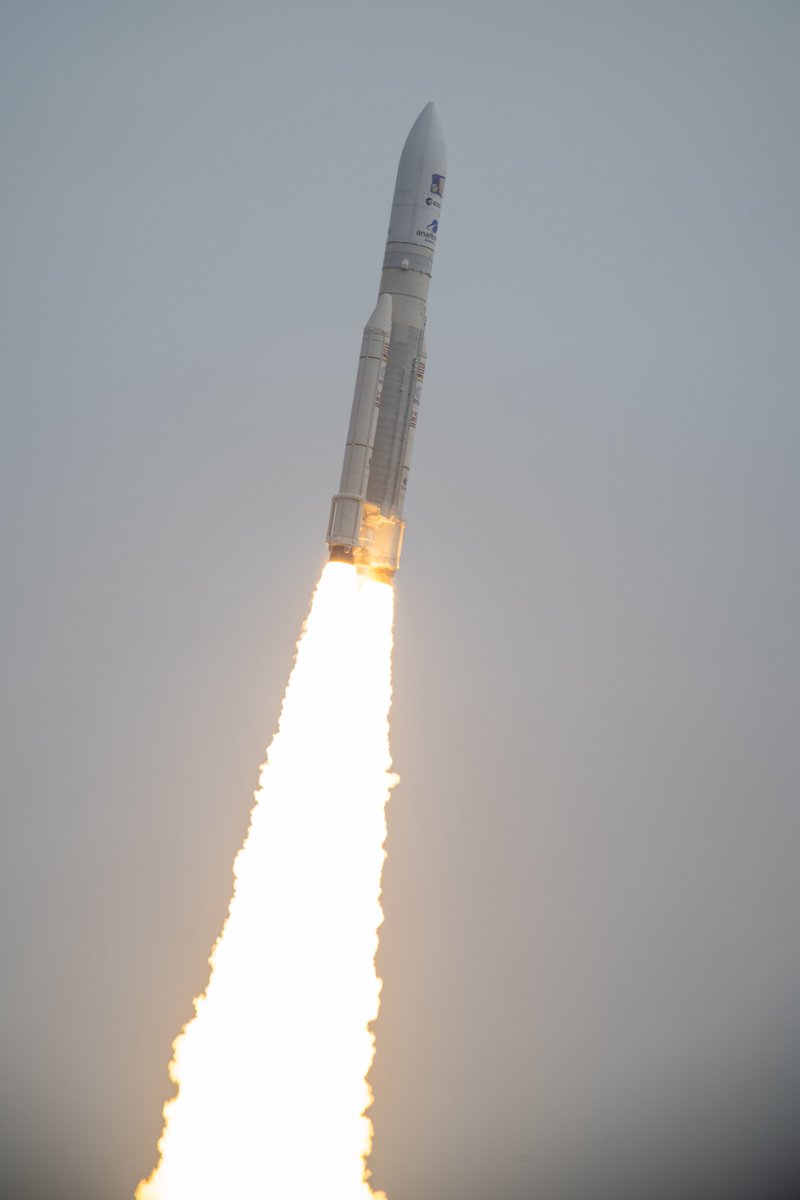
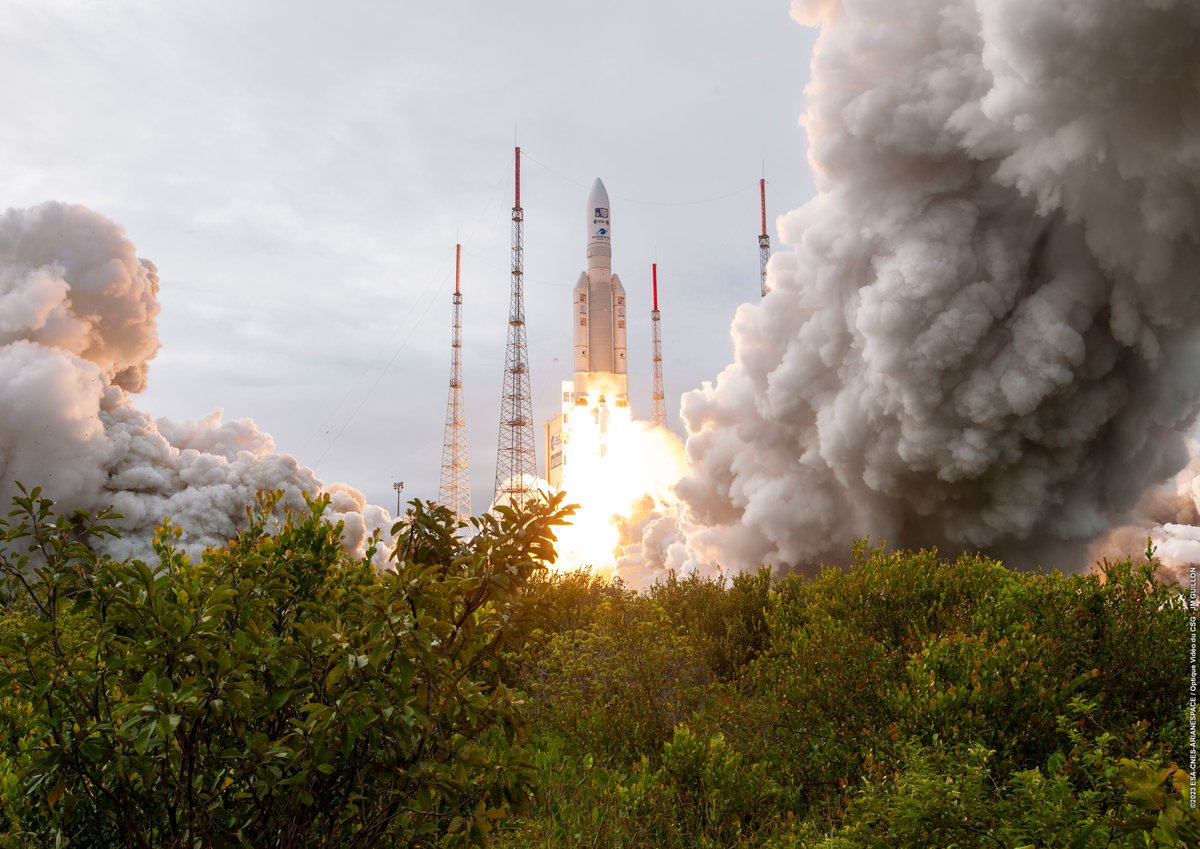
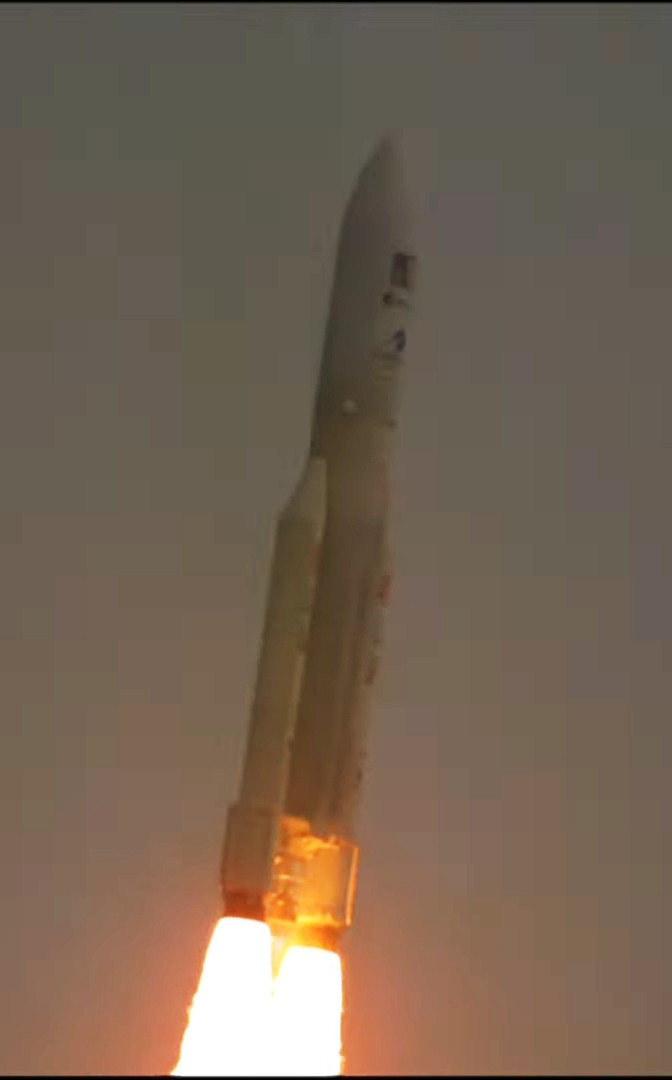
Today I could visit, thanks to Ignacio Tanco, the engineering model of @ESA_JUICE at the European Space Operations Centre @esaoperations . An impressive machine, whose "sister" is flying since almost one year towards Jupiter.
Our JUICE Magnetometer has now been fully and successfully tested, and we have good results, including the first ever measurement of the solar wind using a Quantum Interference Magnetic Sensor.
https://t.co/mKWUL5t5Jf
This is a map at the scale of 1 pixel to the diameter of the moon. It shows how far away Jupiter is, and why JUICE needs to go so fast, but still has a very long journey.
https://t.co/YJTQDMtKqR
We’re pleased to share a first taste of #ESAJuice science data! 🤩
The magnetometer boom (J-MAG) recorded the change in magnetic field as it deployed.
J-MAG will help characterise Jupiter & Ganymede's magnetic fields, and the moons' oceans.
📈https://t.co/ttV4pRhtML
A short news story about the launch of JUICE, it's journey to Jupiter, some of the science it will undertake, and the instruments that will achieve the science goals. There's even a short piece of footage of the J-MAG instrument in our lab. 🙂
https://t.co/mlDs6T1UB7
Deployment of both the very large solar panels was successful, and the spacecraft is now recharging the batteries that were used during the launch.
Checkout and commissioning of the spacecraft subsystems and scientific instruments, including J-MAG, will commence now.
Now we're waiting for acquisition of the spacecraft by the ground-station. This could be a while, depending on the exact orientation and status of the spacecraft.
Some of the Imperial College J-MAG Team are ready in Kourou for the launch, although the umbrellas are a less promising indicator of acceptable weather conditions today, than bright sunshine would be. 🙂