Dr Ndlozi, I will respectully argue that your opening assertion overlooks a crucial principle: correctly naming the problem and mobilising around it. Accurate diagnosis is what enables societies to craft meaningful solutions, and your diagnosis cannot automatically stand in for theirs.
While your long experience in organising marches and shutdowns is valuable, it cannot serve as a universal script for mobilisation. Each generation, each community, and each activist movement carries its own lived experiences and contexts. Respecting those diverse realities is essential. To assume that every activist is guided by “handlers” undermines their agency and silences their voices. People mobilise because of their own grievances and aspirations, not because they are puppets of unseen forces.
Moreover, raising concerns is most effective when done in a spirit of genuine listening, rather than adopting the posture of a preacher addressing sinners who must repent. As you have presented yourself as an experienced mobiliser, I trust you will agree that mobilisation is not a morality play; it is a negotiation of power, dignity, and justice. To dismiss their efforts as “self-sabotage” without engaging with the concerns that drive them risks closing the door to constructive dialogue.
The challenge, then, is not to lecture people into silence but to propose solutions that address the root causes of their grievances. At this stage, respecting their agency and listening without preconceived judgement is crucial for fostering constructive engagement.
Constructive engagement requires recognising that the strategies and tactics of today’s activists are not of lesser intellect than those informed by past experiences of mobilisation. They reflect the realities and aspirations of the current contexts. By approaching these movements with humility and openness, we can foster dialogue.
With utmost humility and respect, I am yielding to the chair.
I grew up in Thokoza in the East Rand. Katlehong, Thokoza and Vosloorus were called Kathorus. I grew up during the time when violence between the IFP and the ANC erupted. Zulu people aligned to the IFP from the hostel on the main road, Khumalo street, were fighting with Self Defense Units aligned to the ANC based in the township. It is believed the hostel dwellers were sponsored with arms by the apartheid police, and would often be accompanied by Army caspers when they went into the township to attack. They would attack indiscrimately, hacking families with spears and pangas, breaking windows, burning houses etc. Chris Hani and them were involved in providing arms to the SDF's to defend themselves against the apartheid sponsored IFP.
Fortunately for my family, this happened immediately after my father, who was a priest in Thokoza, had just lost my mother and his closest friend, a Taxi owner Ntate Sanie, who was shot in his presence just a month after my mom. The family in the Free State insisted he leaves Gauteng and come back home because it was no longer safe. I was at UCT at the time, and never went back to Thokoza.
Families of friends that I went to High School with were killed, others displaced. It was a dirty war. In Soweto, where my boyfriend then lived in Senaone, it was the same conflict. Zulus from Merafe hostel attacked townships of Phiri, Mapetla, Chiawelo etc.
Kids that were born in the 90's and 2000's do not know what it was like when there were scenes of communities fearful that the Zulus will come and kill anyone who did not speak isiZulu. You are Xhosa, Mosotho, Kendall, Shangaan, anything they came across that didn't speak Zulu would be hacked to death. In KZN it became Zulu against Zulu, with IFP vs ANC, which the boers called "Black on Black violence", knowing very well they were the sponsors of this conflict.
It took a very long time for peace to prevail between these two parties and for communities to heal. Many families remain with scars and trauma from that period. The same way that political killings have continued during election time, which led to the establishment of the PKTT.
I have no problem with Zulu pride. Some of us can speak and write isiZulu fluently, and love the language and culture. What I have anxiety about, it's mobilization of society under the "Hlangana Zulu" banner. The notion that "Zulu people will fix this country" by dealing with foreign nationals because of their supposed bravery. I'm not sure if that is where it will end. However, in the absence of Government leadership and State Intelligence on the foreign nationals crisis, people are resorting to Zulu Hlangana leadership. What can we say.
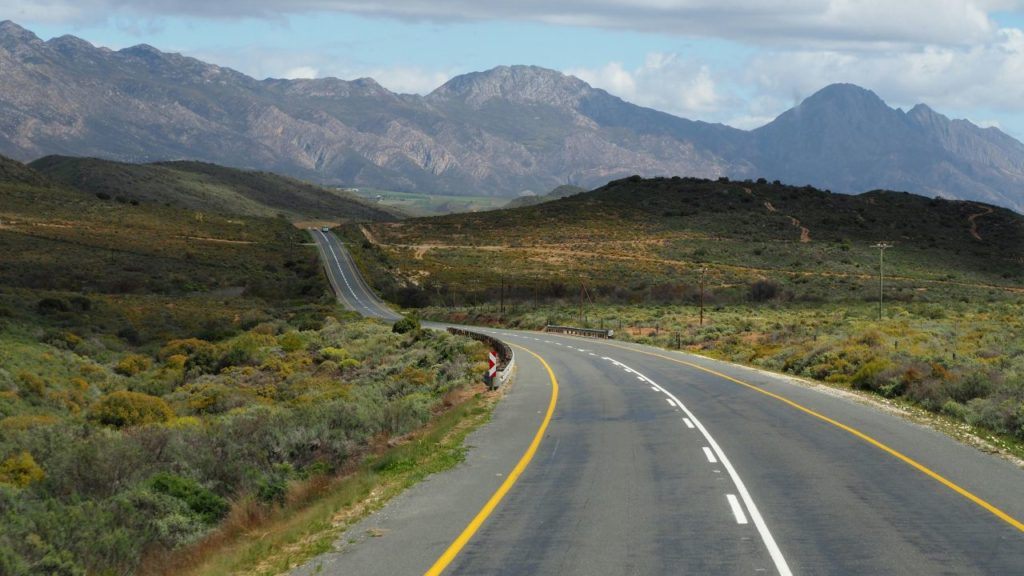
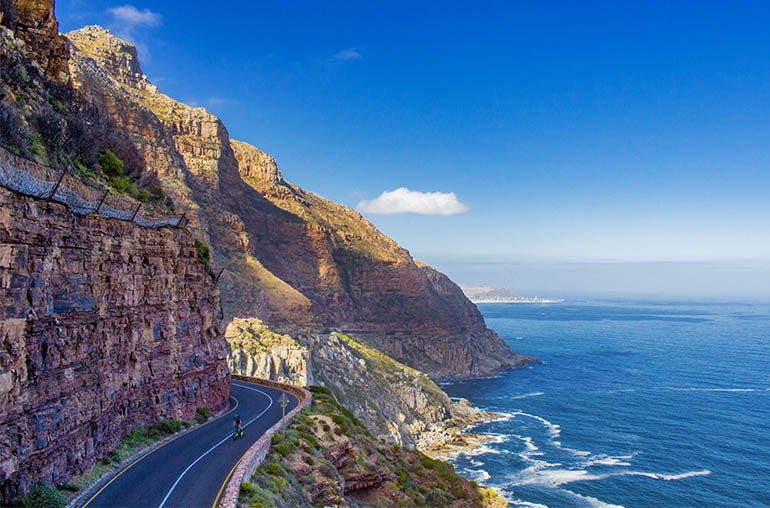
Congratulations on South Africa’s iconic Garden Route being ranked as the world’s best road trip. Stretching along the country’s southern coast, this breathtaking route is renowned for its unique blend of ocean vistas, lush forests and vibrant communities.
an attractive risk-adjusted investment worth looking at: RSA retail savings bonds📈📈
R1,000 invested into a fixed rate retail savings bond over 5 years (with interest reinvested) gives you R1,668
that's a consistent & guaranteed 67% return over 5 years (11% return every year!)
As a demographer I can tell you for free, the only reason why SA has higher stats in everything is because we actually do our census data and have some of the best technology and social scientists/data analysts analysing the data.
I’ve tried using data from some SSA
I miss the heydays of SABC dramas. As much as creatives look down on “edutainment” it’s exactly the type of content we need in a country like ours. SABC used to have the perfect blend of entertainment, intrigue and pure education in their dramas. That ship needs to sail again.
@Mothematiks I hate what poverty has done to us as a people. You can clearly see that something is wrong with such a mentality.
What happened to eating and wiping your mouth so that people don’t know what it is that you ate by looking at your face?
@Qhawe___L The ability not to worry about what people do with their hard earned money is crucial to a long and healthy life.
Let people spend their hard earned money however best they deem fit. 🙏🏾
Why should we support the Tobacco Bill and NOT #StopTheTobaccoBill?
1. SA has one of the highest TB burdens in the world. About 20% of TB deaths, are a result of smoking. TB deaths are more prevalent in SA due to a higher vulnerability of HIV-positive people to TB.