‼️🇫🇷 𝗔𝗟𝗘𝗥𝗧𝗘 𝗜𝗡𝗙𝗢 — Une femme a vécu l’horreur à Pantin : elle a été VIOLÉE et séquestrée dans un appartement après avoir été attirée sur place par une septuagénaire qui lui avait demandé de l’aider à porter ses courses.
Une fois dans le logement, la porte a été verrouillée avant que le fils de la propriétaire, âgé d’une cinquantaine d’années, ne l’emmène de force dans une chambre pour lui imposer une pénétration vaginale sans préservatif.
La victime affirme qu’il l’a ensuite menacée de lui « couper les tétons », comme il l’aurait fait à son ex-compagne, avant de lui annoncer qu’il allait « remettre ça ».
Pour s’échapper, elle a risqué sa vie en passant de balcon en balcon depuis le 7ᵉ étage jusqu’au 5ᵉ, où elle a trouvé refuge chez un voisin qui a alerté la police.
Déjà connu pour des faits de viols, violences conjugales et menaces de mort, l’homme a été interpellé. Les enquêteurs soupçonnent également sa mère d’avoir participé au piège tendu à la victime.
(Source : @LindaKebbab)
Lo de: “niño no bebas directamente de la lata que se ha podido cagar una rata” que llevo diciendo años, por fin cobra sentido. El tiempo dándome la razón una vez más.
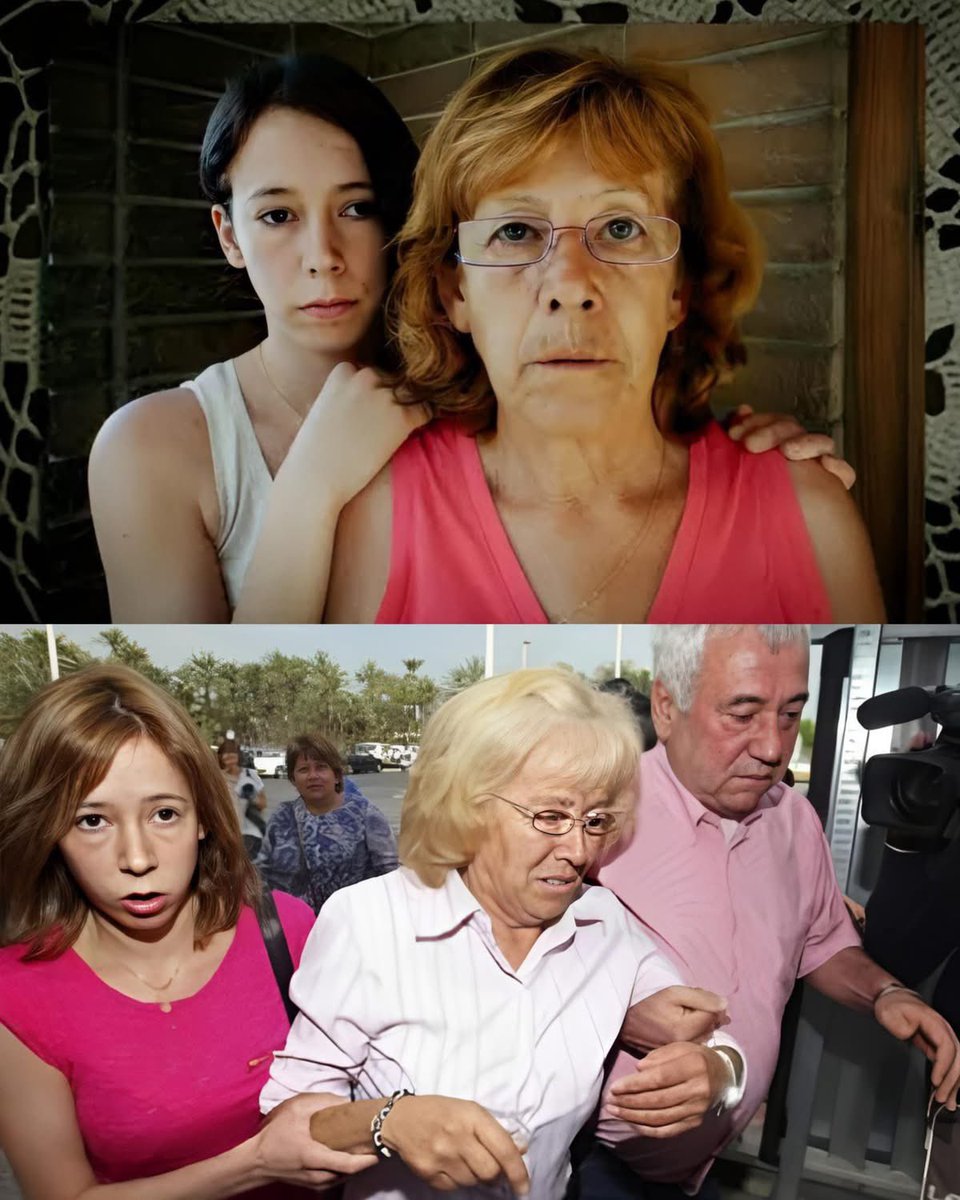
In 1998, a 13-year-old girl was abducted and raped at knifepoint in Alicante, Spain. The rapist, 63-year old Antonio Cosme, was sentenced to 9 years in jail.
7 years later, in 2005, the victim's mother, María del Carmen García, was waiting at a bus stop when she saw a man approaching.
"How's your daughter doing?" the man asked with a smirk on his face.
It was her daughter's rapist.
Antonio was out on day release.
Enraged by what had just happened, Maria ran to the nearest store, purchased 1.5 litres of gasoline, and walked into the bar that Antonio had just entered.
She doused him head-to-toe with gasoline, lit him up, and stood back and calmly watched as her daughter's rapist burned alive in front of her eyes.
Maria was sentenced to 9.5 years in jail for her act of revenge, but was released in 2018 after serving 5.5 years.
Today, she lives freely in Spain after being reunited with her daughter.
Cena de grupo. Sois 6.
Tú pides una ensalada y agua (20€).
El de enfrente pide chuletón, 2 copas de vino y postre (70€).
Llega la cuenta.
El del chuletón coge el ticket, hace un cálculo rápido y suelta la frase mágica:
—"Chicos, pagamos a medias. Sale a 42€ cada uno".
Silencio incómodo en la mesa. Las miradas se cruzan.
Nadie quiere ser "el rata" del grupo.
Dos personas ya están sacando el dinero de la cartera.
Tú dejas la tuya sobre la mesa y dices:
—"No. Yo he consumido 20€. No voy a pagar el doble".
El del chuletón te mira, suelta una risa nerviosa y eleva el tono para que todos escuchen:
—"Venga ya, no seas miserable, tío. Por un día no pasa nada, no vamos a estar contando céntimos. Siempre lo hacemos así".
Sientes esa vieja presión en el pecho. El miedo a romper la armonía. El miedo a la etiqueta de tacaño.
Lo miras fijo:
—"No estoy contando céntimos, estoy contando mi dinero. No soy miserable, es que no voy a financiar tu cena. Si querías comer por 70€, me parece perfecto, pero págalo tú".
Resultado:
Tensión en el ambiente.
De repente, la chica de tu derecha dice: "Yo también pedí solo un plato de pasta y eso es lo que voy a pagar".
El castillo de naipes cae. El del chuletón acaba pagando su parte real con mala cara.
La cena termina.
Reflexión:
Existe un tipo de gente que utiliza la "cultura de grupo" como un subsidio personal.
Piden lo más caro porque cuentan con diluir su gasto entre los demás. Y cuando los frenas, su mecanismo de defensa es atacarte moralmente: te llaman "miserable" o "tacaño" para proyectar su propia avaricia sobre ti.
Juegan con tu miedo a la exclusión social. Confunden tu generosidad con sumisión.
Pero recuerda esto: defender el valor de tu trabajo y de tu dinero no te hace egoísta.
Exigir que tus amigos paguen por tus lujos, sí lo es.
Poner límites incómodos es el mejor filtro para saber quién te respeta y quién solo te usa.
She was supposed to attend a Daniel Craig film premiere in London that weekend. Instead, she was in a Belfast hospital with 39 separate injuries. She was 29 years old.
Winnie M Li was a Harvard graduate and a George Mitchell Scholar who had co-produced a short film shortlisted for an Oscar. She flew to Belfast for a conference. The day before she was supposed to fly home, she decided to squeeze in a solo hike through a forest park on the western edge of the city. A 15-year-old boy followed her in and raped her in broad daylight.
She later said she went from being a confident woman to a ghost, with PTSD and depression so severe she had to give up her film career. Her attacker was sentenced to 8 years. He was out in 4.
Hiking had been one of her great joys before the attack. It took years before she could do it alone again. In 2009, she forced herself to backpack through Southeast Asia for three months, trying to find the person she used to be. Five and a half years after the assault, she sat down and started writing about what happened to her. Her novel Dark Chapter, built from her own experience, won a major literary prize. Her second novel was fought over by five US publishers and picked by The New York Times for their book club. She co-founded a festival in London dedicated to conversations about sexual violence, and earned a PhD from the London School of Economics studying how survivors use their voices to reclaim their stories.
And every year, on the exact anniversary of the worst day of her life, she goes on a solo hike. In her own words: to remind herself that beauty still exists, and she can enjoy it.
This year was year 18. She walked the Southwest Coast Path along England's coastline, and the photos show her smiling on a cliff in Cornwall. After 17 years of doing this, she said the nausea and anxiety on the anniversary are finally gone. That took 17 years, but she got there.
I have nothing to add to her story except this. If you are in the middle of your own recovery and it feels like it will never end, her 18 years of annual walks say otherwise.
Esta mañana estaba en el autoservicio de McDonald's y la señora que estaba detrás de mí no paraba de pitarme y hacerme gestos obscenos porque tardaba mucho en pedir.
Una vez que pidió, le pregunté a la cajera qué había pedido y le pagué.
Fui a la siguiente ventanilla y ella se asomó por la ventanilla mirándome con cara de loca porque la cajera le había dicho que yo le había pagado.
Se sintió muy avergonzada y evitó mi mirada a través del retrovisor.
Cuando llegué a la última ventanilla para recoger mi comida, le enseñé a la empleada mis dos recibos y ¡también me llevé su comida!
¡La pagué, es mía!
Ahora tendrá que dar otra vuelta y esperar aún más. 😂
¡Hoy va a aprender la lección!
Entre los 25 y los 35 convertirte en otra persona es normal.
De repente un hobby nuevo te obsesiona.
Llevas años con alguien y piensas "algo no encaja."
Empiezas algo y acabas sin saber qué quieres.
Esto tiene nombre. Y tiene explicación.🧵
your life actually starts at 27; its the age where reality starts to hit. You start noticing patterns you used to ignore, bad habits, weak decisions, wasted time. And you realize some of your pain isn’t bad luck, it’s repeated mistakes. That is a hard thing to accept, but it is also where growth begins.
This is the age where excuses stop feeling useful. You start being more honest with yourself. You cut down the distractions, look at your circle differently, and take more responsibility for your life. It is not fun. It can feel lonely and slow. But every small step helps you build respect for yourself. You stop drifting and start living more on purpose.
These years are not supposed to be easy. They are supposed to shape you. The person you become during this window can influence the rest of your life. Stay disciplined, stay patient, and keep choosing better even when nobody is watching. If you can get through this season, you will enter your thirties stronger, clearer, and far ahead of the men who never woke up.
I don't know if I should be sorry or proud of my husband.
Over the weekend, my in-laws came to visit. We all sat around the dinner table when his older sister made a comment about the food I cooked.
Before I could even respond, he looked at her and said, "That's how we like it here.
When you get back home, you can cook yours the way you like it."
The table went silent. I held my breath.
Because standing up to family like that? It's never small, it echoes.
He didn't soften his tone. He simply drew a line, right there, in front of everyone.
And in that moment, I realized my husband isn't just my partner. He's my defender.
I know they'll probably call a family meeting about him later... but me? I'm nothing but proud.
El mueble de salón español clásico (vitrina, cajones, hueco para la tele, minibar) ha desaparecido en una generación. La explicación básica es que los pisos se han hecho más pequeños y las teles se han hecho gigantes. Pero creo que también hay una explicación identitaria. 🧵
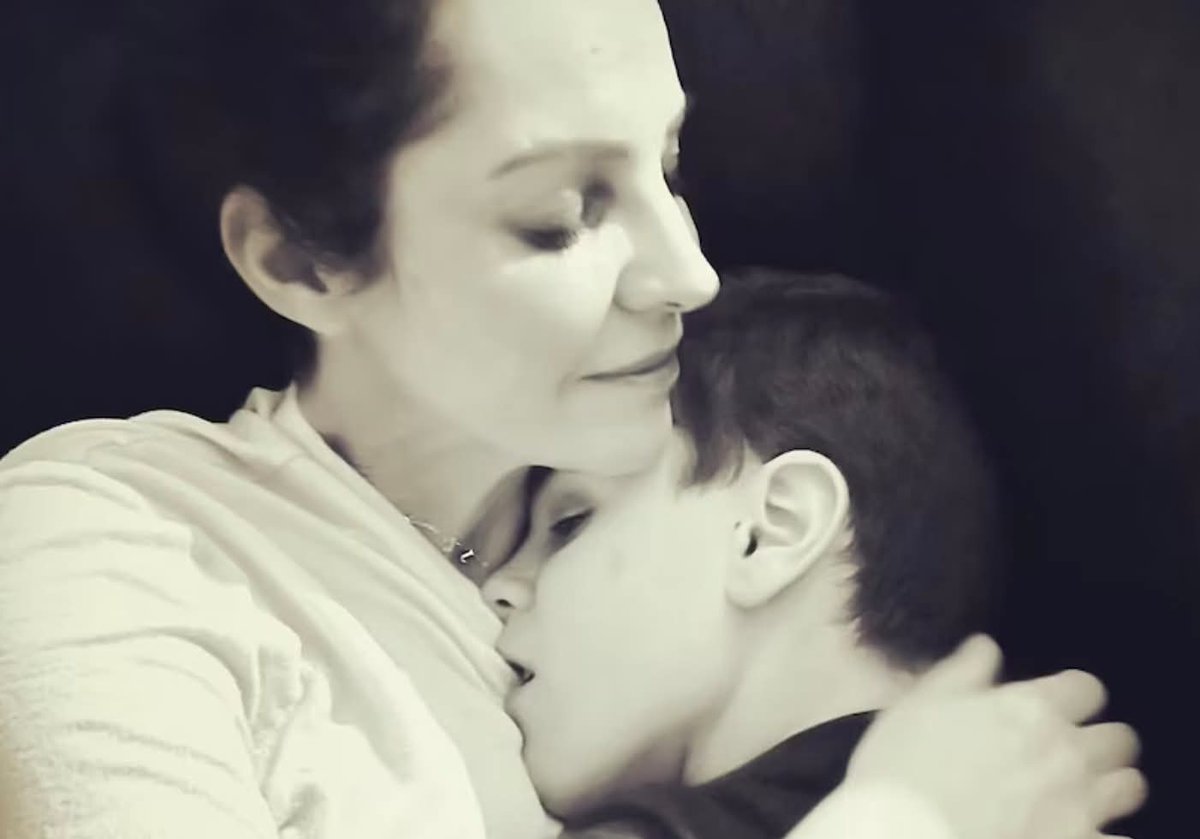
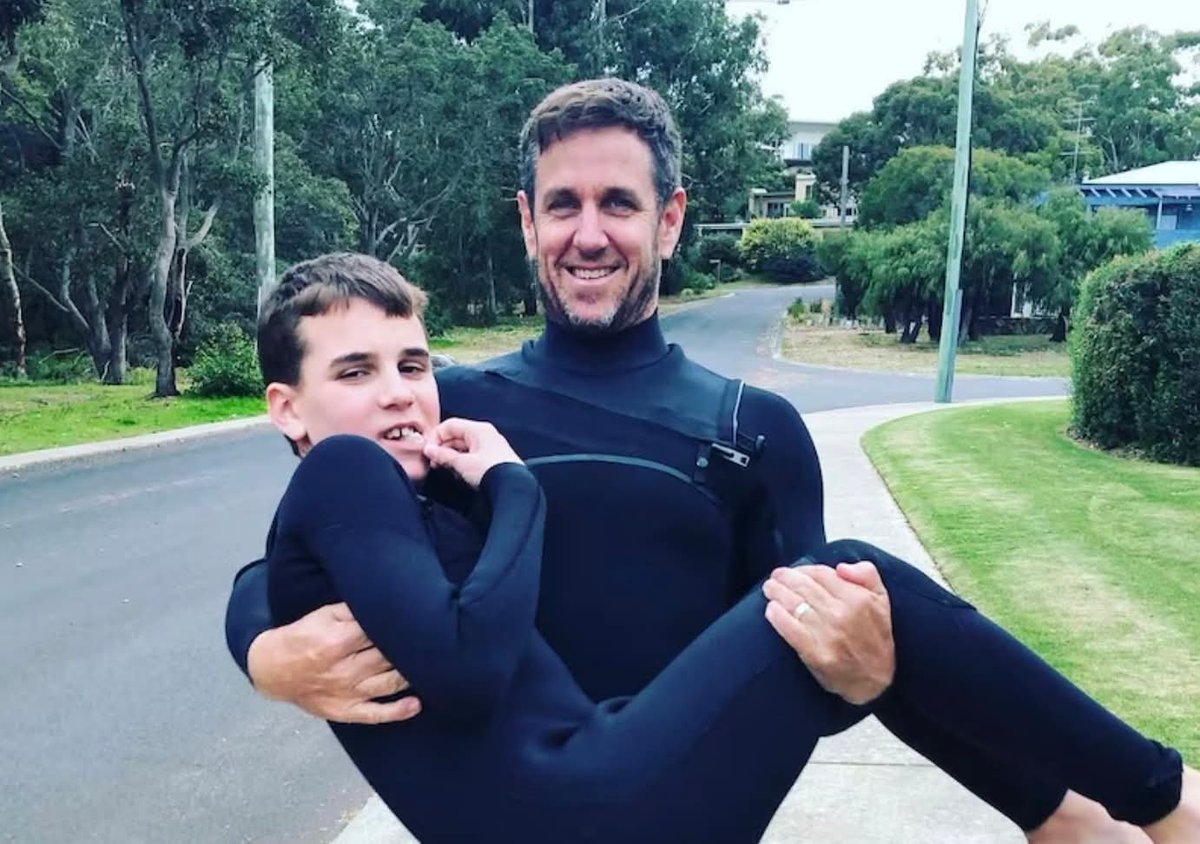
🇦🇺🚨 TRAGEDIA EN AUSTRALIA: Padres deciden morir junto a sus hijos y mascotas, tras ser abandonados por el sistema.
La tragedia que ha sacudido a Mosman Park, Perth, ha pasado de ser un misterio a una denuncia devastadora contra el Estado. Jarrod Clune (50) y Maiwenna Goasdoue (49) fueron hallados sin vida junto a sus hijos, Leon (16) y Otis (14), y sus tres mascotas, en un presunto homicidio-suicidio pactado. Antes de morir, dejaron una nota en la puerta con una advertencia final: "No entren, llamen a la policía".
Nuevas revelaciones de sus cuidadores apuntan al NDIS (el sistema de apoyo a discapacitados de Australia). A pesar de que ambos adolescentes sufrían de autismo severo y requerían cuidados las 24 horas, la familia enfrentaba rechazos constantes. El detonante habría sido un reciente recorte de fondos, dejando a los padres en un estado de agotamiento absoluto. "Les decían que sus hijos eran 'demasiado difíciles' para recibir ayuda", confesó un allegado.
Dentro de la casa, los investigadores hallaron una segunda carta donde la pareja detallaba la planificación del acto y cómo gestionar sus finanzas tras su muerte. No hubo armas ni violencia física; fue una despedida silenciosa y premeditada. Lo que el mundo ve hoy no es solo un crimen, sino el colapso de una familia que, tras años de luchar por ser escuchada, sintió que la muerte era su única salida.
Hoy, cuatro vidas y tres mascotas son el rostro de una burocracia que llegó demasiado tarde. 🕊️💔
Una mujer bella, trabajadora, independiente y soltera conoce a un hombre. Después de varias invitaciones a comer, a pasear, etcétera, decide dar un paso más. Viven distanciados pero se ven con frecuencia. La cosa promete.
Un día, ella llega de trabajar, se pone a cocinar y atiende además a una amiga que fue a visitarla. Él le escribe y ella le comenta que está ocupada en ese momento pero que más tarde hablan.
Despide a su amiga, recoge la cocina y cuando agarra el teléfono se encuentra con dos llamadas pérdidas de él, quien con evidente molestia le dice que estaba intentando comunicarse por “última vez” porque sino, ya no la llamaría más.
Ella se inquieta y vuelve a explicarle que estaba ocupada y que ya se lo había dicho. Él le hace una videollamada y le pregunta si está sola.
Ella le dice que no, que su madre está en casa, entonces él le dice que -como están en videollamada- camine hacia el cuarto donde está su madre y le muestre que es cierto que está con ella.
Ella se niega. No porque sea mentira que su madre está en el lugar sino porque le parece una falta de respeto que desconfíe de ella aunque nunca le ha dado motivos. Le explica además que no está de acuerdo con su actitud y que mejor es que no se vuelvan a ver y dejen las cosas hasta ahí.
Minutos después, el le escribe y le dice que ella tiene como “tranquilizarlo” en sus manos pero decidió no hacerlo porque no le interesa estar con él. Esa tranquilidad significa que ella debe demostrarle que en efecto su madre está en su casa.
Ella no cae en su manipulación. Se despide.
Cuando me cuenta me dice: Por eso es que prefiero estar sola. A mi nadie me va a venir a quitar mi paz ni a hacerme sentir que estoy haciendo algo mal cuando no es así.
Me sentí orgullosa de escucharla.
Sepan identificar las banderas rojas desde el minuto uno y aléjense de esos traumas que no son suyos.
You're scared to spend 2 years learning a new skill at 28, because by the time you're done, you'll be 30.
Whether you learn the skill or not you'll still be 30 in two years.
Time is extremely valuable.
that period between 25 and 30 has to be the most worrisome part of adult life. you worry about so much. your dreams. a life partner. finances. the future. your parents getting old. everything. very easy to fall in depression or develop anxiety disorders.