The final paper of the Global Carbon Budget 2024 is now published.
The @gcarbonproject is committed to transparency and traceability on how we develop and update the annual budget, which requires peer-review and making the data available.
https://t.co/5YcFxWW8Ga
@OceanRics kicking off TRICUSO today @NOCsouthampton, a new project that will develop technology & methods to address the #Carbon Sink Status of the Southern #Ocean in support of the @WMO Global #Greenhouse Gas Watch! For more about this exciting project - follow us!
At the invitation of @EleanorFrajka, I'll be teaching this two-week graduate course in person:
Ocean/Atmosphere Time Series Analysis
Univ. of Hamburg
17-28 March 2025
If you are based elsewhere, you can still come, at no cost.
Details and application:
https://t.co/isrZxXc8tb
🌊 Ocean book review on the #EGU#OceanSciences blog 🌊
I have read and reviewed "Blue Machine" by @helenczerski, and I highly recommend it. (Btw, it's perfect as a Christmas gift!)
Any book recommendations for us to explore next? 📚
https://t.co/vQOkud6qd8 @EuroGeosciences
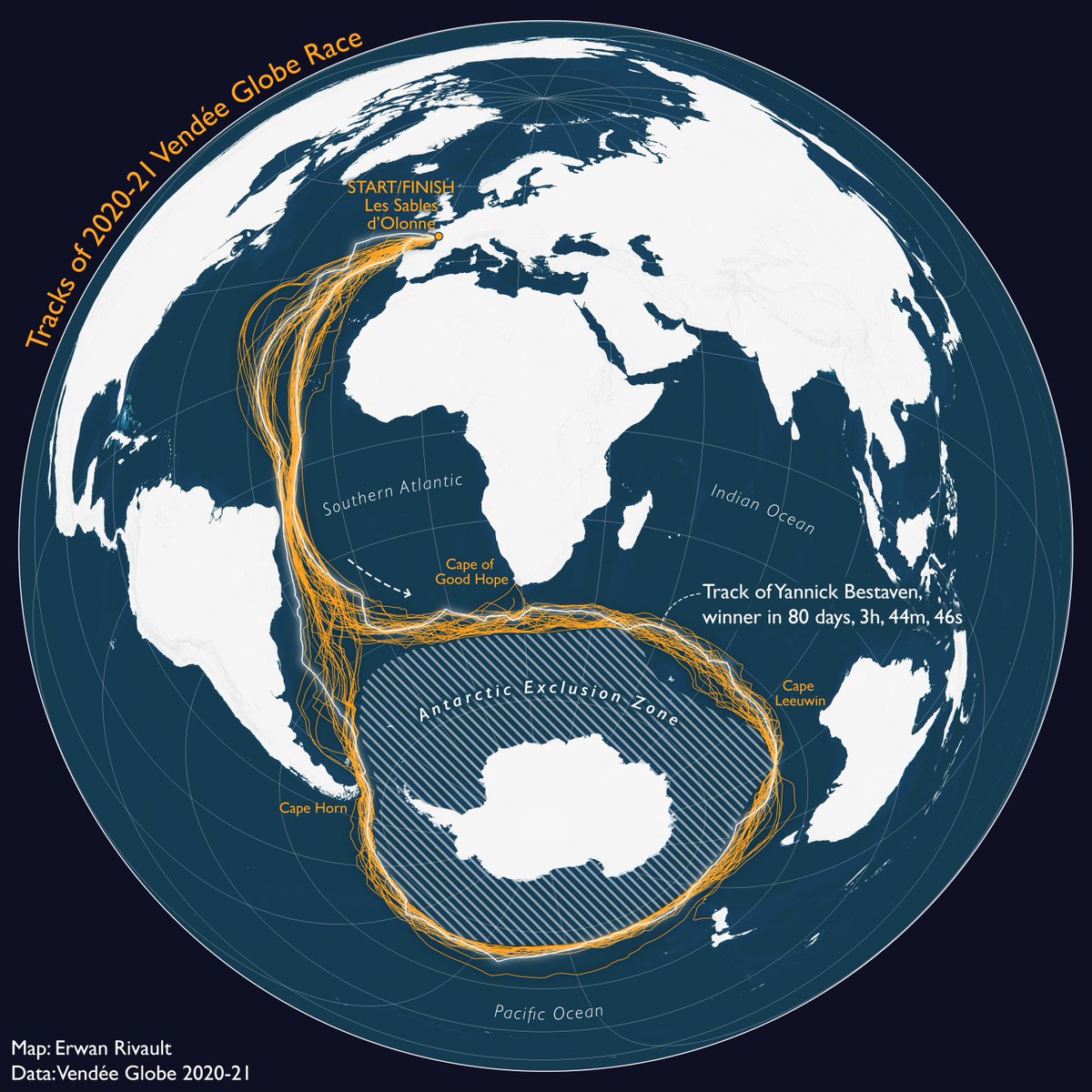
🌊⛵️ As the #VendeeGlobe sailing race progresses, remember that skippers are not just competing—they're collecting valuable data, particularly in the Southern #Ocean!
👉https://t.co/JEViRXLjrE @EuroGeosciences
🌐 Today at #COP29 we release the latest #StateOfClimate global update and the message is clear:
📈 2024 is on track to be hottest year on record as warming temporarily hits 1.5°C
🔗 Full report: https://t.co/IRzRXXGPhl
The 2024 Global Carbon Budget was just released! Unfortunately despite hopes emissions might peak, both fossil CO2 and total CO2 emissions reached new record highs. I cover details w/ Pierre Friedlingstein (@PFriedling) at Carbon Brief: https://t.co/Gsb1AoTBqk
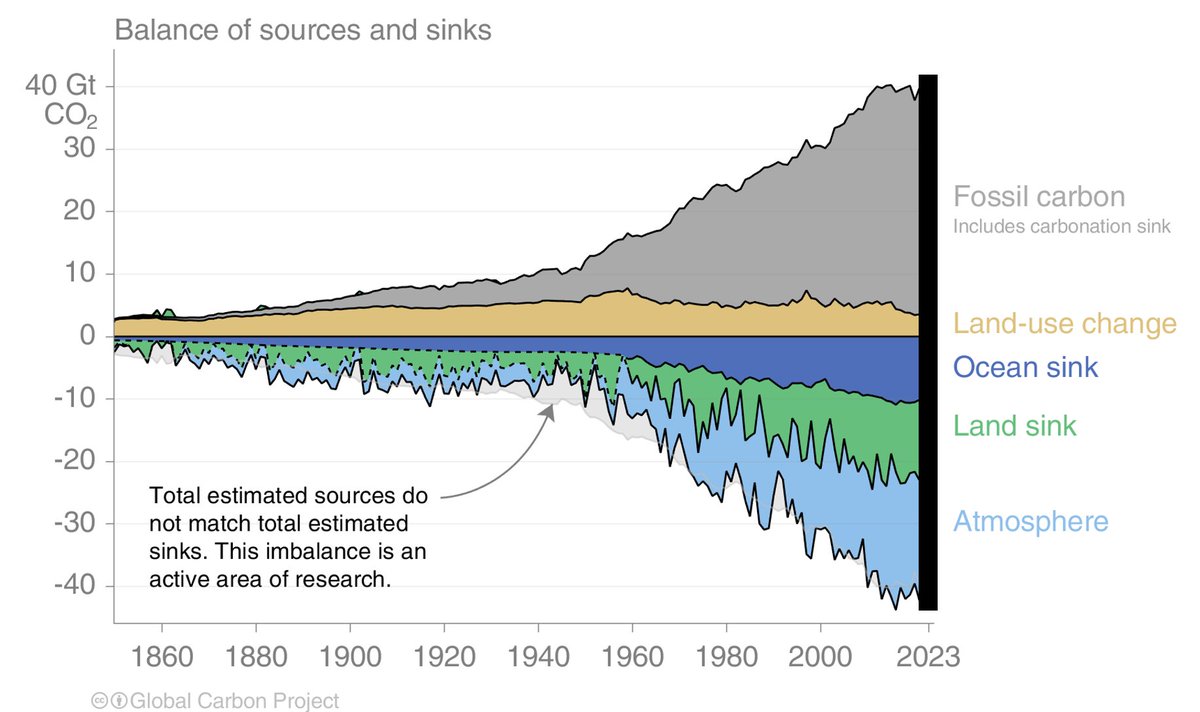
🌍📊 The new #GlobalCarbonBudget is out! While it offers vital insights into carbon emissions and sinks, it's troubling that ocean #CO2 observations—vital to this budget—are still declining. Expanding ocean monitoring is crucial for accurate climate assessments.
The 2024 Global Carbon Budget is out. Emissions from fossil fuels reached a record high. Land and ocean sinks continue to take up half of the emissions, despite negative impact of climate change. @VLIZnews' Peter Landschützer is member of the Core Team https://t.co/4zPZ2aoxPN
📢Global Carbon Budget 2024📢
Despite some predicting a peak in global fossil CO2 emissions, we estimate growth of 0.8% [-0.3% to 1.9%] in 2024. Maybe a peak next year?
Is it all bad news, or can we find some good news?
1/
🥳10 #Argofloats will be deployed by @ImocaGS skippers during the @VendeeGlobeENG, as part of the #OceanDecade. What a great support for ocean science!
Euro-Argo wishes them a good race and sends its heartfelt thanks!
👉https://t.co/RMqJszvh1O
#30DayMapChallenge Day 5: A Journey
Only 5 days away from the start of the 2024-25 @VendeeGlobe sailing race, I mapped the tracks of the 33 competitors from the last edition in 2020-21.
The Global Carbon Budget 2024
* What will CO2 emissions do in 2024?
* Have CO2 emissions peaked?
* Did the land sink collapse in 2023?
* How big were the fires in 2023 & 2024?
All these questions and more to be answered on 13 November (1 week) #carbonbudget
RECCAP-Oceans [2/10]
Hauck et al. found that the Southern Ocean takes up 50% less CO₂ than reported in RECCAP1
Yet, most global CO₂ uptake occurs there, calling for a better understanding of trends, seasonality, & interior transport of anthropog. CO₂
https://t.co/SUlzcwNgue
RECCAP2-Ocean [1/10]
DeVries et al. assessed the Global Ocean Carbon Sink and found that models and fCO2 products agree on the long-term mean uptake of CO2. However, trends in the CO2 uptake over the past two decades differ by almost a factor of 2.
https://t.co/rrDIJtCP0s
Until 12.12.24, you can follow the online Ocean Data Management course by @OceanteacherA and #VLIZ. It's a comprehensive intro to the management of #marinedata, incl. the guiding #DataManagement principles & typical responsibilities for data managers, stewards & scientists.
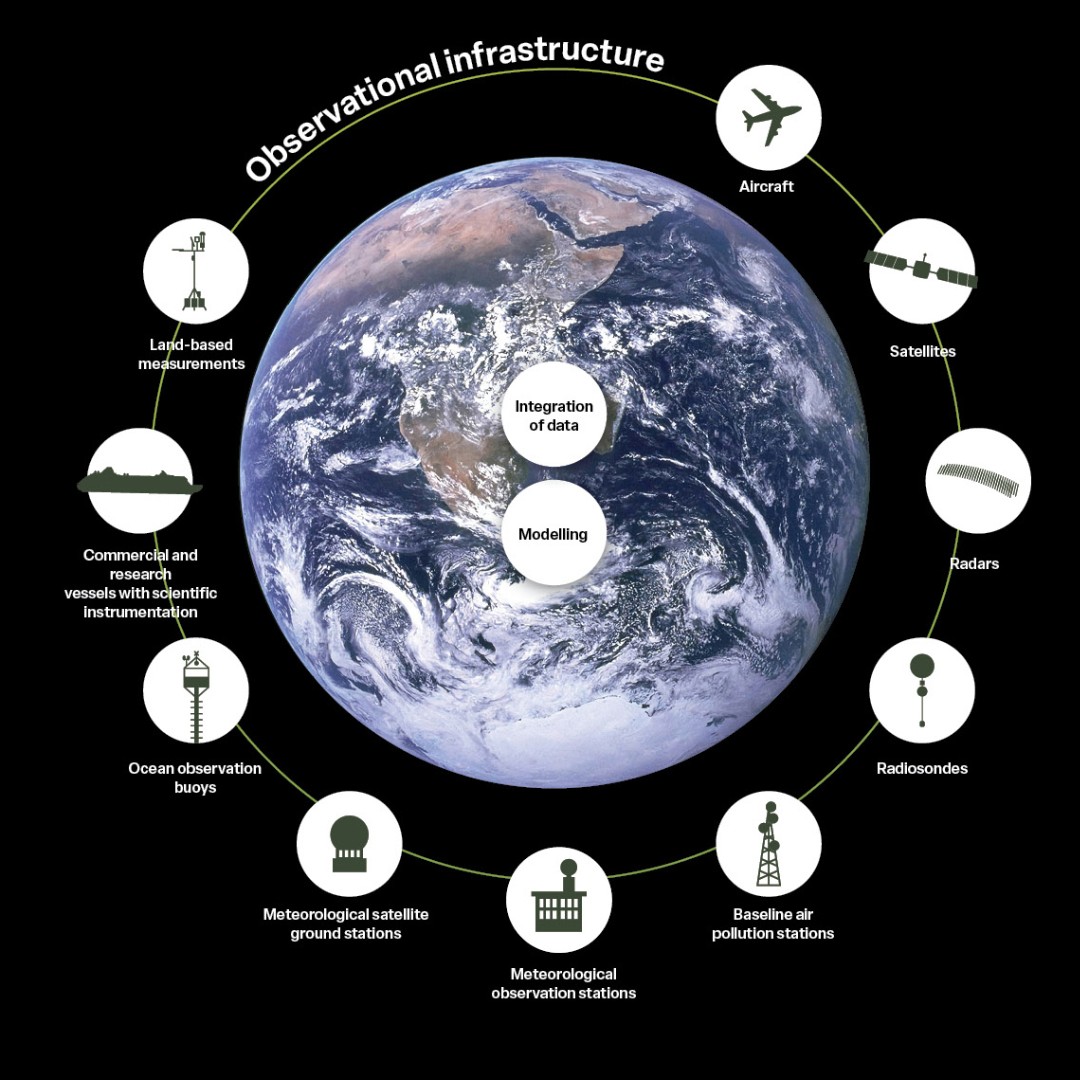
Global effort is underway to provide near real-time data on greenhouse gas concentrations covering all continents. Launching in 2028, the Global Greenhouse Gas Watch (G3W) brings together a global network of experts.
Read more about the G3W in #FLUXES: https://t.co/v0J0ZitnYO
VLIZ recruits: a postdoctoral researcher to strengthen our 'Past, Present and Future Climate' research group. As part of the international research project InMos you will develop new constraints of ocean carbon, heat & oxygen, by upscaling in-situ measurements using existing methods and applying new machine learning tools. Apply no later than 15 September 👉 https://t.co/QHQg47Bphe @ucsantabarbara@Scripps_Ocean #VLIZrecruits #JobsAtVLIZ


![gcarbonproject's tweet photo. RECCAP-Oceans [2/10]
Hauck et al. found that the Southern Ocean takes up 50% less CO₂ than reported in RECCAP1
Yet, most global CO₂ uptake occurs there, calling for a better understanding of trends, seasonality, & interior transport of anthropog. CO₂
https://t.co/SUlzcwNgue https://t.co/pSx6dTIxXD](https://pbs.twimg.com/media/GbqSviAagAAAiEx.jpg)
![gcarbonproject's tweet photo. RECCAP2-Ocean [1/10]
DeVries et al. assessed the Global Ocean Carbon Sink and found that models and fCO2 products agree on the long-term mean uptake of CO2. However, trends in the CO2 uptake over the past two decades differ by almost a factor of 2.
https://t.co/rrDIJtCP0s https://t.co/3d1dNelpl8](https://pbs.twimg.com/media/GbQCHkbbIAAjueq.jpg)


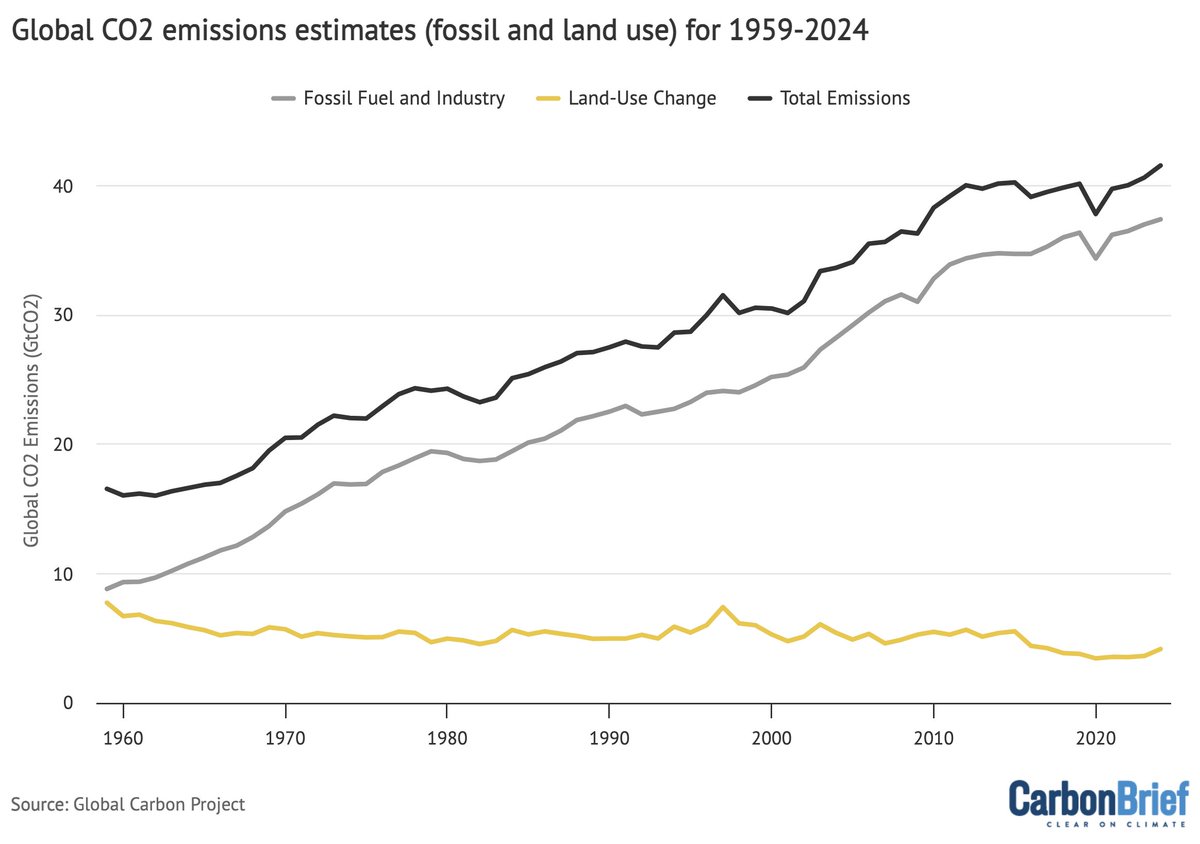

![Peters_Glen's tweet photo. 📢Global Carbon Budget 2024📢
Despite some predicting a peak in global fossil CO2 emissions, we estimate growth of 0.8% [-0.3% to 1.9%] in 2024. Maybe a peak next year?
Is it all bad news, or can we find some good news?
1/ https://t.co/Tb7qWfQ60Z](https://pbs.twimg.com/media/GcP1fChXAAA8jDc.jpg)

![gcarbonproject's tweet photo. RECCAP-Oceans [2/10]
Hauck et al. found that the Southern Ocean takes up 50% less CO₂ than reported in RECCAP1
Yet, most global CO₂ uptake occurs there, calling for a better understanding of trends, seasonality, & interior transport of anthropog. CO₂
https://t.co/SUlzcwNgue https://t.co/pSx6dTIxXD](https://pbs.twimg.com/media/GbqS4ZKbAAAelfv.jpg)
![gcarbonproject's tweet photo. RECCAP2-Ocean [1/10]
DeVries et al. assessed the Global Ocean Carbon Sink and found that models and fCO2 products agree on the long-term mean uptake of CO2. However, trends in the CO2 uptake over the past two decades differ by almost a factor of 2.
https://t.co/rrDIJtCP0s https://t.co/3d1dNelpl8](https://pbs.twimg.com/media/GbQCHkcakAMTCCR.jpg)