"The Paul Andrew Spudich Travel #Grant is more than just financial support,” says Ilma del Carmen Juarez-Garfias," one of our 2024 grant recipients. “It represents a commitment to promoting the next generation of #seismologists.” We couldn't agree more! https://t.co/5ziLrTiDtJ
Static and Dynamic Strain in the 1886 Charleston, South Carolina, Earthquake #BSSA
The 1886 M 7.3 earthquake that struck Charleston exposed 3 railroads to severe shaking. Rail disturbances (buckling and tearing) resulted from dynamic strain changes.
https://t.co/LI6mDbC2tq
A new #BSSA paper led by @solvithrastar of @ETH_ERDW @SWP_ETHZurich presents REVEAL, a global-scale, transversely isotropic full-waveform inversion model that assimilates more than 6 million waveforms.
https://t.co/XNmKothXIO
Want a Bayesian inversion framework?
Try this new variational inversion package (VIP) by Zhang & Curtis, with three variational methods and the ability to solve various problems, ranging from simple examples to complex, large-scale scenarios.
read more: https://t.co/dD88hPtoKL
The scale of the implications of the geophysical and geological work done around this time is thrilling! Plate tectonic theory seemed nuts... but it turned out to be one of the great scientific paradigm shifts of the 20th century 📈
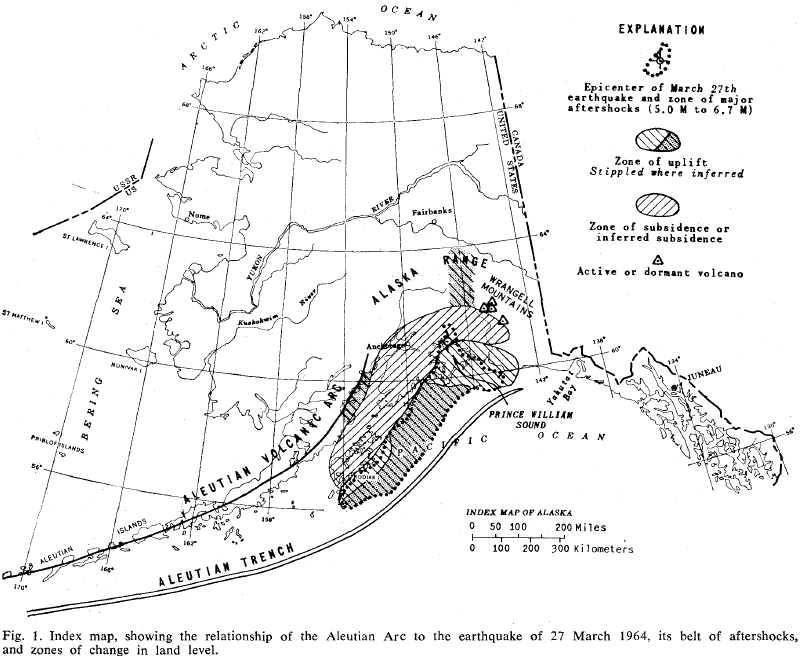
It's been 60 Easters since Alaska's M9.2 Good Friday earthquake in 1964, a time when plate tectonics was a rapidly developing theory. Field work carried out by George Plafker et al. contextualised this earthquake and was key evidence for the existence of subduction zones 🌋
There were no GPS stations in 1964, but Plafker et al. scoured the coastlines, finding barnacles uplifted out of the water - they mapped up to 9m of uplift and over 2m of subsidence, proposing that underthrusting of the Pacific plate caused the earthquake🦪
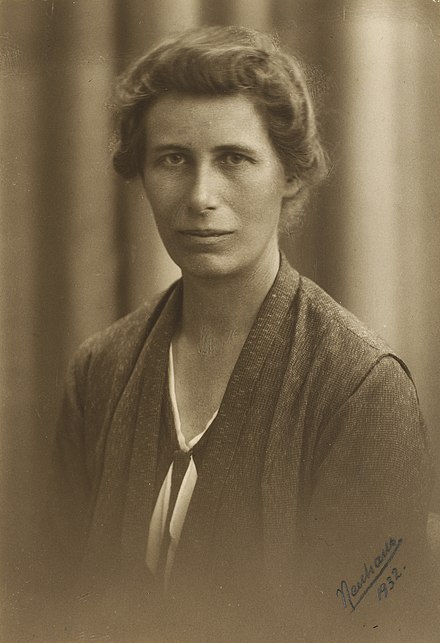
Lehmann had the insight to realise Denmark was in a position to study seismic waves travelling through the core from earthquakes like the 1929 Murchison event, and others in countries like Japan. Using these observations - she discovered the inner core. A truly remarkable story!
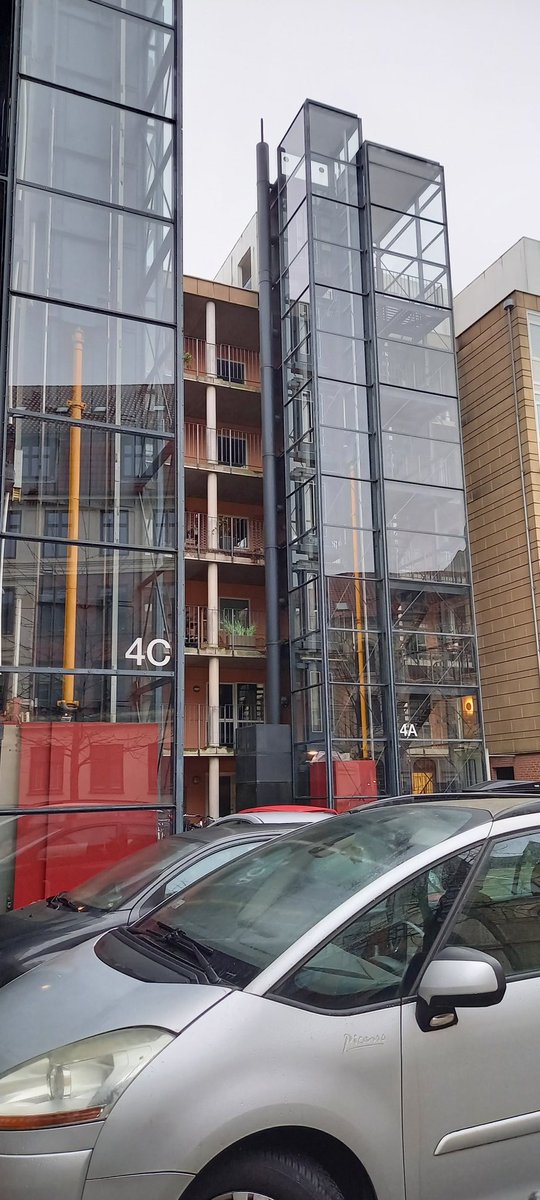
Last November, I was in Murchison, NZ - site of the M7.3 1929 Murchison earthquake picked up on the other side of the world by seismologist Inge Lehmann 🇩🇰. I travelled to the other end of this ray path to the old seismological institute, finding it had been knocked down in 1992.
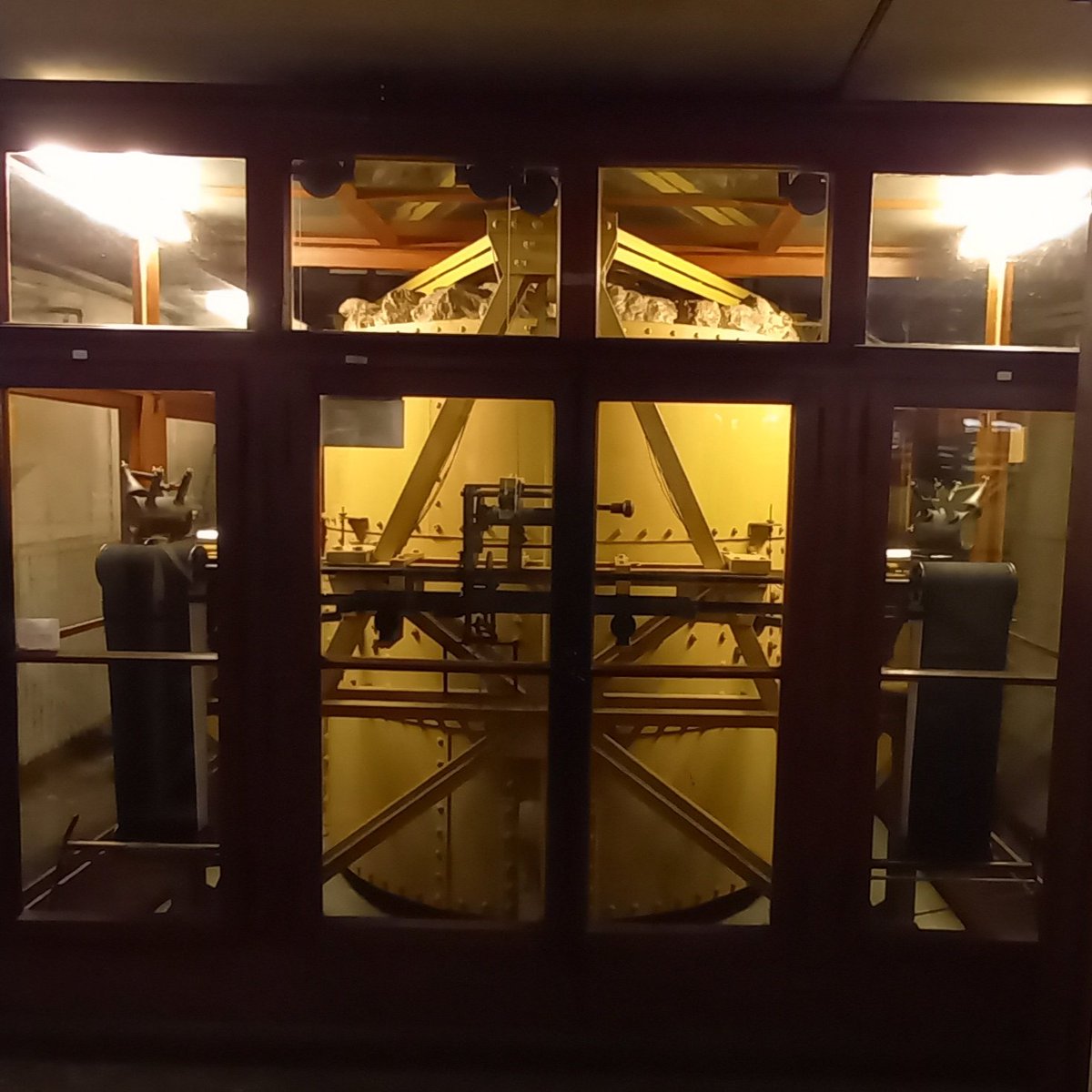
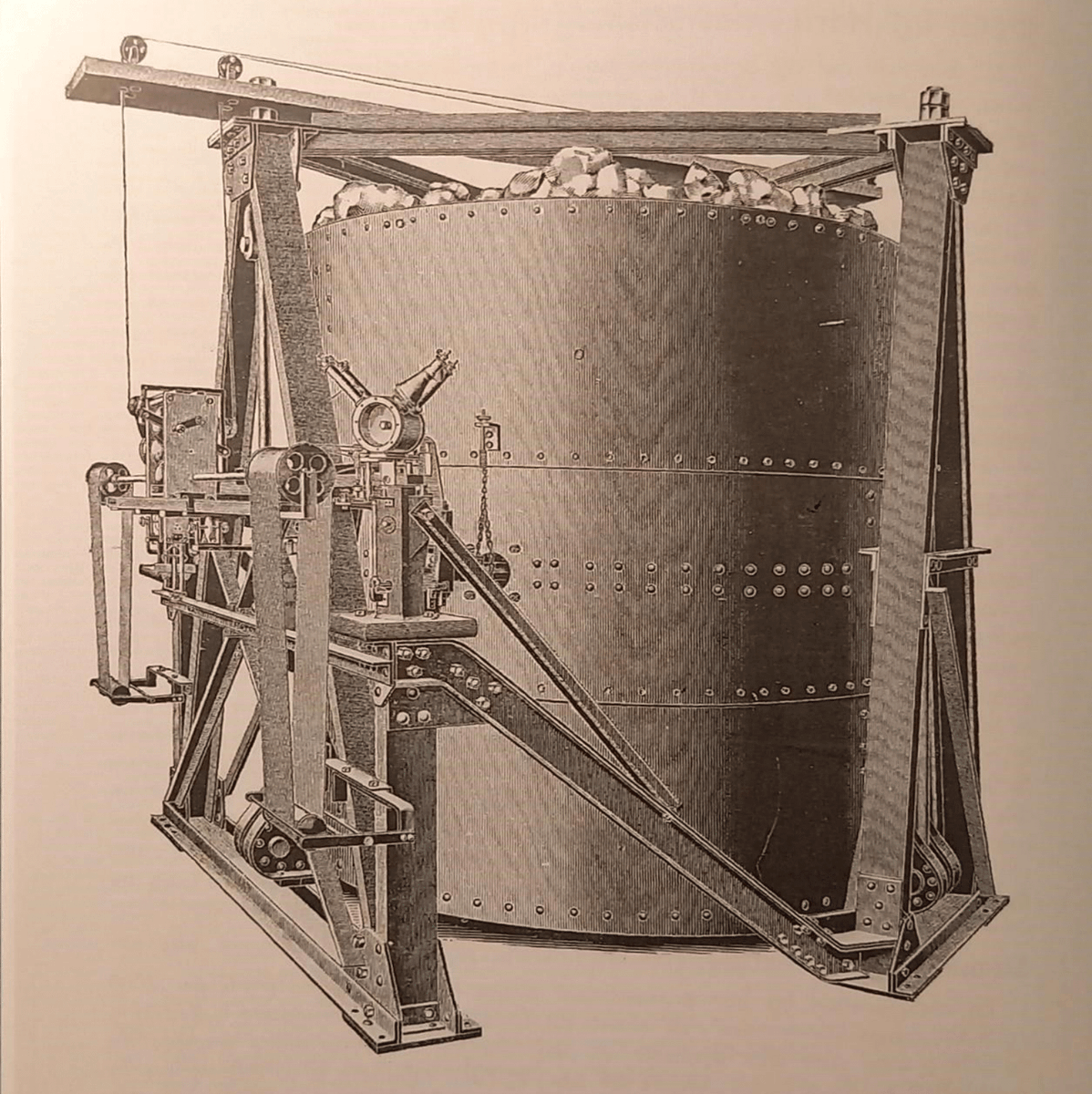
For 120 years, a sensitive giant in the forests of Göttingen has been listening. This 17 tonne Wiechert seismograph resides in the historic seismological observatory in Göttingen, Germany. It heard the 1906 San Francisco earthquake and is still in operation!
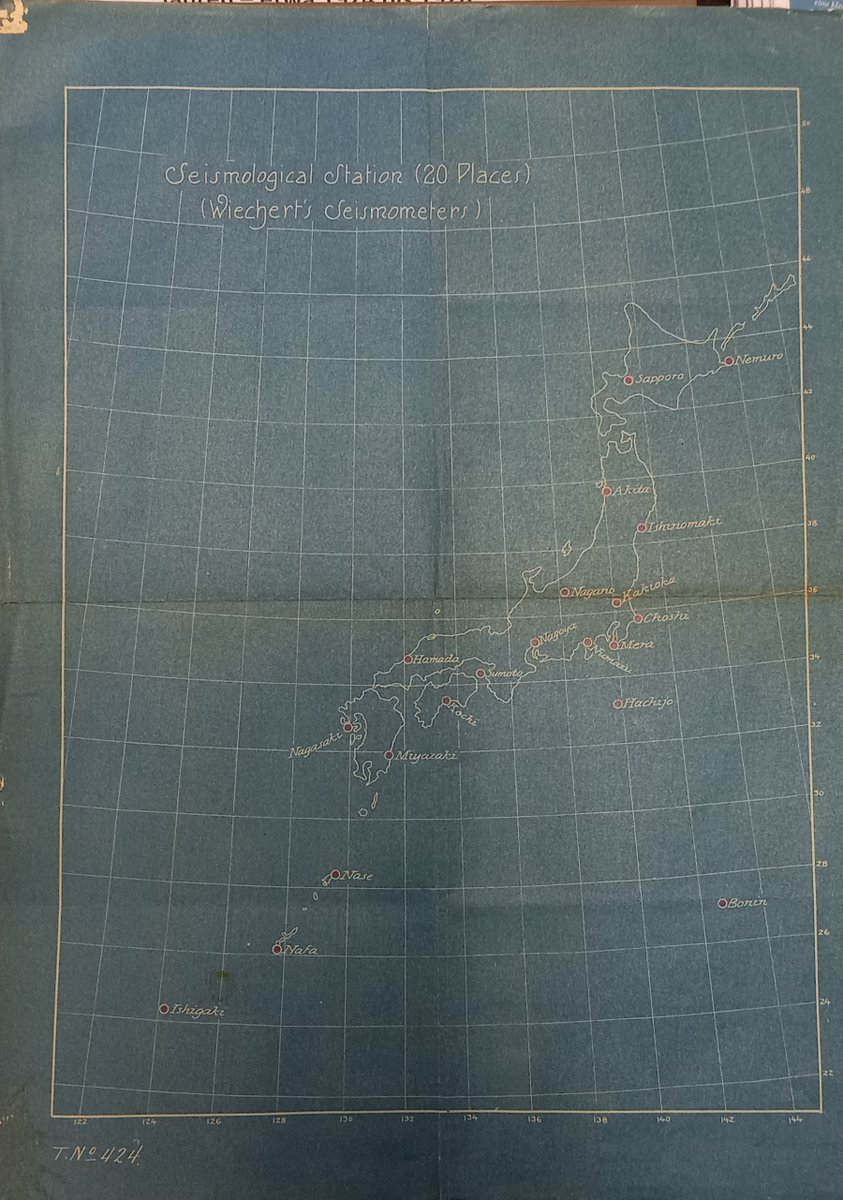
20 of these Big Friendly Giants were sent to Japan from 1926, to replace the seismographs installed in the late 1800s by scientists such as C.G. Knott, J.A. Ewing, J. Milne and F. Omori across the Japanese Empire. Many are still there, but fell out of use in the 1960s.
Bang foot -> Record seismic signal -> Repeat many times -> Limp away from successful and rewarding day of seismology science communication! Thanks for organising @ourdynamicearth
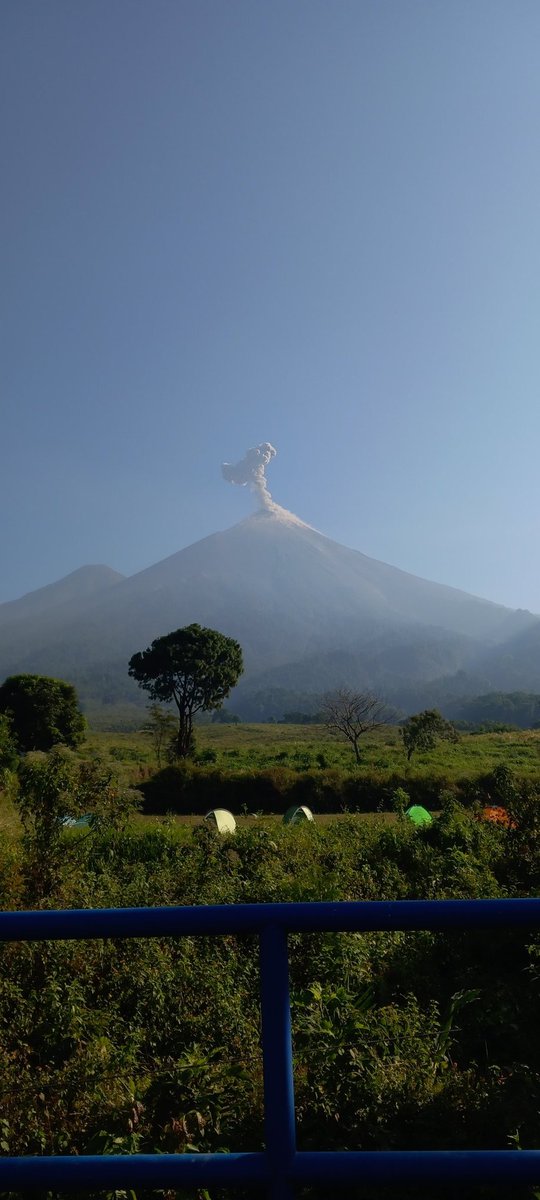
In my recent trip to Guatemala I learnt so much about volcanic hazards and the complexity of risk management in populated volcanic areas🌋🗺🌐. If you want to find out more about it, here's my story 😊: https://t.co/Td0QYITOOE
¡Estamos en Cities on Volcanoes @COVolcanoes12 en Antigua de Guatemala, con unos anfitriones excepcionales: los volcanes de Agua, Fuego y Acatenango!
Ayer presenté el trabajo que estoy haciendo en mi PhD sobre la reología de los flujos piroclásticos en @GeosciencesEd 🤗
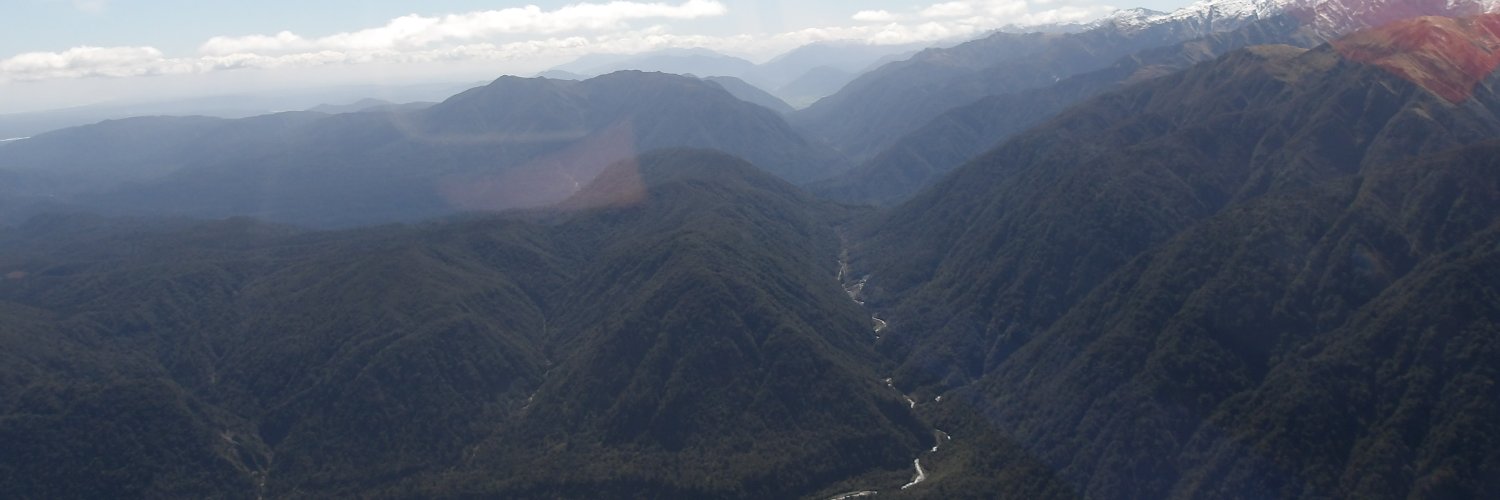
I extend all my gratitude towards the epic SALSA team at @VicUniWgtn for this invaluable opportunity 🇳🇿💚 I learnt so much from the vast wealth of field experience of the geophysics crew - I'm looking forward to our future work together!
The seismic array SALSA 🇳🇿, that will be used for tomography during my PhD with @e3dtp at @GeosciencesEd, is all packed up and ready to go 🌏 What an awesome experience that was! 🤩 The action-packed second part of my blog is out now 🚁: https://t.co/qNm2jkHoRK