@Uber I lost my keys in Barcelona and my driver found them according to app, but won’t pick up the phone. It rings but no one picks up. It’s been almost 48 hours and would be happy to compensate him for his time to return them. How can I talk to him?
@DinaPomeranz@t_holden@_alice_evans Agree with this BUT a lot of this leisure time is mandated by policy rather than chosen individually. Maybe that reflects local policy preferences but maybe there’s a portion of pop’n that would like to work more if schools had fewer closures, shops were open on Sundays, etc
📢Deadline is approaching (Feb 28th), just 2 days left to submit your best paper to the @bse_barcelona 𝗦𝘂𝗺𝗺𝗲𝗿 𝗙𝗼𝗿𝘂𝗺 𝘄𝗼𝗿𝗸𝘀𝗵𝗼𝗽 𝗶𝗻 𝗣𝘂𝗯𝗹𝗶𝗰 𝗘𝗰𝗼𝗻𝗼𝗺𝗶𝗰𝘀. Don't miss this great opportunity! 𝙎𝒑𝙧𝒆𝙖𝒅 𝒕𝙝𝒆 𝒘𝙤𝒓𝙙! #BSESummerForum#CallForPapers👇
Building 👏 more 👏 housing 👏 reduces 👏 housing 👏 prices 👏
Even when the new housing is more expensive, it lowers the cost of the pre-existing housing, as richer people move out of older housing into the new ones.
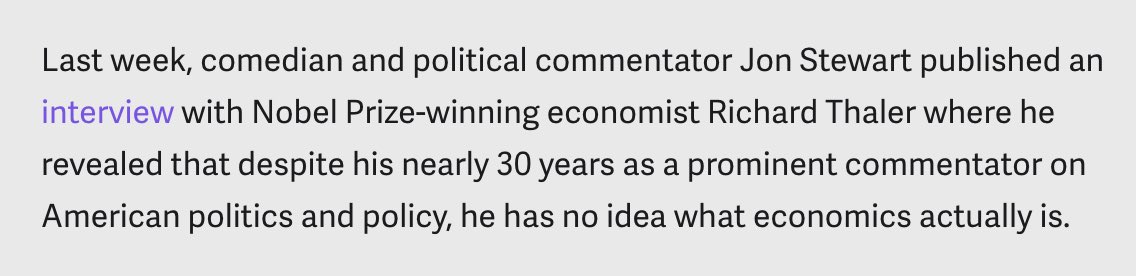
Listened through this bc @R_Thaler reposted it last week — felt much like discussing Econ with my in-laws, except he’s wayyyy more patient that I am. And I usually really enjoy Jon Stewart!!!
Now out in @JPubEcon!
-Unrealized gains are 40% of “economic income” for top 1% (29% adjusted for inflation), so most econ income is taxed
-Borrowing is just 1-2% of econ income for them
-Super rich “buy, save, die," not “buy, borrow, die” - they don't need to borrow to consume
1/
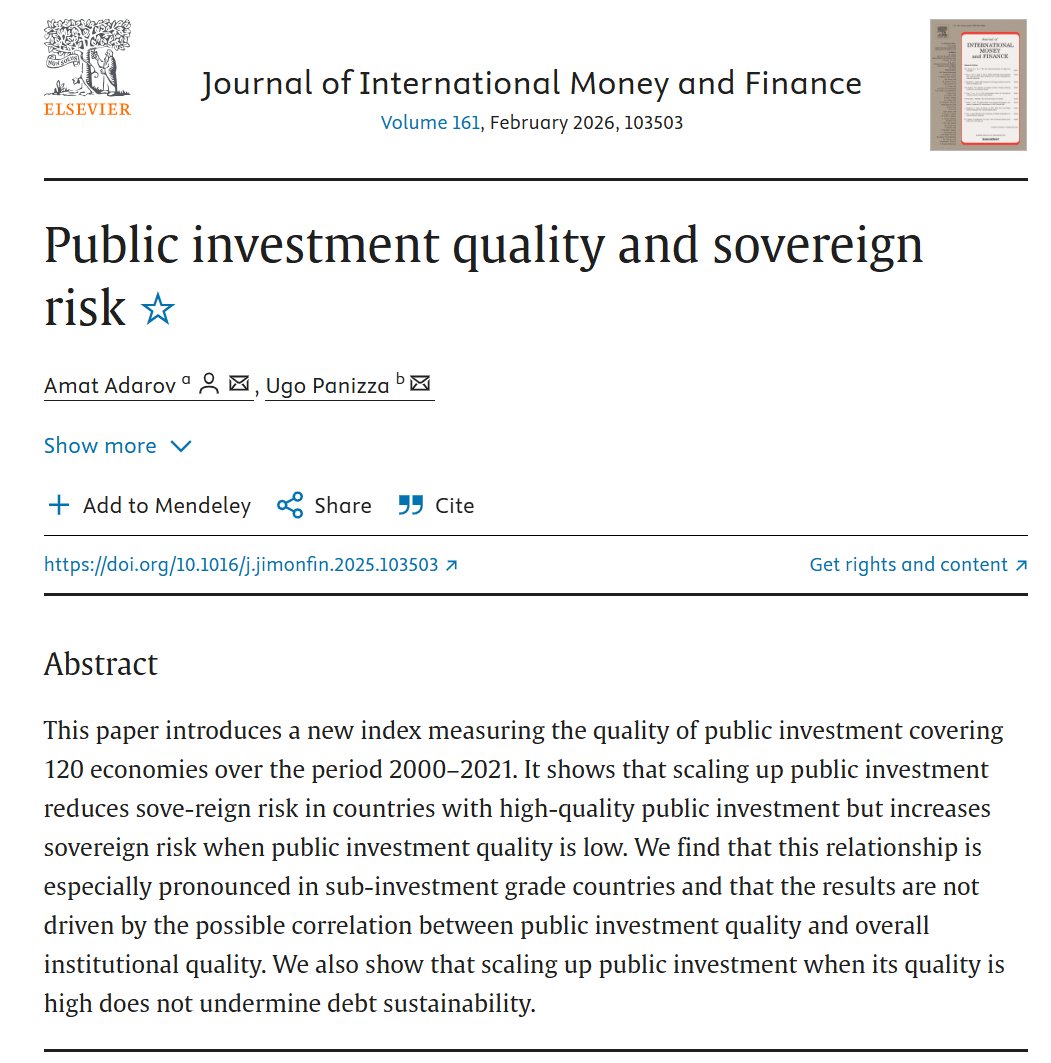
We often hear that emerging & developing economies “need to invest more but can’t afford it.”
That’s puzzling. If investment returns exceed borrowing costs, scaling up investment should improve fiscal sustainability—not worsen it.
Finally, my favourite UK VAT rule is back for Christmas.
Gregg's sausage rolls are 0% VAT, they just happen to come out of the oven at noon, in normal packaging, not hot food
Those chicken are hot food, because there is a packaging that says "caution: hot"
Academia has drifted into “pre-compliance bureaucracy”: every small action requires layers of admins to certify that faculty understand policy. It delays decisions by months and adds huge costs without improving outcomes. An abundance agenda for universities starts with cutting these layers and trusting faculty. Punish real violations, not imagined ones. Would probably save a lot of money in face the permanent revenue shocks.
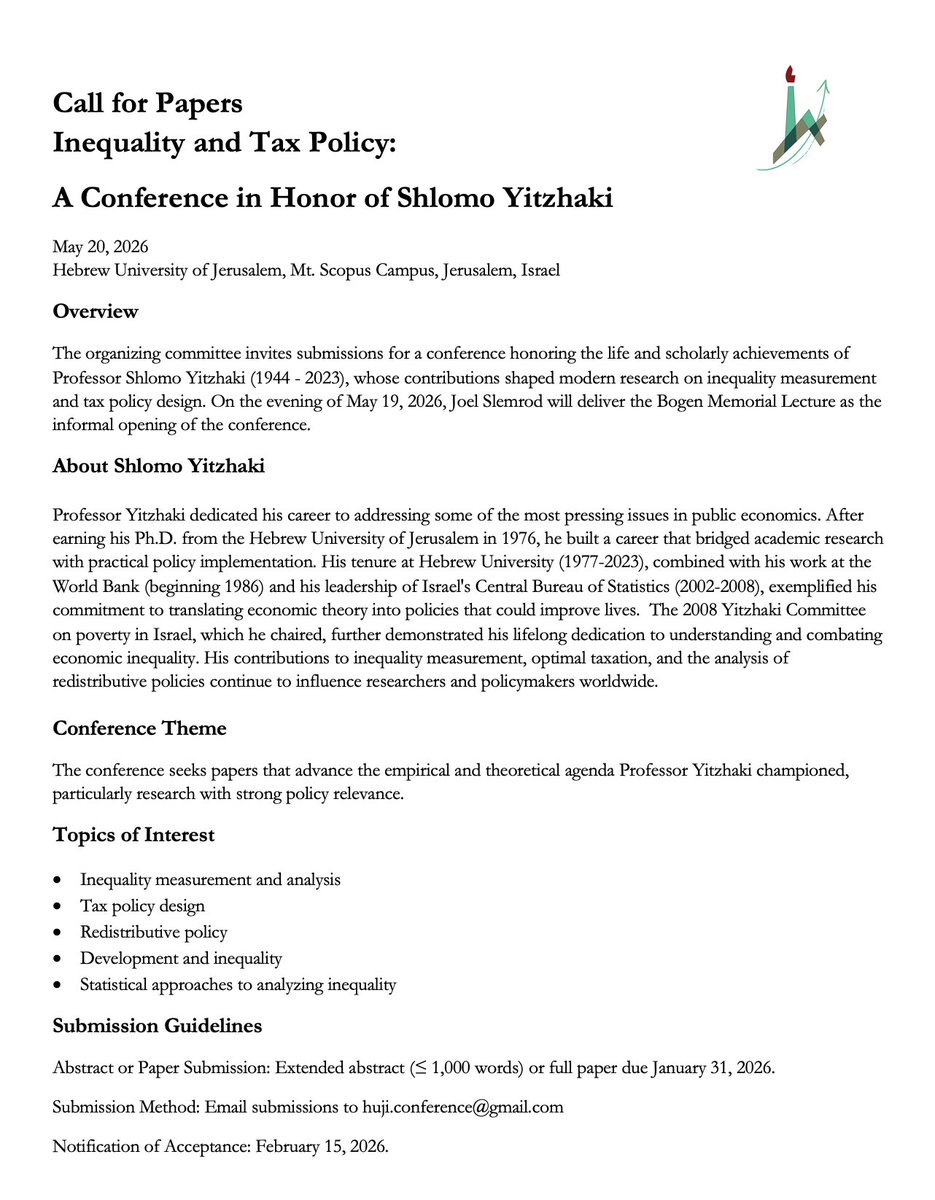
Call for Papers--Inequality and Tax Policy: A Conference in Honor of Shlomo Yitzhaki to be held at Hebrew University of Jerusalem on May 20, 2026.
Scientific committee: Naomi Feldman (HUJI), Wojciech Kopczuk (Columbia University) and Joel Slemrod (University of Michigan)
@nominalthoughts I find it hard to justify pursuing animal welfare if it comes at the expense of human welfare — what am I getting wrong? Different matter if people care about animals — then I’m trading off human welfare with human welfare, but different story