Ending a career you’ve trained for since childhood is brutal.
In 2021, I left pro tennis. I had moved 4,000 miles away from home at age 13 to train in Europe, sharing an 8-bed room in an attic with other tennis-crazed teens and very little adult supervision.
I reached somewhere in the top 0.01% of tennis players globally, and was able to travel the world and see some awesome places before I even became an adult.
But it became clear after several years in tour that I didn't have the talent nor the physical stature to make a decent living from it, and I had run out of funding and sponsors to continue.
When I stopped, I felt incredibly lost and even depressed for at least a year. The structure of 6 AM daily wake-ups and hours of training vanished.
I had no stage to play on, and had to completely reinvent myself.
Building Cancha became my lifeline. It allowed me to grow as a person and dive into business, entrepreneurship, and product design.
I don’t know you personally, @MatthewGattozzi, but I feel this.
You’ve done an incredible pivot, and I have the deepest respect for people who manage to reinvent themselves like this.
Two days ago, I celebrated 8 years being sober.
When I lost my dance career - I was lost.
So much of my identity was wrapped up in what I did.
I healed.
Then started to rebuild myself.
Over the years, I have become the person I want to be.
A son
A brother
A husband
A father
A friend
and more
My identity is not work or business.
I am passionate and love what I do.
Who I am and how I show up every day is to not prove to others like it was before during my dance career.
I am grateful for the life I live.
It is nice to pause and think about this day in my life 8 years ago.
Thank you for the support and love to my friends and family.
I appreciate you more than you can imagine.
When an idea strikes while traveling, I have to pour it all out on the first piece of paper I can find.
It’s all short hand writing that no one else can understand - heck I can’t event understand it if I wait too long to decipher it or type it up into obsidian.
As digitally native as I try to be these days, there is something about working things out through writing. It lets you think through early-stage thoughts and problems before they crystallize into ideas.
Founders: Check your admin permissions right now. Don't make my mistake. And start diversifying your marketing channels.
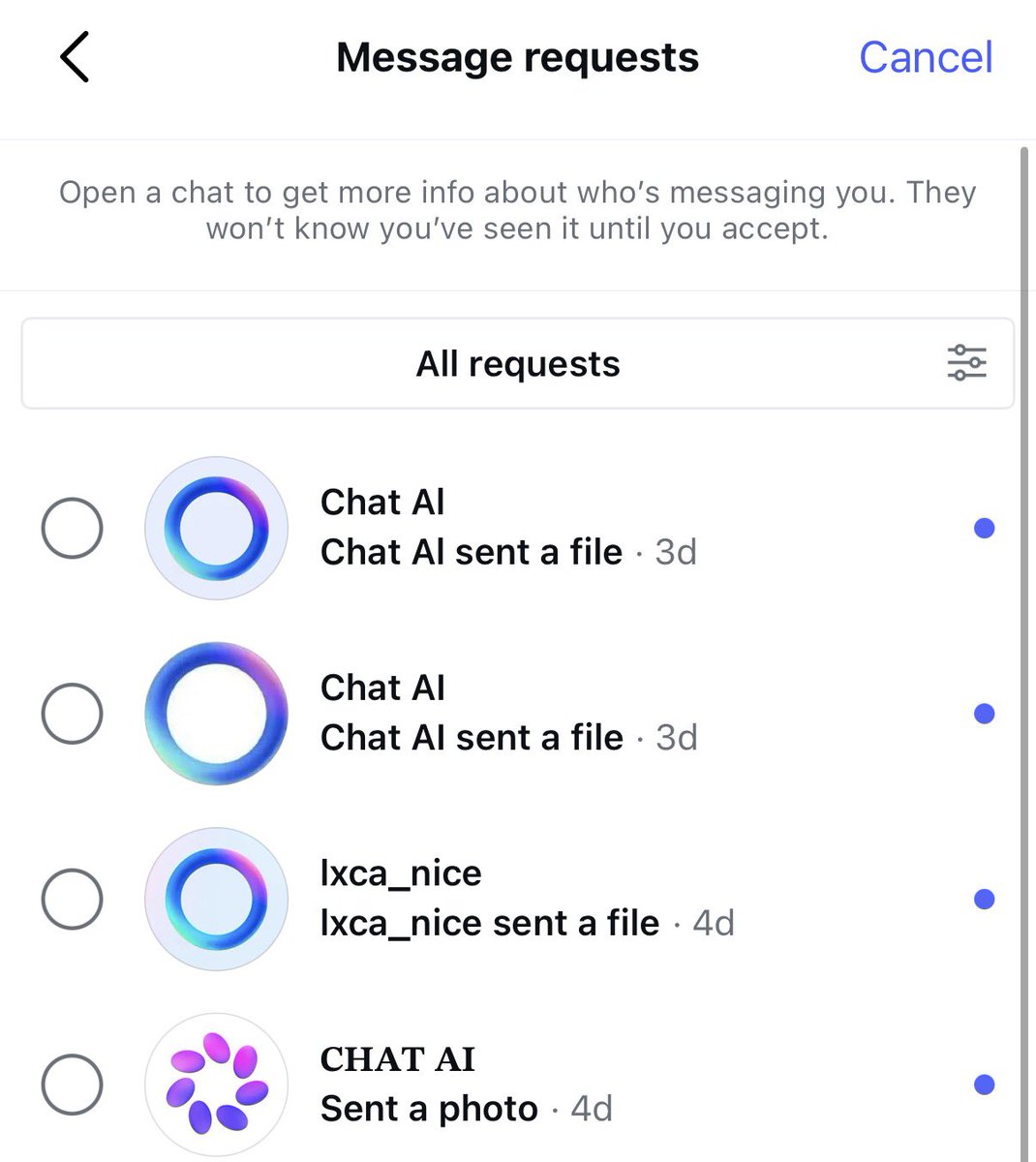
If anyone knows a human at Meta who thinks they can help, my DMs are open.
Meta locked me out of my business, threw away the key, and is still charging my credit card every single day.
A 6-week nightmare with @Meta that highlights exactly why founders cannot trust Big Tech. 🧵👇
Cancha will survive this because we build great products and have strong word-of-mouth.
But no business should be a click away from destruction just because a trillion-dollar company’s algorithm misfired and they couldn’t care less about you.
@MehtabKarta is so right here, but I think it highlights an even more important point when considering starting a consumer brand.
Don’t start something you don’t enjoy doing.
Yes, all of those factors have a foundational impact on a business’ ability to grow profitably and long term defensibility. But pursuing it solely for financial reasons is a one-way ticket down a path you didn’t choose.
It just shows that consumer is brutal. And if you don’t really enjoy some aspect of it, you’re going to struggle when things get tough (and they will). It’s just too difficult not to love it.
Finance is so important, but if you’re in it for the economics alone, start a different type of business.
Here are non-negotiables if I was starting a new & brand with the goal of producing defensible long-term cashflows.
1. Ability to create a defensive moat around IP.
IP is basically a one off expensive that permanently improves margins if you're able to innovate in a way the customer cares about.
The best companies we have looked at all have this. Much easier said than done of course.
Sometimes we'll see something without this moat do well, but they almost always have their margins crushed by new entrants over time. Supps are a good example of a category that is very susceptible to this. Very hot potato to own/invest in.
2. Massive TAM.
You need a huge TAM to get to bigboi rev + due to the way modern ad algorithms work, it's actually easier and less expensive to acquire customers.
3. Able to sell across multiple channels.
We have owned and still own businesses that would either very low margin, or out of business if we were unable to scale into different channels.
For example, we had one co that was ~90%+ Amazon in 2018, now it's 90%+ wholesale. It would be very dead if Amazon only...
It introduces additional complexity yes, but in 2026 that complexity is very easy to handle because of how good ERPs are. You aren't stitching together a ton of different solutions like you used to have to...
A lot of people on here say stuff like "Bro don't worry bro just focus on meta bro". Easy to say until it's 2021 and you happen to be an ape selling $30 products -> vaporized by iOS update, etc. You never know where you'll find scale...
4. Good category tailwinds.
It's simply much easier to grow when your category is growing. I feel like a lot of people ignore this without thinking it through fully. Do the math!
5. Repeat purchase economics. Makes things much easier. Sometimes. Depends on the category but if you have #1 + #5, you will print $$$ most of the time.
This is what no one wants to mention about starting your own consumer brand:
**Logistics: you’re shipping here, there, and everywhere, and things almost always go wrong along the way.
A ship that offloads your container right before departing because it’s too full, rates that suddenly skyrocket, tariffs, and customs which decides to take more than a month to do a ‘random inspection’ (🤯)
You have to prepare for the unexpected, and not let it rattle you when it does.
**Inventory: you always either have too much or too little, never the perfect amount. Either you’ve got products you can’t keep in stock or you can’t move them fast enough and it’s killing your cashflow.
You have to analyze your stock position constantly and keep reforecasting, but predicting a sudden boom on TikTok Shop or a random celebrity mention that goes viral is anyone’s guess. The only real answer is staying flexible.
**Finance: financing a young growing physical products business is brutal. We’re up 100% year over year, and that means double the stock requirements.
Sales from last quarter need to finance double the inventory for next quarter. That only happens through profitable acquisition and a constant battle for financing that won’t break your unit economics.
**First order profitability is everything. It’s only when you realize you were losing $1.20 on average per new customer that you understand why you were tens of thousands in the red at year end.
Every unprofitable sale is another step in the wrong direction. Growth matters, but no one is bailing out unprofitable brands anymore.
You only have to look at Allbirds, from a $4b valuation to a sale at a 99% reduction of that, to see how quickly the smoke clears.
I’m not writing this as someone who has it figured out. The economics of consumer brands, especially hard goods like Cancha, are extremely difficult to make work.
Six years in, countless mistakes, and I’m still learning.
I write this because while I’m proud of where Cancha is and where we’re going, I’m also transparent about how hard building something like this really is.
There are no cheat codes, no tried and tested formulas, and I don’t pretend to have the answers. We’re battling through these problems every single day.
What matters is your perspective, humility in your decisions and, most of all, no regrets about how you got here.
Can someone explain why @Shopify still doesn't allow selling plans (pre-order, subscriptions, etc) with bundles?
Shopify Bundles app was launched over 3 years ago, there are a 1000+ other bundle apps out there, pretty much every store out there is offering some kind of bundle - wouldn't this be a complete no-brainer?