If you diagnose a nodal T-cell lymphoma with these features:
-Morphology is blastoid
-No monotypic pattern of TRBC1 by flow cytometry analysis
-No TCR gene rearrangement by PCR
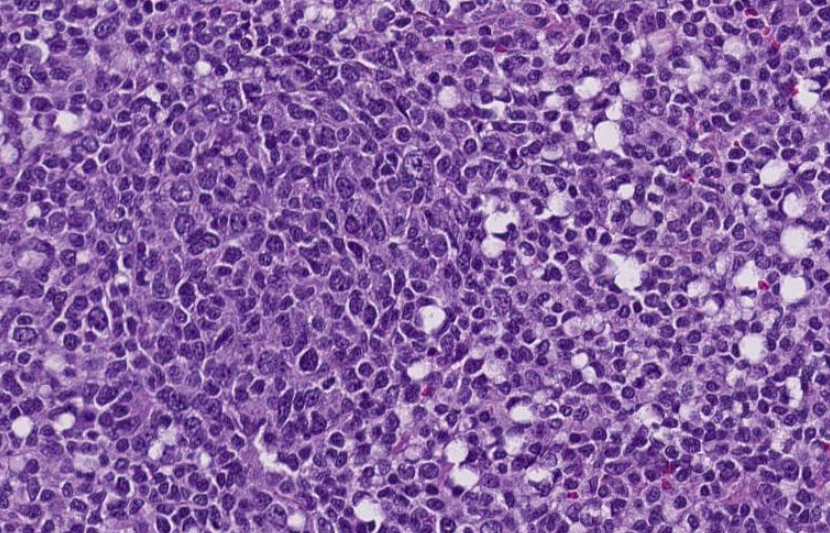
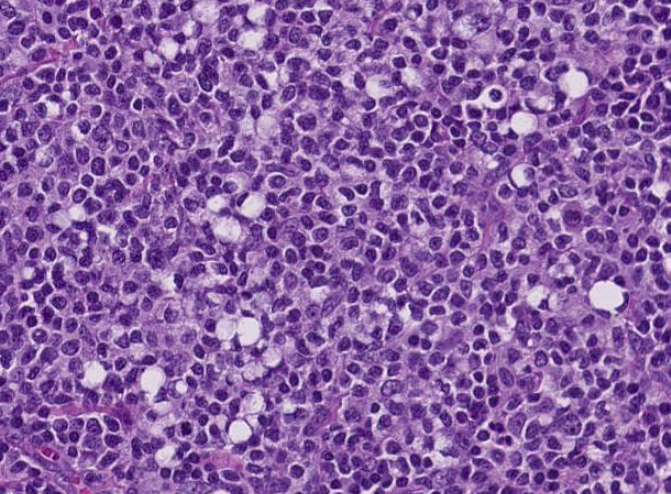
Add a marker of cell immaturity like TDT, CD34, CD117 etc, even if the clinical features are not screaming T-ALL, not to miss a myeloid/lymphoid neoplasm with eosinophilia and tyrosine kinase gene fusions.
This group of diseases is rare and driven by rearrangements of PDGFRA, PDGFRB, FGFR1, JAK2, FLT3, and ETV6::ABL1 fusion.
Although eosinophilia seems to be always present, some cases may lack it, which can create a great diagnostic pitfall.
The clinicopathological features of this group of diseases are quite heterogeneous, presenting as chronic eosinophilic leukemia NOS, MDS/MPN, MDS, MPN, systemic mastocytosis, T-ALL, B-ALL, AML, blastic phase of MPN, or MPAL.
Extramedullary involvement at diagnosis or during progression is common.
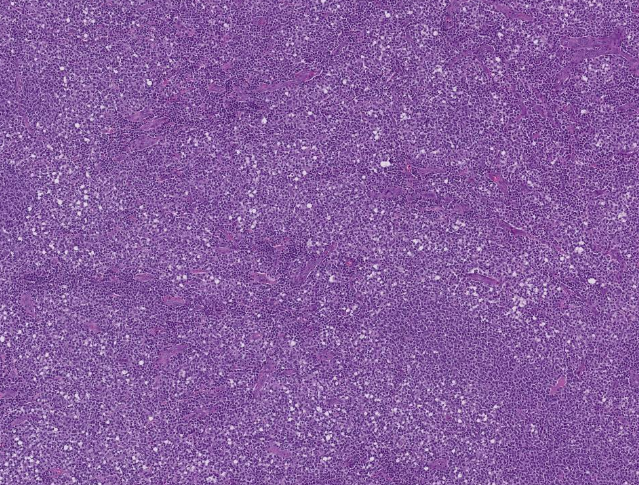
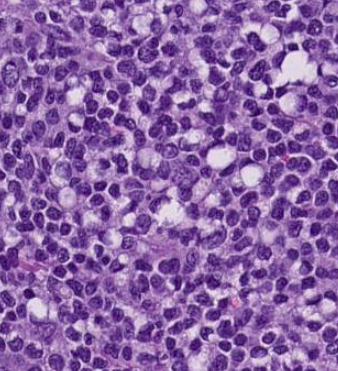
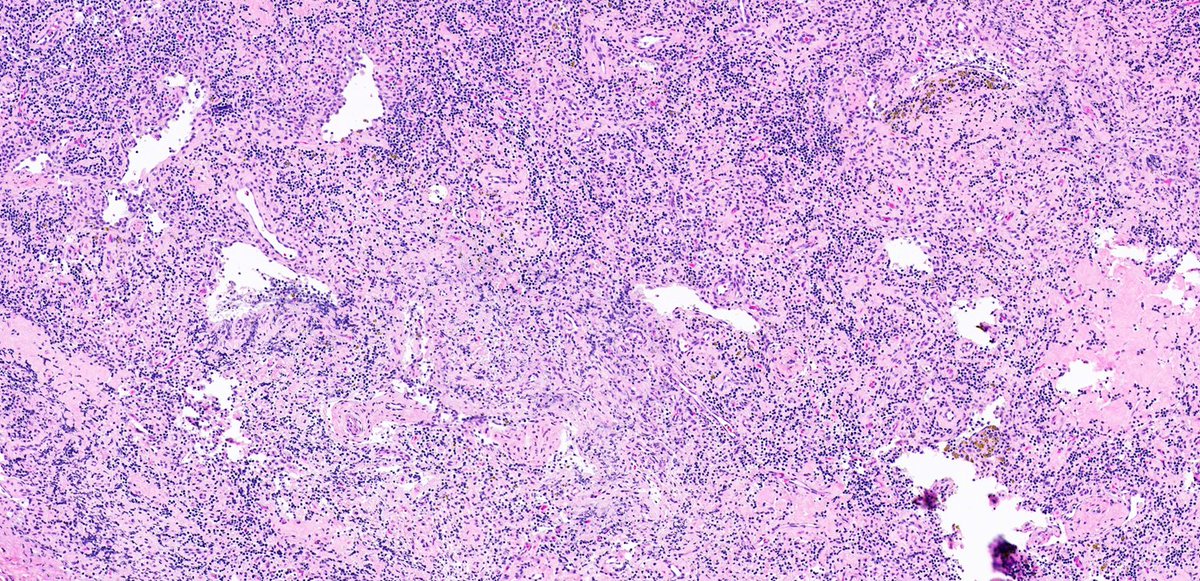
Below pictures of a case of myeloid/lymphoid neoplasm with ETV6::FLT3 fusion with nodal involvement at presentation and no associated eosinophilia, are from
➡️https://t.co/5bWrYl6unb
#Hemepath #PathX #Pathtwitter #Leusm #lymsm
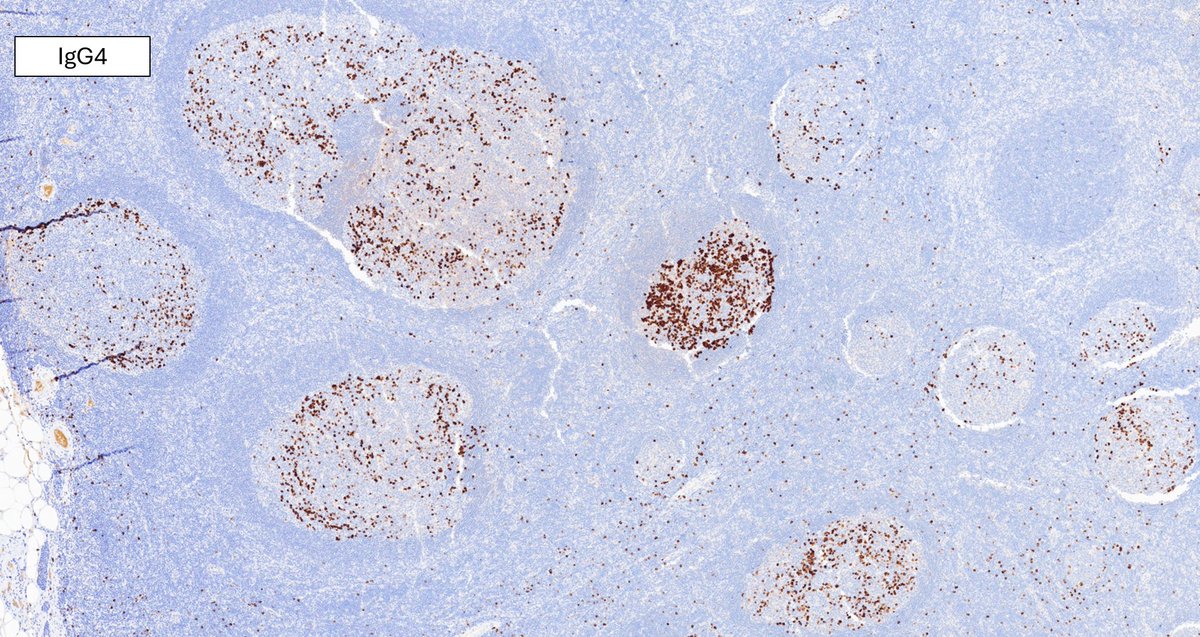
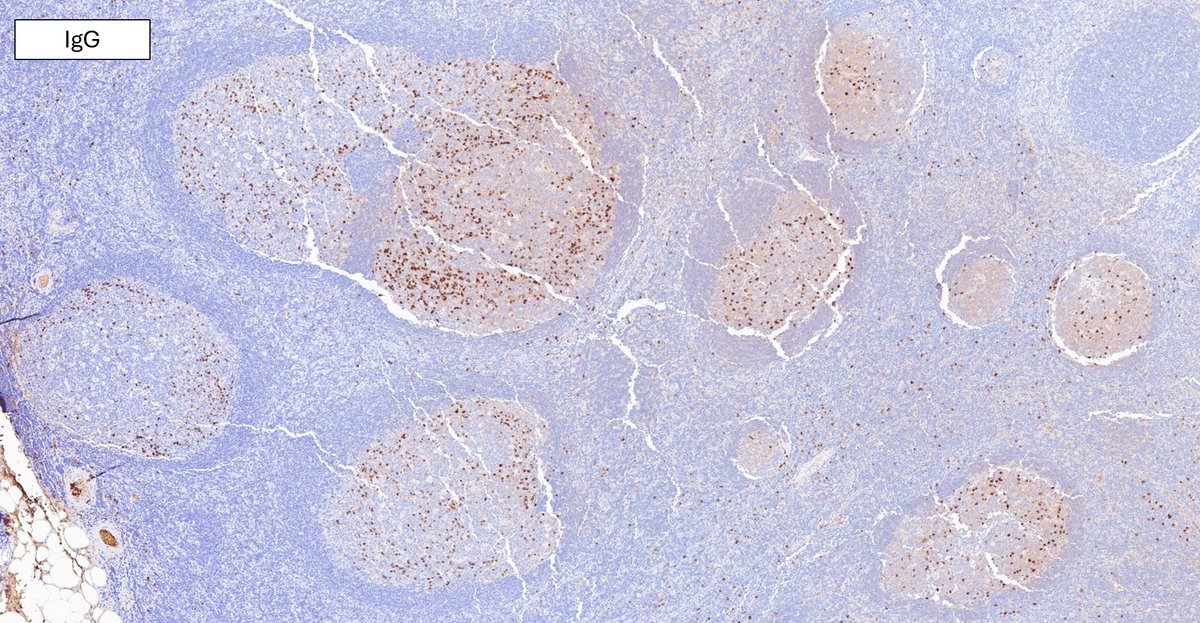
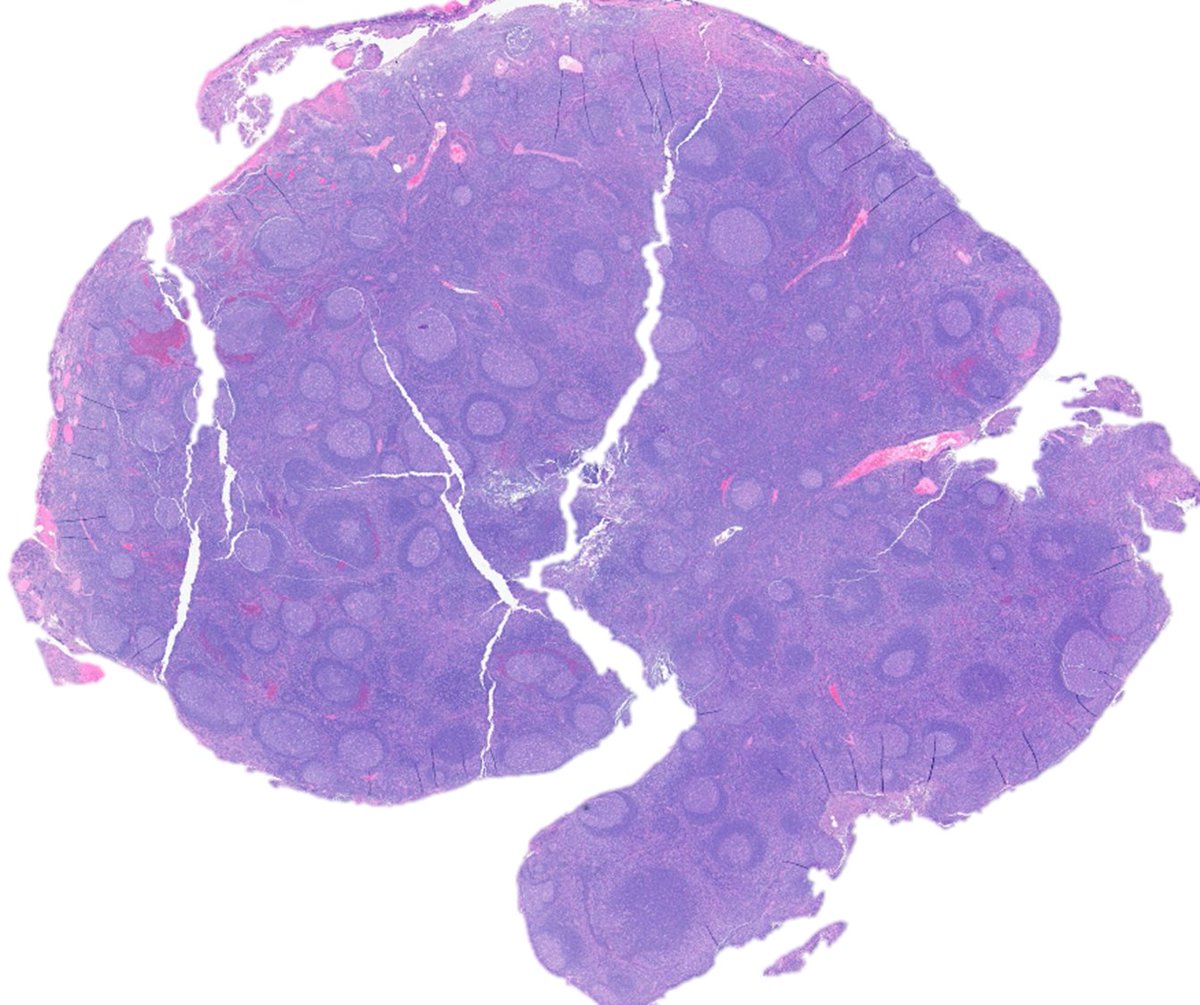
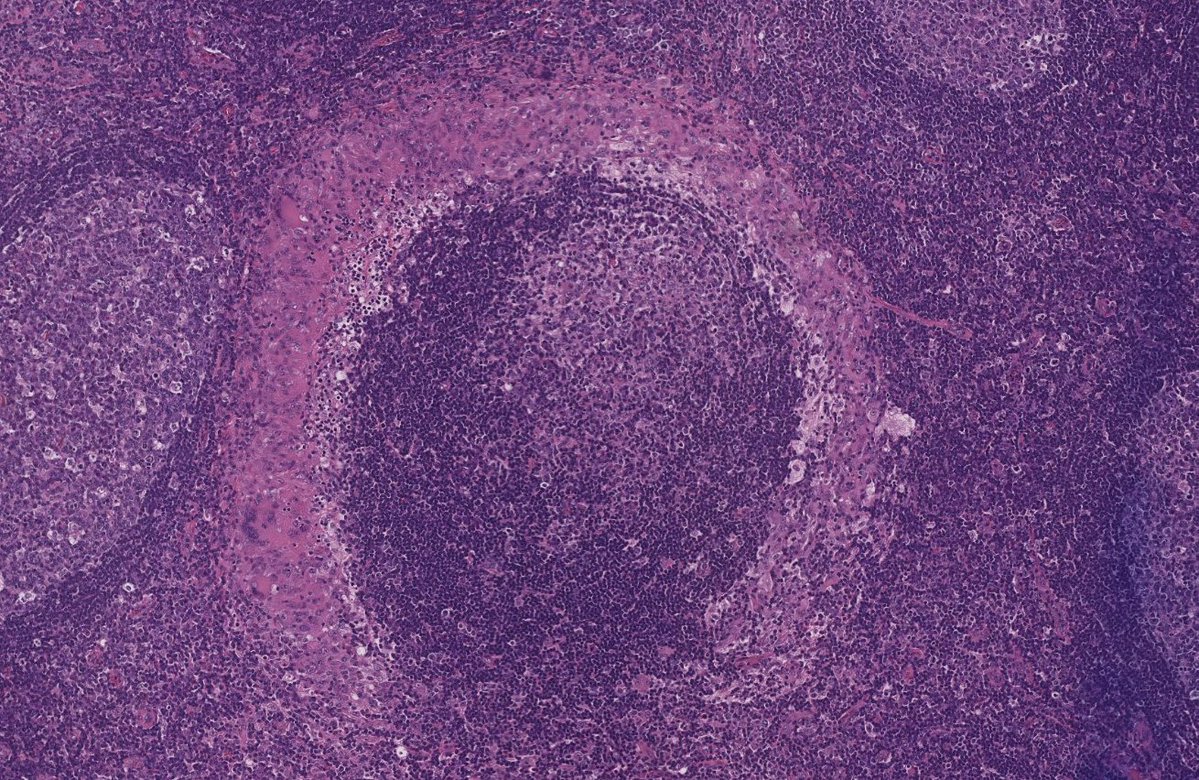
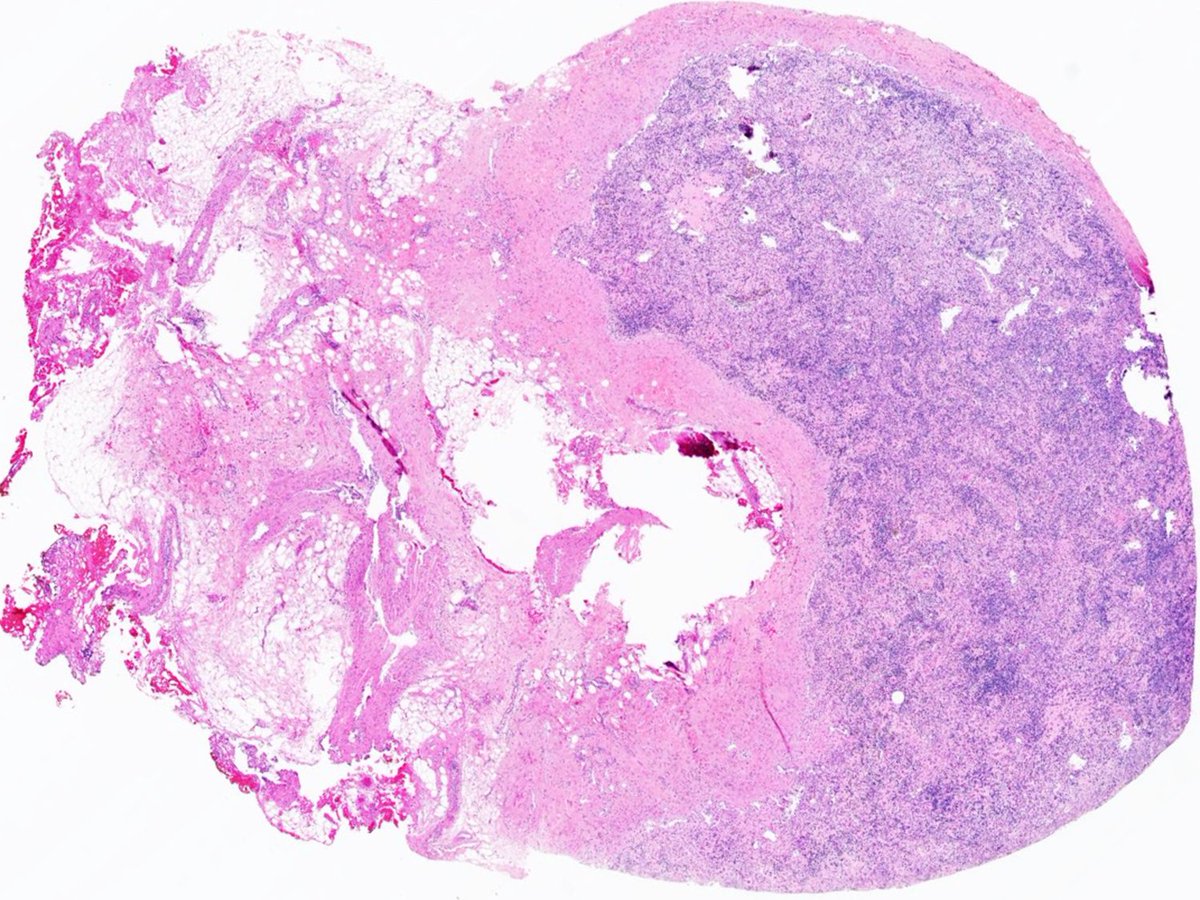
Perifollicular ring-like granuloma is a nonspecific morphologic feature that should prompt consideration of IgG4-related disease, particularly in lymph nodes with plasmacytosis #Hemepath#Surgpath#PathX#PathTwitter#MedEd#SoMe
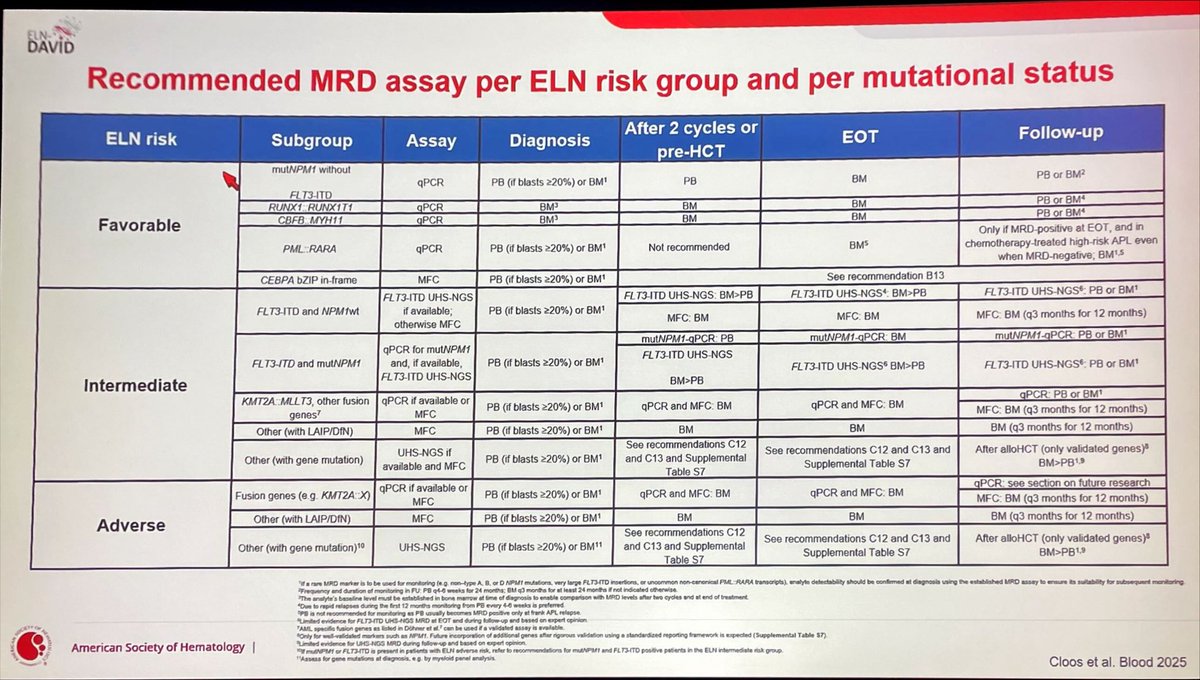
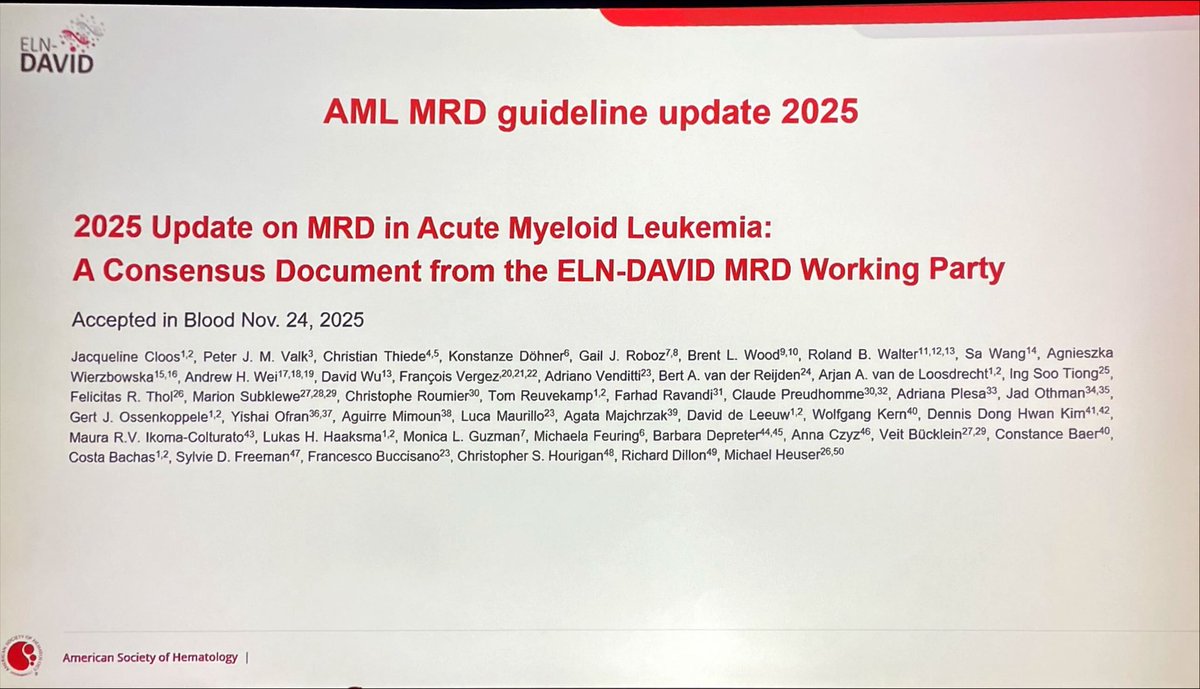
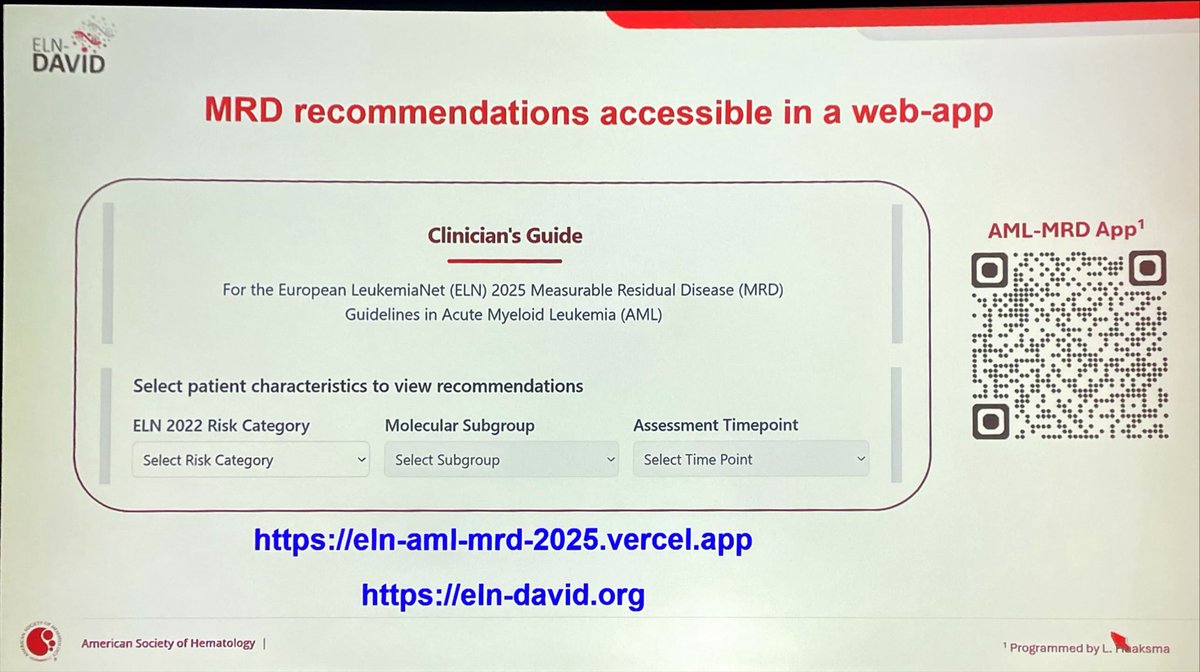
🚨 This is it people … you heard it first at #ASH25 🚨
ELN #MRD 205 guidelines are in press in @BloodPortfolio
Bad news: It’s more complicated than before… 🤯
Good news: there’s an app for it 😉
https://t.co/S0p6gDIQmk
Daratumumab is the standard of care for high risk smoldering myeloma, and should be considered as Option 1 (if available) after discussing pros and cons. It’s limited duration therapy that is approved by the FDA and in Europe.
Observation alone is fraught with risk even in the best of centers. Patients find it hard to get appointments to see doctors and specialists and get the right monitoring done to prevent end organ damage. So while that option is OK for certain patients, if that option is chosen please watch closely like the control arm of AQUILA (easier said than done) and as with dara, do so after discussing pros and cons.
In my experience after doing many chart reviews and reviewing lots of lots of patient records, many physicians are super confident of being able to watch closely and prevent serious end organ damage but the reality is different.
🚨 Theories That Turned Into Reality: The Universe Isn’t What We Thought 🚨
Some ideas in physics sound so crazy at first that no one believes them… until the universe itself proves them true. That’s the part that gives you chills. Antimatter was once just a strange equation on paper in 1928 — four years later, scientists actually found it. Gravitational waves were described in 1916, and the first math hinting at black holes appeared the same year… yet it took decades before we finally confirmed they were real. And the Higgs Boson? It lived only in theory from 1964 until scientists finally discovered it almost 50 years later.
Think about that for a second.
These weren’t guesses. They were ideas so bold they felt impossible — until the universe quietly revealed, one by one, that the theories were right. It’s almost eerie how many of the strangest predictions in physics later show up in reality exactly the way the math described them.
That’s the real magic of theoretical physics:
It lets us see the invisible.
It turns imagination into discovery.
It shows us that reality is far deeper, stranger, and more mysterious than what our eyes can see.
We’re living in a universe full of secrets — and theory is the flashlight that keeps showing us the next hidden door.
Vascular transformation of sinuses, also called nodal angiomatosis: Usually found incidentally after resection of a nearby tumor, due to obstruction of lymphatic efferent vessels or venous obstruction #Hemepath#PathX#Surgpath#PathTwitter#MedEd
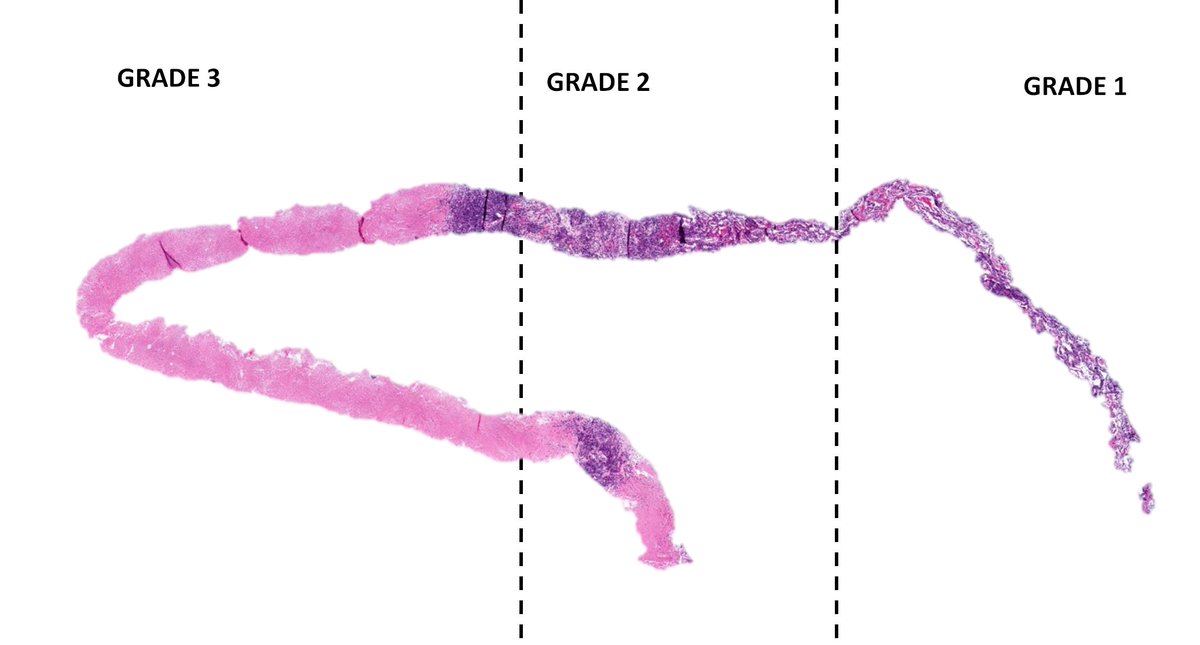
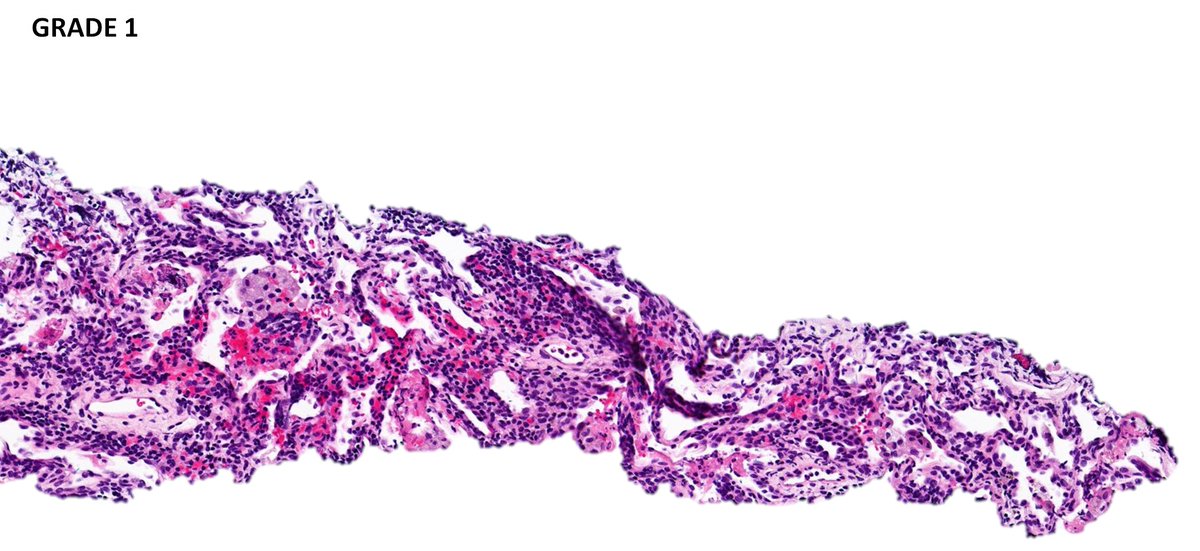
Lung biopsy illustrating a spectrum of involvement by lymphomatoid granulomatosis➡️
🩸Grade 1: Polymorphous angicentric lymphoid infiltrate without significant atypia; necrosis is absent. Large EBV-positive lymphoid cells are rare.
#hemepath#lymsm#thoracicpath#PathTwitter
The College of American Pathologists is collaborating with AMP and ICCS to develop the forthcoming guideline, “Evaluation of Measurable Residual Disease (MRD) in B-Lymphoblastic Leukemia.”
CAP is asking for Open Review from all ICCS members till Oct 29, 2025. Click the QR code or the link below to see the document and add your comments.
https://t.co/q5zRsmVQjh