Psychiatric Clinical Officer & Mental health advocate. Passionate about helping individuals overcome mental health challenges and achieve overall well-being. 💖
@stanbicug@piratesrugbyUG@UgandaRugby Am in remote area and would like to open an everyday account online, but your website has refused opening the online application page.
VIDEO: Senior health officials are raising concerns over the mental health challenges faced by doctors, highlighting stress, emotional exhaustion, and the pressures of high patient numbers.
@RhonetAtwiine#NBSAt430#NBSUpdates
A multidisciplinary team from Ndera Neuropsychiatric Teaching Hospital has published a scientific study in Rwanda Journal of Medicine and Health Sciences (Vol. 8, Issue 3, 2025).
Title: Prevalence, Predictors, and Moderators of Relapse in Severe Mental Disorders: Evidence from Ndera Neuropsychiatric Teaching Hospital, Rwanda
The publication contributes important evidence on relapse in severe mental disorders within the Rwandan context and reflects our continued commitment to research excellence and evidence-based psychiatric care.
🔗 The full article: https://t.co/fKIVTbAkvP
#MentalHealth #Research #EvidenceBasedCare #Ndera
@mtnug Here's a quick data-saving tip for your phone. Turn off "auto-updates" for your apps. Tell your phone to only update when you're on Wi-Fi, not using your mobile data. This way, your data lasts longer for all your important calls and messages.
#MaxxxYoMbs
The longer I work in psychiatry, the more & more I'm reminded that poverty is one of the most harmful factors (if not the most harmful factor) affecting peoples' mental health.
People need to understand that social media is not real life. You don’t have to prove anything to anyone on this app. The people who try to mock you, call you broke, or look down on you don’t know your responsibilities, your journey, or your reality. They only see a tiny fraction of your life, and even that fraction is filtered through their own insecurities. When someone calls you broke online, the best response is silence. Smile and keep moving. Your value is not determined by comments from people who contribute nothing to your growth.
At the end of the day, your real progress happens offline and in your daily habits, the goals you’re chasing, the work you’re putting in and the person you’re becoming.
Social media will always have noise and people will always talk. Don’t let temporary opinions distract you from long-term success. Hold your peace, stay focused and let your results speak for you.
The same people who underestimated you will be the first to change their tone when life starts revealing your growth. Stay grounded. Your reality matters more than any app.
Be guided accordingly 👏
Depression is being surrounded by people
and still feeling profoundly alone.
It’s laughing at the right moments,
but feeling a thousand miles away inside your own mind.
It’s wanting to be understood,
but not knowing where to even begin explaining the weight you carry.
It’s isolation in disguise.
Let’s unite and never be alone.
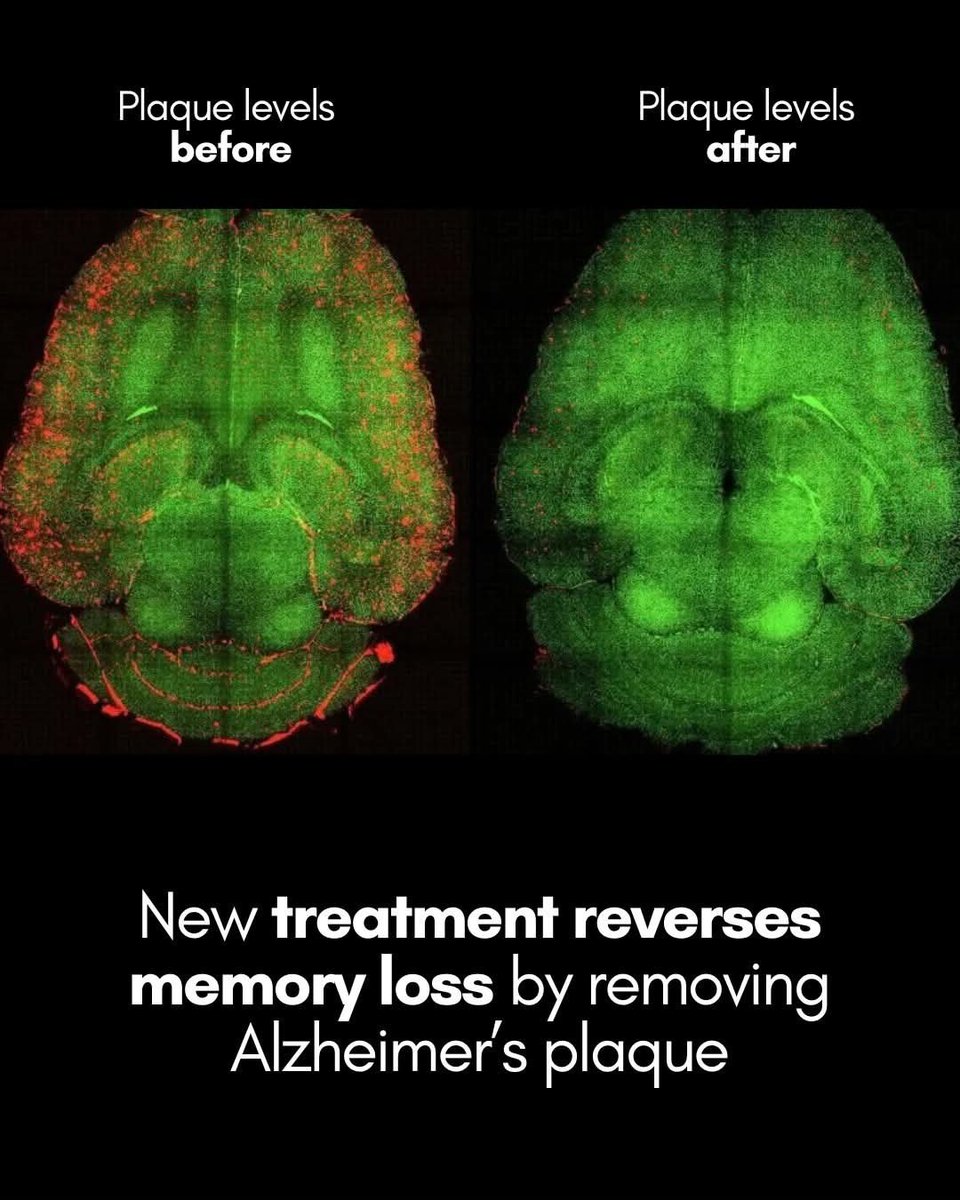
Scientists from Spain and China have made a major breakthrough in Alzheimer’s research. They created special nanoparticles that can clear away toxic brain plaque — one of the main causes of Alzheimer’s — and even reverse memory loss in mice. The study, published in Signal Transduction and Targeted Therapy, showed that just three injections of these nanoparticles removed up to 60% of the harmful amyloid beta proteins from the brain within one hour.
The most amazing part is what happened afterward. Mice that had severe memory and thinking problems started behaving like normal, healthy mice again within six months. This dramatic recovery happened because the treatment didn’t just clean up the brain — it also repaired the brain’s blood-brain barrier (BBB). This barrier normally protects the brain and helps remove waste, but in Alzheimer’s, it becomes damaged and allows harmful substances to build up.
These nanoparticles work like a “supramolecular drug,” which means they do more than just carry medicine — they actively help restore the brain’s natural cleaning system. They reactivate an important protein called LRP1, which helps clear waste from the brain. By fixing this system, the treatment improved blood flow, reduced inflammation, and allowed the brain to start healing itself.
Although this research is still in the animal-testing stage, it opens an exciting new direction for Alzheimer’s treatment. Instead of only trying to destroy toxic proteins, future therapies might focus on reviving the body’s natural defenses. If this approach works in humans, it could completely change how we fight Alzheimer’s and other brain-degenerative diseases.