Co-founder and CEO of Orygami Holdings (Pvt) Ltd. A group of companies which houses a civil engineering & construction, a wholesale and retail subdivision
🚨 Kobbie Mainoo on whether Manchester United’s midfield competition worries him:
“People keep asking if I’m worried about the midfield. Honestly… I thinkk it’s only a problem if you’re trying to break into football. Once you’re already at Manchester United, it becomes a privilege. I remember speaking to Paul Pogba. He told me::
‘Kobbs my guy… one mistake young players make is wanting to carry a club too early. At Juventus I had experienced players around me every day.
They made me better without even trying. If you’re the one carrying everything at 19, something has already gone wrong. Learn. Compete. Then take over when it’s your time.’
That stayed with me. The best version of me won’t come from having less competition. It’ll come from beatingg the best players for my place. That’s why I’ll always want the strongest midfield possible at United.”
The longest time EVER between a player's first and latest World Cup goal:
-Ronaldo: 20 years and 11 days
-Messi: 20 years and 11 days
We'll never see anything like this ever again 🐐🐐
On July 11, 2010, 𝐒𝐡𝐚𝐤𝐢𝐫𝐚 performed “Waka Waka (This Time for Africa)” at the FIFA World Cup Closing Ceremony before the final between Spain and the Netherlands.
PFUMOJENA'S ANCESTRAL ROLE IN SHONA TRADITION
Pfumojena (also called Murenga Pfumojena Sororenzou) is a central legendary ancestor and hero-king in Shona oral histories, particularly revered by the Soko (Shoko/Mukanya/Vhudzijena) totem clans.
Meaning and Identity:
“Pfumojena” means “White/Shining Spear.” He is also known as Murenga (“the Resister”) and Sororenzou (“Head of the Elephant”). His magical spear and war drum (Ngoma Lungundu) are central to his legends. He embodies warrior strength, spiritual power, and leadership.
Genealogical Origins:
He is a descendant of Mambiri (son of the earliest ancestor Tovera), who lived in the mythical Shona homeland of Guruuswa (north of the Zambezi, in present-day southern Tanzania area). This places him at the root of the southward migrations into Zimbabwe.
Heroic Role:
Pfumojena/Murenga is portrayed as a prophesied unifier who overcame betrayal, witchcraft, and division (the “snake cult” conflict). He united the four major totem groups — Nzou (elephant), Shumba (lion), Soko (monkey), and Hungwe (eagle) — restored order, and became king (mambo) of the Mbire/Huruhuswa polity. His victories are linked to the early stone-building traditions reminiscent of Great Zimbabwe.
Spiritual and Cultural Legacy:
Regarded as a high-level mhondoro (ancestral spirit medium) ancestor.
His lineage is credited with key Shona roles: iron-smelting, rain-making at Matonjeni shrines, and spirit mediumship.
He is seen as the progenitor or inspirer of later famous spirits such as Chaminuka and Nehanda.
The name Murenga is the root of Chimurenga (liberation struggle), symbolizing resistance against oppression.
Connection to Soko Mukanya Clan:
In clan praise poetry (nhetembo), the Soko Mukanya people proudly identify as “Vana VaPfumojena” (descendants of Pfumojena). The poems link them directly to:
>Origins in Guruuswa
>The Soko Mbire yaSvosve dynasty
>Settlement in Hwedza (Wedza)
>Skills as iron-smelters (vapfuri vemhangura) and rain-makers (vanaisi vemvura)
In short: Pfumojena is the archetypal Shona founding ancestor — a warrior, unifier, spiritual leader, and symbol of resistance — whose story bridges myth, migration, and the establishment of Shona social, political, and spiritual institutions. His legacy remains alive in the identity, praises, and historical consciousness of the Soko Mukanya clans and broader Shona people.
DID YOU KNOW
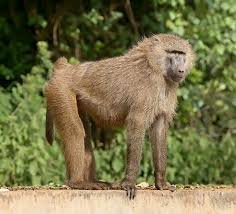
The Soko Mukanya clan is a branch (sub-totem or chidawo) of the broader Soko (also spelled Shoko or Tsoko) totem among the Shona people of Zimbabwe. The main totem, Soko, refers to the monkey or baboon and is one of the most widespread and ancient totems (mitupo) in Shona society. Mukanya (sometimes linked with Vhudzijena, meaning "white-headed") serves as a distinguishing praise name that identifies specific sub-clans within the Soko lineage.
Mythical and Early Origins
According to Shona oral traditions, totemism originated with the earliest known Shona ancestor, Mambiri, in a mythical place called Guruuswa (located north of the Zambezi River in what is now southern Tanganyika/Tanzania). Mambiri adopted the Soko totem for his followers primarily to prevent incestuous behavior (makunakuna) and enforce exogamy (marriage outside one's clan), while also providing a clear social identity. As the early Shona population grew, a second totem (often Shava/Mhofu, the eland) was later adopted to allow intermarriage between groups.
Some traditions link the Soko lineage specifically to a legendary incident in which one of Mambiri’s descendants (possibly the firstborn son) committed an abomination by impregnating a half-sister, leading to a totem change from Mhofu to Soko as a way to appease ancestral spirits and "cut" the blood relation. This branch became associated with spirit mediums (mhondoro). Soko Mukanya is often regarded in oral accounts as one of the foundational or "original" branches of the Soko totem (ndiyo yekutanga), tied to the story of Pfumojena (an ancestral figure).
Migration, Settlement, and Historical Roles in Zimbabwe
The ancestors of the Soko Mukanya clans migrated southward and settled in Zimbabwe, with strong historical ties to the Hwedza (Wedza) area. They are also linked to the Mbire dynasty (Soko Mbire yaSvosve), which played a role in early Shona polities and is sometimes associated with the builders or rulers connected to Great Zimbabwe and related stone-building traditions (though these claims vary in oral histories).
The clan is renowned in praise poetry (nhetembo dzemadzinza) for specific ancestral professions and roles:
Iron-smelters (vapfuri vemhangura) — skilled in metallurgy.
Caretakers and rain-makers (vanaisi vemvura) at Matonjeni (or Matojeni), the holy shrines associated with Mwari (the supreme deity) worship. The baboon is considered a sacred animal in Shona belief; harming it was traditionally thought to prevent rain, reinforcing the clan’s spiritual role as intermediaries at these shrines.
Many Soko totem holders, including those of the Mukanya branch, served as mhondoro spirit mediums. The clan is said to have gained chieftainships through shrewdness, diplomacy, and intelligence (ushe neuchenjeri), and they are described as original inhabitants (matangakugara) in certain regions.
Clan Identity and Praise Poetry
Soko Mukanya is distinguished within the Soko totem by its chidawo (praise name), which evokes the baboon’s distinctive galloping or pompous gait when climbing mountains or cliffs (makwiramiti, mahomu-homu). Clan members are often characterized in oral lore as intelligent, clever, cunning, agile, and socially astute—traits modeled after the monkey/baboon.
Modern Context and Significance
Today, people of the Soko Mukanya totem are found across Zimbabwe (and in related Shona communities), scattered from areas like Hwedza to Mashonaland, Matabeleland, and beyond. The totem continues to serve as a key marker of identity, kinship, and exogamy rules. Historian Aeneas Chigwedere, a leading authority on Shona dynastic history, dedicated an entire volume to the clan—The Soko Mukanya Clans (Mutapa Publishing House, 2016, part of his Dynastic History series)—underscoring its importance in Zimbabwe’s pre-colonial chiefly lineages and social structure.
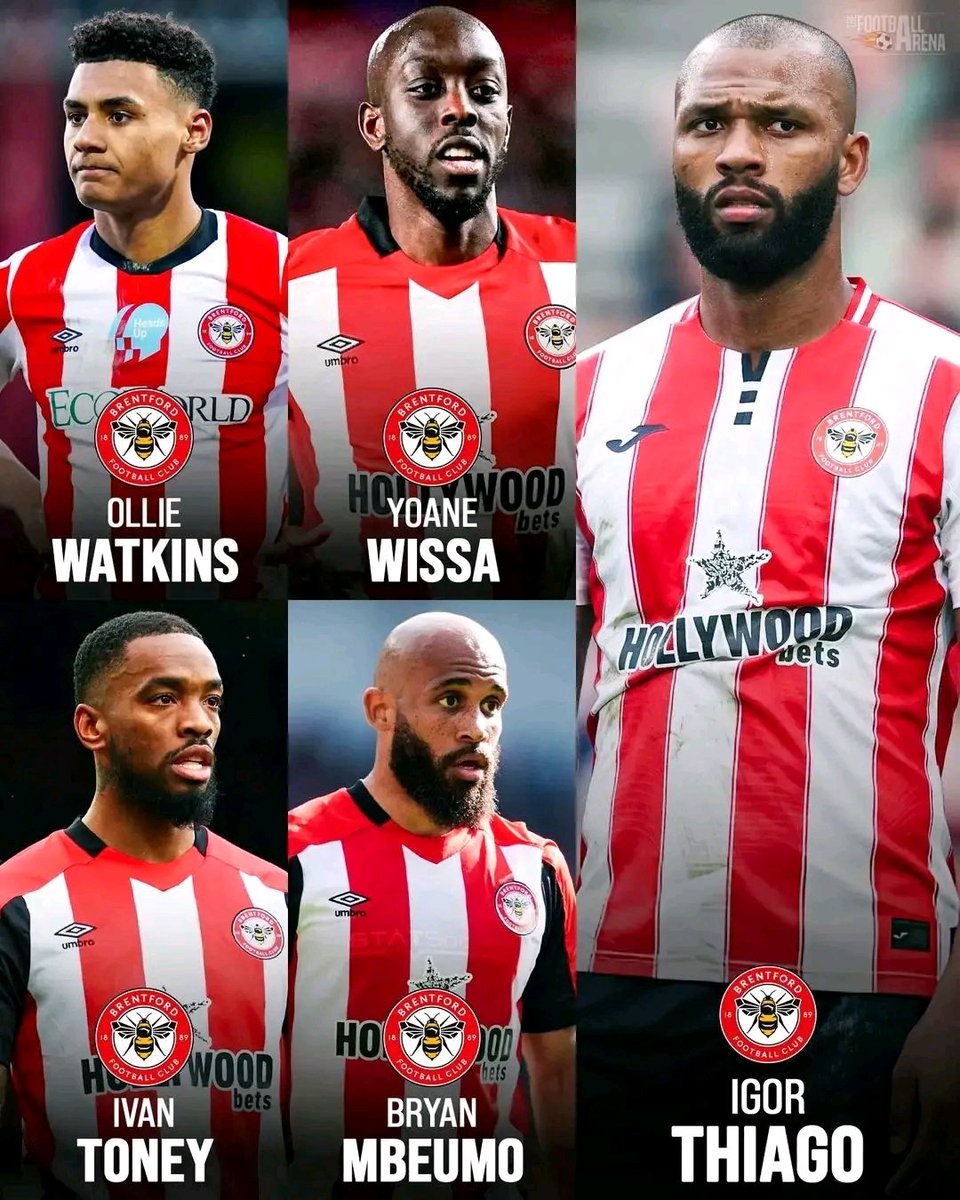
▪️ They sold Ollie Watkins to Aston Villa for €34 MILLION after scoring 25 goals in a Championship season.
▪️ Then they topped that by selling Ivan Toney for €42 MILLION — the first player in club history to score 20+ goals in a Premier League campaign.
▪️ Last summer, they sold Bryan Mbeumo to Manchester United for €75 MILLION after matching Toney’s record.
▪️ They also moved on Yoane Wissa, who finished just one goal behind Mbeumo — €58 MILLION to Newcastle United.
▪️ And now they have Igor Thiago, who has already surpassed them all with 21 GOALS in the Premier League… his price is going to be INSANE.
Brentford FC’s incredible striker business.. 🐝⚽️
Kids want more dad time. Wife wants more husband time. Parents want more son time. Work wants more of your time. And you still show up. Shoutout to the men doing it all. 🙌