Product and surcharge optimiation in Maersk Line. Tweeting about shipping and it's value to societies and companies around the world. Opinions are my own.
In January 2020, #shipping will become a lot less #polluting - to the benefit of all of us!
#Maersk is getting ready - read below what this will mean to our customers (spoiler: shipping goods will cost more)
#IMO2020
From 1st January 2020, a new regulation will be implemented to reduce air pollution from ships globally. Learn more about updates on Bunker Adjustment Factor (BAF) and the new Environmental Fuel Fee (EFF) here: https://t.co/LevqsxP6v9 #IMO2020
Preparations are well underway to ensure we are ready for the new @IMOHQ emissions regulations from January 2020 across our full fleet of ships.
https://t.co/RJYCKWifNB #IMO2020#sulfurcap#maersk
Very important points from 2 major members of Danish Shipping right before @IMOHQ crunch time: MEPC73. Let’s not send the wrong signal to refineries, suppliers etc. The whole industry needs to be prepared for 2020. That includes proper global enforcement #sulphur#dkgreen#blaadk
While we actively support the very needed environmental regulation on reducing sulphur emissions from shipping, clearly it comes at a cost. With our new Bunker Adjustment (BAF), we make the cost predictable to our customers.
https://t.co/Apktm88nuu
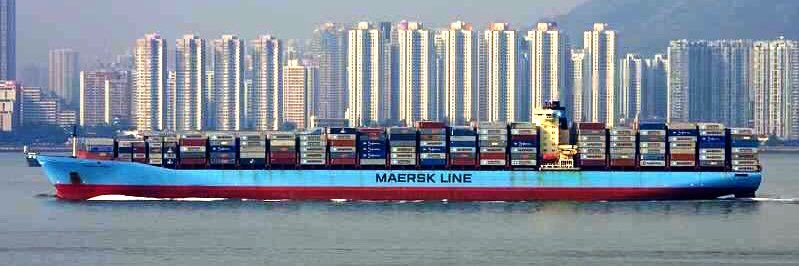
We’re getting ready for the big shift in 2020 - when our ships will switch to much clearner fuels, and shipping will reduce its sulphur pollution by more than 80%. #maersk#IMO2020#shipping#sustainability
Introducing a new Bunker Adjustment Factor (BAF) surcharge, enables customers to predict, plan and track how fuel price changes impact the #shipping freight rate. https://t.co/qpa6jWVUNq
One step closer to cleaner shipping. This is a very important step in securing supply of clean fuels that will comply with IMO's sulphur regulation in 2020.
#Shipping must act now to meet the @IMOHQ sulphur cap by 2020.
Why we’ve partnered with @Vopak_Nederland to launch a 0.5% sulphur fuel bunkering facility in #Rotterdam. https://t.co/V6ksWXLY5g
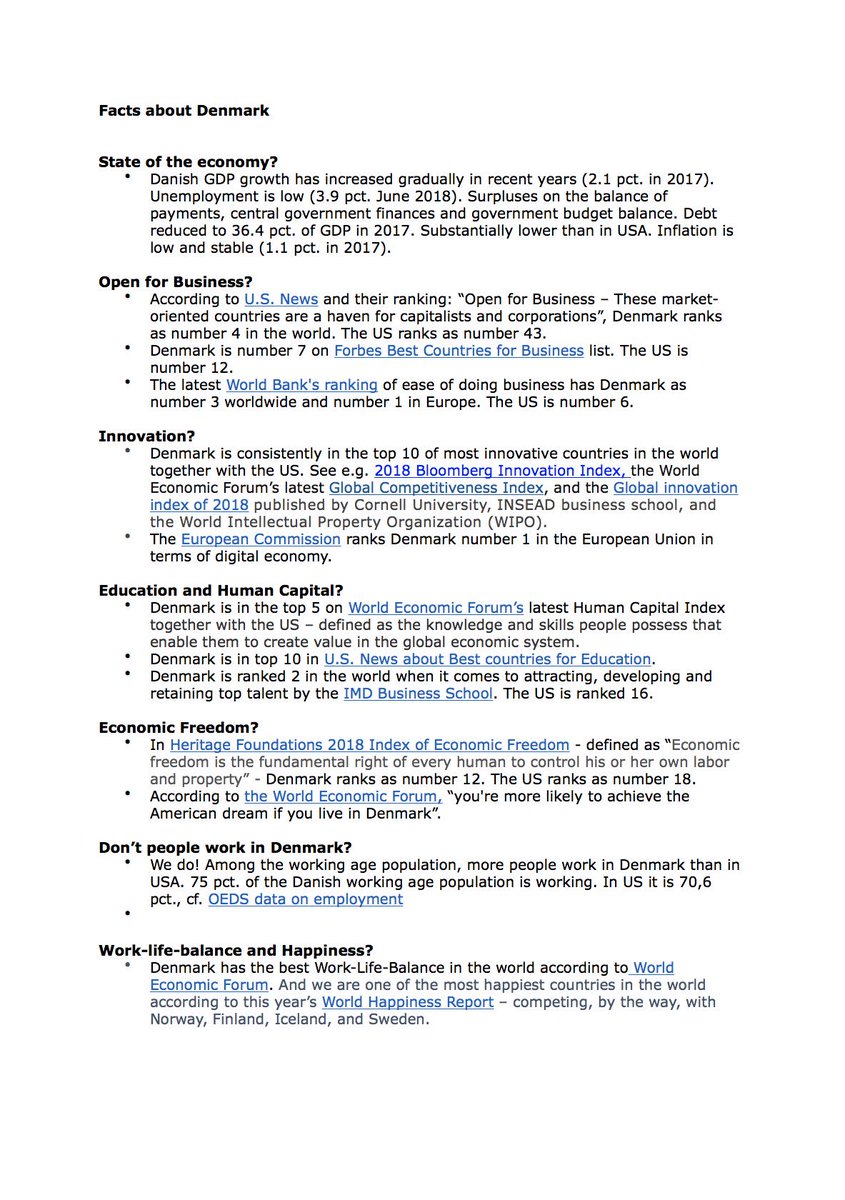
Dear @trish_regan. We did some quick research on #Denmark’s global rankings (https://t.co/IYtJ4jU2th). Useful context to your story abt state of affairs in my country. Go see 🇩🇰 for yourself (we would love to assist) although lack of cupcake cafés probl will be disappointing 😊
@poulwoodall Of course it does not work everywhere, agree. But when fuel prices last were above 600 usd/ton it was a useful tool to cut cost (and reduce pollution) for at least one company I know in liner shipping.
Sailing slower would not only help mitigate the expected fuel cost increases in 2020. It would also further improve the environmental effect of the IMO 2020 regulation. Slow ships = less pollution. https://t.co/baGZOFbu2h
@MTS_CFC It will not be possible for any shipping line to be compliant by use of scrubbers alone. Not enough time to retrofit all ships before 2020. And suggest you ask MSC on their strategy.
@MTS_CFC@Bob261048@RobJonesJnr Yes, 2020 IMO regulation is a big deal. But no matter how we twist and turn it, the vast majority of ships will have to burn low sulphur fuel to comply from Jan 2020. There is not enough time and yard capacity to retrofit scrubbers on entire fleets (or anything close to).
@RobJonesJnr@Bob261048 Even if all shipping lines go all-in on installing scrubbers, by 1st Jan 2020 90-95% of ships will have to comply by using low sulphur fuels. So we need refineries to produce a lot of compliant 0.5% sulphur fuels
@rosegeorge3 Well, not really big news. But (even more) slow steaming is one of the tools to overcome the fuel cost challenges of the (really important) 2020 sulphur regulation.