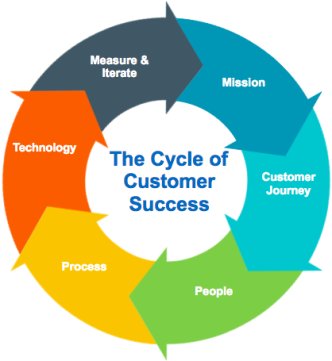
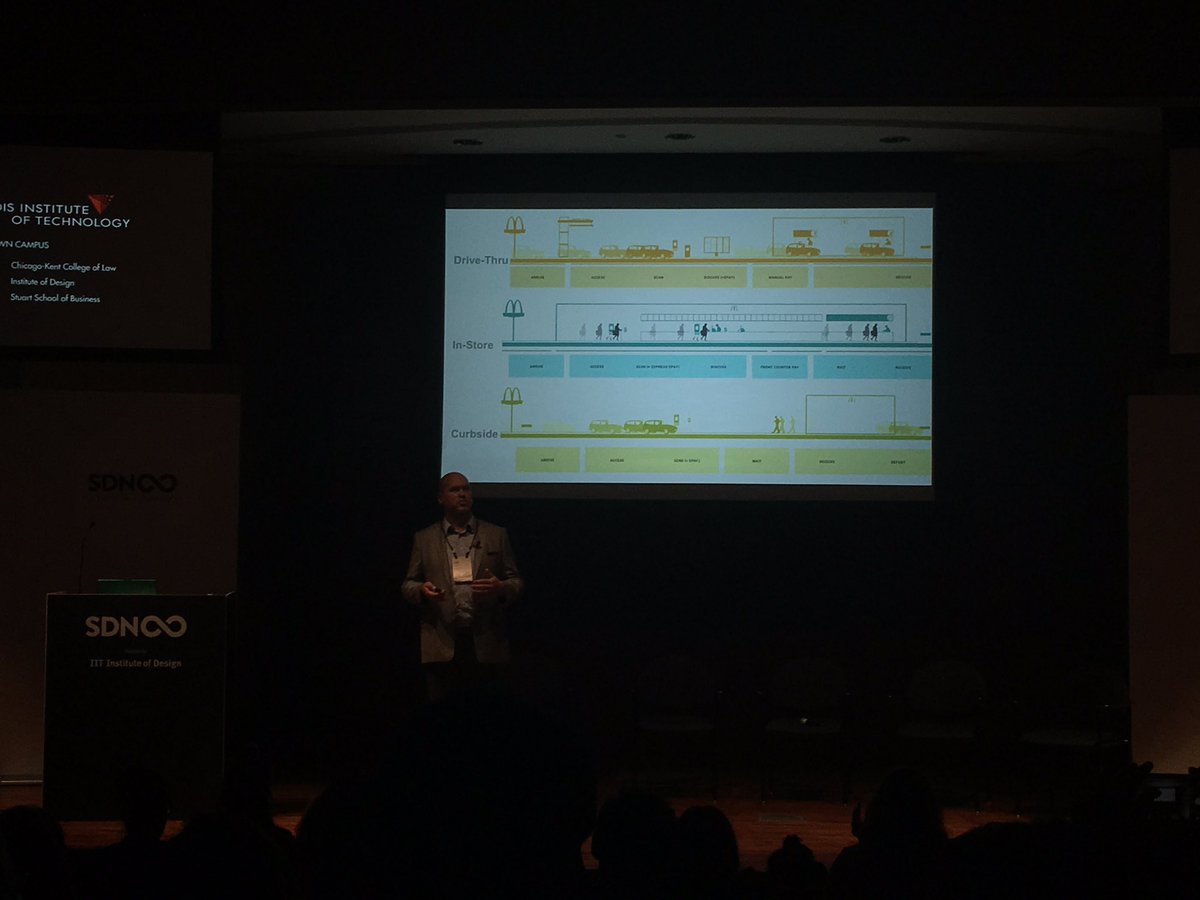
A7 As a compliment to (or after), using Service Blueprints will show the internal correlation between the customer's journey and what the internal teams are doing during and between touchpoints. #dxchat
A6 Definitely added to, but also added a level of complexity of knowing what data is most important and how to analyze it. With more data, Analysts and Data Scientists or technology is needed to help dissect, find trends and see "the diamonds in the rough". #dxchat
A4 The touchpoints that are seen as negatives or low emotional points for a customer first. Then understand the impacts of it and determine what the business is doing. From there begin to investigate the issue and prioritize potential changes/solutions. #dxchat
A3 Start the mappings with the internal teams that know/support/are involved in the journey and then bring that to the customer. As @kerrybodine advises, you need to (in)validate the actions to have a true view point and build from there. #dxchat
A2 Revisiting a customer journey map should depend on the factors within the map that may change. Have some of the channels or tech changed? Have service options been updated? Review often and change when elements within the journey are affected. #dxchat
A1 A difference with customer journey mapping today vs 5 years ago is the common use of the tool. People are talking about it more and it's being used more widely across different parts of an organization #dxchat
Do you want to really know what a #prototype of #servicedesign and #designthinking could be? Come to #GSJam! It might make you become a doer from a thinker!
Cannot find a #GSJam near you? Why not just host one?
More info https://t.co/kQfnXXQi6n
or https://t.co/HVttJ5Y5jN /dd