Absolutely extraordinary testimony from Professor Angus Dalgleish on Sky News Australia. I think you know this chap @piersmorgan - it’s time you interviewed him
@OVOEnergy are the worst UK company to get a hold of. 9pm on a Saturday night. No out of hours emergency number available. No out of hours live chat. Left with no electricity overnight. It's still cold here up in Argyll. Can't even make tea. What an absolute shambles!!
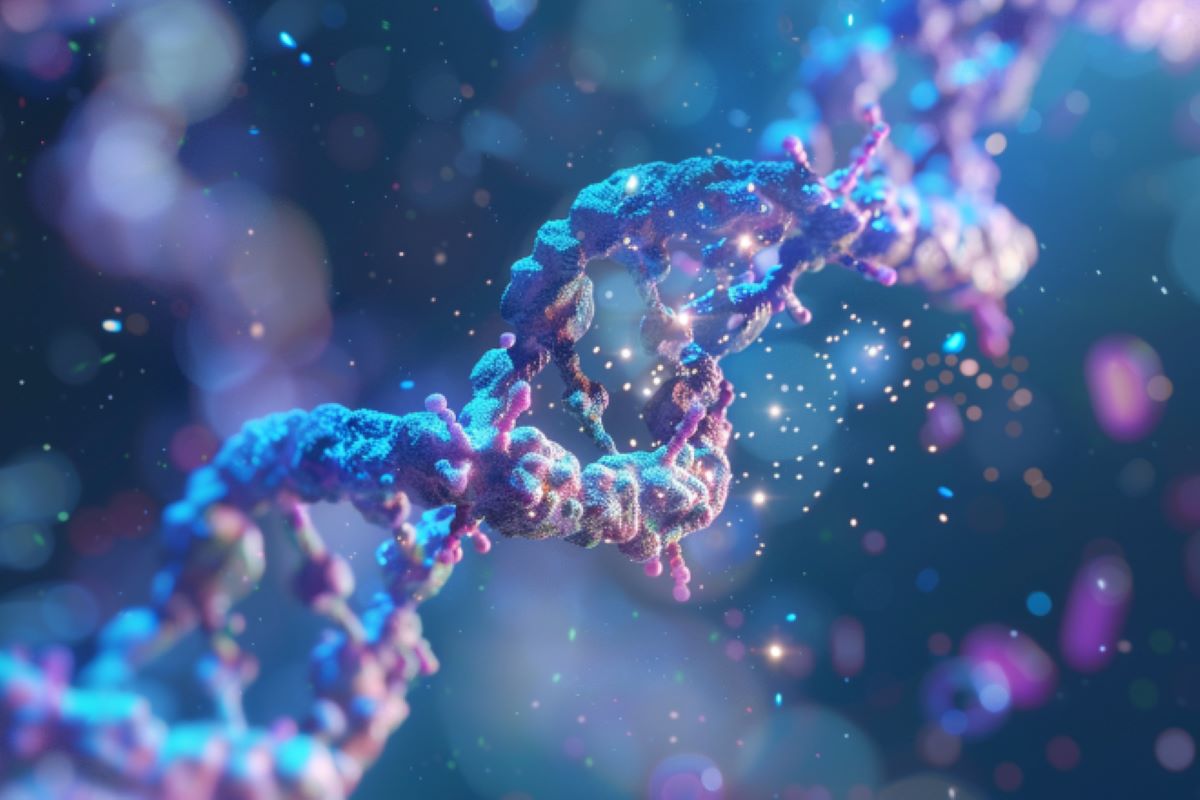
tRNA Fragments Linked to Alzheimer’s
A new study unveiled a significant connection between glutamate tRNA fragments and the progression of brain aging and Alzheimer’s disease.
The research team discovered that an accumulation of Glu-5’tsRNA-CTC in the mitochondria of glutaminergic neurons leads to impaired mitochondrial protein translation and structural integrity, which in turn accelerates cognitive decline and Alzheimer’s pathology.
By administering antisense oligonucleotides that target these tRNA fragments, they were able to restore memory and synaptic functions in aged mice, demonstrating a potential therapeutic avenue.
This study not only provides insights into the molecular mechanisms underlying brain aging but also opens up new possibilities for interventions aimed at mitigating the impacts of Alzheimer’s disease.
1/3
In the UK, only around 14% of menopausal women take HRT and this number usually shocks people. But as you can hear Dr Mary Claire Haver talk about here - in the US it is only 4% now, when just over 20 years ago it was around 40%.
Much of this reduction in HRT use and the negativity regarding HRT stems from the misinterpretation of the Women’s Health Initiative (WHI) study which was published in 2002.
For those of you who don’t know much about this, in 1993, the WHI began a clinical trial looking at the health effects of women taking oestrogen-only or combined HRT compared to a placebo. In 2002, researchers halted the part of the study looking at women taking both oestrogen and progesterone (two hormones that decline during the perimenopause onwards) early over concerns there were small increased risks of breast cancer, heart disease, strokes and blood clots. This led to confusion and concern from doctors and women worldwide, and in the UK women taking HRT fell sharply.
But even with the older versions of HRT, the WHI researchers have subsequently acknowledged that HRT is the most effective treatment for managing menopausal symptoms like hot flushes and that taking oestrogen alone reduces the risk of breast cancer by 23% and death by breast cancer by 40%.
It is time we move on from the misinterpretation of this study and allow more women to access hormone replacement if that is what they want.
A study published in Nutrients found that the level of DHA (an omega-3 fatty acid) in red blood cells was related to Alzheimer’s risk. Those with the highest levels had a staggering 49% lower risk of Alzheimer’s related to the lowest DHA group.
When someone with chronic illness tells you they are fatigued please understand that it is different from ordinary tiredness.
Our fatigue means we are drained, physically, mentally, and emotionally to our core .
We have nothing left in us .
Trying to function with fatigue is similar to a healthy person having stayed awake for a week straight and then expected to run a marathon.
For some of us, this fatigue is every day, all day, 24/7.
No amount of rest will fix it.
This is our reality.
Pushing through this fatigue can have consequences, sending us deeper and deeper into a flare state, lowering our immune system, lowering our baseline.
So please, when someone with the chronic illness, tells you they need rest, don’t ask why, don’t ask what they have been doing, just allow them to rest.
@drlouisenewson I am 55, and will have been using HRT 28 years next month, due to medical hysterectomy after my last child. This will be half my life in post meno & on HRT. I have no plan to stop!
I often have women messaging me to ask if there is a cut off age for taking HRT, or to ask what age they need to stop HRT. The answer is that there is usually no set length of time you should take HRT for - the menopause is a long-term hormone deficiency so women can usually take HRT forever to replace these missing hormones.
However, after the Women’s Health Initiative Study was published in 2002, many women have resisted taking HRT, especially after age 65 years, because of fears of perceived risks. However, a new study has been published today showing that these fears are unfounded.
The study also showed that women who took oestrogen only HRT beyond the age of 65 was associated with significant risk reductions in mortality, breast cancer, lung cancer, colorectal cancer, congestive heart failure, venous thromboembolism, atrial fibrillation, acute myocardial infarction, and dementia. There were also benefits to future health in women who took combination oestrogen and progesterone. The most benefit was with transdermal oestradiol and progesterone.
If you haven’t yet read the study, I would really recommend you do. The link is here: https://t.co/TkEqQHxWro
It’s also worth listening to this podcast I recorded with Dr Anna Chiles who is a GP and works with us at Newson Health as a menopause specialist, as we talk more about continuing HRT for many years during that: https://t.co/K4DIYalKKL
This article we have on our @balancemenopause website is also worth a read: https://t.co/Uppb52pDCN
This is Dr. Joe Dispenza.
The most sought-after speaker in the world.
He teaches people how to heal themselves with the power of the mind.
I spent $20,000 to learn from him.
Here are 9 of his insights that transformed my life (and will do the same for you):
Discussion with a parent who is a trained psychiatrist:
Psych:
“I don’t feed my kids sugar it makes them inattentive and wild, I won’t even go down the cereal or candy isle if I’m shopping with my kids… don’t even get me started on how it effects their slee.
Me:
“Do you think food and sleep can impact adult mental health?”
Psych:
“No, mental health is a chemical imbalance”
Our profession suffers from religious blindness
Wow! I love that our bodies are full of these little white powerhouses going about their business, helping to keep us safe ,while we go about our things 🤍
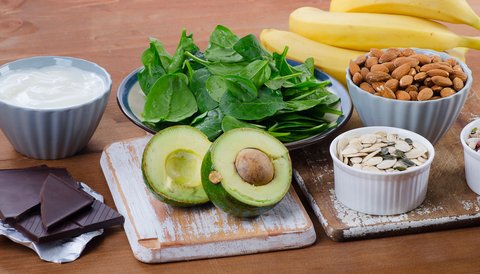
A recent study found that people who consumed 550 mg. of magnesium had less age-related brain shrinkage than those who did not.
Researchers found that a higher intake of magnesium can protect us against neurodegenerative disease and cognitive decline.
Bisglycinate is a good all around form of Magnesium, however the best for brain health is Magnesium L-Threonate since it is the only form able to cross the blood brain barrier.
Both diet and/or supplementation are excellent means of attaining optimal levels.
https://t.co/lqzoCc4mvl
Very important talk from Professor Matthew Cripps who is the Director of Behavioural Change for NHSE.
He is presenting some of our Newson Health Menopause Society research showing how many women are struggling to receive adequate advice and treatment for their perimenopause and menopause.
@WomensHealthPC
Ant McPartlin and Declan Donnelly have said they are taking a break from Saturday Night Takeaway 'to spend some time' with their families.
https://t.co/u2ZPymHszg