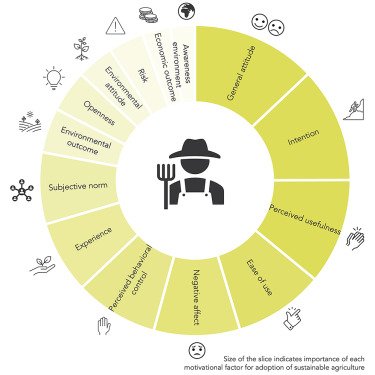
A new meta-analysis suggests that psychological support, not economics, is the critical factor in farmers' decision to switch to sustainable agriculture:
https://t.co/cMYbD6Hp06
#climate#agriculture#Farmers
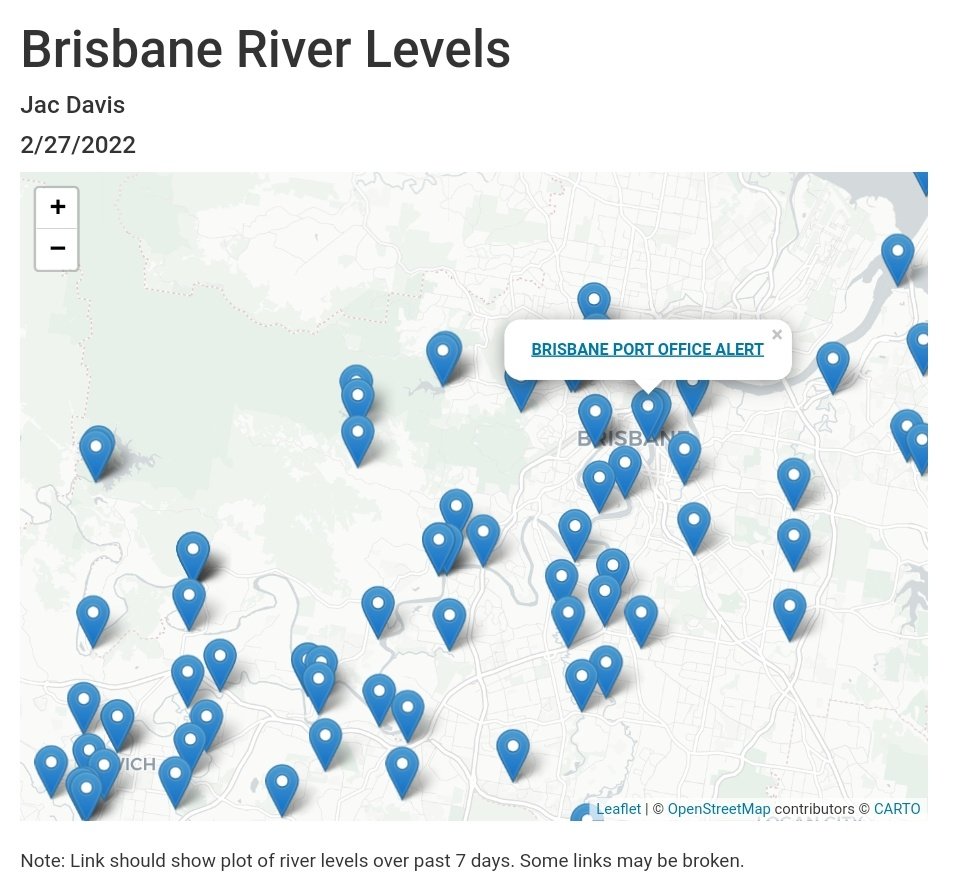
Worried about the increased rain in Brisbane? Keep an eye on your local river levels using this tool. https://t.co/8ZjoAPkpTc #brisbanefloods#brisbaneriver
Watch the river monitoring stations nearest you. This interactive map shows BOM stations across Brisbane with links to the river levels: https://t.co/8ZjoAPkpTc #qldfloods#qldflood#brisbanefloods#brisbaneriver
Wondering what the river levels are now? This interactive map shows BOM stations across Brisbane with links to the river levels: https://t.co/8ZjoAPkpTc #qldfloods
New paper out on on the urban food (in)accessibility of different socioeconomic groups in Kampala. The dietary diversity and food security of urban dwellers depend on more than income alone. @SamVanEmelen@Samdekahembo@jactopsy@DLwasa @Anton_Van_Romp https://t.co/vw7nimEXYC
Academic controversy over children's gender-related toy preferences! An interesting and accurate summary by Stephen Johnson at Big Think: https://t.co/HWsJOkvTuO
@R__INDEX Yes, neonatal imitation has a small effect size overall, and it absolutely could be due to publication bias. Check out Figures 3 and 4 in the full-text: https://t.co/DYGIDUT94v
Does neonatal imitation exist? Findings are inconsistant. The only significant predictor
of neonatal imitation was researcher affiliation, with
some research groups consistently finding neonatal imitation and others consistently not finding it https://t.co/95E0L92RnL
[Paper Spotlight] Davis et al. investigate the cultural components of sex differences in color preference among children 4-11 years old in three small-scale societies. Online now in Child Development! https://t.co/Fb3d1WQvOu
Does neonatal imitation exist? Findings are inconsistant. The only significant predictor
of neonatal imitation was researcher affiliation, with
some research groups consistently finding neonatal imitation and others consistently not finding it https://t.co/95E0L92RnL
New study on children's colour preferences in the remote Amazon jungle, South Pacific Islands, and African foragers shows that the pairing of pink and female is likely a cultural phenomenon and is not innate https://t.co/ShzWiARF7v
Today’s Video of the Day from the Queensland University of Technology describes how climate change may impact the jaguar, the dominant predator of Central and South America. #jaguar#climatechange#extremeweather#bigcats#earthdotcom
https://t.co/xRUg2xQA6M
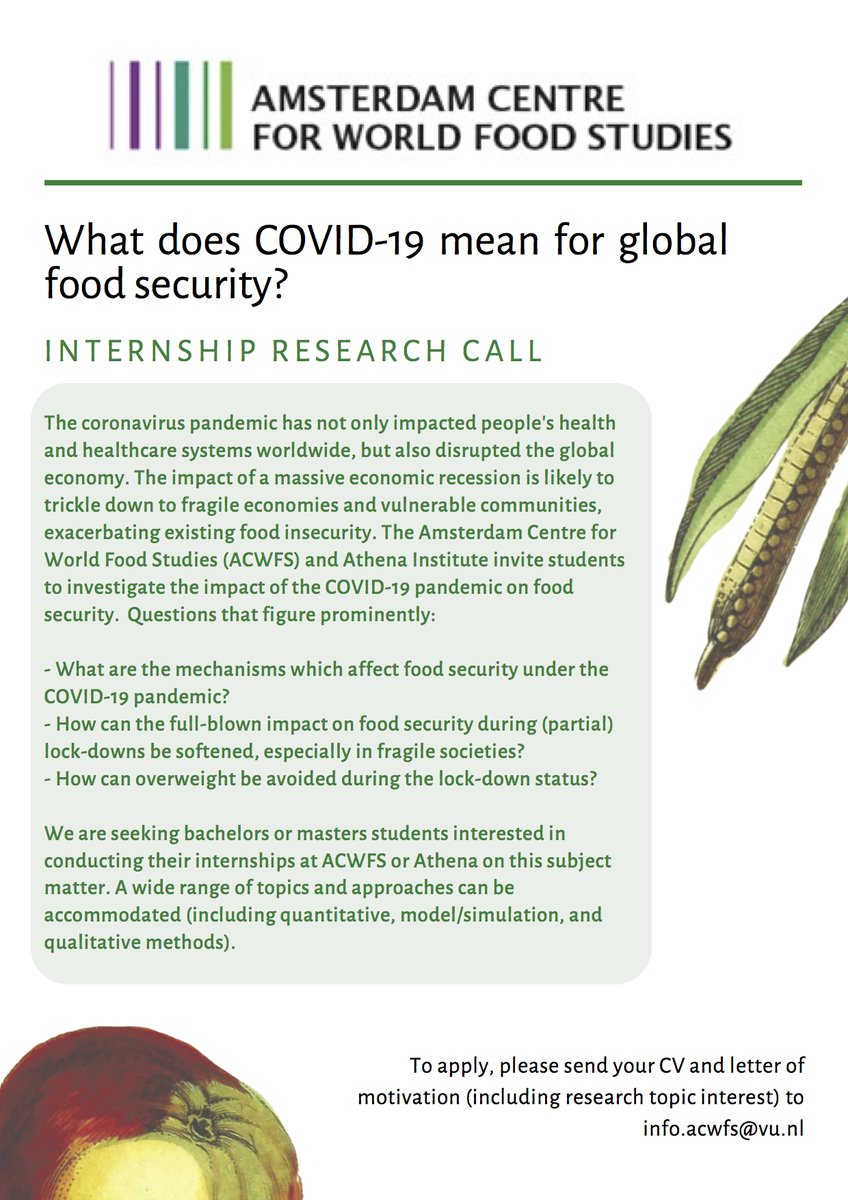
The #coronavirus pandemic is going to have lasting and widespread effects on the global economy and #foodsecurity. That's why we're opening an internship call to students who would like to be on the #coronavirusresearch forefront. Check out the call and share! 🫁🌍🍎🥦🐟
We're thrilled that Jac Davis @jactopsy is the most recent addition to our ACWFS team! Jac is a postdoctoral research fellow in food systems and gender currently coordinating the international consortium project Food4Cities. Check out her website here: https://t.co/PS3xaoxv82
@Hojo_Rojo @SteveStuWill Maybe - or maybe they learn early on which behaviours and preferences their culture expects them to have. Or it could be a combination of biology and culture. What do you think?