“He held my hand and used it to rub his manhood, took off my shorts and forced himself on me. After that, he gave me GH¢100 and warned me not to mention it to anyone.”
This is the story of Victim A, who was r*ped by the headmaster of Obuasi SHTS but never got justice, even after reporting the incident to the appropriate authorities.
#HotlineDocumentary
The Municipal Chief Executive (MCE) for Kasoa, together with some Ghana Police officers, confronts a vulcanizer operating without a permit on a section of the Kasoa-Winneba Highway that is still under construction and orders him to evacuate immediately.
[🎥: ntwabiehene]
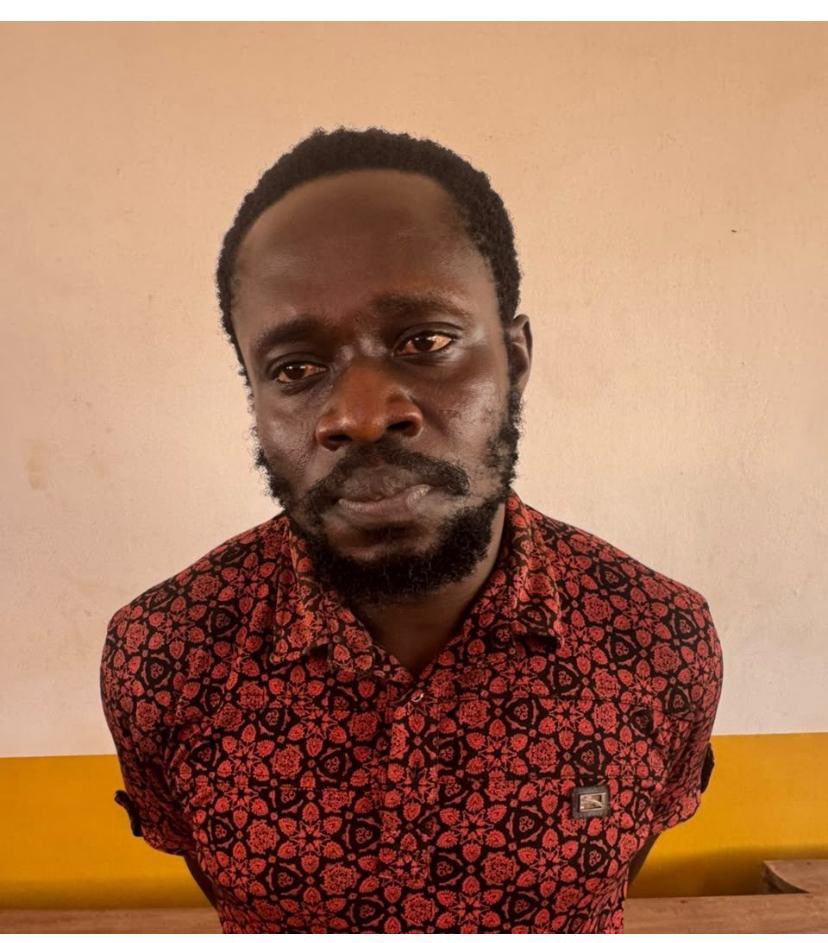
The Bekwai Circuit Court has sentenced a 30-year-old mine worker, Atta Kwadwo, to 14 years in prison for defiling an eight(8)-year-old girl at Manso Kumpese in the Ashanti Region.
According to the prosecution, the incident occurred around 6pm on 10th July, 2026, when Kwadwo accosted the girl near a bathhouse in the house where he lived with the victim’s family.
The girl’s mother became concerned when her daughter stayed in the bathroom longer than expected. Upon checking on her, she found Kwadwo sexually assaulting the child and raised an alarm, prompting her husband to rush to the scene.
[📸: Citi News]
First trailer for ‘THE EYES OF GHANA’, the first-ever film produced by IShowSpeed.
The documentary follows Ghanaian cinematographer Chris Hesse who attempts to rescue more than 1,000 films capturing Africa’s fight for independence in the 1950s & ’60s.
You see the Amasaman to Kasoa project - I mean the complete asphalted road. Today if you see the whole stretch you would think the road had never been constructed before. Guess what nothing will happen to anyone. It’s the citizens that suffers. This country erh
More people are of the view that law is becoming too prestigious and overshadowing all other professions. Friends of law says it is just envy.
I'm not going to join the fight from some pompous perch.
I want to talk about how the "average Ghanaian" sees this "prestige."
In Ghana, as almost everywhere, it is not the professors who sees most clearly how the society really feels.
For that, trust the comedians.
Allow me, then, to present to you, Lawyer Koomson, aka "mun kye no" (I.e. "arrest him/her".)
Lawyer Koomson is a "skit" character created by a formidable comic genius (Samuel Akowuah) who in bygone days could have rubbed shoulders with all-time greats like Waterproof, Super OD, Opia, Santo, Kohw3, Dr. Rokoto, Katawere, and Fred Addae.
So, how does Mun Kye No portray the legal profession?
1. Nose-poking. He goes around interfering with every matter! Why is the stew in your pot too thick? Mun kye no! Why didn't you put aboy in your hair? Mun kye no!
Insight: Law people in Ghana are too in our faces! Turn on every major talk-show and you will find that no matter the subject, they will find a way to make it about law.
2. Judge, Jury, Executioner. Though Lawyer Koomson presents himself as a lawyer, his main act is to order arrests! After pronouncing instant judgment.
Insight: That is how some of the more popular lawyers sound on our airwaves. Even when it is clear that they have done no research on an issue, expect them to pronounce conclusively.
3. Jargon. When he senses the least resistance, Lawyer Koomson deploys his sharpest weapon: Article! "Do you know article?" Two-thirds of the time, all defiance immediately collapses.
Insight: Regardless of context, Ghanaian lawyers will start speaking in legal-speak as if doing so confers special insight.
4. Intimidation. Sometimes Koomson, Esq, is compelled to follow up because the mention of "article" doesn't bamboozle the victim to submission. Come and see English! He will stir and pour word salad like no one's business and then move on.
Insight: Just like a "legal luminary" on Ghanaian TV about to lose an argument.
5. Oppression. Lawyer Koomson has never met his match (well, he has been wise enough to avoid Countryman Songo). Citizens gather around and murmur protests, but the hapless target is grabbed anyway, and all the complaints "don't go anywhere," as we say in Ghana.
Insight: Maybe here the skit stops being funny? The talk-show noise may irritate, but it’s nothing next to what people actually experience inside the legal system itself: the land case your grandfather started that your children may inherit, the adjournment after adjournment, and, oh, the unexplained absence of Judges on the next adjournment date. Yet, helplessness remains the default.
PS: Fans of the Kejetia Lawyer should spare us any wild comparisons! Lawyer Koomson is in his own league. Full stop!
PS2: Still, massive congratulations to all the new lawyers!
You sometimes see a table claiming that African countries, including Ghana, have the lowest IQs in the world. The most widely shared version is on Business Insider Africa.
Business Insider cites CEOWORLD magazine. CEOWORLD did not test anyone. Its figures match, to two decimal places, a 2019 dataset compiled by Richard Lynn and David Becker.
Now look at what is inside that dataset.
Sierra Leone's score of 45 rests on one study from 1966. Mali's rests on a single sample. South Sudan's comes from refugee children. Ghana's 58.16 appears to be the average of a small set of test samples and Ghana's TIMSS school assessment scores, rescaled and relabelled as IQ.
An IQ below 70 is the usual threshold for intellectual disability. A national average of 58 would mean most Ghanaians could not hold a job, run a business or raise a family. Anyone who has spent a day in Accra knows that is absurd.
The dataset's own author agrees there is a problem. Becker wrote in 2019 that differences between countries scoring below 60 are more likely measurement error than real differences in intelligence. He also wrote that the dataset is not suitable for comparing two individual countries.
The dataset was never peer reviewed, which Becker himself calls a weak point. Yet researchers used it in published papers for years, because reviewers check the analysis, not the data underneath. In 2024, academics called for several of those papers to be retracted.
That is how a zombie statistic is made. Lynn and Becker becomes "a study". The study becomes "CEOWORLD". CEOWORLD becomes "Business Insider". Each step adds a more respectable name and no new evidence. Then it turns up in social media arguments as settled fact.
Before you share a ranking, ask three questions. Who collected the data? How many people were measured, and when? Does the number survive a basic sanity check?
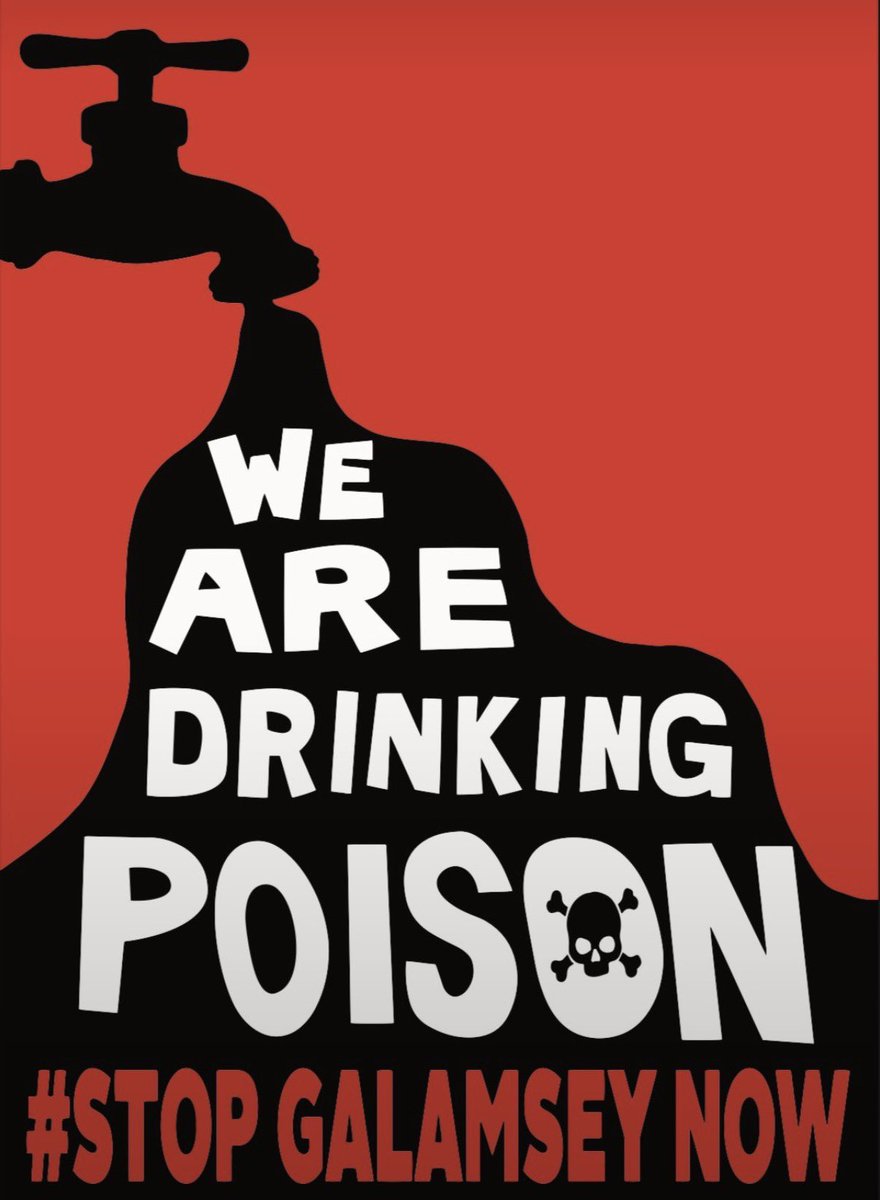
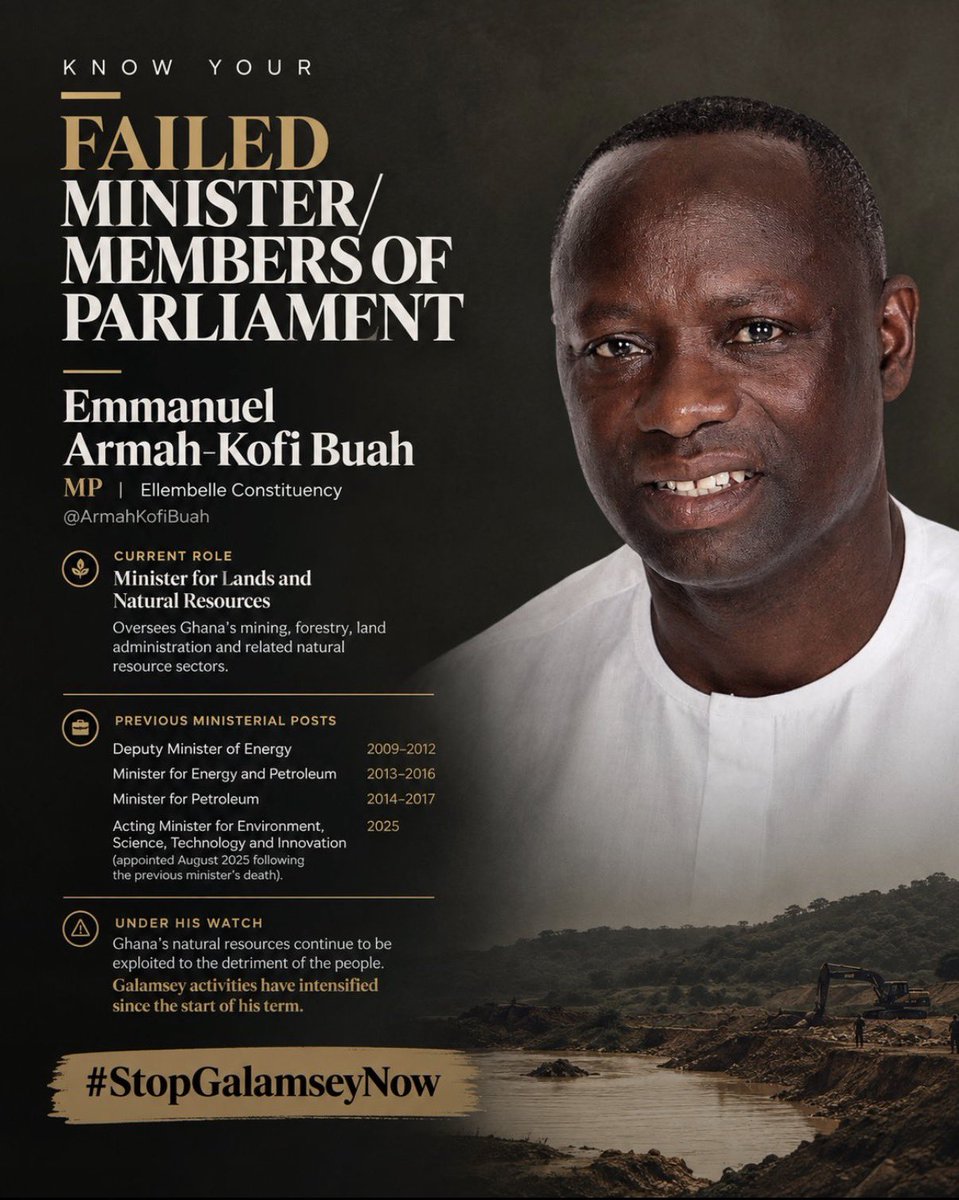
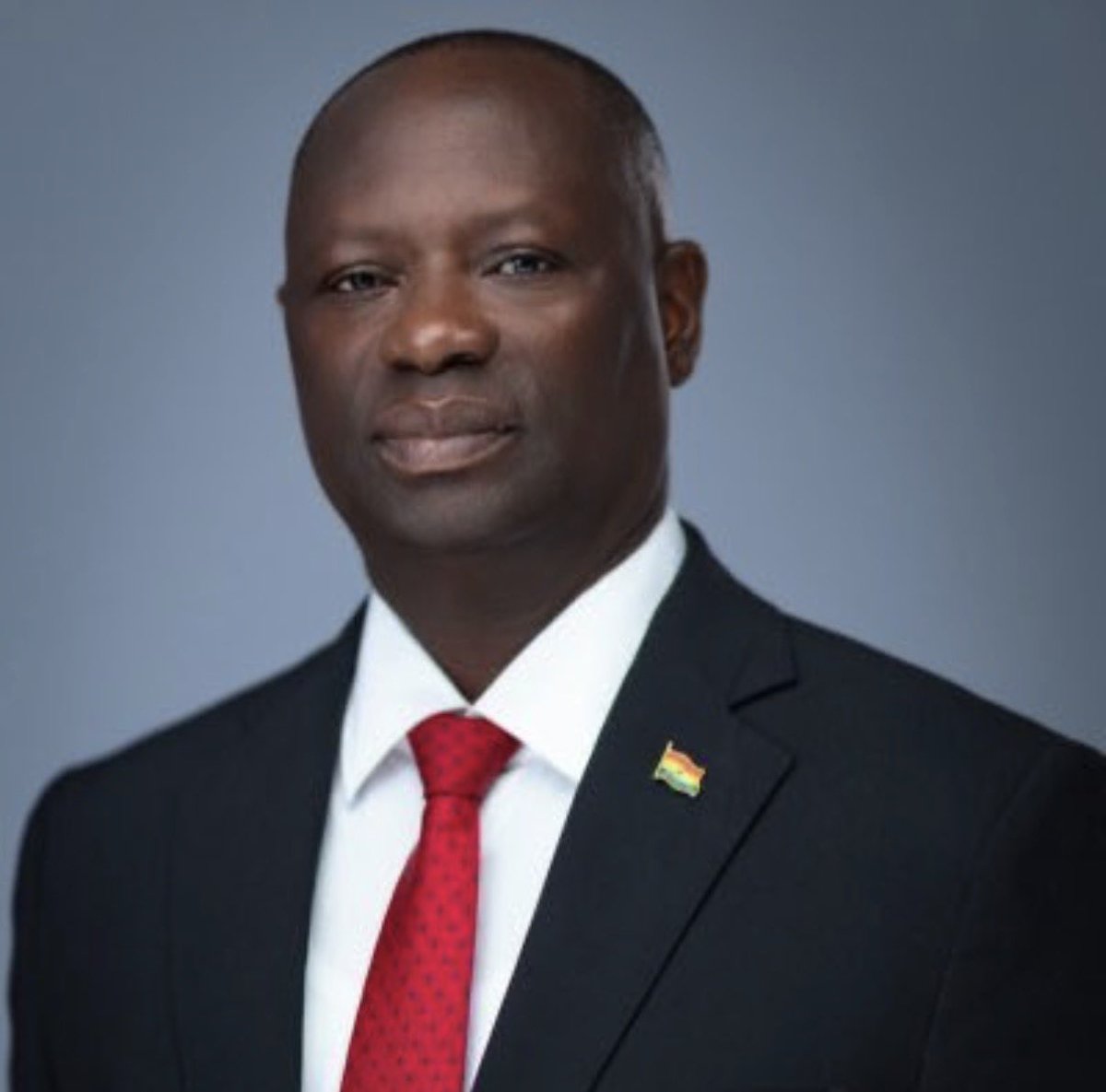
Under your tenure you have failed in the fight against illegal mining! Stop spreading propaganda that we’re making progress on waterbodies. You lied to us @ArmahKofiBuah@JDMahama