Making weekend plans? Don't leave home without first checking for road closures!
Learn about construction and closures near you at: https://t.co/KMN4jaAL94
#TravelSmartWithTranStar#HoustonTraffic
Michael Berry with the gut-punch truth some folks in this country have forgotten: freedom was never free, it was bought. By farmers at Lexington, kids at Gettysburg, boys hitting the beach at Normandy, and immigrants who came here with nothing but grit and a dream.
Meanwhile the whole world is still lined up trying to get in, while some are busy apologizing for the place. The brave keep the door open anyway. Every single time.
How to Stay Lean While Eating Fast Food (The Complete Fast Food Guide)
I've helped hundreds of clients lose fat while eating at Chipotle, Chick-fil-A, and Subway.
You just need to order smarter.
Here are the exact orders that keep you lean while traveling or eating fast food (bookmark this):
𝗣𝗔𝗡𝗗𝗔 𝗘𝗫𝗣𝗥𝗘𝗦𝗦
Plate (1 Side, 2 Entrées)
-1/2 white steamed rice
-1/2 super greens
-Double Grilled Teriyaki Chicken
-Add soy sauce and Hot Mustard
785 calories and 73g protein
𝗖𝗛𝗜𝗣𝗢𝗧𝗟𝗘
Burrito Bowl
-Double Chicken
-"Light" rice OR "light" beans
-Salsa of choice
-"Lettuce and Fajita Veggies
-"Light" Cheese
555 calories 73g protein
𝗖𝗛𝗜𝗖𝗞-𝗙𝗜𝗟-𝗔
Grilled Chicken Cool Wrap + 8 Grilled nuggets
Swap avocado dressing for BBQ or Honey Mustard)
580 calories, 68g protein
𝗦𝗨𝗕𝗪𝗔𝗬
Buffalo Chicken or Steak Bowl
-Double Protein
-Cheese of choice
-Low-calorie veggies (lettuce, peppers, onions, spinach, tomatoes, pickles)
-Buffalo, Honey Mustard, or Sweet Teriyaki Sauce
𝗖𝗔𝗩𝗔
Double Steak and Harissa Bowl
Half the rice (add extra veggies)
550 calories and 50 grams of protein
𝗖𝗨𝗟𝗩𝗘𝗥𝗦
Grilled Chicken Sandwich + Garden side salad with raspberry vinaigrette
-Lettuce
-Pickles
-Tomatoes
-Mayo
-Swiss Cheese
610 calories 45g protein total
𝗡𝗼𝘁𝗶𝗰𝗲 𝘄𝗵𝗮𝘁 𝗮𝗹𝗹 𝘁𝗵𝗲𝘀𝗲 𝗼𝗿𝗱𝗲𝗿𝘀 𝗵𝗮𝘃𝗲 𝗶𝗻 𝗰𝗼𝗺𝗺𝗼𝗻?
-Double the protein
-Light on calorie-dense add-ons (rice, cheese, bread)
-Load up on veggies
-Choose lower-calorie sauces (avoid creamy dressings and mayo-based sauces)
This strategy works at ANY restaurant.
Use fast food items as a tool.
You're going to eat out
You're going to travel
Life is going to happen
Trying to be "perfect" and avoid restaurants entirely is why most people fail.
Next time you're traveling, working late, or just don't feel like cooking, you'll know exactly what to order.
You need need to be perfect. You need a system that works in the real world.
This is a start.
BREAKING: Brown University shooter dead by self-inflicted gunshot wound and will be identified as soon as they scrub any trace of they/them's anti-Trump posts from the internet.
The US diet industry makes over $90 billion a year...
Yet 40% of Americans are obese.
How?
They give you overcomplicated hacks that don't work.
Here is the number 1 metric you need to know if a food is good for fat loss or not (Bookmark this) 👇
It's the protein:calorie ratio.
How many grams of protein a food has compared to how many calories it has.
First of all, you need to consume few enough calories to be in a calorie deficit.
You MUST be in a calorie deficit to lose fat.
But, you also don't want to feel starving, tired, suffer energy crashes or lose muscle either.
High-protein foods are filling so you don't feel as hungry.
They stabilize blood sugar levels so you don't get a blood sugar and energy crash a few hours after eating.
You need enough protein to maintain and build mucle.
Muscle burns calories at rest which will make it easier to be in a calorie deficit and lose fat.
It also reduces insulin resistance, inflammation, improves your energy levels and makes you look more lean and toned.
I can't tell you how many times I've had clients in their 40s and 50s tell me how much better they feel with their health after having strength trained and built muscle for a few months.
A good benchmark for this ratio is 10+ grams of protein per 100 calories.
Here's how some foods stack up:
Excellent (15g+ per 100 cal):
- Shrimp: ~21g per 100 cal
- Chicken breast: ~19g per 100 cal
- Egg whites: ~21g per 100 cal
- Non-fat Greek yogurt: ~17g per 100 cal
Good (10-15g per 100 cal):
- Lean steak: ~12g per 100 cal
- Salmon: ~10g per 100 cal
- Cottage cheese: ~11g per 100 cal
Moderately good (5-10g per 100 cal):
- Whole eggs: ~8g per 100 cal
- Whole milk ~7g per 100 cal
- Full-fat Greek yogurt: ~6g per 100 cal
Poor (under 5g per 100 cal):
- Peanut butter: ~4g per 100 cal.
- Nuts: ~3g per 100 cal.
By sticking with this 10:1 ratio or better you will ensure your protein sources hit at least 40% protein with many of the lean sources listed above well over 60%.
Eggs have a lower ratio because they have a lot of healthy fats but they're still filling and the yolks have amazing nutrient-density so you should still include them in your high-protein diet.
They are best consumed with another lean protein source to improve the ratio while maximizing satiety.
You should also try out Non-fat or low-fat greek yogurt.
Combined with fruit to make it sweeter, it's a great high-protein, low-calorie and filling healthy snack.
Leveraging this ratio day in and day out allows you to eat a lot more food while still losing fat, building muscle, and not feeling like you're starving yourself every day to hit your goals.
I hope you found this useful!
Bookmark this tweet to save these high-protein, low-calorie foods for later 👇
A National Guard soldier gets killed in cold blood the democrats stay silent. But when a terr0rist drug boat gets blown up they lose their minds.
This is called moral decay!
The guys in @westtexasexiles have been turning heads with their harmonies and that unmistakable desert soul. 🌵 They brought a little West Texas heat to the Houston stage. Here’s “Bright Yellow Sun.”
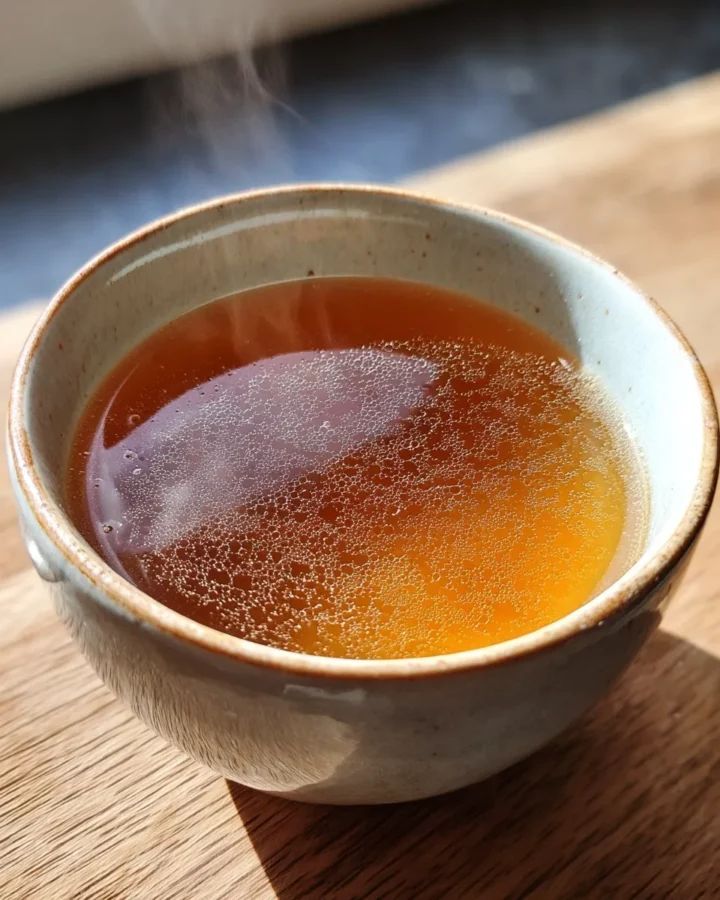
Humans started drinking this ancient elixir over 30,000 years ago.
It's a natural medicine for your gut, joints and brain...
But Big Pharma makes billions selling pills that barely work instead.
Here are the magical benefits of Bone Broth (and how to make it taste good) 👇
1. It's one of the most nutrient-dense foods on Earth.
- Collagen → Gelatin → Glycine, proline, hydroxyproline.
- Calcium, magnesium, phosphorus, potassium.
- Zinc, copper, iron, manganese.
- Glucosamine, chondroitin, hyaluronic acid.
2. Seals the gut.
When your gut is damaged from things like processed food or sugar, you suffer "leaky gut".
Substances, including toxins, from your gut seep into your bloodstream where they can cause chronic inflammation.
But bone broth literally rebuilds the gut barrier with its gelatin, glycine and glutamine.
3. Reduces joint pain.
Years of cartilage breakdown & chronic inflammation lead to stiff, aching joints.
Bone broth is loaded with the exact compounds your joints need to rebuild:
- Glucosamine
- Chondroitin
- Collagen.
4. Enhances brain function.
Bone broth contains glycine.
Glycine helps calm the brain by reducing nervous system overactivity, lowering stress & anxiety.
It enhances memory & learning by improving communication between brain cells, and it sharpens cognition by supporting clearer thinking & better focus.
5. Strengthens the immune system.
70% of your immune system lives in your gut.
Bone broth heals the gut, making you more resilient to everything from colds to autoimmunity.
6. Boosts skin elasticity
Bone broth naturally increases collagen & hyaluronic acid.
This helps build healthy skin from the inside out.
It keeps your skin hydrated, firm & wrinkle-free.
You're not just applying an artificial serum to skin that's already weak and damaged...
7. Fights inflammation.
Bone broth is rich in:
- Proline
- Glycine
- Arginine
Which are amino acids that reduce inflammation, calm your immune system & support healing.
How to have bone broth:
You can buy bone broth pre-made but I prefer to make it at home.
You can make sure the ingredients are 100% natural, healthy and fresh and it's cheaper too.
My recipe:
- 2–3 lbs beef bones, chicken carcasses, or a mix (ideally with joints/marrow)
- 2 carrots, roughly chopped
- 2 celery stalks, roughly chopped
- 1–2 onions, quartered
- 3–4 garlic cloves, smashed
- 2 tbsp apple cider vinegar (helps pull minerals from the bones)
- 2–3 bay leaves
- 1 tsp peppercorns
- Fresh herbs (optional: thyme, parsley)
- Water (enough to cover everything in the pot)
- Salt to taste (add at the end)
Instructions:
Prep the bones (optional): Roast bones at 400°F (200°C) for about 30 minutes to deepen flavor.
Fill the pot: Place bones in a large stockpot or slow cooker. Add veggies, garlic, herbs, peppercorns, and apple cider vinegar.
Add water: Cover everything with cold water, leaving 2–3 inches at the top.
Cook:
Bring to a boil, then immediately reduce to a low simmer.
Skim off any foam that rises in the first hour.
Simmer gently for:
Chicken bones: 12–18 hours
Beef bones: 18–24 hours
Strain: Remove bones and veggies, then strain liquid through a fine sieve.
Cool & Store: Let it cool, then refrigerate. The broth will form a jelly-like texture when rich in gelatin. Keeps 4–5 days in the fridge or months in the freezer.
Serve: Warm in a mug with a pinch of salt or use as a base for soups, stews, or sauces.
The Bottom Line:
Real health isn't found in meds.
It's found in a healthy diet.
Meds just manage the symptoms of the damage that your poor diet did to your body.
Fix the root cause.
Fix your health.
If you want to learn about other healthy foods to add to your diet:
We made an Ultimate Grocery Guide to give busy parents the exact foods to:
- Be lean and healthy
- Improve energy levels
- Avoid chronic disease and lifelong meds
- While the kids enjoy the healthy meals too.
👉 Like and Comment "Food" and I'll DM you it (Must Follow)