@beazleigh_reece@FavershamTownFC RIP Ray, always to be remembered, never forgotten. Thoughts and prayers with family and friends. Did so much not just for Faversham but the whole football community, will be sadly missed…❤️
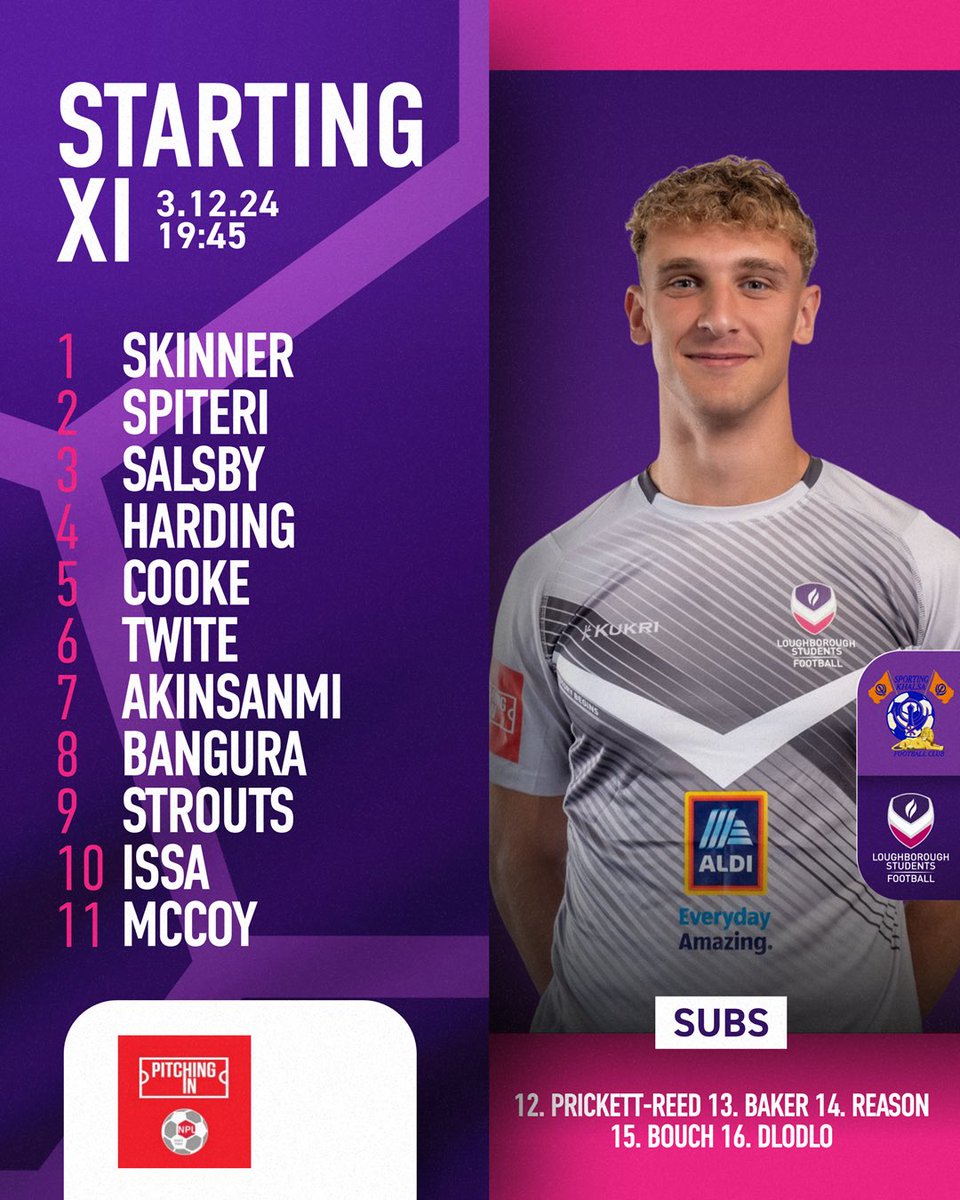
💬 "I'll give everything on the pitch once I cross that white line"
Hear from @stroutsy8 for the first time after becoming an Invicta player.
#fifc | 🟠⚫️
What an experience studying over the past few years and playing for Loughborough University.
75+ non-league appearances
BUCS Prem National champion
Top goalscorer 24/25
Onto the next chapter... #freeagent@LboroStudentsFC#NonLeague
Gooooaaaal! ⚽️
Our boys are playing brilliantly over on the football pitch with a beautiful goal and an equally beautiful celebration! 😍Keep it up!💜
#BUCS#bucsbigwednesday#BBW#wherehistorybegins
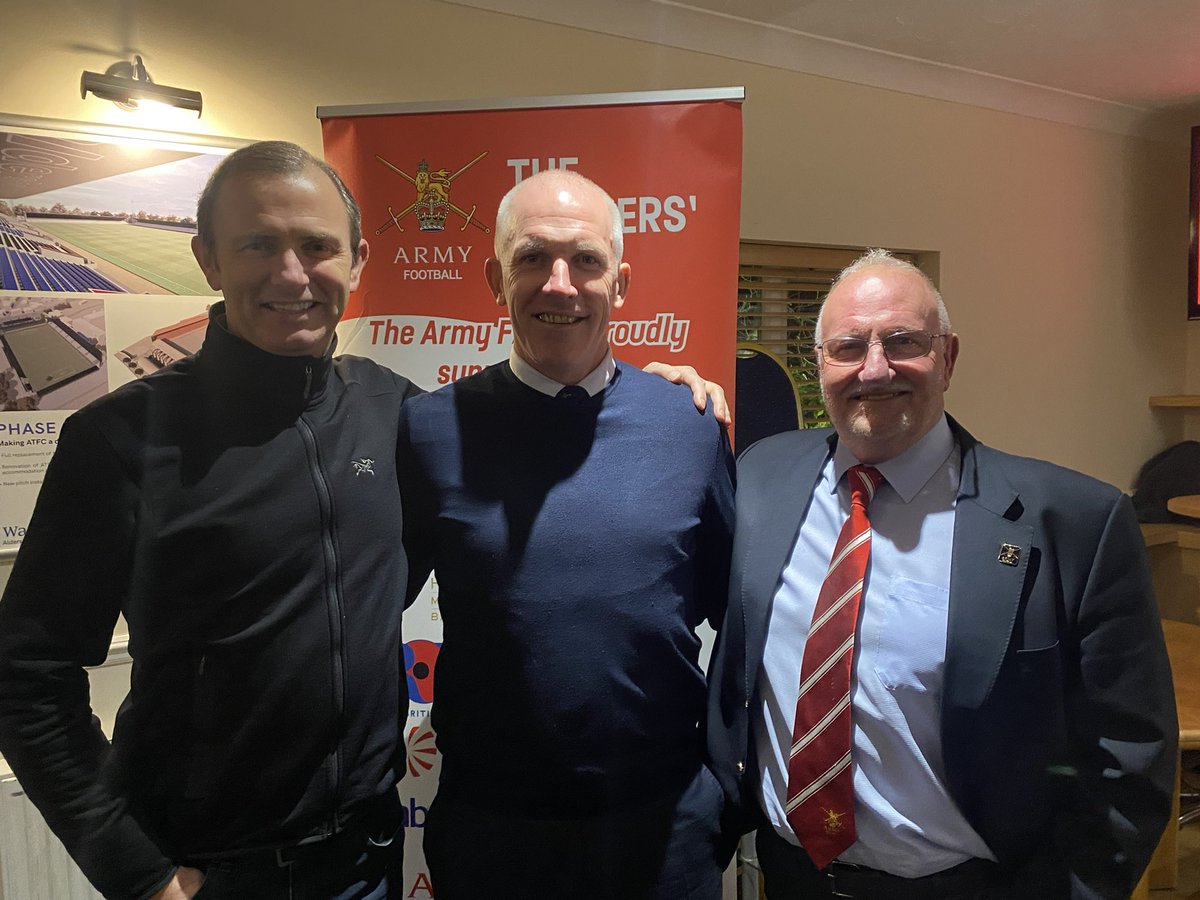
We were delighted to welcome former Army player Jimmy Strouts to our Inter Service match v RAF at Aldershot Town FC on Wednesday evening. Jimmy is pictured here with former Army colleagues Lee Dyson and Major Billy Thomson BEM. We hope you had a good night Jimmy.
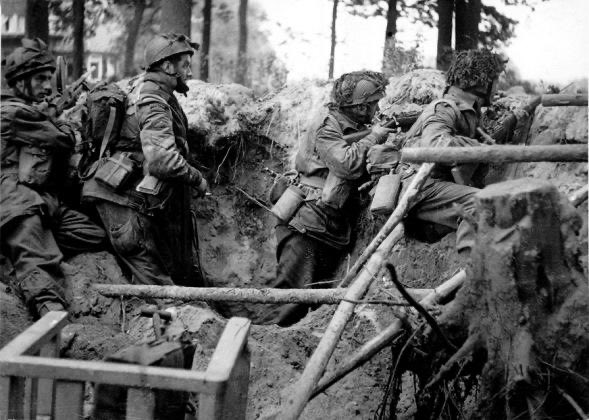
The Battle of Arnhem, Day 9: 25 September, today, in 1944.
For days, the Germans have been hammering away at the British positions at Oosterbeek perimeter. Heavy mortar and artillery barrages, followed by infantry and tank assaults, including flamethrowers. British morale is maintained, but the soldiers are filthy, low on water, food and ammunition. The situation is desperate as the Germans continue to batter the surviving troops of 1st Airborne Division.
British access to the Lower Rhine was a vital part of the plan. On the 23rd, the Polish airborne, now reinforced and dug in around Driel, attempt to get over the river supported by units from British 30 Corps. The attempts are poor: lack of boats, and lack of river crossing training turn these efforts into a frustrating failure. Only 153 Poles make it into the British perimeter to reinforce their positions.
The Germans at Arnhem are weary too. British artillery is accurate, inflicting casualties and frustrating their assaults. Typhoons are finally providing air support, contributing further casualties to the attrition that characterises a defensive battle.
On the night of 24/25 September, with 30 Corps traffic backed up for 60 miles on the Eindhoven-Nijmegen-Arnhem road, only one lorry carrying boats was delivered. 315 men from the 4th Dorsetshire Regiment crossed the river, scattered in groups and engaged by German forces on the Westerbouwing heights to the west of the perimeter. Some 200 of the 315 were taken prisoner.
The decision was taken to put Operation Market Garden out of its misery and save what was left of 1st Airborne Division. On the morning of 25th September, Major General Urquhart and his staff began planning the extraction over the Lower Rhine. All the while, savage assaults on their positions continued, at one point with the Germans breaching the perimeter to within 200 metres of Urquhart’s HQ at the Hartenstein hotel. Repelling these assaults was some of the bloodiest and most bitter hand-to-hand fighting of the whole battle.
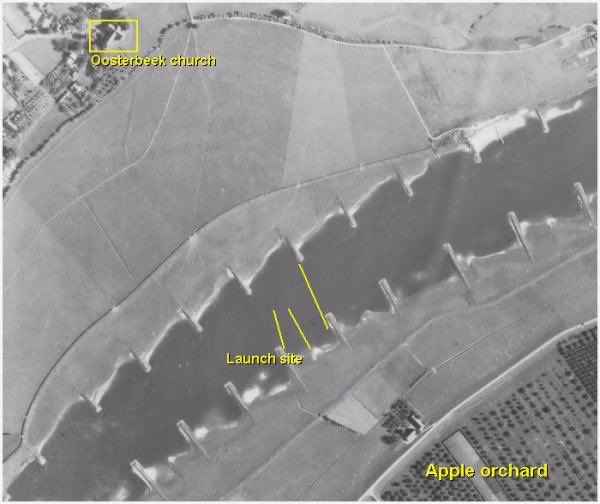
Urquhart had studied Gallipoli at Staff College, and his plan was based on the lessons learnt from the First World War. The 1st Airborne Division were to thin out their positions gradually under cover of massive artillery support from across the river. They would follow pre-taped routes from the perimeter to the river, where 37 boats (manned by British and Canadian Royal Engineers) were prepared to ferry them across the river under cover of darkness.
Operation Berlin began around 9pm. It was a dark night, and heavy rainfall helped the British. The first boats crossed the river around 9.30pm. It was not until midnight that the Germans realised this was no ordinary artillery concentration, and focused their fire on the river and the riverbank. In very British queues at the crossing point, the airborne soldiers fought off enemy patrols and endured until their turn to cross came.
Urquhart himself evacuated just after midnight, and the final perimeter positions were evacuated around 2.30am. Soldiers were stranded when the crossings ceased at dawn due to the risks posed by good visibility and German overwatch of the river. Some stranded troops attempted to swim the river; some drowned.
On this night in 1944, 3,910 soldiers evacuated across the Lower Rhine and brought Operation Market Garden to a cold, wet and dangerous end.
Of 11,920 airborne soldiers who landed in Arnhem, 1,485 were killed and 6,525 were taken prisoner. 450 Dutch civilians were also killed.