“How do you include a voice for all the people affected by the technology you build?” EFF board member @jamesvasile asks in @TechReview. “These are big questions. ... No one was working on this 20 years ago, because that just wasn’t part of the scene.”
https://t.co/zfqkAOq5D7
@elizaorlins@HenryRosoff@danielsgoldman@yuhline@PIX11News@thehill@EmersonPolling Chinese folks in nyc are segregated by language. I know lots of folks who speak canto but not Mandarin. I'm sure others know lots of Mandarin but not canto speakers. If they got Mandarin but not canto speakers, they missed a big chunk of nyc.
My job is offering an 11-week internship program for anyone trying to get into Cybersecurity, especially if you do not meet the traditional background requirements. It’s fully virtual at $28/hr at no cost to you. Please reach out!
@drewwww We also had these conversations around the early web. What does foot traffic look like? How do we make a town square that preserves incidental contact? What's the equivalent of protesting in front of cityhall? We were so naive, but today's architechs don't have to be.
I always tell people there is value in being open source from day one. What are your favorite projects that started as open from the initial design phase and a bare repo?
What are your favorite examples of gov open source software and creative commons materials? Bonus points if they originate or get uptake in the global south!
@nearyd No bonus points, but yes that is a cool project!
Side note: open source projects that aren't in English increase accessible surface area, and I'm always happy to see them.
@abditum@isislovecruft If they keep the design long enough, it will come back into fashion. Some day, there will be a 10mb JS framework that promises to make this aesthetic as easy as React.
Companies torture themselves and their devs to avoid accidentally licensing away vital patent rights via open source contribution. I'm seeking case studies of this happening. How does it play out in practice? Who has seen this in the wild?
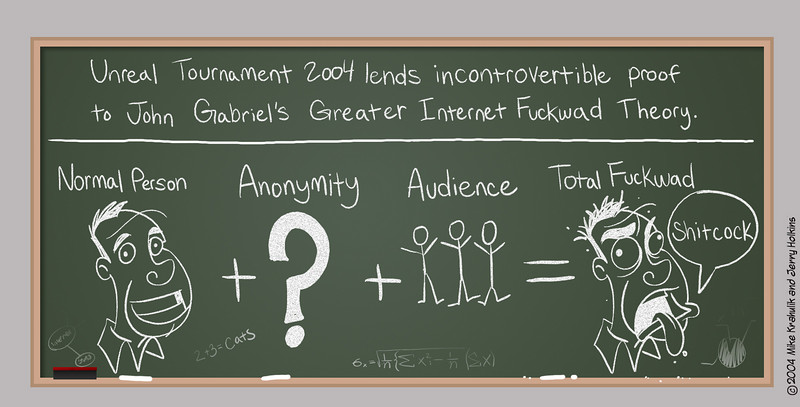
A new paper belies this early research into online civility. It turns out that for a lot of users, anonymity isn't required. They're proud of their uncivil behavior, not ashamed. It would be a mistake to design moderation systems without understanding that.
30 years in, it is hard to identify a more tenacious fighter for our online rights than EFF. Add your voice! Support EFF at whatever level makes sense for you at https://t.co/DLXiHrUDvr
I can't attend the @EFF 30th Anniversary "Fireside Chat: Founders Edition" livestream tonight at 5pm Pacific. But I *can* donate $300 in honor of EFF's 30 years. Ten bucks for each year from founding until now? Sure, that's a bargain! Want to join me?
https://t.co/2dLbBMpc3g
@SarahJamieLewis That's so wonderfully targeted at a narrow swathe of people who know what to do with an iso and yet have no hygiene skills. It's so "fuck these people in particular". I kinda love it. If they get anybody with this one, they have so totally earned it.
I finally finished @jilliancyork's Silicon Values. It captures the history and the complexity of doing content moderation at scale in a world full of bad actors and vulnerable users. I highly recommend it to anybody trying to get on top of platform censorship issues.
If you frame open source effort as pooling labor expenses and writing proprietary code as capital investment, you're really misunderstanding how FOSS actually operates in the world.